Easy, Fresh and Colorful Meals
A friendly food journal by Jessica and Kathrin, gathering simple soups, bright vegetables, and quick weeknight fixes for cooks who want to put a good meal on the table without fuss.
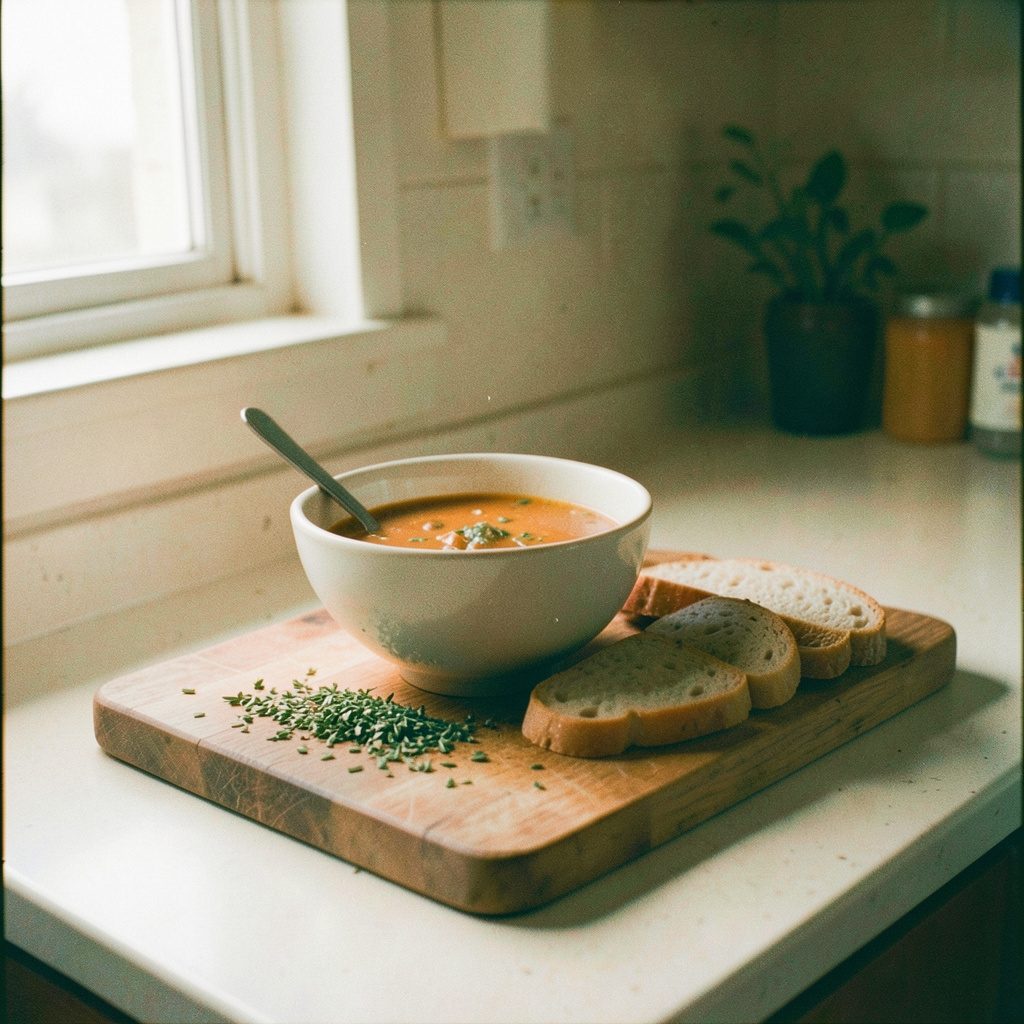
From the kitchen
A few of the meals we've been making lately.
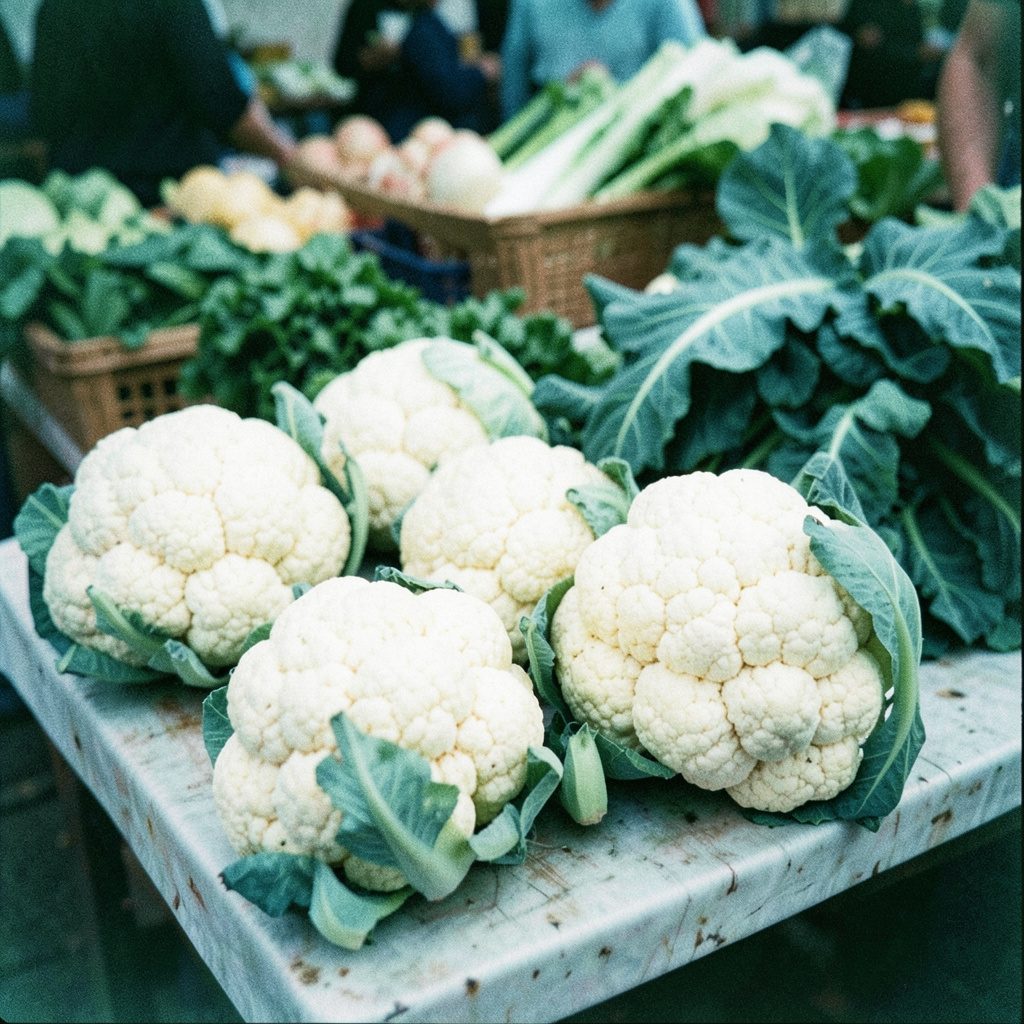
Watch & cook
Short clips from the kitchen.
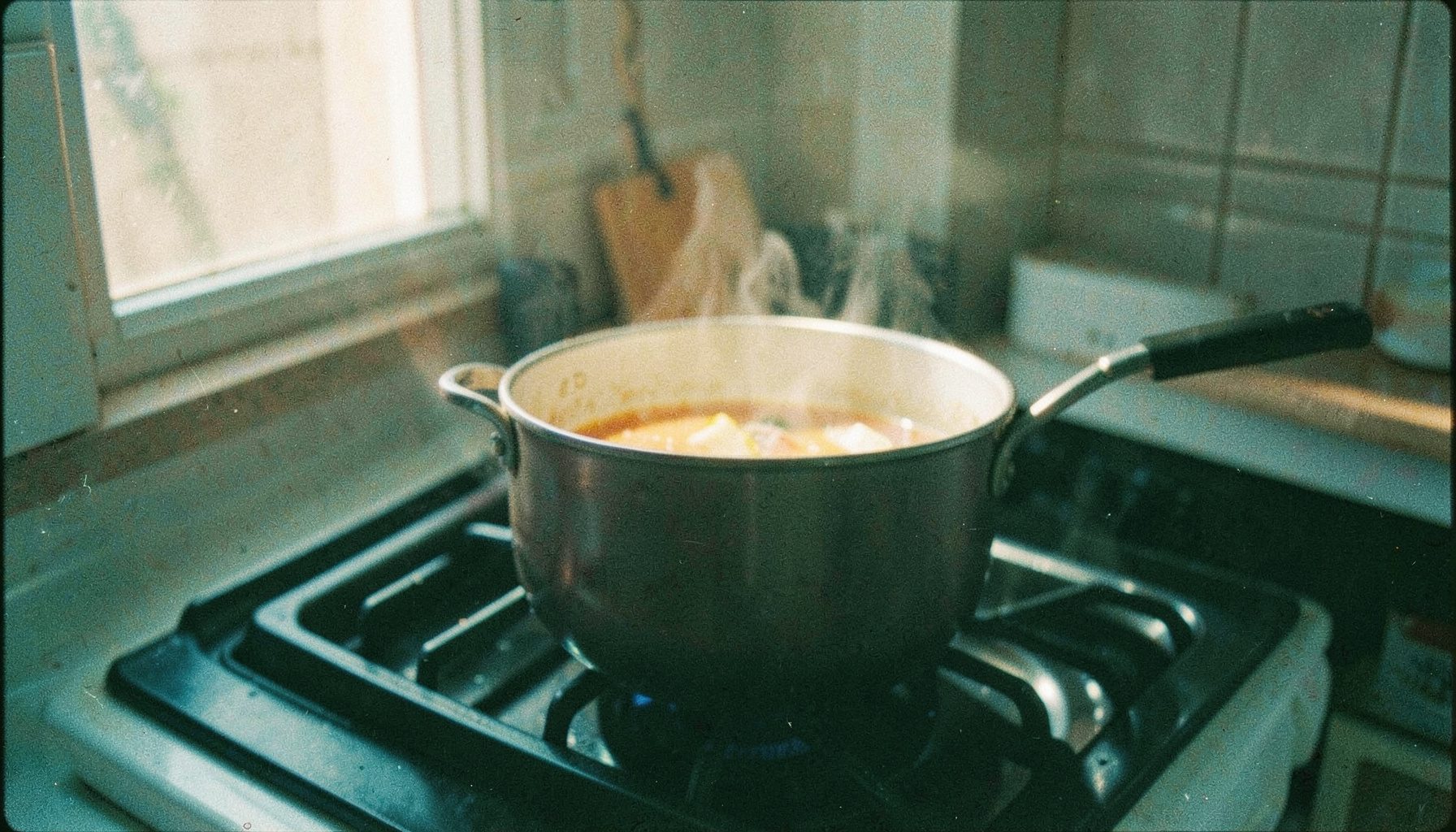 ▶
▶
Surf and Turf in a Soup
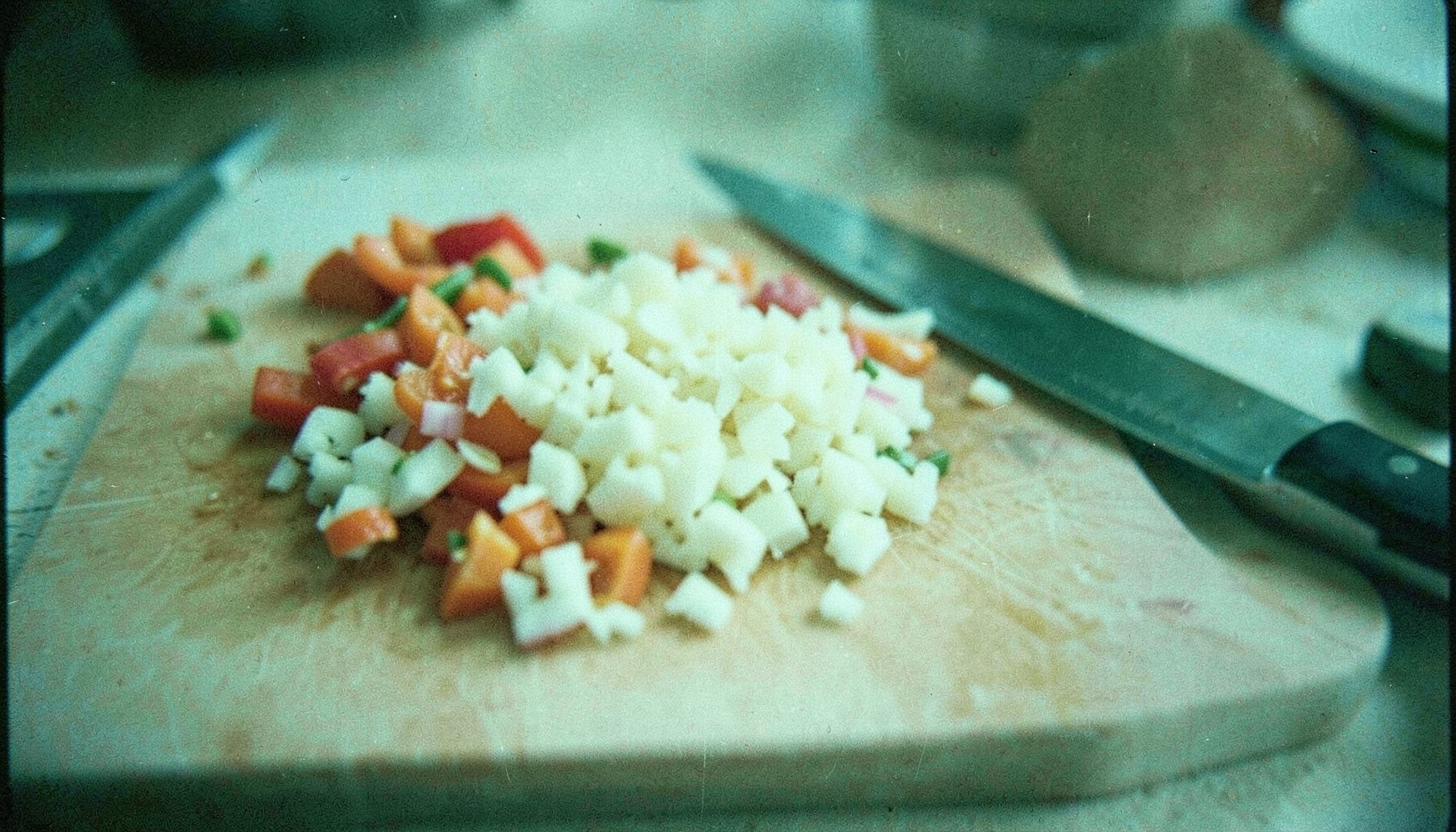 ▶
▶
Clarifying Clarified Butter
 ▶
▶
Blueberry Dumplings
How to Build a Flavorful Buddha Bowl with Whatever’s in Your Fridge
A Buddha bowl is one of the easiest ways to turn a handful of leftovers, vegetables and pantry staples into a colourful, satisfying meal. The idea is flexible rather than strict: combine a nourishing base, plenty of vegetables, a source of protein, something crisp and a sauce with enough flavour to bring everything together.
This approach works beautifully in Australian kitchens, where seasonal produce changes quickly and supermarket trips often include a mix of fresh food, convenient staples and leftovers. Whether your fridge holds roasted pumpkin in Brisbane, leafy greens from a Melbourne market or leftover barbecue chicken in Perth, a balanced bowl can make good use of it.
| Bowl component | Fridge or pantry options | What it adds |
|---|---|---|
| Base | Brown rice, quinoa, couscous, noodles, barley | Hearty texture and lasting energy |
| Vegetables | Carrot, cucumber, spinach, cabbage, pumpkin, broccoli | Colour, freshness and crunch |
| Protein | Eggs, chickpeas, tofu, chicken, lentils, salmon | Satisfaction and substance |
| Bright accent | Pickles, sauerkraut, lemon, lime, fresh herbs | Acidity and lift |
| Sauce | Tahini dressing, soy-lime sauce, yoghurt, peanut sauce | Moisture and overall flavour |
| Finishing touch | Seeds, nuts, chilli, fried shallots, dukkah | Texture and personality |
Start With What Needs Using
Open the fridge and look for ingredients that are close to their best. Soft carrots can be roasted, wilted spinach can be stirred through grains, and half a capsicum can be sliced thinly for a fresh topping. Think in terms of textures and cooking methods instead of searching for a perfect recipe.
A useful starting point is one ingredient from each category: a cooked base, two or three vegetables, a protein, a sharp or fresh element and a dressing. This prevents the bowl from becoming a random pile of food. It also helps reduce waste, which is especially practical when fresh produce prices rise or when you are cooking for one or two people.
Australian seasonal produce offers plenty of variety. In summer, try tomatoes, corn, green beans, mango or cucumber; during cooler months, use pumpkin, sweet potato, broccoli, cauliflower and sturdy greens. A Saturday visit to a farmers’ market in Sydney, Adelaide or Hobart can inspire the bowl, while Coles, Woolworths or a local greengrocer can supply the everyday basics.
Build Contrast Into Every Layer
A good grain bowl depends on contrast. Soft rice or pearl couscous needs crisp vegetables, toasted seeds or crunchy chickpeas. Creamy avocado benefits from a squeeze of lime, while sweet roasted pumpkin becomes more interesting with salty feta, olives or a punchy herb dressing.
Temperature matters as well. You can serve everything warm, but a combination of hot grains, room-temperature roasted vegetables and cool cucumber often feels more dynamic. If the bowl contains leftovers, warm only what needs reheating and keep delicate ingredients such as herbs, lettuce and avocado fresh.
Aim for different colours across the bowl. Deep green spinach, orange pumpkin, purple cabbage, red capsicum and pale chickpeas make the meal look generous before you add the sauce. Colour often signals a broader range of nutrients, while varied textures make simple ingredients feel more substantial.
Make One Sauce Do the Heavy Lifting
The dressing is where a collection of leftovers becomes a unified meal. For a quick tahini sauce, whisk together tahini, lemon juice, water, a little garlic and salt. Add more water gradually until it becomes pourable. This works with roasted vegetables, chickpeas, grains and grilled chicken.
For a fresh Australian-friendly variation, combine Greek yoghurt, lime juice, chopped mint and a little sweet chilli sauce. A soy, sesame oil and ginger dressing suits noodles, edamame, shredded carrot and leftover roast pork. Peanut butter, lime, soy sauce and warm water create a rich sauce for rice bowls with tofu or crunchy vegetables.
Taste the sauce before it reaches the bowl. If it seems flat, add salt or soy sauce. If it feels heavy, use lemon or vinegar. A small amount of honey, maple syrup or brown sugar can balance sharpness, while chilli, grated ginger or toasted spices can make familiar ingredients feel more adventurous.
Use Smart Shortcuts Without Losing Freshness
Cook once and build several meals from the results. A tray of roasted sweet potato, cauliflower and onion can become a Buddha bowl, a wrap filling or a side dish the following day. Cook a larger batch of brown rice, quinoa or barley and refrigerate it in shallow containers so it cools quickly and is easy to portion.
Canned chickpeas, lentils and beans are reliable pantry helpers. Rinse them well, dry them thoroughly and season before roasting or pan-frying for extra texture. Eggs are another fast option: soft-boiled, fried or jammy eggs can turn vegetables and grains into a complete-feeling dinner in minutes.
Food safety matters when using leftovers. Follow the Australian two-hour/four-hour guideline: food left between 5°C and 60°C for less than two hours can generally be refrigerated, while food in that range for longer requires caution. Cool cooked food promptly, store it covered in the fridge and reheat it until steaming hot. These habits align with advice from Food Standards Australia New Zealand and are particularly important during hot weather in places such as Darwin or regional Queensland.
Reliable Flavour Combinations
Once the basic method becomes familiar, combinations can follow the mood of the fridge. Mediterranean flavours suit couscous, chickpeas, cucumber, tomato, olives, feta and lemon dressing. An Asian-inspired bowl might use rice noodles, shredded cabbage, edamame, carrot, herbs and a ginger-soy sauce.
For a more substantial dinner, add leftover roast chicken, grilled prawns, baked tofu or a fried egg. You can also make a plant-based bowl with lentils, black beans, tempeh or spiced chickpeas. Use ingredients that are already cooked whenever possible, then spend your effort on a fresh garnish or a well-balanced sauce.
- Pair sweet vegetables with something salty, sour or spicy.
- Add at least one crisp ingredient to soft grains and roasted food.
- Use herbs, spring onions or citrus zest to refresh leftovers.
- Toast seeds, nuts or spices briefly for a deeper aroma.
- Keep sauces separate if the bowl will be packed for lunch.
- Taste each component before assembling rather than seasoning only at the end.
This flexible style fits busy Australian routines, from a packed lunch taken to a Brisbane office to a quick dinner after a coastal walk. It also suits households with different preferences: assemble a shared spread of ingredients and let each person choose their own protein, dressing and level of chilli.
Assemble A Bowl That Feels Complete
Begin with a generous spoonful of grains or another base, then arrange the vegetables in sections rather than mixing everything immediately. Add the protein in the centre or along one side, followed by pickles, herbs, avocado or another bright accent. Drizzle the sauce over the top just before serving.
A practical serving guide is roughly one-quarter base, one-quarter protein and one-half vegetables and fresh toppings. It does not need to be exact. A smaller bowl may need extra protein or legumes, while an active family may prefer more grains and roasted vegetables. The best bowl is the one that feels satisfying without requiring a special shopping trip.
Finish with a deliberate garnish. Dukkah, sesame seeds, roasted pepitas, crushed peanuts, chilli flakes or fried shallots can provide the final contrast. A few drops of lemon juice or rice vinegar can make the whole meal taste brighter, especially when the ingredients came from yesterday’s dinner.
Keep this formula in mind the next time your fridge contains a mixture of odds and ends. Choose a base, add colour, include protein, create contrast and season with confidence. Gather what is ready to use, make a simple dressing and assemble a fresh bowl for tonight’s meal.
Meet the cooks
Two friends, two kitchens, one shared notebook.

Jessica
"I write down what worked, what flopped, and what to try next week."

Kathrin
"Recipes should leave room for the fridge and the season."
Get in touch
We read every message.