Easy, Fresh and Colorful Meals
A friendly food journal by Jessica and Kathrin, gathering simple soups, bright vegetables, and quick weeknight fixes for cooks who want to put a good meal on the table without fuss.
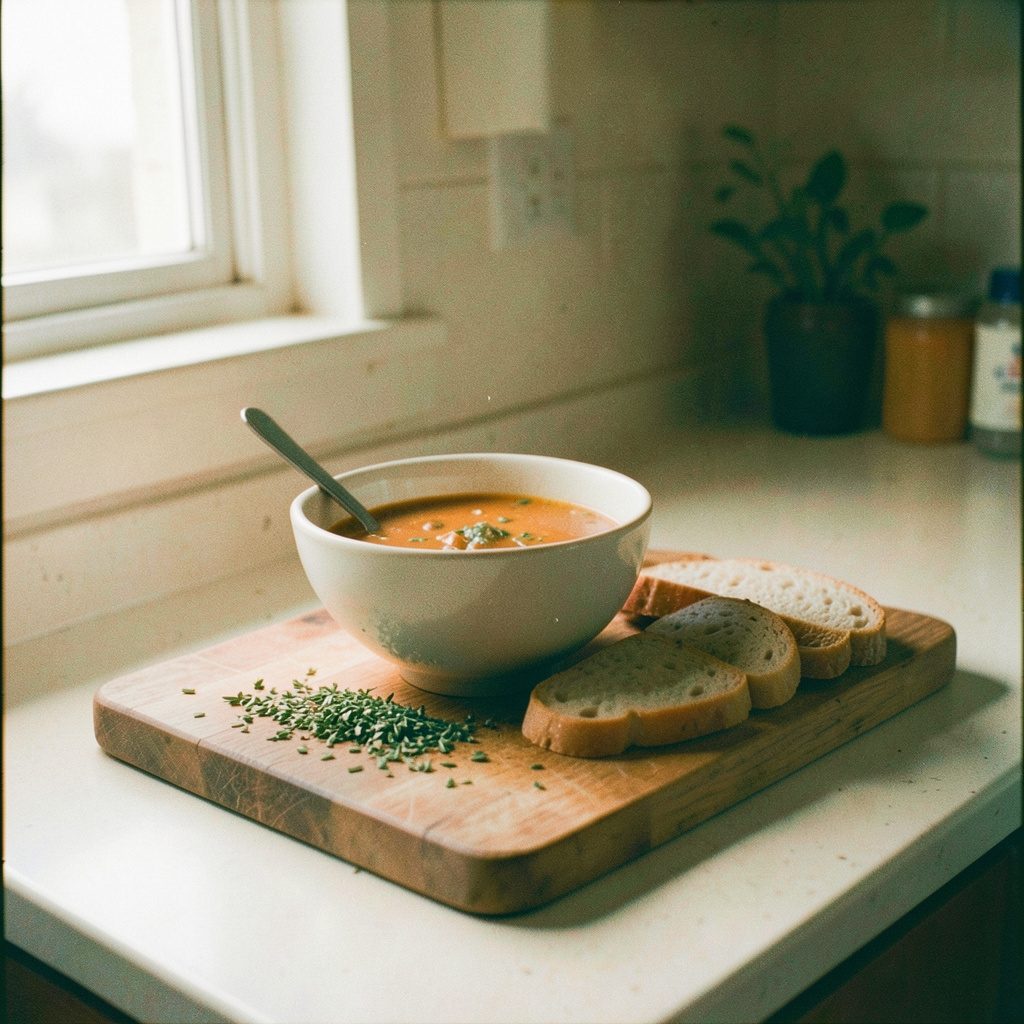
From the kitchen
A few of the meals we've been making lately.
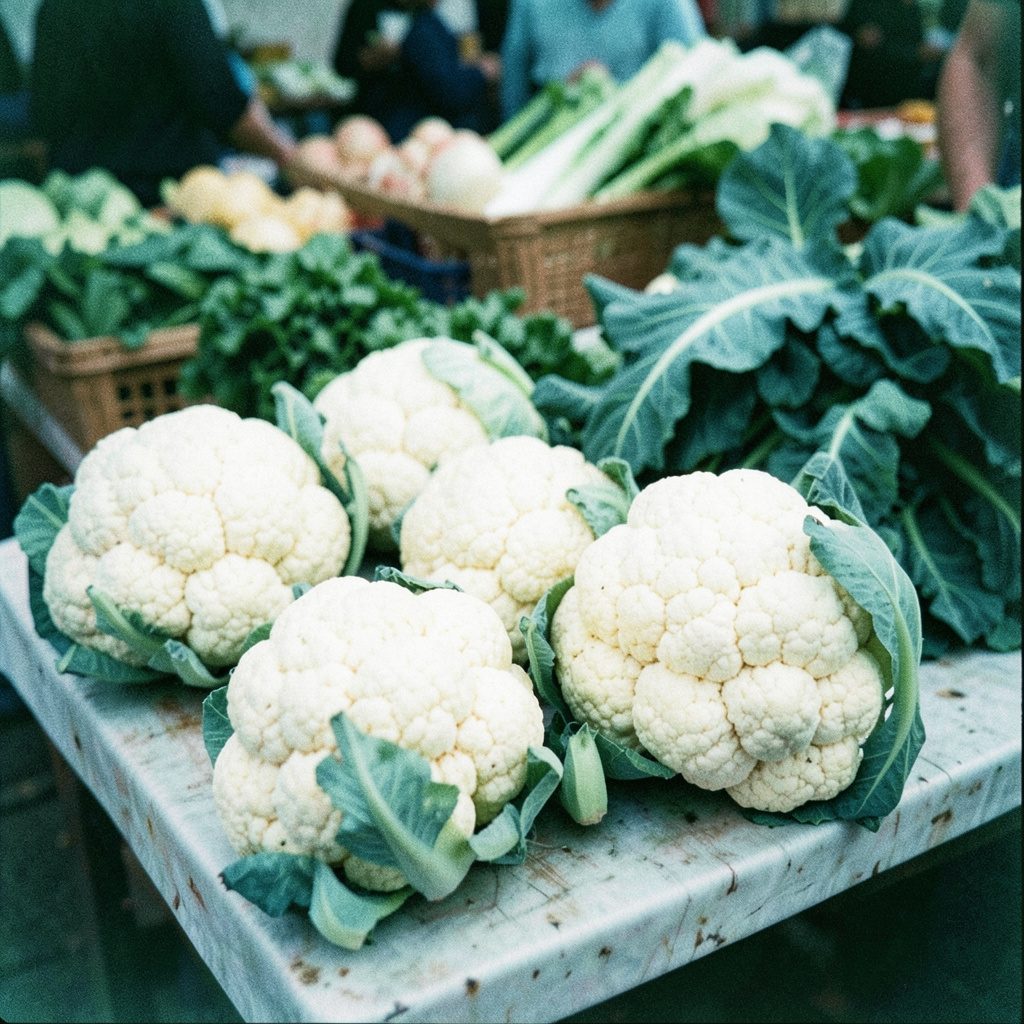
Watch & cook
Short clips from the kitchen.
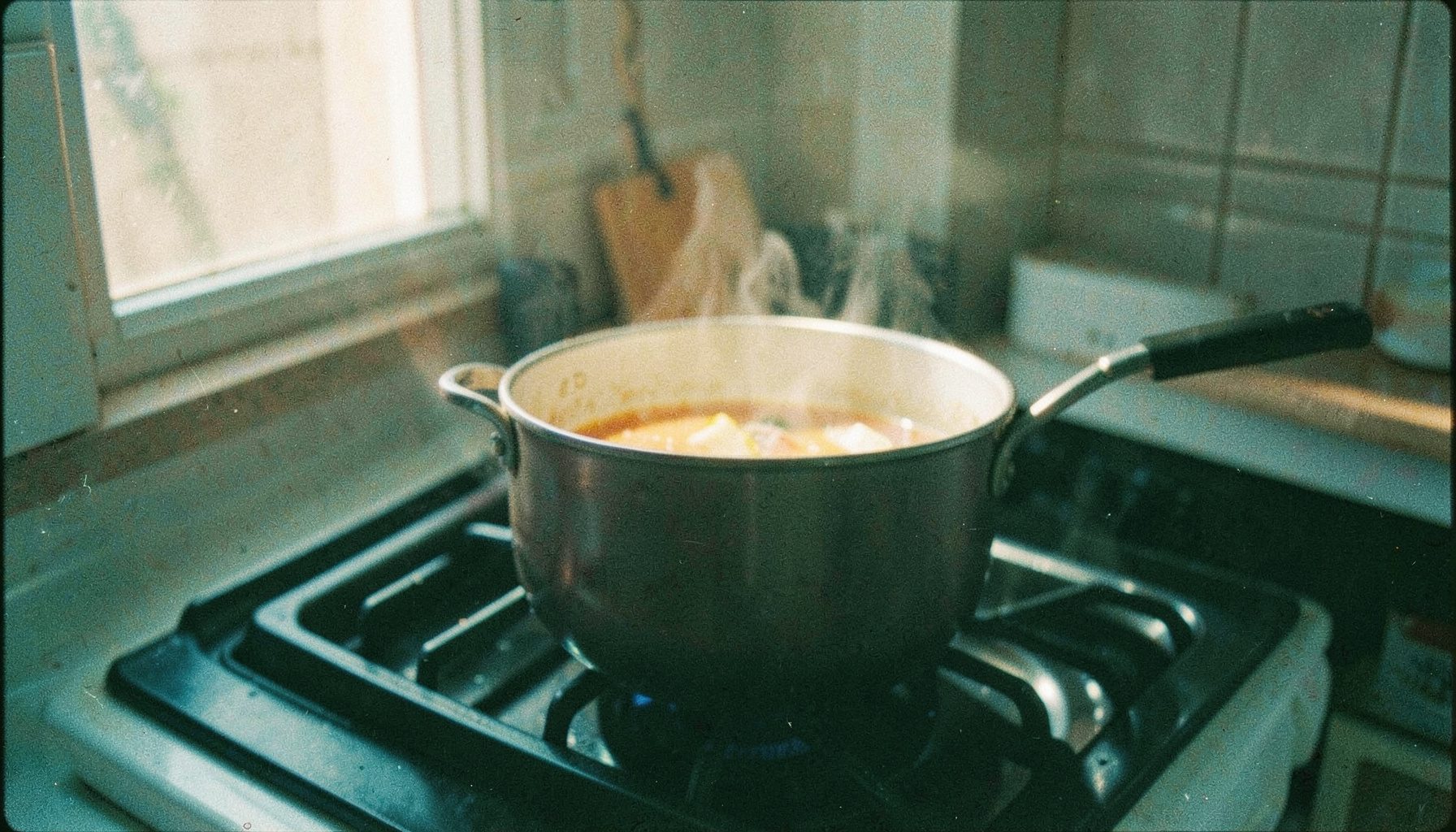 ▶
▶
Surf and Turf in a Soup
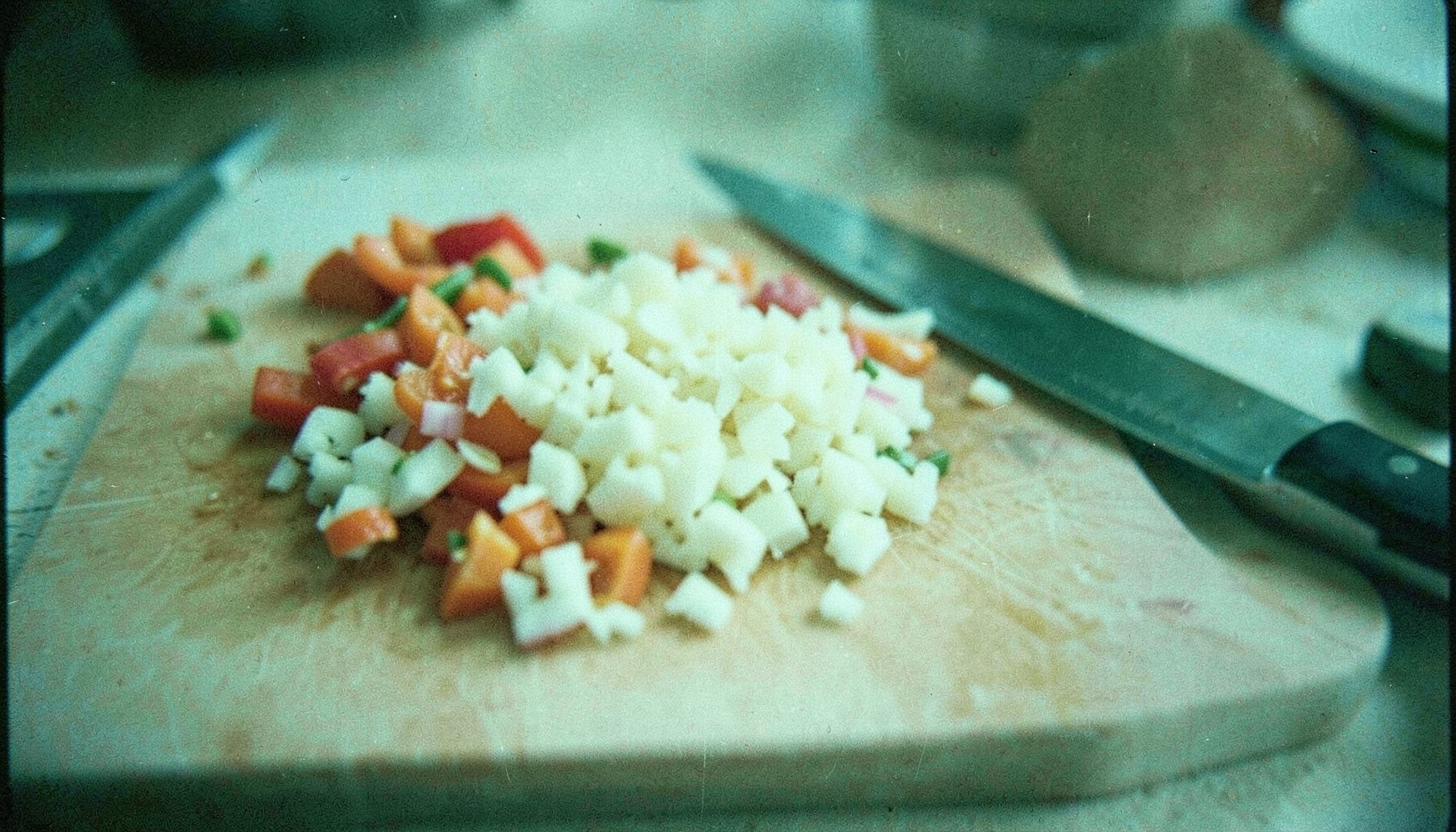 ▶
▶
Clarifying Clarified Butter
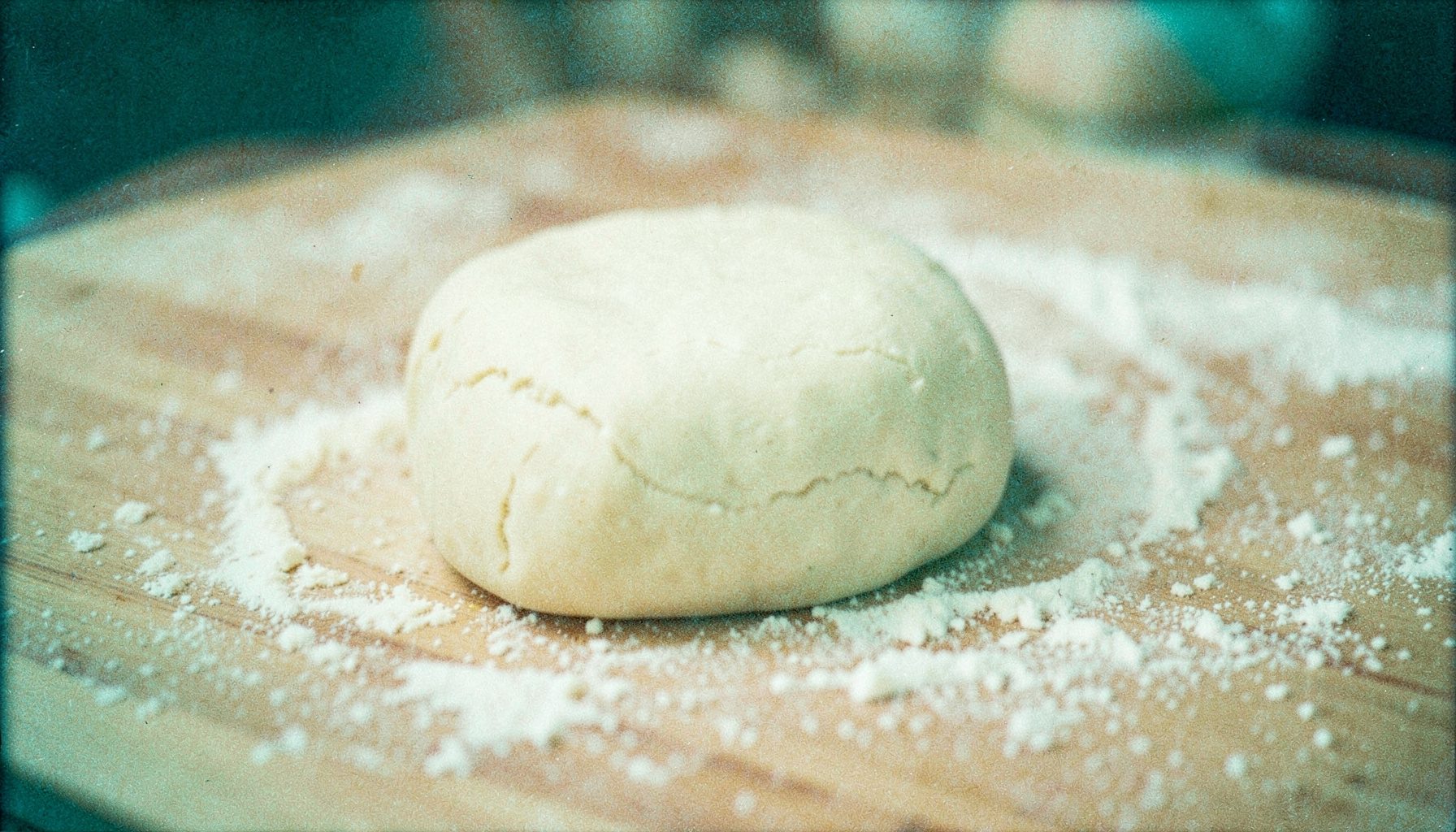 ▶
▶
Blueberry Dumplings
Quick Pickled Red Onions: The Topper That Makes Everything Better
A jar of quick pickled red onions can transform an ordinary meal in minutes. Their vivid pink colour, crisp texture and bright vinegar tang bring balance to rich, spicy, smoky and savoury dishes, making them one of the most useful condiments to keep in the fridge.
Unlike traditional pickles, these onions do not need weeks of brining or special preserving equipment. Thinly slice a red onion, cover it with a hot, lightly sweetened vinegar mixture and leave it to soften. They are ready for dinner the same day, although their flavour becomes rounder after a few hours.
For Australian home cooks, this is a practical way to add freshness to weeknight meals. The onions work beautifully with a backyard barbecue, a bowl of grains after a trip to the Melbourne markets, or tacos served on a warm Sydney evening. Once you have a jar ready, even simple leftovers feel thoughtfully put together.
Why These Pickled Onions Work So Well
Red onions have a gentle sweetness beneath their sharper raw flavour. A short soak in vinegar softens their bite without removing their crunch, while a little sugar rounds out the acidity. The result is a condiment that tastes lively rather than harsh.
Their appeal comes from contrast. Pickled onions cut through creamy avocado, fatty pulled pork, fried foods and melted cheese. They also give softer meals a useful textural lift, so a lentil salad, baked potato or scrambled egg does not feel flat.
The colour is part of their charm too. As the onion meets the acidic brine, its purple layers turn bright pink. A small handful can make a plain lunch look inviting, which is especially helpful when cooking for children or putting together a casual spread for friends.
A Simple Brine With Plenty Of Flexibility
A reliable basic brine uses equal parts vinegar and water, with salt and a small amount of sugar. White vinegar gives the sharpest flavour, apple cider vinegar brings a fruitier note, and rice vinegar creates a milder, slightly delicate pickle. Choose according to the dish rather than treating one version as the only correct formula.
For one medium red onion, try 125 millilitres each of vinegar and water, one tablespoon of sugar and one teaspoon of salt. Warm the liquid until the sugar and salt dissolve, then pour it over the sliced onion in a clean heatproof jar. There is no need to boil the onion; the residual heat from the brine is enough to start the process.
You can adjust the balance after making your first batch. Add less sugar for a sharper pickle, use extra water for a gentler flavour, or include a splash of lime juice when serving the onions with Mexican-inspired food. The aim is a condiment that brightens the meal without overpowering it.
Ingredients That Change The Character
Spices and herbs let you create a different version each time. Black peppercorns, coriander seeds, mustard seeds, bay leaf and a strip of lemon rind are easy additions. A small dried chilli or fresh jalapeño gives the brine a little heat, while a garlic clove adds savoury depth.
Fresh herbs are best added when serving rather than stored in the jar for a long period. Coriander leaves, mint and dill can lose their colour and become soft in acidic liquid. Scatter them over the finished dish instead, where their fragrance stays fresh.
For an Australian pantry, native ingredients can also be used thoughtfully. A tiny amount of lemon myrtle adds a distinctive citrus aroma, while finger lime pearls can be folded through the onions just before serving. These additions are optional, but they can give a familiar condiment a local accent.
Ways To Use A Jarful
A few slices can become part of breakfast, lunch, dinner or a snack plate. They are especially useful when a dish needs acidity but you do not want to add more lemon juice or vinegar directly to the food. Drain them well before using so the flavour stays concentrated.
Try them with smashed avocado on toast, grilled sausages, roast vegetables, falafel, burgers or a cheese toastie. They also pair with tinned fish and creamy salads, where their crispness keeps each bite balanced. For a quick lunch, add them to leftover roast chicken with lettuce and yoghurt in a flatbread.
They are a natural match for tacos, too. The sweet-sharp onion cuts through crunchy coatings, creamy sauces and fresh slaw in crunchy baked fish tacos. Serve them in a small bowl so everyone can add as much colour and tang as they like.
Easy Pairings For Weeknight Meals
- Grilled chicken, rice and cucumber salad
- Beef burgers with cheddar and pickles
- Roast pumpkin, lentils and tahini yoghurt
- Fried eggs on sourdough with baby spinach
- Fish tacos with lime, cabbage and coriander
Getting The Texture Just Right
The thickness of the slices makes a noticeable difference. Very thin slices become tender quickly and are ideal for sandwiches, while slices around three millimetres thick retain more crunch. A sharp knife or mandoline helps, but take care and avoid rushing the cutting.
For the best texture, pour the warm brine over the onions rather than cooking them in it. Press them below the liquid with a clean spoon, then allow the jar to cool uncovered for a short time before sealing. If you prefer extra-crisp onions, use cold brine and let them sit in the refrigerator overnight.
The onions will soften as they stand, so timing depends on how you plan to use them. After 20 to 30 minutes, they will have a bright, fresh bite. After several hours, they become more tender and deeply flavoured, making them excellent for meal preparation.
Storage And Food Safety
Keep quick pickled red onions in a clean, sealed jar in the refrigerator, with the slices covered by brine. They are a refrigerator pickle, not a shelf-stable preserve, so they should never be stored in the pantry or treated as a substitute for properly canned pickles.
Use clean utensils when removing onions and avoid topping up an old batch with fresh vegetables. A small jar is convenient because it gets used quickly. In a typical home kitchen, the onions are best enjoyed within two to three weeks, provided they still look and smell fresh.
Discard the batch if you notice mould, an unpleasant odour, bubbling that was not expected or a slimy texture. When shopping at an Australian supermarket or local farmers market, choose firm onions with dry skins and no soft spots. Fresh produce gives the pickle its best colour and crunch from the beginning.
Making Them Part Of Your Cooking Routine
The easiest way to keep this condiment in regular use is to prepare it while another meal is cooking. Slice an onion before putting rice on the stove or while vegetables are roasting. By the time dinner is ready, the jar will already have developed enough flavour to serve.
They are also useful for entertaining. Put a jar beside grilled lamb, prawns, crusty bread and salads at a summer barbecue, or offer them with a platter of cheeses and crackers. At a Brisbane gathering or an outdoor lunch in Adelaide, their sharp freshness can be especially welcome alongside rich food and warm weather.
A batch can be divided between smaller jars for lunches and larger meals. Label the date on the lid, then experiment with different brines as the seasons change. Add orange peel for winter salads, chilli for barbecue dishes or extra herbs for spring vegetables.
Small Upgrades Worth Trying
- Add sliced cucumber for a mixed vegetable pickle
- Stir in a teaspoon of honey instead of sugar
- Use apple cider vinegar with roast pork
- Add chilli flakes for burgers and noodle bowls
- Finish with toasted sesame seeds before serving
A Colourful Staple For Everyday Food
Quick pickled onions earn their place in the fridge because they solve several cooking problems at once. They add acidity, colour, crunch and a gentle sweetness without requiring a complicated recipe or a long shopping list. A modest amount can make a meal taste more complete.
They suit many styles of food, from Middle Eastern grain bowls and Korean-inspired rice dishes to Australian barbecue plates and simple weekday sandwiches. Their versatility means one jar can support several meals, while their bold appearance makes even a plain plate feel generous and lively.
Make a small batch with the next red onion in your kitchen, then serve it with dinner before the week becomes busy. Keep the jar visible in the refrigerator, and reach for it whenever a dish needs a sharp, colourful finishing touch.
Meet the cooks
Two friends, two kitchens, one shared notebook.

Jessica
"I write down what worked, what flopped, and what to try next week."

Kathrin
"Recipes should leave room for the fridge and the season."
Get in touch
We read every message.