Easy, Fresh and Colorful Meals
A friendly food journal by Jessica and Kathrin, gathering simple soups, bright vegetables, and quick weeknight fixes for cooks who want to put a good meal on the table without fuss.
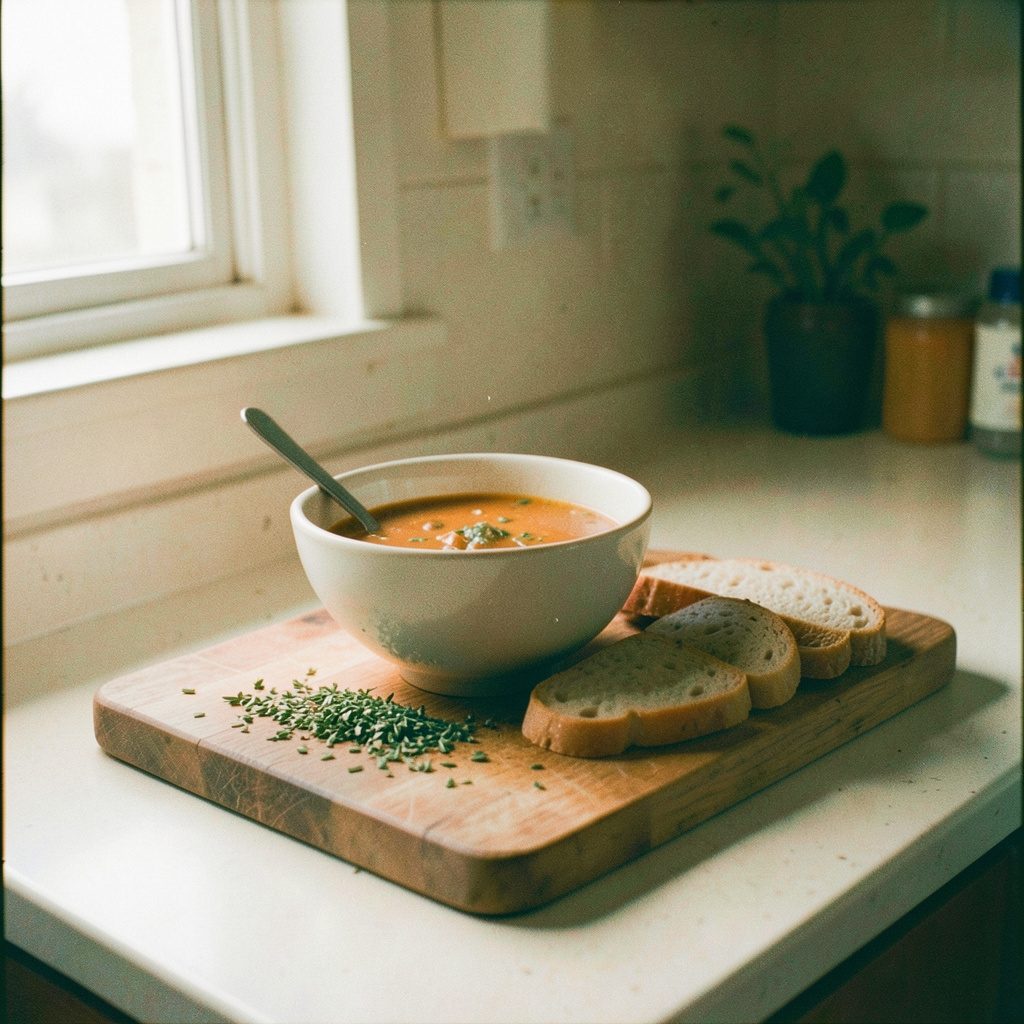
From the kitchen
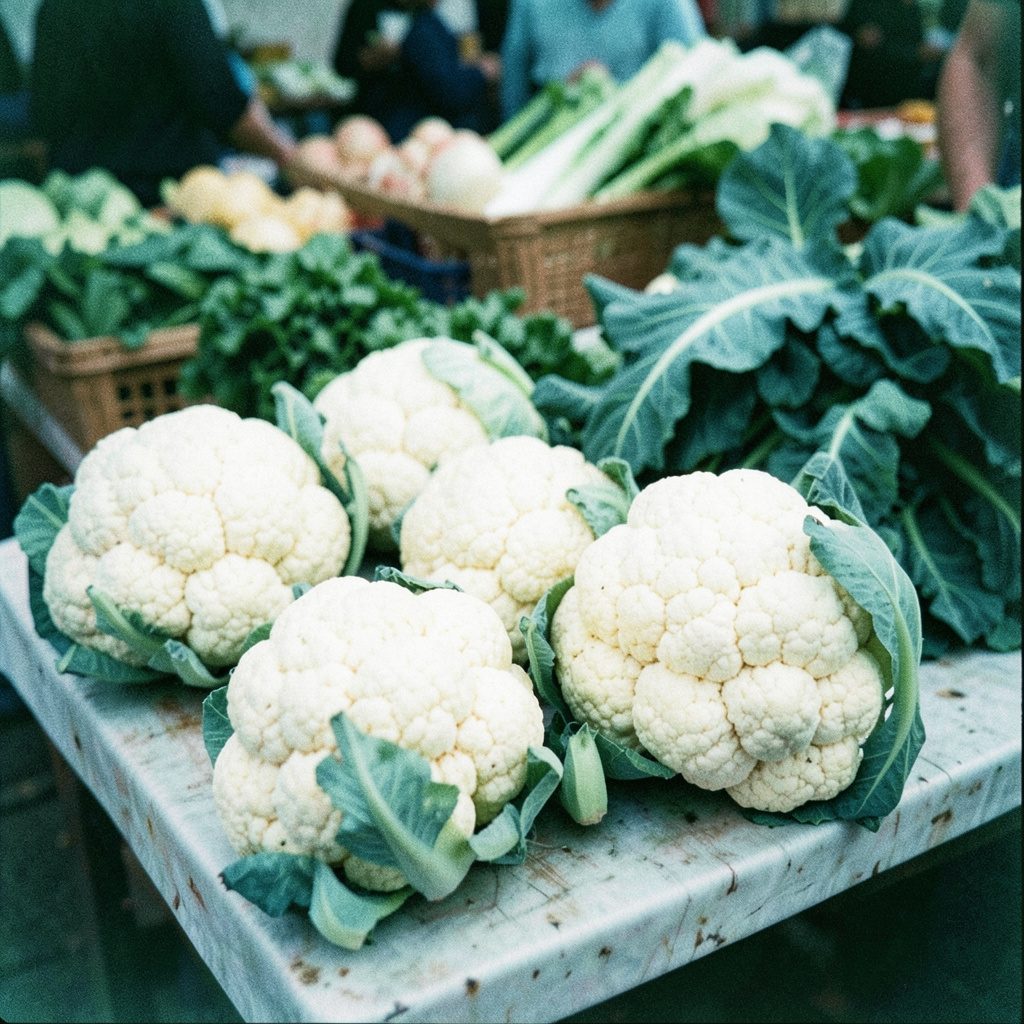
A few of the meals we've been making lately.
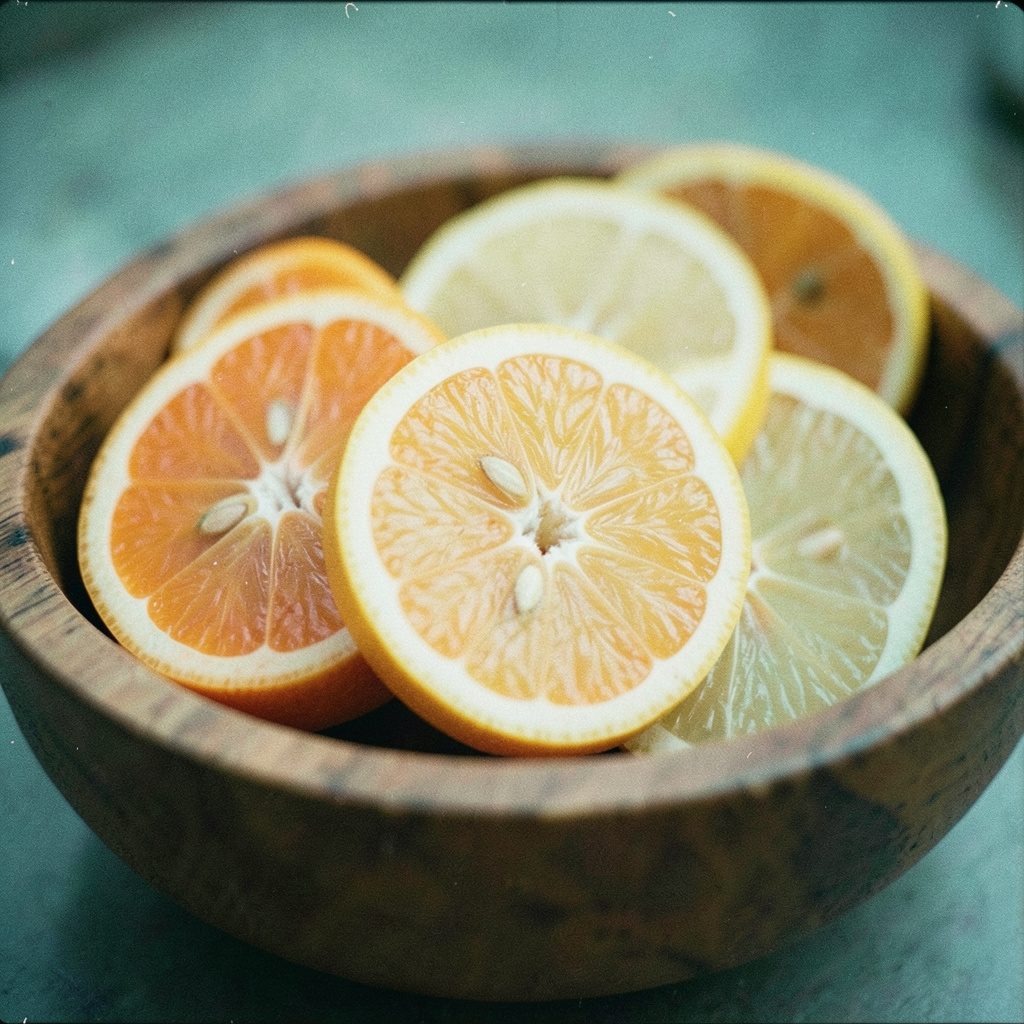
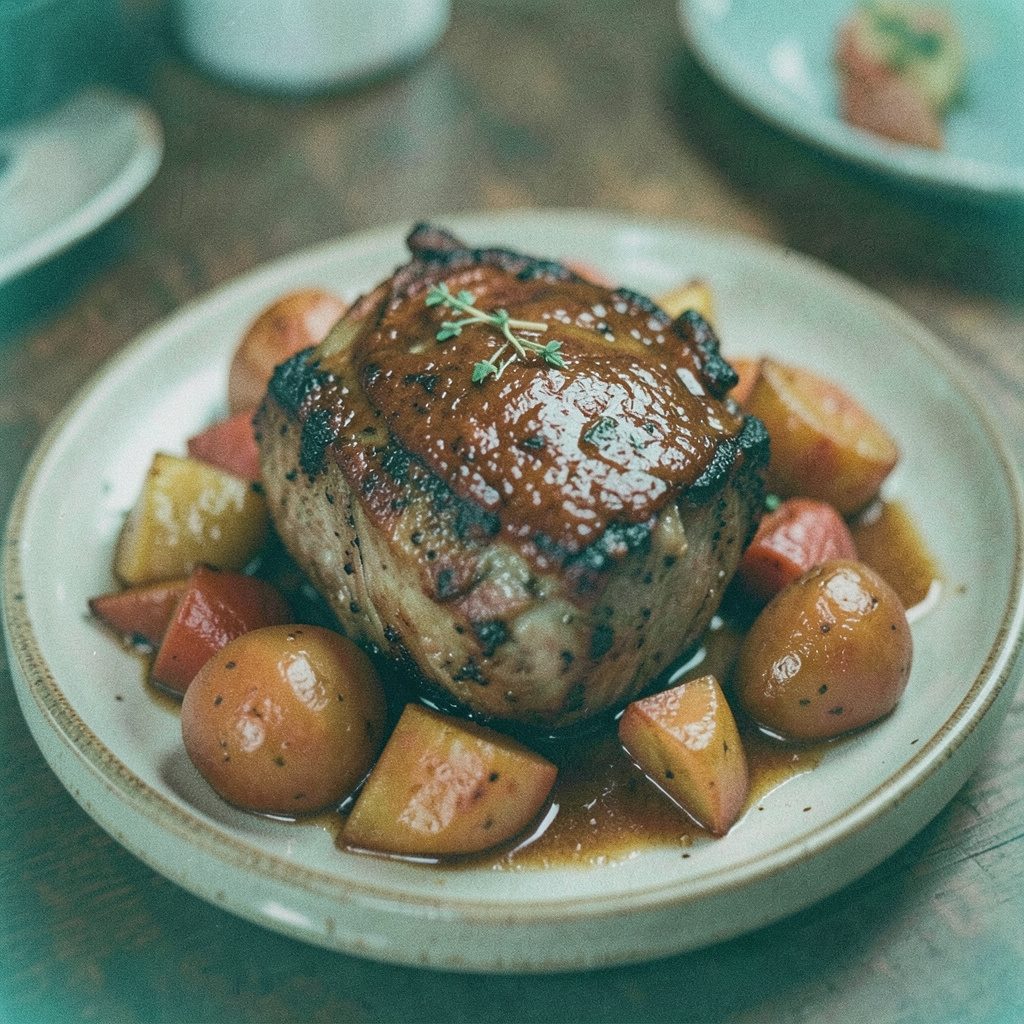
Watch & cook
Short clips from the kitchen.
 ▶
▶
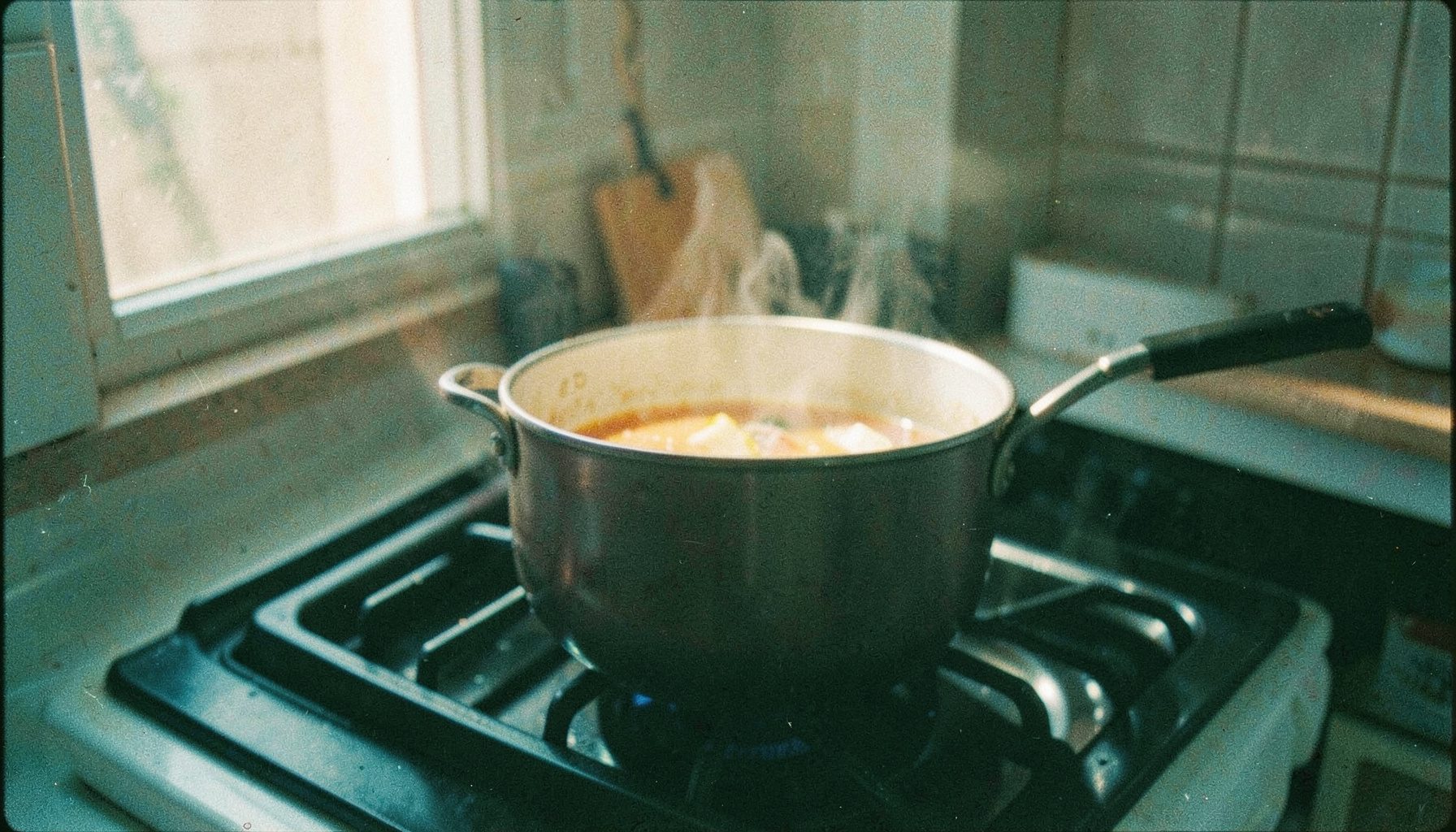
Surf and Turf in a Soup
 ▶
▶
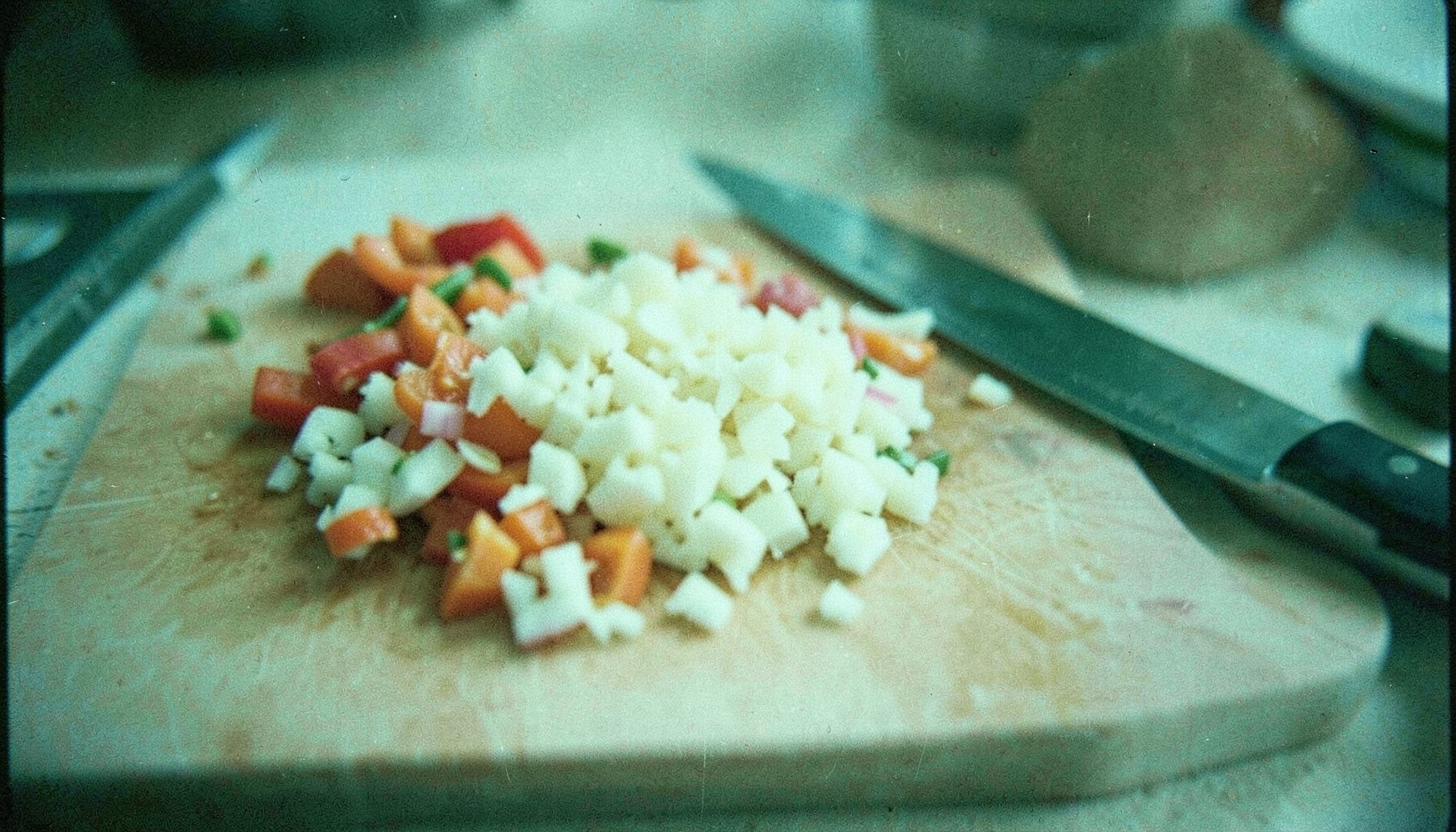
Clarifying Clarified Butter
 ▶
▶
Blueberry Dumplings
Honey Garlic Salmon Ready in Under Twenty Minutes
Weeknight cooking in Australia often means racing against the school run, the evening commute along Sydney's harbour tunnels, or the long summer days that stretch dinner plans past nine o'clock. When the family is hungry and the kitchen clock is ticking, a glossy fillet of salmon bathed in a sticky honey garlic glaze can transform an ordinary Tuesday into something memorable. The dish sits comfortably alongside a simple bowl of jasmine rice or a crisp garden salad, and it rewards the cook with a deeply caramelised crust that tastes like far more effort than it actually demands.
Honey garlic salmon has earned its place on busy tables because it leans on ingredients most Australian pantries already keep. A splash of soy sauce, a spoon of local honey, a few cloves of garlic, and a squeeze of citrus come together in the time it takes to boil the kettle. Within twenty minutes the fish flakes apart, the glaze has reduced to a glossy lacquer, and dinner is plated. For anyone chasing a reliable seafood fix on a tight schedule, fast dinner solutions offer plenty of inspiration beyond the salmon pan.
Why the honey garlic glaze works so well
The magic of this sauce lies in the way sugar and protein cooperate over high heat. Honey browns rapidly once it hits a hot pan, building those deeply flavoured Maillard notes that turn a plain fillet into something restaurant-worthy. Garlic softens and mellows as it cooks, losing its raw bite while releasing the allicin that gives it both fragrance and a gentle hum of warmth. Together they create a glaze that clings to the flesh, sweet enough to satisfy younger palates and savoury enough to hold its own next to steamed greens.
Australian home cooks have embraced this style of glaze for another reason: it forgives. Unlike a beurre blanc or a hollandaise that demands split-second timing, a honey garlic reduction tells you when it is ready by turning thick and glossy. The window for error is generous, and the visual cue of bubbling syrup is hard to miss. Even on the first attempt, the cook is rewarded with a piece of fish that looks as though it came from a polished bistro in Melbourne's laneways.
The sauce also adapts to the seasons. In winter, a heavier hand with soy and ginger creates a warming plate, while in the heat of a Brisbane December a lighter pour with extra lime juice keeps things bright. The fillet itself can be served hot from the pan, flaked cold over a salad the next day, or tucked into a lunchbox for the kids' Friday sport carnival.
Choosing the right salmon at the fishmonger
Australia enjoys some of the cleanest farmed Atlantic salmon in the world, with most of the supply coming from the cool waters of Tasmania. A trip to the Sydney Fish Market at Blackwattle Bay, a stop at the Hobart waterfront on a Saturday morning, or a browse through the refrigerated cabinet at Woolworths or Coles will reveal fillets ranging from budget-friendly portions to premium centre cuts. Look for salmon with a vibrant orange-pink hue, a clean ocean scent, and flesh that springs back when pressed gently.
Skin-on fillets tend to crisp beautifully in a hot pan, while skinless pieces are easier for children to manage at the table. For this recipe, two fillets of around 180 to 200 grams each serve two adults generously, leaving a spoonful of glaze for spooning over rice. If buying frozen, thaw the fish overnight in the fridge or under cold running water for thirty minutes; the texture will still be silken once cooked.
Wild-caught Australian salmon (Arripis trutta) is a different beast altogether, firmer and richer than its Atlantic cousin, and it works wonderfully here if you can find it. Sustainability-minded shoppers should look for the blue ASC label on farmed product or ask the fishmonger about local catch. Either way, the goal is the same: a fresh fillet that will reward the brief cooking time without falling apart.
Building the glaze from pantry staples
A great honey garlic sauce begins with a measured hand. Too much soy and the glaze turns salty; too much honey and it scorches before the fish cooks through. Australian pantry shelves offer plenty of choice here, with Manuka honey from the central coast bringing a deep almost-malt sweetness, while a lighter clover honey from the supermarket produces a cleaner, brighter result. Either works, so use what you already have.
The core list is short: three tablespoons of honey, two tablespoons of light soy sauce, one tablespoon of rice vinegar, four cloves of finely grated garlic, a teaspoon of grated ginger, and the juice of half a lime or lemon. Whisk these together in a small bowl while the pan warms. For a touch of warmth that suits a Perth winter night, a pinch of dried chilli flakes or a slick of sesame oil stirred in at the end adds another layer without overpowering the fish.
Substitutions are welcome. Tamari stands in for soy if gluten is a concern, apple cider vinegar replaces rice vinegar in a pinch, and a knob of butter whisked into the reduced glaze gives it the silken finish of a pan sauce. The aim is balance, and once the ratios feel familiar the cook can riff confidently.
Pan, oven or barbecue: picking your method
| Method | Total time | Texture result | Best for |
|---|---|---|---|
| Pan-seared | 12-14 minutes | Crisp skin, glossy glaze | Weeknight dinners, small portions |
| Oven-baked | 18-20 minutes | Even flake, soft top | Hands-off cooking, multiple fillets |
| Barbecued | 10-12 minutes | Smoky char, caramelised crust | Summer arvo, Australian entertaining |
| Air-fried | 8-10 minutes | Lightly crisped edges | Fastest result, less oil |
Pan-searing delivers the quickest turnaround and the most rewarding crust. The barbecue, beloved in Australian back gardens, offers that signature char though the glaze can catch and blacken if left unattended. Baking is the safest option when cooking for a crowd, and the air-fryer has become a quiet hero in many Brisbane and Adelaide kitchens for its speed.
For most readers chasing the twenty-minute promise, the pan wins. It produces a deeply caramelised exterior while keeping the centre just opaque, which is exactly the moment salmon turns tender and juicy. The oven is the safer bet when cooking thicker fillets or when the kitchen is already warm from other dishes.
The twenty-minute pan method
Pat the salmon dry with paper towel, then season lightly with sea salt and white pepper. Warm a heavy-based skillet over medium-high heat and add a tablespoon of neutral oil. Place the fillets skin-side down and press gently for thirty seconds to prevent curling. Cook for four minutes without moving them, then flip carefully.
Pour off any excess oil, reduce the heat to medium, and add the glaze mixture to the pan. Spoon it over the fish repeatedly as it simmers, allowing the honey to bubble and thicken. After three minutes the sauce should coat the back of a spoon and the salmon should flake when nudged with a fork. Remove the fillets to a warm plate, squeeze over fresh lime, and let them rest for two minutes while the sauce reduces by another spoonful.
Resting matters. The carry-over heat finishes the centre, and the brief pause lets the juices redistribute so they end up on the plate rather than pooled on the board. Spoon the remaining glaze across the top just before serving.
Serving the dish the Australian way
A plate of honey garlic salmon welcomes a bright, crunchy side. Steamed jasmine rice soaks up the sauce beautifully, while a quick slaw of cabbage, carrot, and spring onion dressed with rice vinegar and sesame oil cuts through the sweetness. In the warmer months, a salad of avocado, cucumber, and herbs mirrors the freshness of the glaze and turns the meal into something suited to a long, slow dinner on the patio.
Wine drinkers might reach for a chilled Pinot Gris from the Adelaide Hills or a glass of dry Riesling, both of which handle the sweet-savoury balance with grace. For a non-alcoholic option, sparkling water with a twist of lime and a few mint leaves keeps the palate refreshed without competing with the fish.
Pantry-friendly ways to round out the plate:
- Steamed broccoli with a splash of soy and toasted sesame seeds
- Coconut rice prepared in the rice cooker while the salmon cooks
- Roasted sweet potato wedges tossed with smoked paprika
- A handful of fresh herbs such as coriander or Thai basil scattered at the end
- Pickled cucumber ribbons for sharp contrast
Leftover salmon keeps happily in the fridge for two days. Flake it cold through cooked noodles with a splash of the reserved glaze, or fold it into a wrap with crisp lettuce and mayonnaise for a satisfying lunchbox treat. The glaze itself can be made ahead and stored in a jar for up to a week, ready to transform chicken thighs, pork chops, or even firm tofu on the next busy night.
Try this honey garlic salmon the next time the calendar feels crowded and the fridge looks bare. Pin the recipe to your weeknight rotation, share it with a friend who never knows what to cook on a Wednesday, and bring the pan straight to the table so everyone can serve themselves. A scattering of sliced chilli and a wedge of lime alongside invites each diner to tailor the final bite. Once the plates are cleared, the kitchen will smell of toasted honey and softened garlic, and the cook will have earned a quiet evening on the back verandah.
Meet the cooks
Two friends, two kitchens, one shared notebook.

Jessica
"I write down what worked, what flopped, and what to try next week."

Kathrin
"Recipes should leave room for the fridge and the season."
Get in touch
We read every message.