Easy, Fresh and Colorful Meals
A friendly food journal by Jessica and Kathrin, gathering simple soups, bright vegetables, and quick weeknight fixes for cooks who want to put a good meal on the table without fuss.
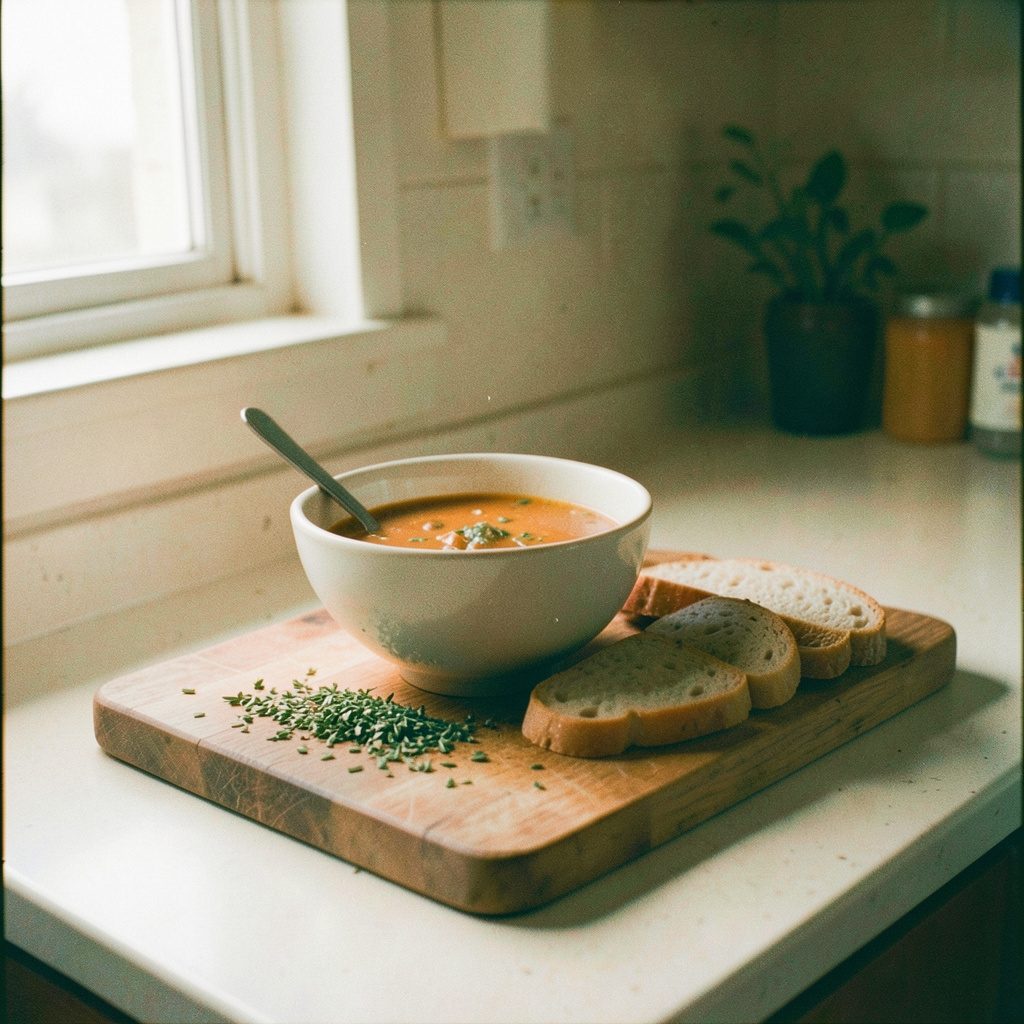
From the kitchen
A few of the meals we've been making lately.
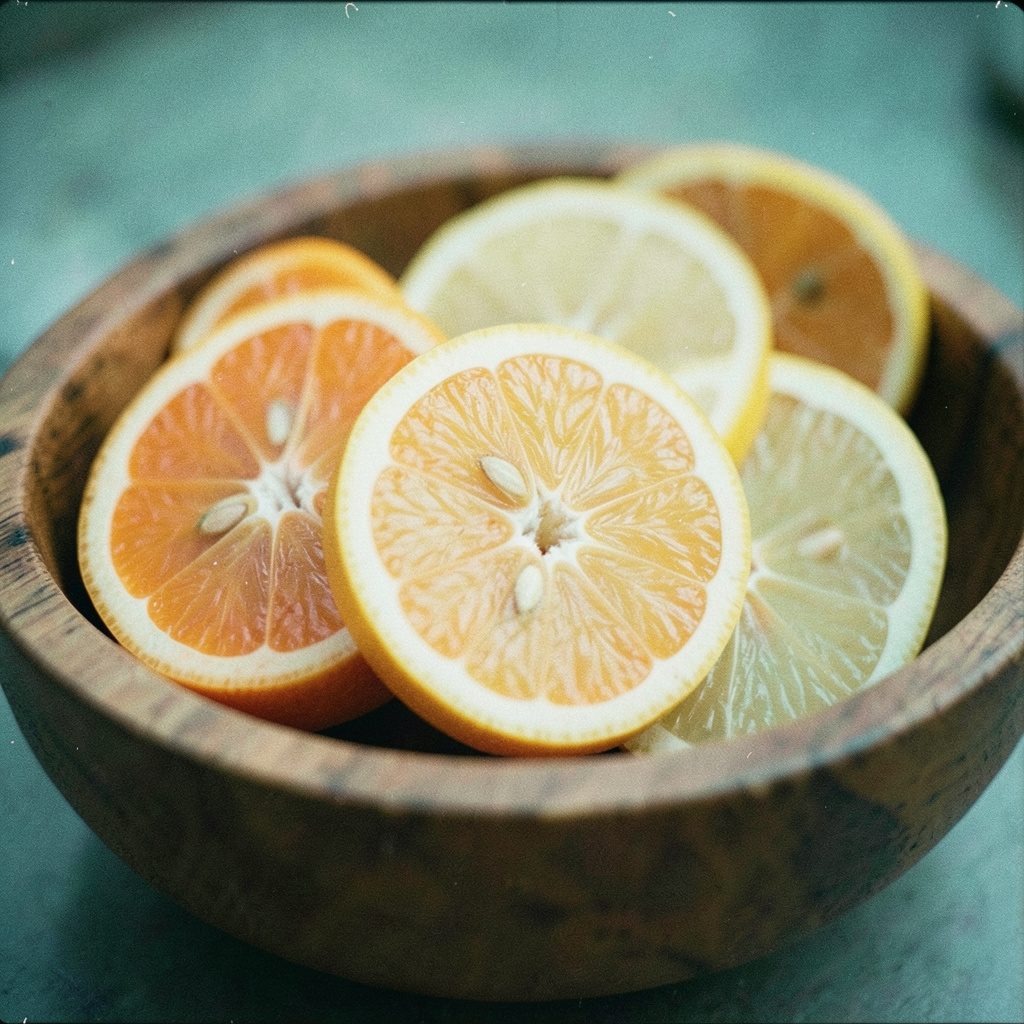
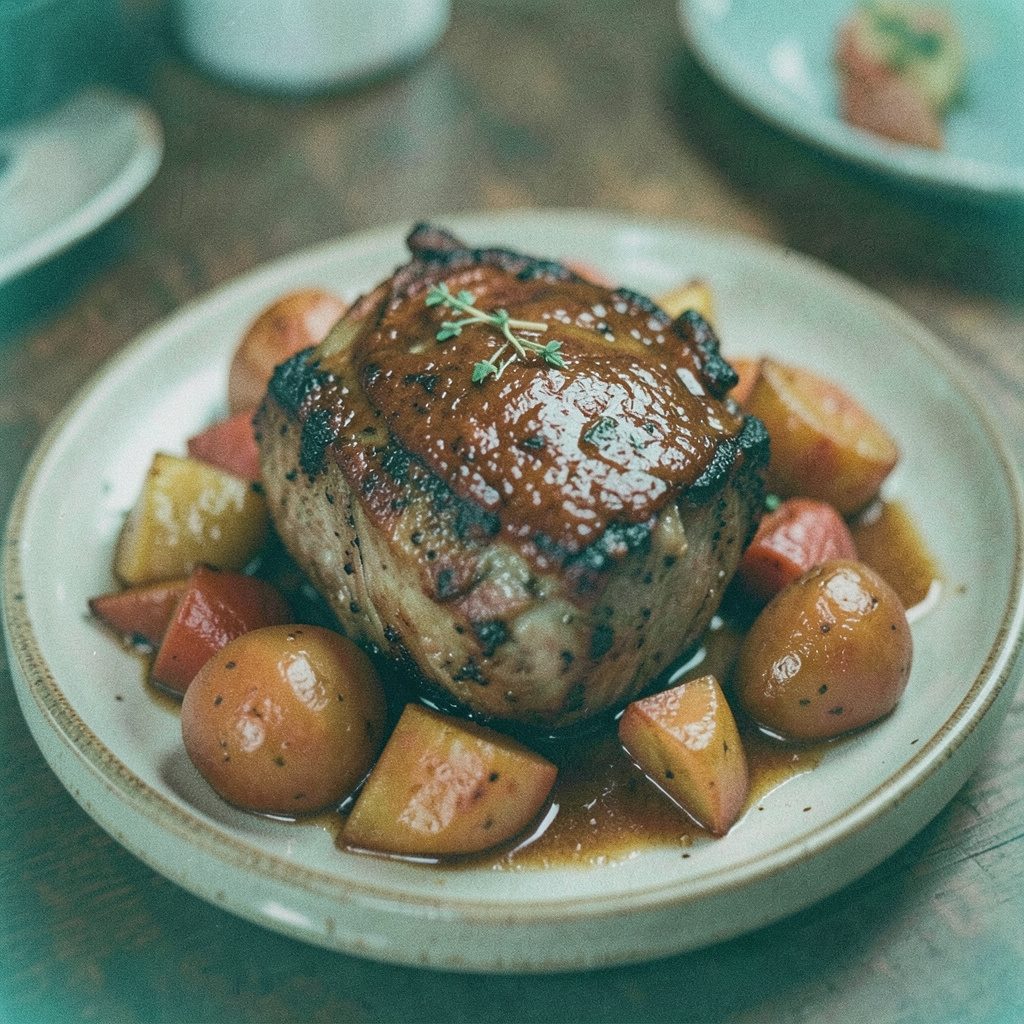
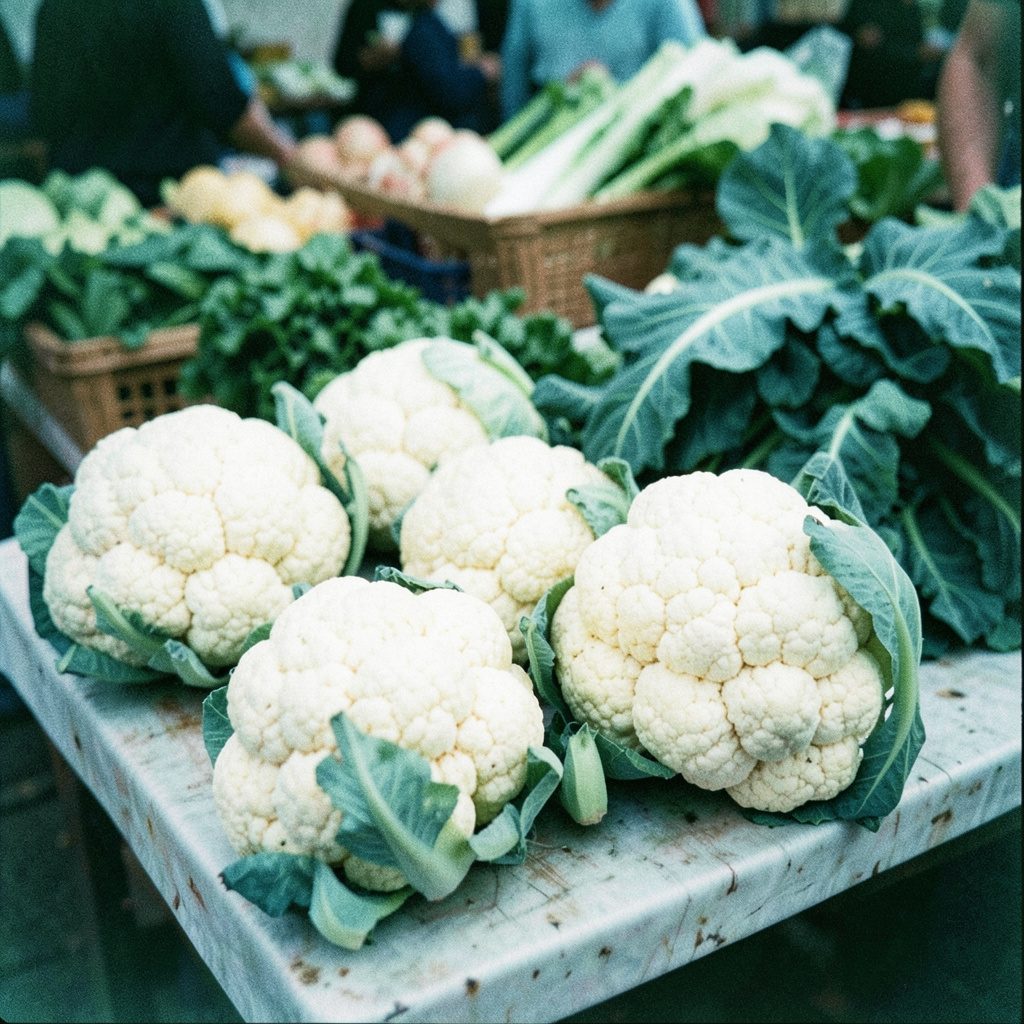
Watch & cook
Short clips from the kitchen.
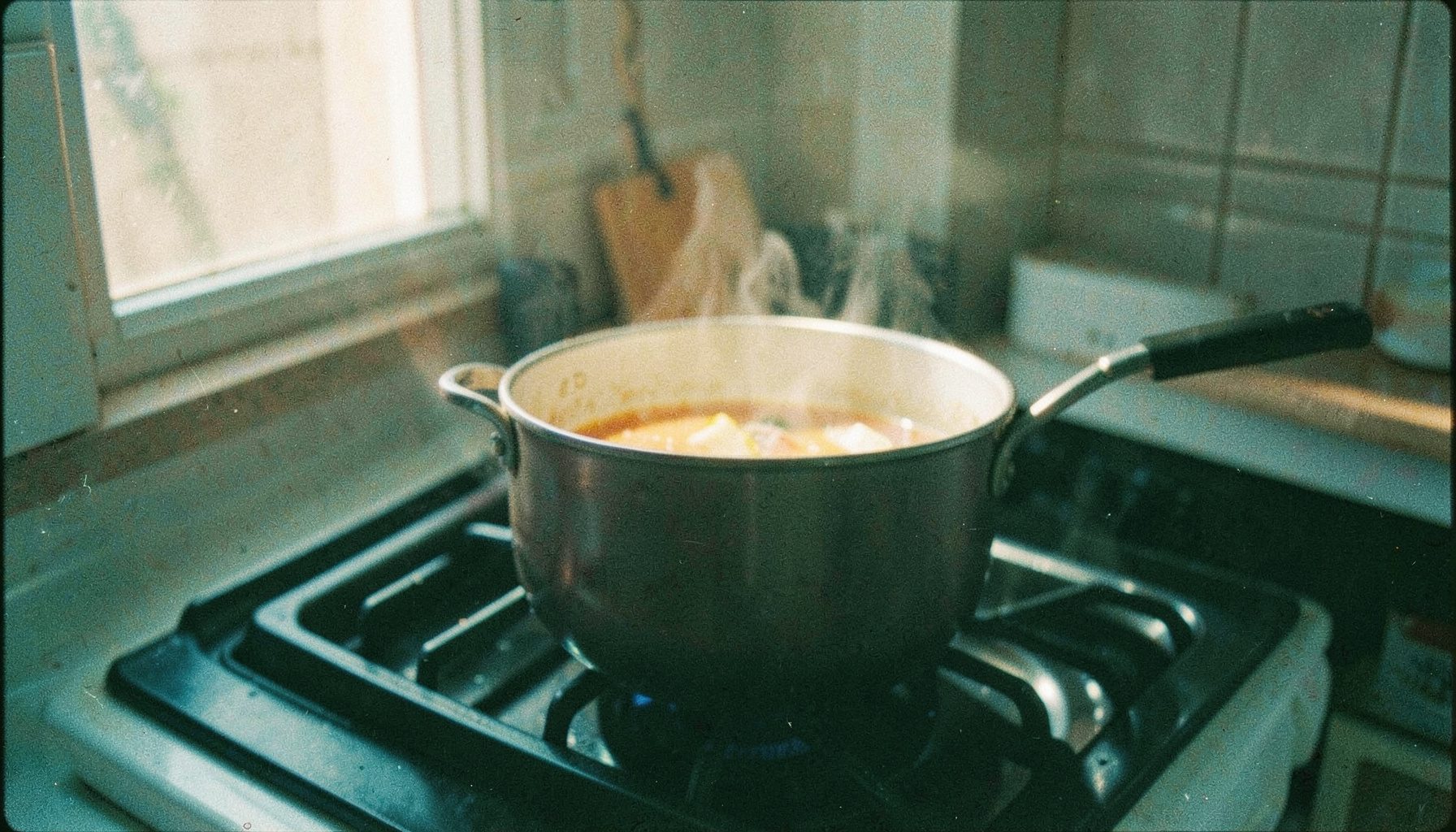 ▶
▶
Surf and Turf in a Soup
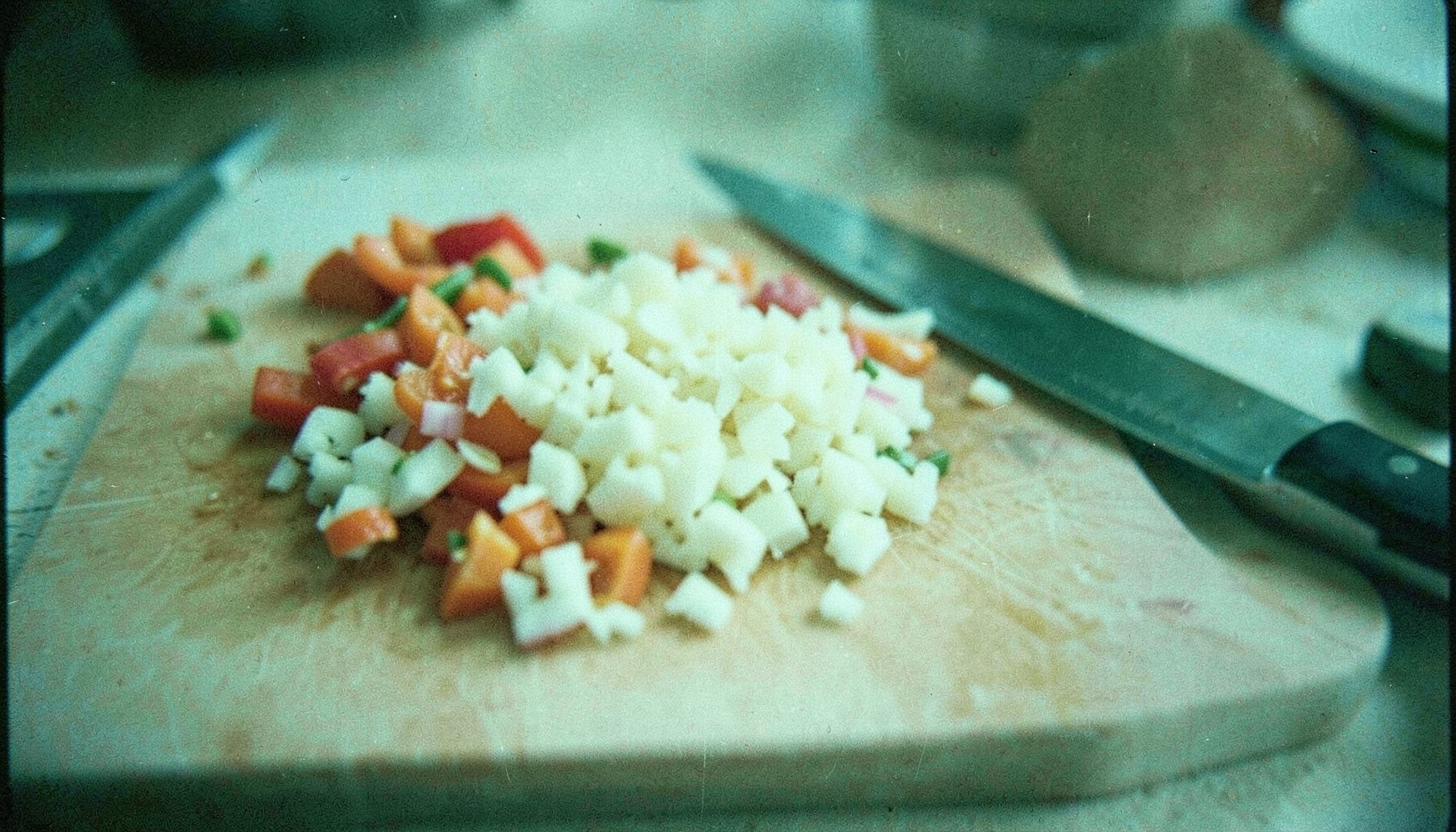 ▶
▶
Clarifying Clarified Butter
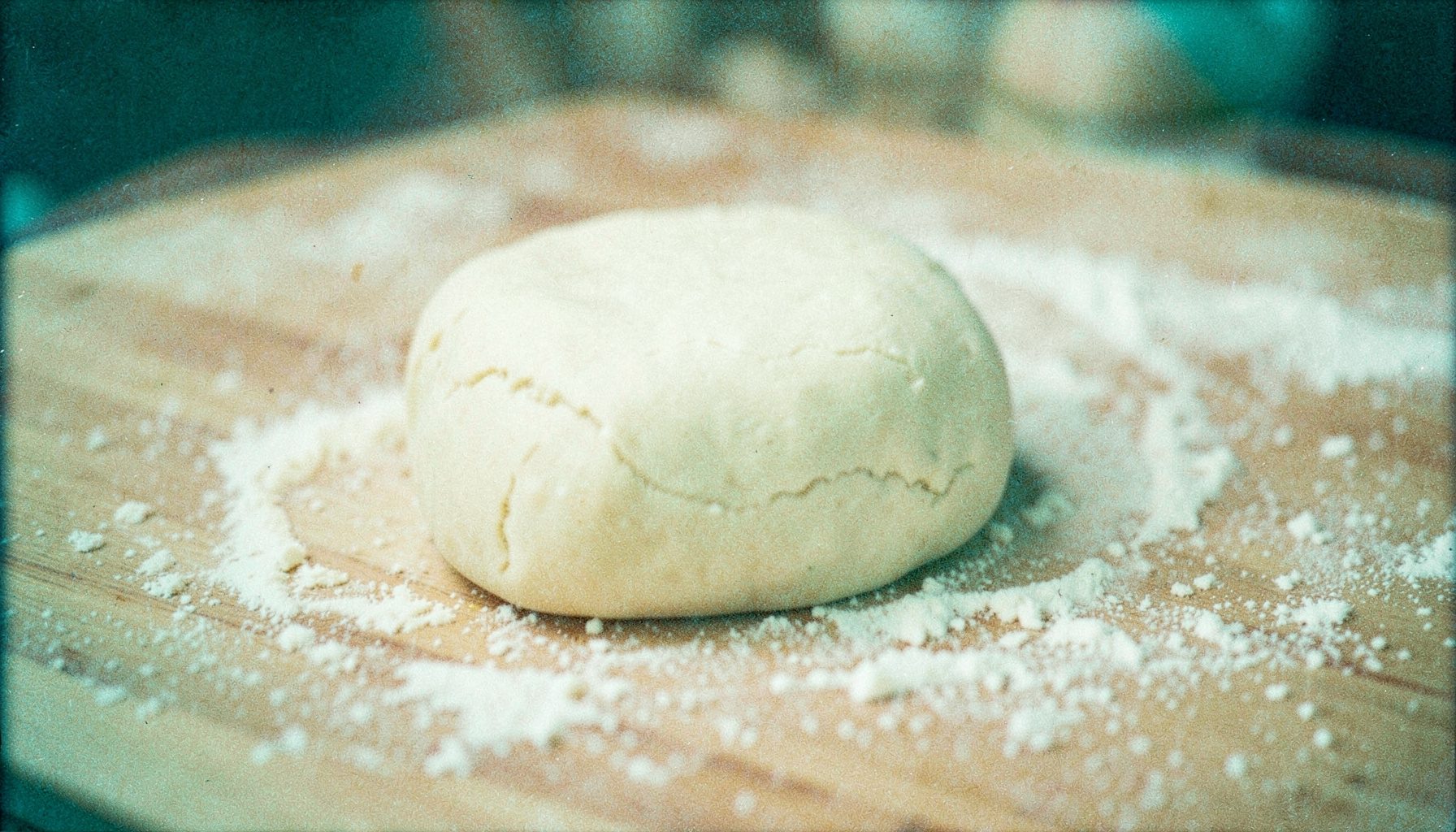 ▶
▶
Blueberry Dumplings
How to roast vegetables so they're truly delicious
There's a particular disappointment that comes from pulling a tray of vegetables out of the oven only to find them pale, soggy, and stubbornly lacking in flavour. Most home cooks have been there at some point, blaming themselves for an underbaked potato or a flabby wedge of pumpkin. The good news is that the problem is rarely the cook. It's almost always about heat, space, and patience.
Roasting is one of the most forgiving techniques once you understand what it actually asks of you. It transforms humble carrots, sweet potatoes, and zucchini into deeply caramelised, golden-edged bites that disappear before they hit the table. The transformation happens in the gap between a steaming-hot oven and a sheet pan that's been given room to do its job.
In Australia, where farmers' stalls at Queen Victoria Market, Adelaide Central Market, and Paddy's Markets brim with peak-season produce almost year-round, the opportunity to roast well sits right at your doorstep. Whether you're feeding a family in Sydney before a Saturday arvo cricket match or putting dinner together after a long day in Brisbane's summer humidity, a tray of properly roasted vegetables can carry the whole meal.
Choosing produce that actually roasts well
Not every vegetable wants the same treatment, and picking the right ones is half the battle. Dense, starchy vegetables with lower water content tend to caramelise rather than steam, which is exactly what you want from a hot oven. Softer, water-heavy vegetables need a slightly different approach, but they still belong on the tray with a few small adjustments.
Vegetables that respond best to high-heat roasting include:
- Kent, butternut, or jap pumpkin
- Kumara (sweet potato), carrots, and parsnips
- Cauliflower and broccoli florets
- Beetroot, turnips, and swede
- Whole unpeeled garlic cloves
Softer vegetables like zucchini, capsicum, and eggplant contain more moisture and benefit from higher heat and more space on the tray so the moisture can escape. When you're shopping at your local market, look for vegetables that feel heavy for their size, with taut, unblemished skin. Overripe or bruised produce collapses in the oven and turns mushy before it can crisp.
Cutting for crust and caramelisation
The cut matters more than most people realise. If you cut a carrot into thin coins, it'll burn before it softens. If you cut a pumpkin into enormous chunks, the outsides will blacken while the middles stay raw. The sweet spot is roughly two to three centimetres, with pieces kept as uniform as possible so they finish at the same moment.
Larger vegetables like cauliflower or broccoli should be broken into florets that are roughly the same size as the rest of your pieces. Whole cloves of garlic can go in unpeeled if you want something mellow and sweet to squeeze out later. Halved cherry truss tomatoes are wonderful scattered across the pan in the last fifteen minutes, collapsing into jammy little bursts that lift everything around them.
A sharp knife makes this job much easier and safer, especially when you're working through a pile of butternut or Kent pumpkin. Spend a few extra minutes on the cutting board, and you'll save yourself an unevenly cooked tray.
The right pan, the right fat
A heavy sheet pan with low sides is your best friend. It allows heat to circulate around the vegetables and lets steam escape instead of condensing back onto the surface. Crowding is the enemy here. If the vegetables are piled on top of each other, they'll steam in their own moisture and you'll be back to sad, pale results. Use two trays if you need to.
A generous drizzle of olive oil is the classic choice, but it's worth thinking beyond it. Australian extra virgin olive oils from growers in McLaren Vale or the Adelaide Hills bring a lovely peppery note, while a splash of avocado oil handles higher temperatures without smoking. Both are easy to find at Coles, Woolworths, or any decent farmers' market.
Toss the vegetables in the fat so every piece has a thin, even coat. Too little oil and they'll stick and dry out. Too much and they'll fry rather than roast. The pieces should glisten without sitting in a puddle. A sprinkle of flaky salt at this stage helps draw out extra moisture and seasons all the way through.
Heat, time, and the all-important flip
A hot oven is non-negotiable. Anything below 200°C will give you slowly dried-out vegetables rather than crisp, caramelised ones. Most recipes call for 220 to 230°C, which is hot enough to brown the edges quickly while cooking the centres through. If your oven runs cool, which is common in older Australian units, turn it up another ten degrees to compensate.
Timing depends entirely on the vegetable and the size of the cut. Smaller pieces might be done in twenty-five minutes, while a tray of chunky root vegetables could take forty-five. The single most useful habit you can build is flipping the vegetables halfway through. Use a metal spatula and turn them confidently, then return the tray to the top rack for the final stretch.
While the tray is in the oven, there's plenty of time to handle an online payment, set the table, or pour yourself something cold. The smell drifting through the kitchen is usually a reliable indicator that things are going well.
Seasoning beyond salt and pepper
Salt and pepper are essential, but they're a starting point rather than the finish. A tray that comes out of the oven tasting only of those two is a tray that's missed a quiet opportunity. Acid, in particular, brightens everything that fat and heat have created.
A squeeze of lemon over the hot vegetables just before serving cuts through the richness and lifts the natural sweetness. A splash of red wine vinegar does something similar, especially with beetroot or roasted carrots. Sumac adds a tangy, lemony edge that's hard to beat, while a drizzle of tahini thinned with lemon juice turns a humble tray into something that feels properly considered.
Fresh herbs should be added at the end. Rosemary, thyme, and bay are hardy enough to go in earlier with the vegetables, but parsley, basil, and dill lose their brightness under high heat. Save them for the moment the tray comes out, scattered loosely over the top so they wilt just slightly from the residual warmth.
Mistakes that ruin the tray
A few common pitfalls catch even careful cooks. Recognising them in advance saves time, ingredients, and a bit of disappointment.
- Crowding the pan so vegetables steam rather than roast
- Skipping the flip halfway through cooking
- Using an oven that isn't actually as hot as it claims
- Under-seasoning, particularly with salt
- Opening the oven door too often to check
Each of these quietly undermines the browning you're chasing. Fix one or two and you'll notice a difference. Fix all of them and you'll never look at a roasted vegetable the same way again. Another easy mistake is adding tomatoes too early; their high water content releases moisture that can turn the rest of the tray soggy if they've been in from the start.
Serving, storing, and reinventing leftovers
Roasted vegetables are at their peak straight out of the oven, but they're far from one-trick. Pile them onto a plate with grilled meat, fold them through warm pearl couscous, or layer them into a wrap with hummus and pickled onion. A tray of mixed roast vegetables also makes a brilliant base for a grain bowl the next day, especially with a handful of baby spinach and a soft-boiled egg on the side.
Storage is straightforward. Let them cool, then keep them in an airtight container in the fridge for up to four days. Reheat them in a hot oven rather than the microwave if you want to recover some of the original crispness. A few minutes at 220°C is all it takes to bring them back to life.
For longer keeping, roasted vegetables freeze surprisingly well, especially denser roots like carrot, parsnip, and pumpkin. Spread them on a tray to freeze individually first, then transfer to a bag. They'll keep for two to three months and reheat straight from frozen, which is a quietly brilliant thing to have on hand during a busy week.
If you try just one tip from everything above, let it be this: give your vegetables room, give your oven heat, and give yourself permission to season generously. The rest takes care of itself. Once you've cracked the formula, you'll find yourself reaching for the sheet pan on a Sunday afternoon, a Wednesday night, and any chance in between — wondering why you ever thought roasted vegetables were boring.
Meet the cooks
Two friends, two kitchens, one shared notebook.

Jessica
"I write down what worked, what flopped, and what to try next week."

Kathrin
"Recipes should leave room for the fridge and the season."
Get in touch
We read every message.