Easy, Fresh and Colorful Meals
A friendly food journal by Jessica and Kathrin, gathering simple soups, bright vegetables, and quick weeknight fixes for cooks who want to put a good meal on the table without fuss.
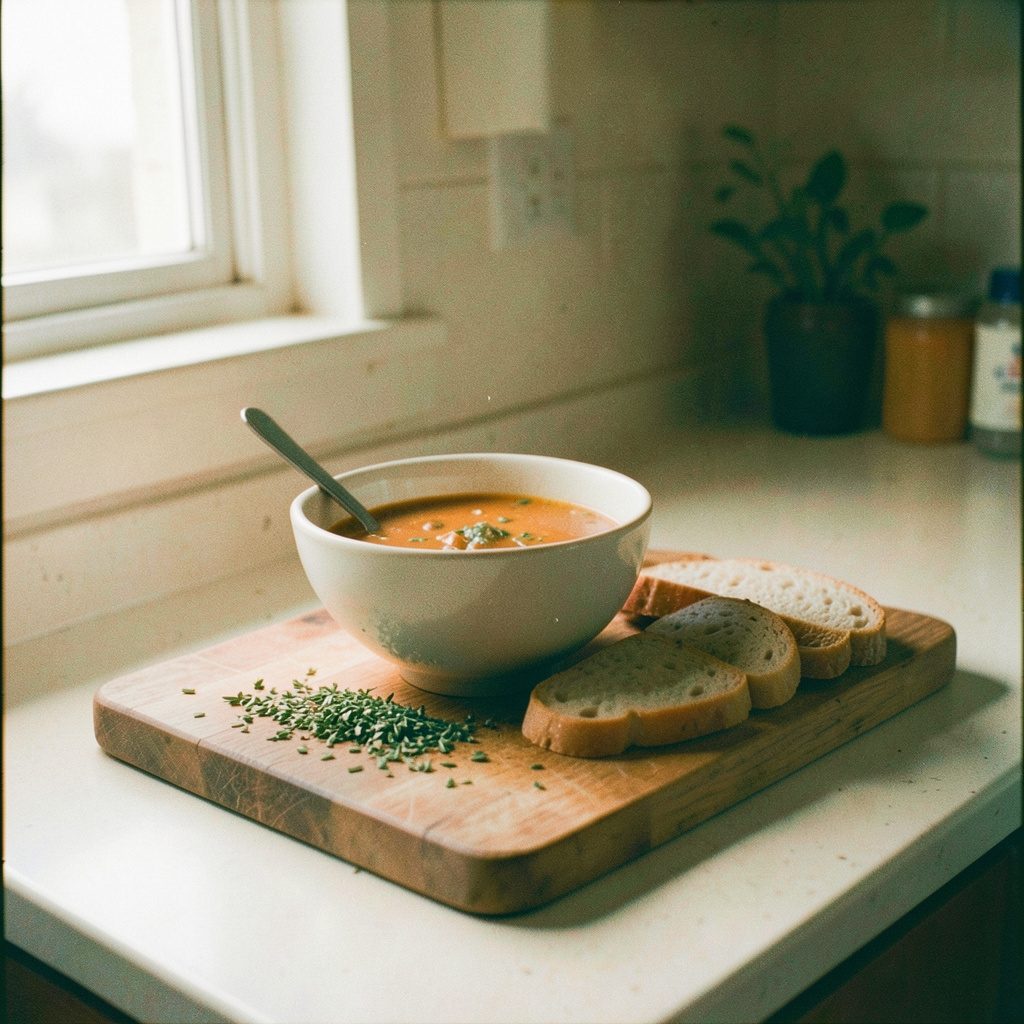
From the kitchen
A few of the meals we've been making lately.
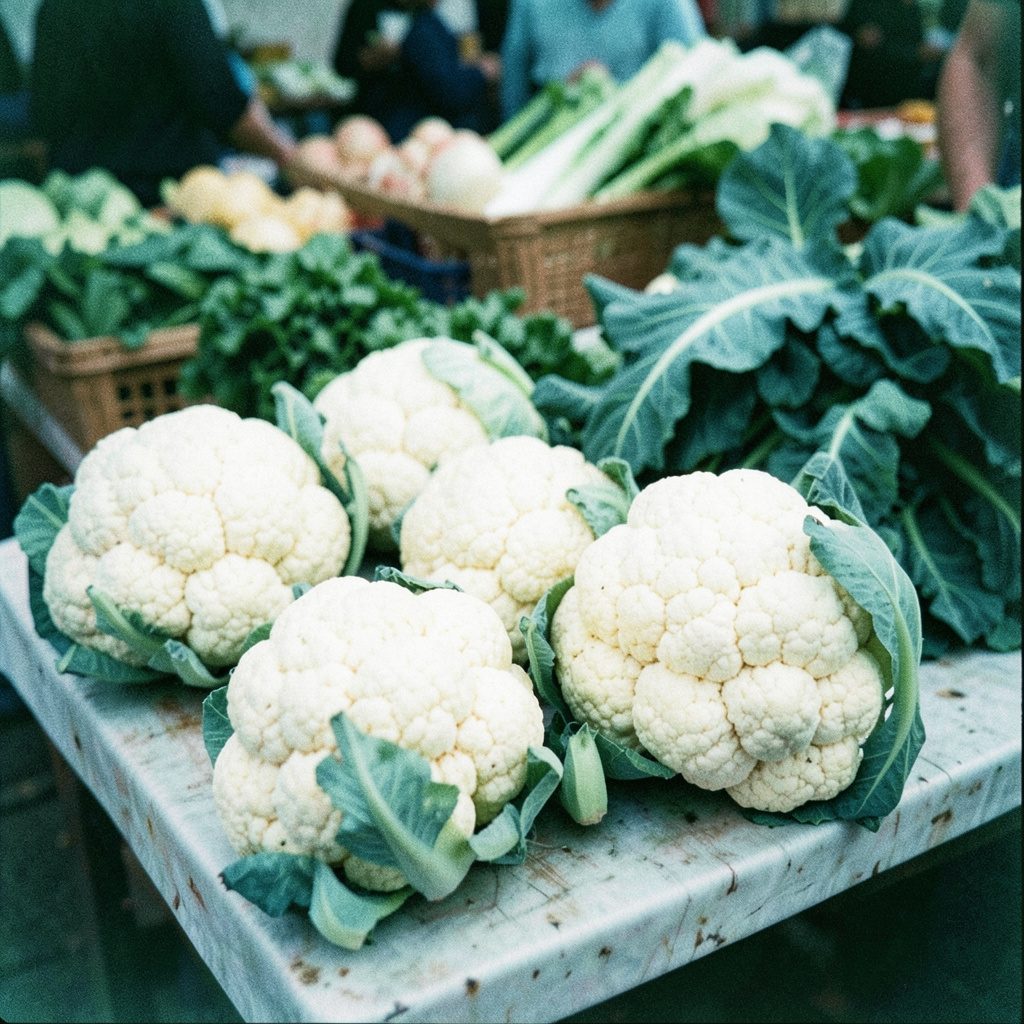
Watch & cook
Short clips from the kitchen.
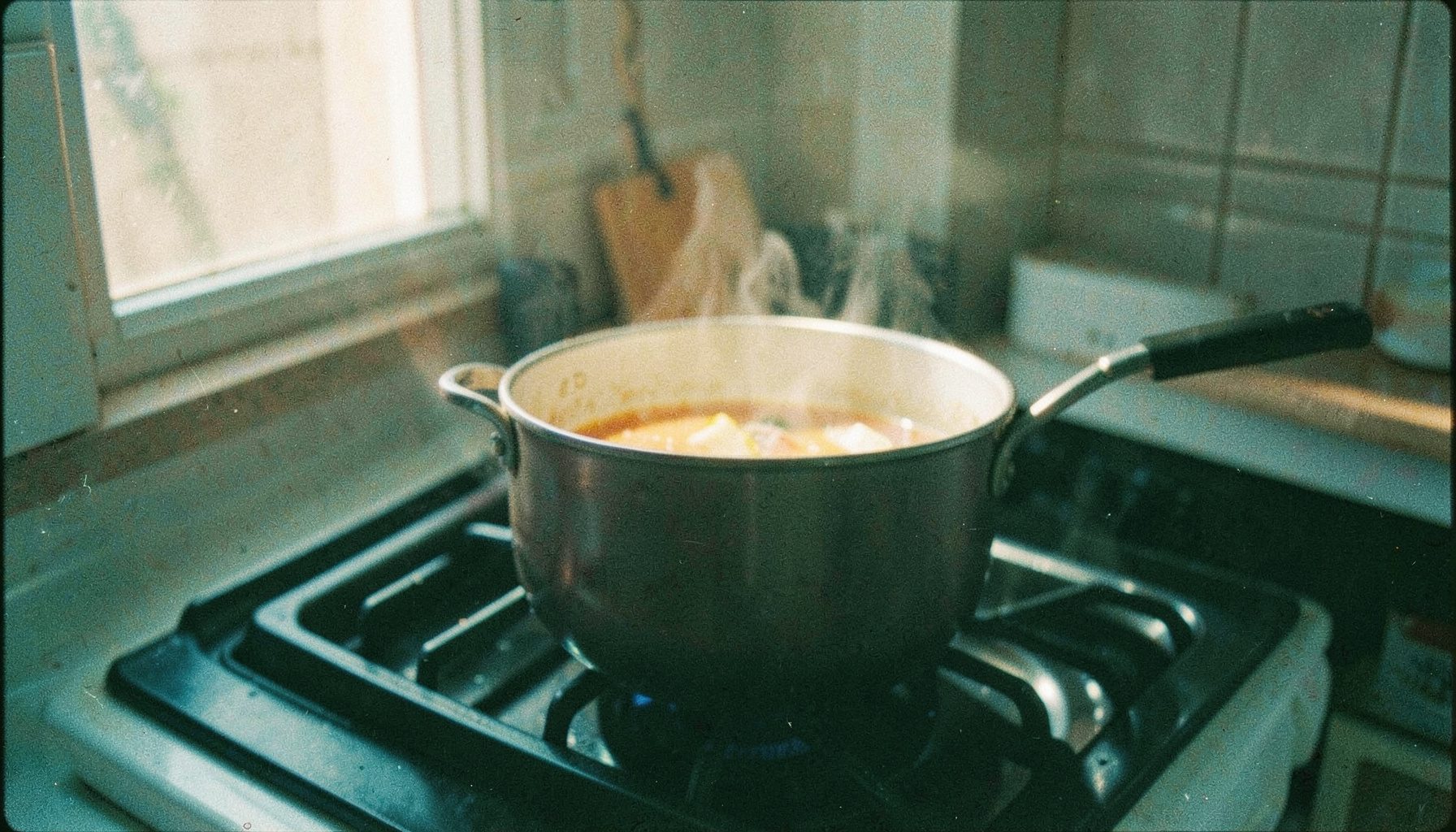 ▶
▶
Surf and Turf in a Soup
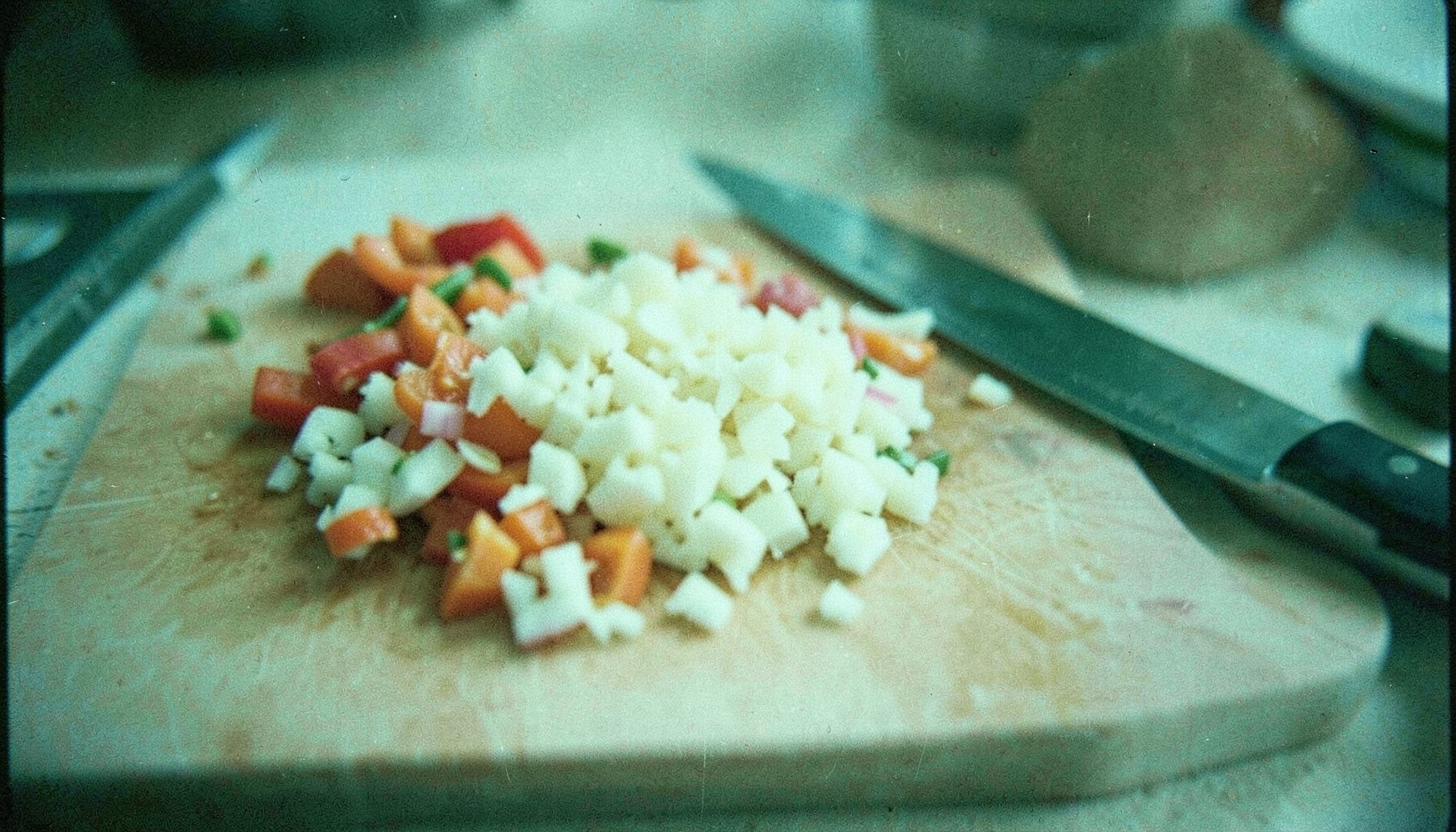 ▶
▶
Clarifying Clarified Butter
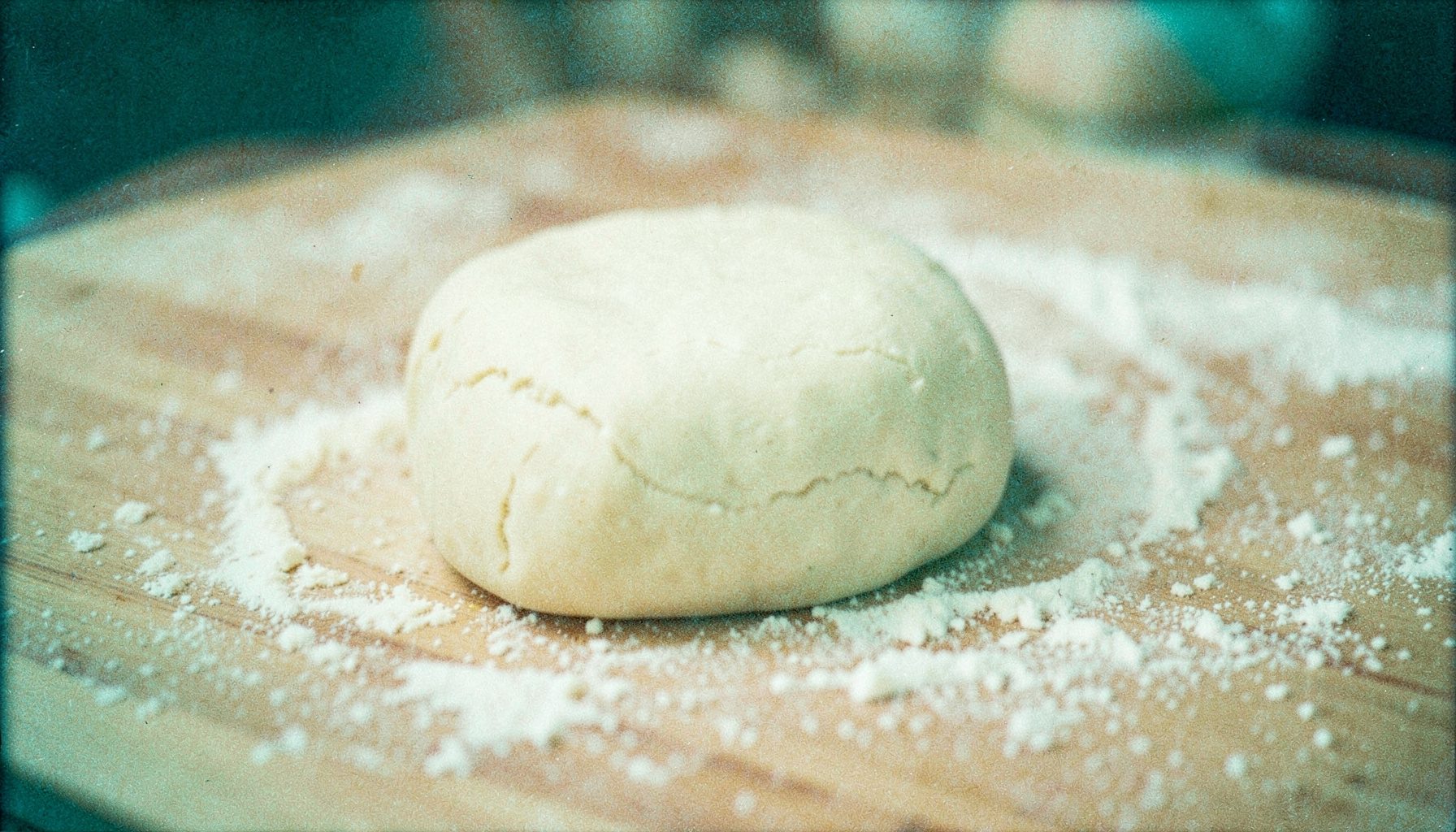 ▶
▶
Blueberry Dumplings
Five-Minute No-Cook Tomato Sauce for Pasta
A bowl of pasta can become dinner in the time it takes to boil the water. This fresh tomato sauce needs no saucepan, no simmering and very little chopping, making it ideal for warm evenings, rushed weeknights or those moments when the fridge looks sparse but the fruit bowl is full.
The flavour comes from ripe tomatoes, good olive oil, garlic, herbs and a little seasoning. Because the ingredients stay raw, the sauce tastes bright and juicy rather than deep and cooked. It is a simple way to make a colourful meal that feels generous without creating a pile of washing-up.
For Australian home cooks, this is especially useful during tomato season, when farmers’ markets in Melbourne, Sydney, Brisbane and Adelaide are filled with fragrant tomatoes at their best. It also suits the relaxed habit of serving pasta with a salad, crusty bread or grilled vegetables for an easy family dinner.
Why This Fresh Sauce Works
A no-cook tomato pasta sauce relies on balance. Tomatoes bring sweetness and acidity, olive oil adds richness, garlic gives savoury depth, and salt helps draw out the tomato juices. When these ingredients sit together for a few minutes, they form a loose dressing that clings to hot pasta.
The texture is part of the appeal. You can leave the tomatoes chunky for a rustic meal or crush them with your hands for a more spoonable sauce. Cherry tomatoes create a particularly sweet result, while large heirloom or truss tomatoes bring plenty of juice and a softer texture.
The sauce is also flexible enough for different diets and pantries. Use gluten-free pasta if needed, swap parmesan for a dairy-free alternative, or add toasted seeds for extra texture. A small amount of chilli makes the flavour livelier without turning the dish into a hot meal.
Ingredients For A Bright Tomato Pasta
Choose tomatoes that smell fresh and yield slightly when pressed. At an Australian greengrocer, farmers’ market or supermarket, look for ripe tomatoes with unbroken skin and plenty of colour. Tomatoes sold on the vine can be aromatic, while smaller cherry varieties are convenient and usually consistent.
For two generous serves, combine:
- 400 g ripe tomatoes, chopped or halved
- 2 tablespoons extra-virgin olive oil
- 1 small garlic clove, finely grated
- 1 tablespoon chopped basil or flat-leaf parsley
- 200 g dried pasta, plus salt for the cooking water
Add black pepper, a pinch of chilli flakes and 1 teaspoon of red wine vinegar or lemon juice if the tomatoes need extra brightness. A tablespoon of finely grated parmesan or crumbled feta can finish the dish, though the sauce is delicious without cheese.
Let the tomato mixture stand while the pasta cooks. This brief resting time allows the salt to draw out liquid and gives the garlic a chance to mellow into the oil. If your tomatoes are already very juicy, reserve less pasta water at first; you can always loosen the sauce later.
The Five-Minute Method
Start by bringing a large saucepan of water to the boil. Salt it generously once boiling, then cook the pasta according to the packet directions until just tender. Spaghetti, linguine, fusilli and orecchiette all work well, although shapes with ridges or curves catch the tomato pieces beautifully.
While the pasta cooks, place the tomatoes in a large serving bowl. Add olive oil, garlic, herbs, pepper and any chilli. Stir gently, then taste a small piece of tomato. Add salt gradually, since the pasta water will also season the finished meal.
Drain the pasta, reserving about half a cup of cooking water. Tip the hot pasta into the bowl and toss immediately. The heat softens the tomatoes slightly and helps the olive oil coat the noodles. Add a splash of cooking water if the mixture looks dry, then finish with cheese, extra herbs and a final drizzle of oil.
For a cooler summer dish, allow the pasta to cool for several minutes before tossing it with the sauce. In Perth or Brisbane, where warm evenings can linger, this version works well as a picnic-style meal or a light dinner served at room temperature.
Ways To Build A Complete Meal
This sauce is satisfying on its own, but a few simple additions can turn it into a more substantial dinner. White beans, chickpeas or flaked tinned tuna add protein without requiring much preparation. Shredded roast chicken can also be stirred through if you have leftovers from another meal.
For a vegetable-rich bowl, add baby spinach, rocket, sliced capsicum, grated zucchini or steamed green beans. The residual heat from the pasta will soften delicate leaves and warm thinly sliced vegetables. Toasted breadcrumbs provide a crisp contrast and make the meal feel more substantial without adding much cost.
A few combinations work particularly well:
- Cherry tomatoes, basil, mozzarella and balsamic vinegar
- Large tomatoes, parsley, olives and crumbled feta
- Tomatoes, chilli, capers and toasted breadcrumbs
- Tomatoes, rocket, white beans and lemon zest
- Tomatoes, tuna, parsley and grated parmesan
Shop seasonally when possible. A visit to a weekend market can yield ripe tomatoes, herbs and salad leaves at the same time, while supermarket shoppers can keep pasta and olive oil in the cupboard for a reliable fallback meal. Buying Australian-grown produce when available also supports local growers and reduces the need to rely on imported ingredients.
Adjustments For Texture And Flavour
If the sauce tastes flat, it usually needs salt, acid or both. Add a pinch of salt first and wait a moment before tasting again. A few drops of lemon juice or vinegar can sharpen very sweet tomatoes, while a little extra olive oil rounds out an overly acidic mixture.
For a smoother result, pulse the tomatoes with the oil, garlic and herbs in a food processor for a few seconds. An immersion blender will also work, though stop before the sauce becomes completely liquid. A little texture keeps the dish lively and helps it cling to pasta.
Garlic becomes stronger as it sits, so use half a clove if you are preparing the sauce ahead. Basil should be torn rather than finely chopped when possible, as bruising it too aggressively can darken the leaves. If fresh herbs are unavailable, use a small pinch of dried oregano, added early so it can soften in the oil.
The sauce can be adapted around what is already at home, but it is worth understanding common cooking problems before changing several ingredients at once. A watery sauce, bland tomato or bitter garlic each has a simple fix, and small adjustments are usually better than adding lots of extra seasoning.
Serving, Storing And Food Safety
Serve the pasta straight away in warmed bowls, with parmesan, herbs and cracked pepper at the table. A green salad with a sharp dressing balances the sweetness of the tomatoes, while garlic bread is useful for catching the remaining juices. For children, leave out chilli and offer it separately for adults.
Raw tomato sauce is best eaten soon after preparation because its flavour and texture are freshest on the day. If you need to hold it, cover it and refrigerate it promptly. Cooked pasta should also be chilled quickly in a shallow container rather than left in a warm kitchen for hours.
Australian food-safety guidance commonly uses the two-hour and four-hour rule for potentially hazardous food: food out for less than two hours can generally be refrigerated, food out for two to four hours should be eaten promptly, and food left out for more than four hours should be discarded. Although tomatoes are not the same risk as meat or dairy, pasta can support bacterial growth when handled or stored poorly, so follow Food Standards Australia New Zealand advice and keep leftovers cold.
Use a clean serving bowl, fresh utensils and a refrigerator set at 5°C or below. Reheat leftover pasta until steaming hot, adding a spoonful of water to loosen it. For the best result, store the tomato mixture separately from the pasta when possible, then combine them just before eating.
Make this five-minute tomato sauce part of your regular weeknight rhythm: keep pasta, olive oil and garlic on hand, then let the season decide the rest. Pick up the ripest tomatoes you can find, toss everything together while the pasta cooks and bring a fresh, colourful dinner to the table tonight.
Meet the cooks
Two friends, two kitchens, one shared notebook.

Jessica
"I write down what worked, what flopped, and what to try next week."

Kathrin
"Recipes should leave room for the fridge and the season."
Get in touch
We read every message.