Easy, Fresh and Colorful Meals
A friendly food journal by Jessica and Kathrin, gathering simple soups, bright vegetables, and quick weeknight fixes for cooks who want to put a good meal on the table without fuss.
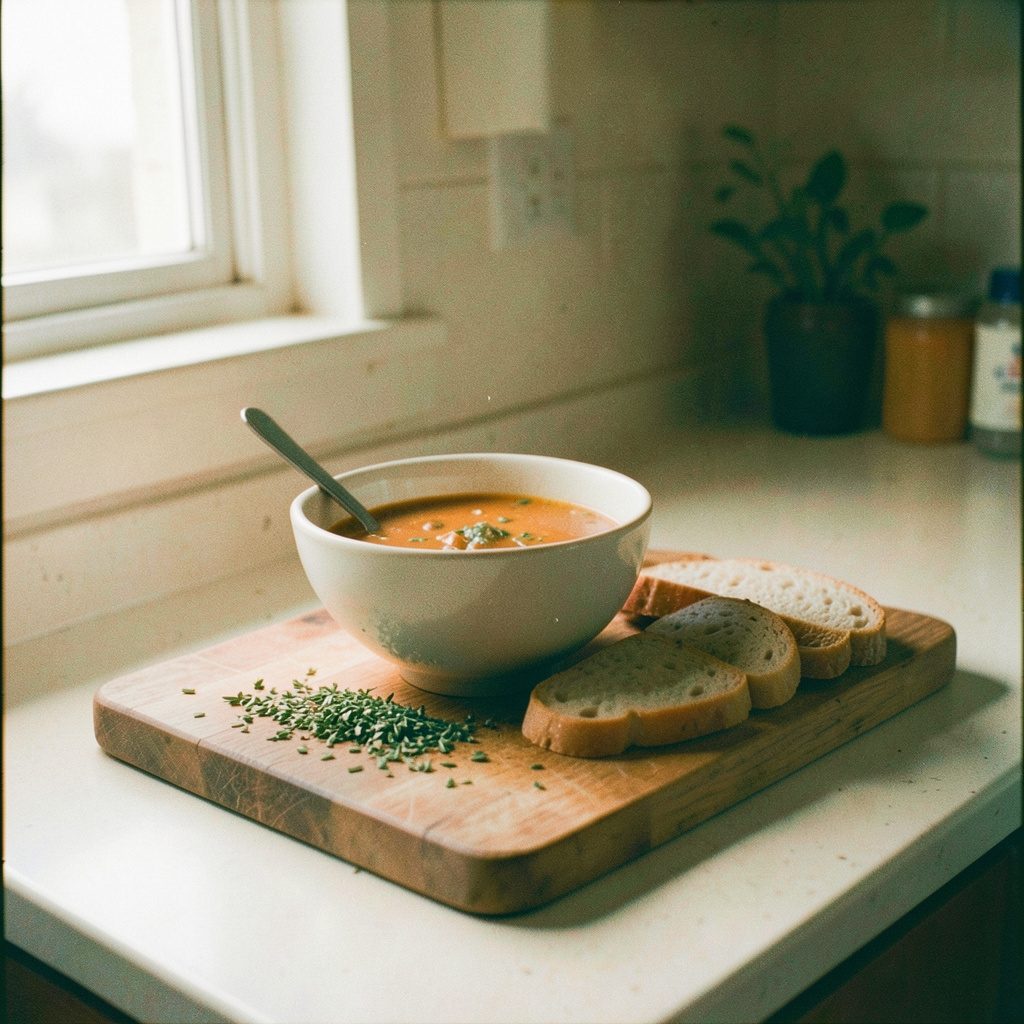
From the kitchen
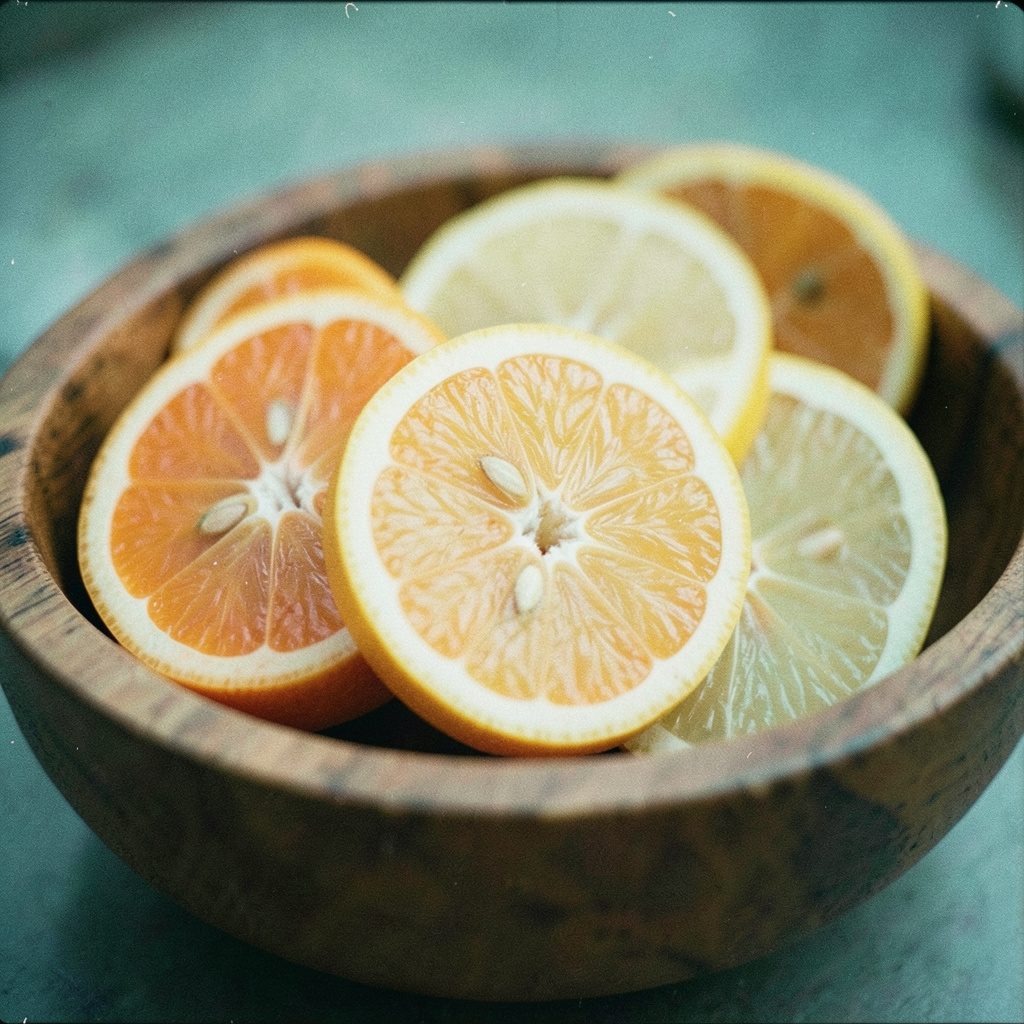
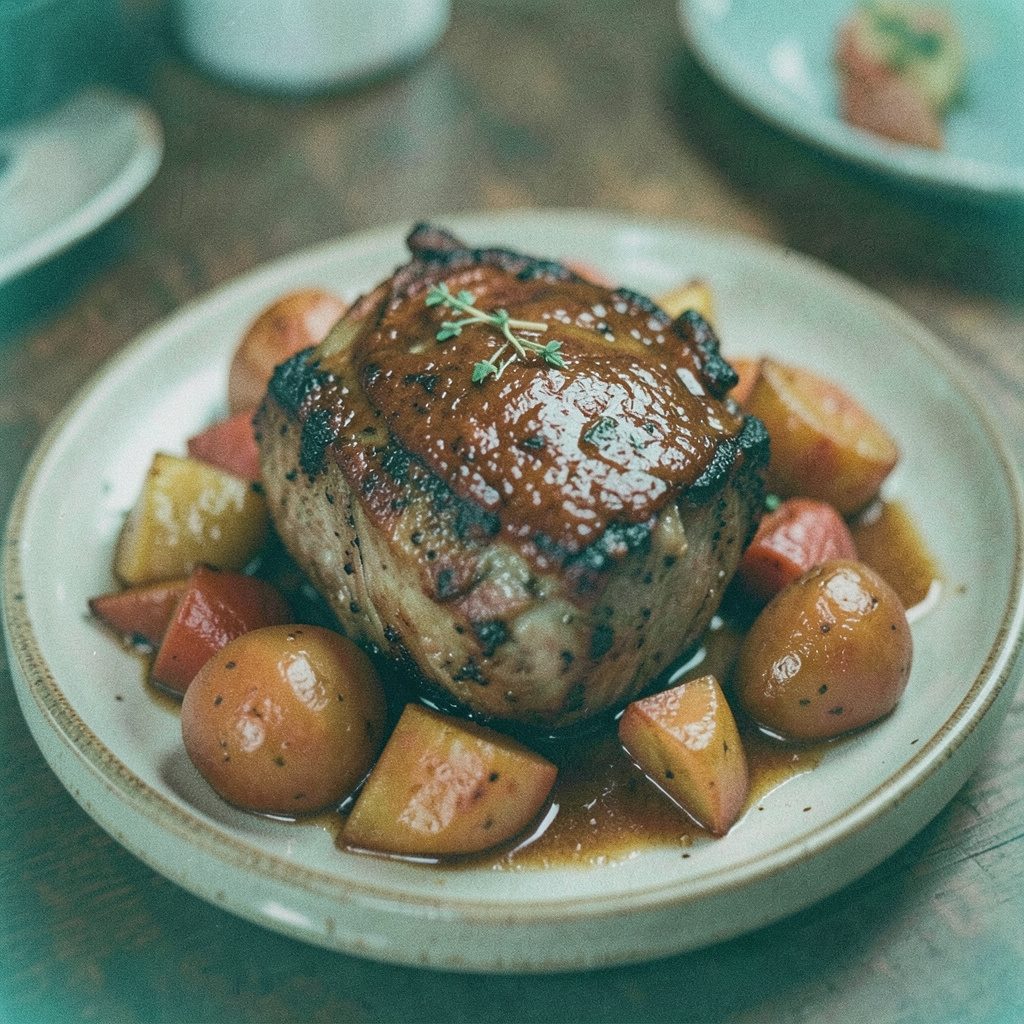
A few of the meals we've been making lately.
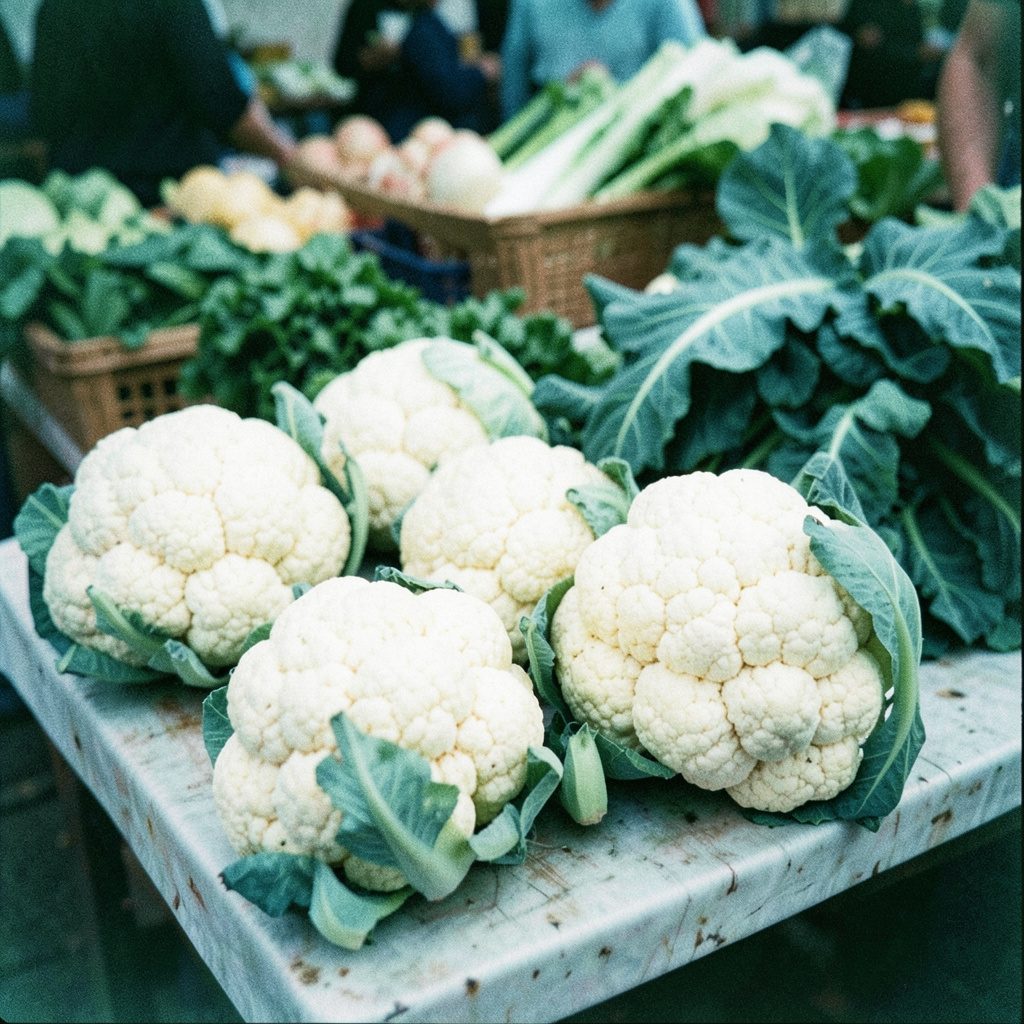
Watch & cook
Short clips from the kitchen.
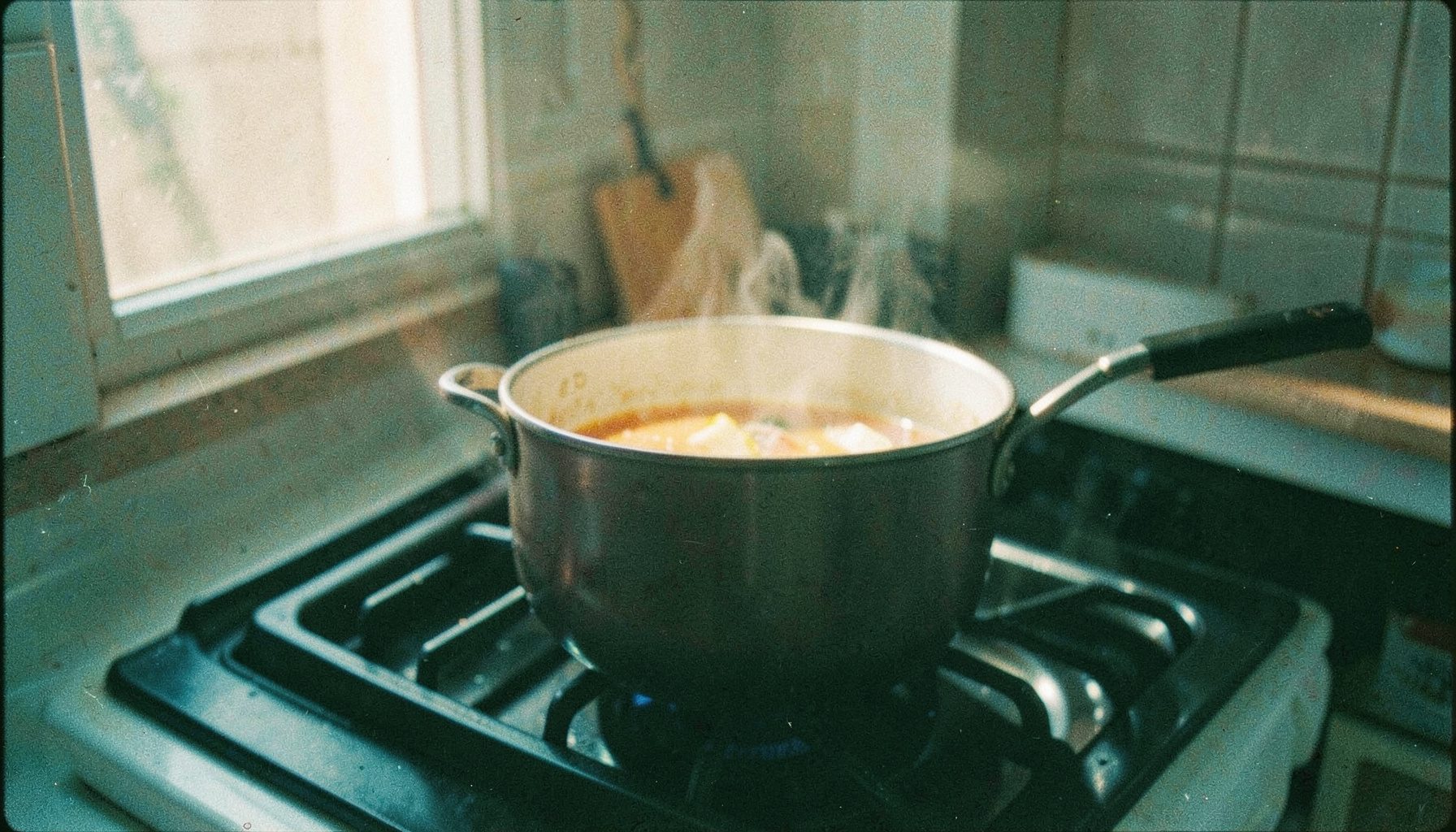 ▶
▶
Surf and Turf in a Soup
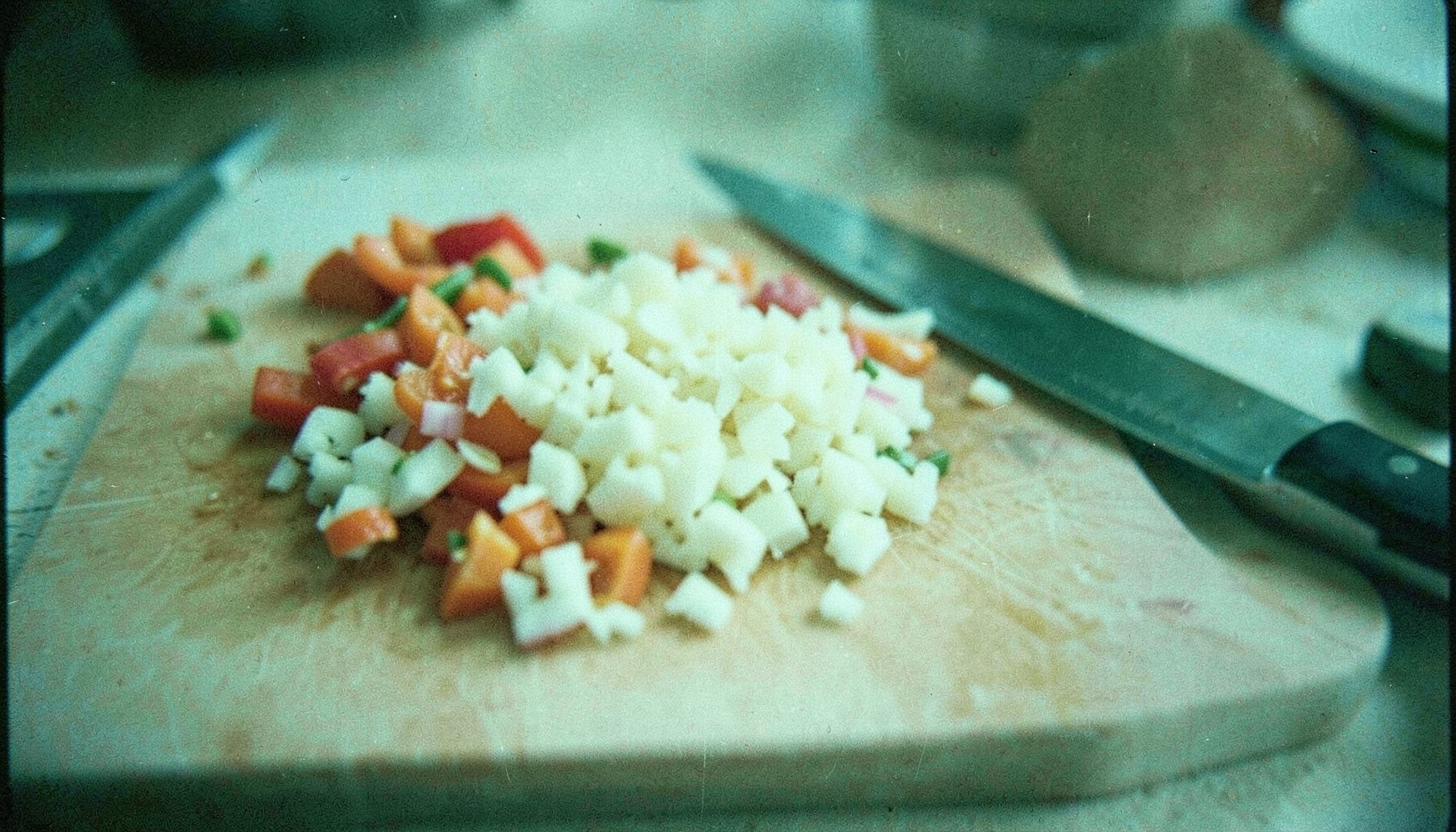 ▶
▶
Clarifying Clarified Butter
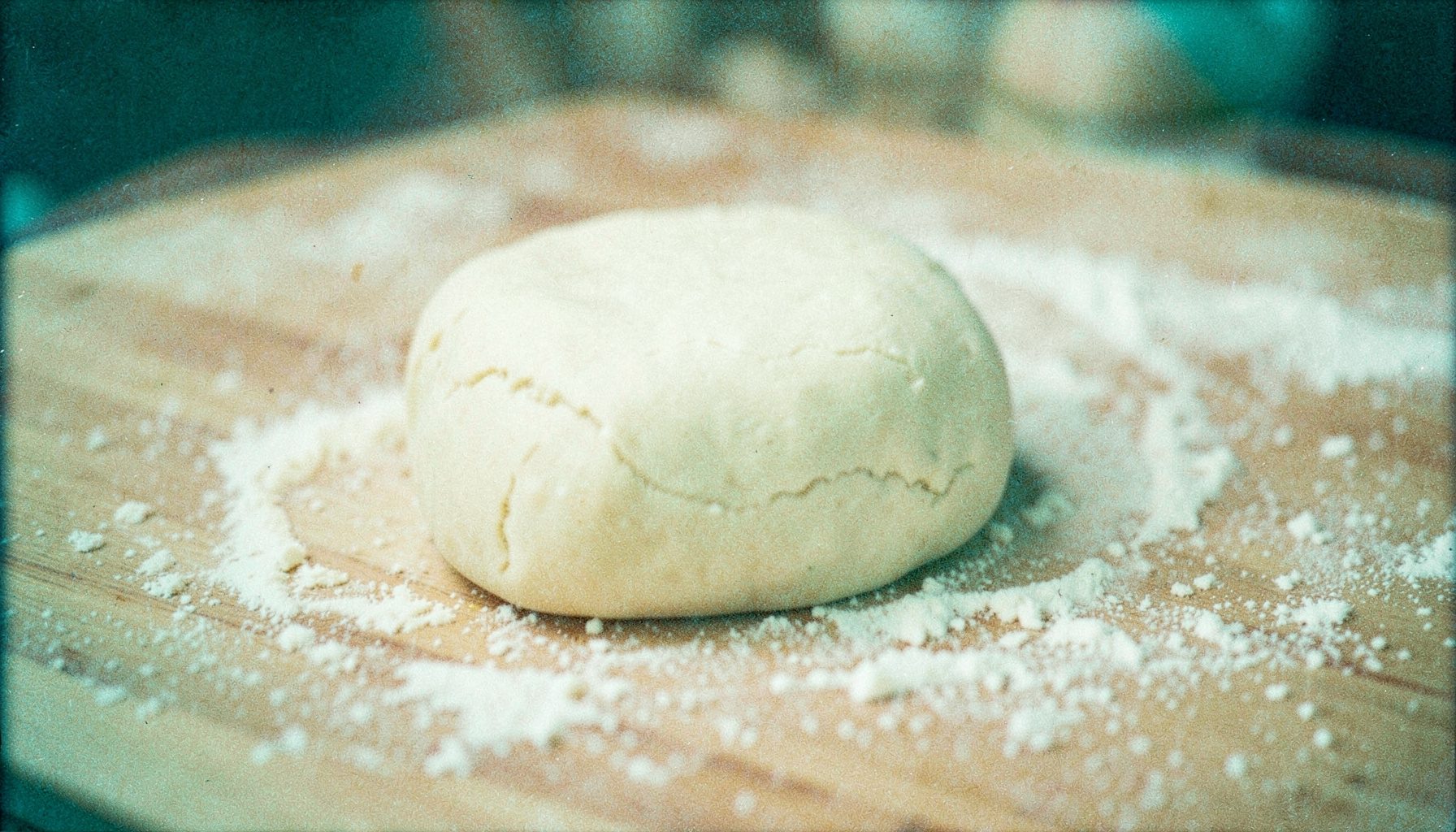 ▶
▶
Blueberry Dumplings
The secret to perfectly fluffy scrambled eggs
Perfectly fluffy scrambled eggs come down to gentle heat, constant attention, and a little restraint. The best curds are soft and tender rather than dry, with enough structure to hold on a fork while still looking glossy on the plate.
Eggs are an ideal Australian breakfast because they suit almost any routine. They can be folded into toast on a busy weekday, served with grilled tomatoes after a Saturday market visit, or turned into a light dinner with greens and sourdough. With a few small adjustments, an everyday pantry staple becomes a restaurant-quality meal at home.
The technique is simple, but timing matters. From choosing fresh eggs to taking the pan off the burner before the curds look fully set, each step protects the delicate texture that makes scrambled eggs so satisfying.
Choose the right ingredients
Fresh eggs make a noticeable difference. Their whites are thicker, their yolks hold together better, and the finished scramble has a richer flavour. Look for eggs with a clear use-by date and keep them refrigerated, particularly during hot Australian summers in cities such as Brisbane, Perth, and Darwin.
Free-range eggs are widely available at Australian supermarkets and farmers’ markets, while smaller producers often sell distinctive varieties at weekend stalls in Melbourne, Sydney, and Adelaide. The shell colour does not determine quality; freshness, good storage, and the condition of the egg matter more.
For two generous servings, use four large eggs, a small pinch of salt, and one tablespoon of butter. A teaspoon of cream, milk, or water is optional, but too much liquid can make the curds loose and watery. Butter gives the most rounded flavour, while olive oil works well for a dairy-free version.
If you enjoy bold flavours with breakfast, borrow ideas from Latin-inspired recipes and finish the eggs with coriander, chilli, avocado, or a spoonful of smoky salsa. Keep the egg mixture simple so the creamy texture remains the centre of the dish.
Whisk for a smooth, even curd
Crack the eggs into a bowl rather than directly into the pan. This lets you check for shell fragments and combine the whites and yolks evenly. Whisk with a fork for about 20 seconds, using a circular motion until no clear streaks remain. You do not need to beat in lots of air; excessive whisking creates large bubbles that collapse during cooking.
Seasoning before cooking helps distribute the salt throughout the mixture. A small pinch is enough because accompaniments such as feta, smoked salmon, bacon, or salted toast can add plenty of savoury flavour later. For extra richness, whisk in a teaspoon of cream, but avoid turning the eggs into a thin custard.
A cool egg mixture can go straight into the pan from the refrigerator. There is no need to leave eggs sitting on the bench for a long time, especially in warm weather. Australian food-safety guidance places importance on keeping potentially hazardous foods cold, and chilled storage is a sensible habit for home cooks.
Control the pan and the heat
Use a non-stick frying pan or a well-seasoned skillet with a light coating of butter. Set it over low to medium-low heat, then add the eggs when the butter has melted but has not browned. High heat may cook breakfast quickly, but it produces firm, rubbery curds before you have time to shape them.
Let the eggs sit for a few seconds until a thin layer begins to form around the edges. Then use a flexible spatula to push the mixture from the outside towards the centre. Pause between strokes, allowing uncooked egg to flow into the open spaces. Slow folds create broad, delicate curds rather than tiny dry pieces.
Keep the pan moving across the heat if your cooktop has a hot spot. Gas burners can brown the base quickly, while induction cooktops respond rapidly when the temperature changes. If the eggs begin setting too fast, lift the pan from the burner for 10 to 15 seconds and continue folding off the heat.
The ideal texture is slightly underdone when the pan leaves the stove. Residual heat continues cooking the curds, so waiting until they look completely firm guarantees a drier result. Transfer them immediately to warmed plates, where they will finish setting without losing their softness.
Add flavour without losing softness
Classic scrambled eggs need little more than butter, salt, pepper, and hot toast. Chives, parsley, spring onion, and dill bring freshness, while grated cheddar melts into the curds during the final fold. Add delicate herbs after cooking so their colour and aroma stay bright.
For an easy Australian-style breakfast plate, serve the eggs with grilled sourdough, roasted cherry tomatoes, sautéed spinach, and avocado. A spoonful of lemony yoghurt cuts through the richness, and a sprinkle of dukkah adds crunch. These combinations work for a relaxed brunch in Sydney or a quick meal before a Melbourne commute.
Stir strong ingredients through at the very end. Feta, goat’s cheese, smoked trout, kimchi, and harissa can all be excellent, but they bring salt, moisture, or heat. Fold them in after the eggs have formed soft curds, using only a few gentle strokes.
Avoid adding watery vegetables directly to the raw egg mixture. Mushrooms, tomatoes, and zucchini should be cooked separately until their excess moisture has evaporated. This keeps the scramble creamy instead of soupy and makes it easier to control the final seasoning.
Practical habits for reliable results
Australian kitchens can become very warm in summer, so keep eggs chilled until you are ready to cook and return leftovers to the refrigerator promptly. Cooked egg dishes are best enjoyed fresh. If a brunch spread will sit out, serve smaller portions and replace them rather than leaving one large plate at room temperature.
Food businesses follow the Food Standards Code, and home cooks benefit from the same basic principles: clean hands and utensils, safe refrigeration, and careful separation of raw and ready-to-eat foods. People who are pregnant, elderly, very young, or immunocompromised should take extra care with undercooked egg preparations and choose fully set eggs where appropriate.
Reliable habits for a better scramble
- Use fresh, refrigerated eggs and crack them into a bowl before whisking.
- Cook over low to medium-low heat in a lightly buttered non-stick pan.
- Stir slowly with a spatula, leaving time for soft curds to form.
- Remove the pan while the eggs still look slightly glossy.
- Add cheese, herbs, spices, and vegetables at the end so they do not weigh down the mixture.
- Serve immediately with hot toast or fresh vegetables.
Troubleshooting is straightforward. Watery eggs usually contain too much milk or vegetables, while dry eggs have spent too long over high heat. Tiny, hard pieces often result from constant vigorous stirring. If the flavour seems flat, season the mixture earlier or add a fresh garnish after cooking rather than relying on extra salt.
The method also scales well, though larger batches need a wider pan. Crowding creates steam and slows cooking, so prepare more than six eggs in batches when possible. Wipe out the pan between batches, refresh the butter, and serve each portion while it is still warm and glossy.
Make this technique part of your regular home-cooking rhythm: whisk the eggs, warm the toast, lower the heat, and fold patiently until the curds are just set. Add your favourite seasonal toppings and bring a fresh, colourful breakfast to the table while the eggs are at their softest.
Meet the cooks
Two friends, two kitchens, one shared notebook.

Jessica
"I write down what worked, what flopped, and what to try next week."
Kathrin
"Recipes should leave room for the fridge and the season."
Get in touch
We read every message.