Easy, Fresh and Colorful Meals
A friendly food journal by Jessica and Kathrin, gathering simple soups, bright vegetables, and quick weeknight fixes for cooks who want to put a good meal on the table without fuss.
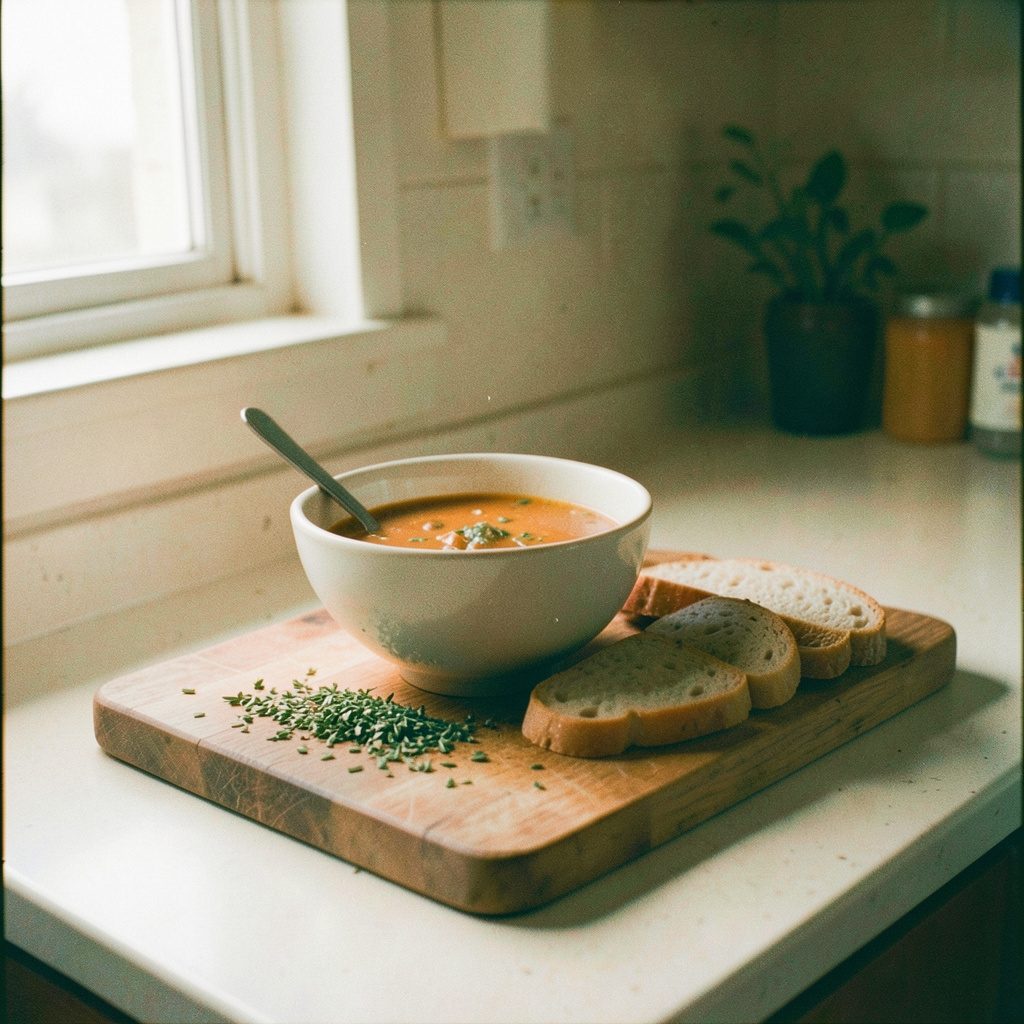
From the kitchen
A few of the meals we've been making lately.


Watch & cook
Short clips from the kitchen.
 ▶
▶
Surf and Turf in a Soup
 ▶
▶
Clarifying Clarified Butter
 ▶
▶
Blueberry Dumplings
Kathrin’s Favorite Coconut Curry with Chickpeas and Kale
This creamy coconut curry brings together pantry staples, sturdy greens, and warm spices in a meal that feels generous without being complicated. Chickpeas provide a satisfying texture, kale adds colour and freshness, and coconut milk rounds everything out with a mellow richness.
It is well suited to Australian home cooking: quick enough for a busy Melbourne evening, comforting on a cool Hobart night, and flexible enough to use whatever vegetables look best at the local market. Serve it with rice, flatbread, or a spoonful of yoghurt for an easy dinner with plenty of flavour.
A Weeknight Curry With Character
The foundation is a fragrant base of onion, garlic, ginger, and curry spices. Cooking these ingredients gently before adding the liquid gives the dish depth, while tomato contributes a subtle acidity that keeps the coconut milk from tasting too heavy.
Kale works especially well here because it holds its shape better than delicate greens. The leaves soften into the sauce while the thinner pieces become tender and silky. Chickpeas soak up the curry’s flavour, making each mouthful hearty without the need for meat.
The recipe is naturally vegetarian and can be made vegan by choosing a plant-based yoghurt or leaving the yoghurt garnish off altogether. It also has enough protein and fibre to stand alone as dinner, rather than feeling like a side dish.
What You Need
For four generous servings, start with two tablespoons of neutral oil, one finely diced brown onion, three crushed garlic cloves, and a thumb-sized piece of grated ginger. Add two tablespoons of mild curry powder, one teaspoon of ground cumin, half a teaspoon of ground turmeric, and a pinch of chilli flakes if you enjoy heat.
You will also need one 400-gram tin of diced tomatoes, one 400-millilitre tin of full-fat coconut milk, two drained and rinsed 400-gram tins of chickpeas, and about 150 grams of chopped kale. Use the leaves and tender stems, removing only the thickest parts.
Season with salt and black pepper, then finish with the juice of half a lime or lemon. Fresh coriander, toasted cashews, sliced spring onion, or natural yoghurt are optional toppings. If buying kale at a farmers’ market in Brisbane or Adelaide, choose firm, deeply coloured leaves without limp edges.
Build the Flavour
Warm the oil in a large, deep frying pan or Dutch oven over medium heat. Add the onion with a pinch of salt and cook for six to eight minutes, stirring occasionally, until soft and lightly golden. This gentle cooking creates sweetness and gives the spices a better base.
Add the garlic and ginger and cook for one minute, then stir in the curry powder, cumin, turmeric, and chilli. Keep the heat moderate so the spices become fragrant without catching. If the pan looks dry, add a splash of water rather than extra oil.
Pour in the tomatoes and scrape the bottom of the pan to release any browned spices. Let the mixture bubble for two or three minutes before adding the coconut milk. This brief reduction helps concentrate the tomato flavour and prevents the finished curry from tasting flat.
Useful Swaps for Australian Kitchens
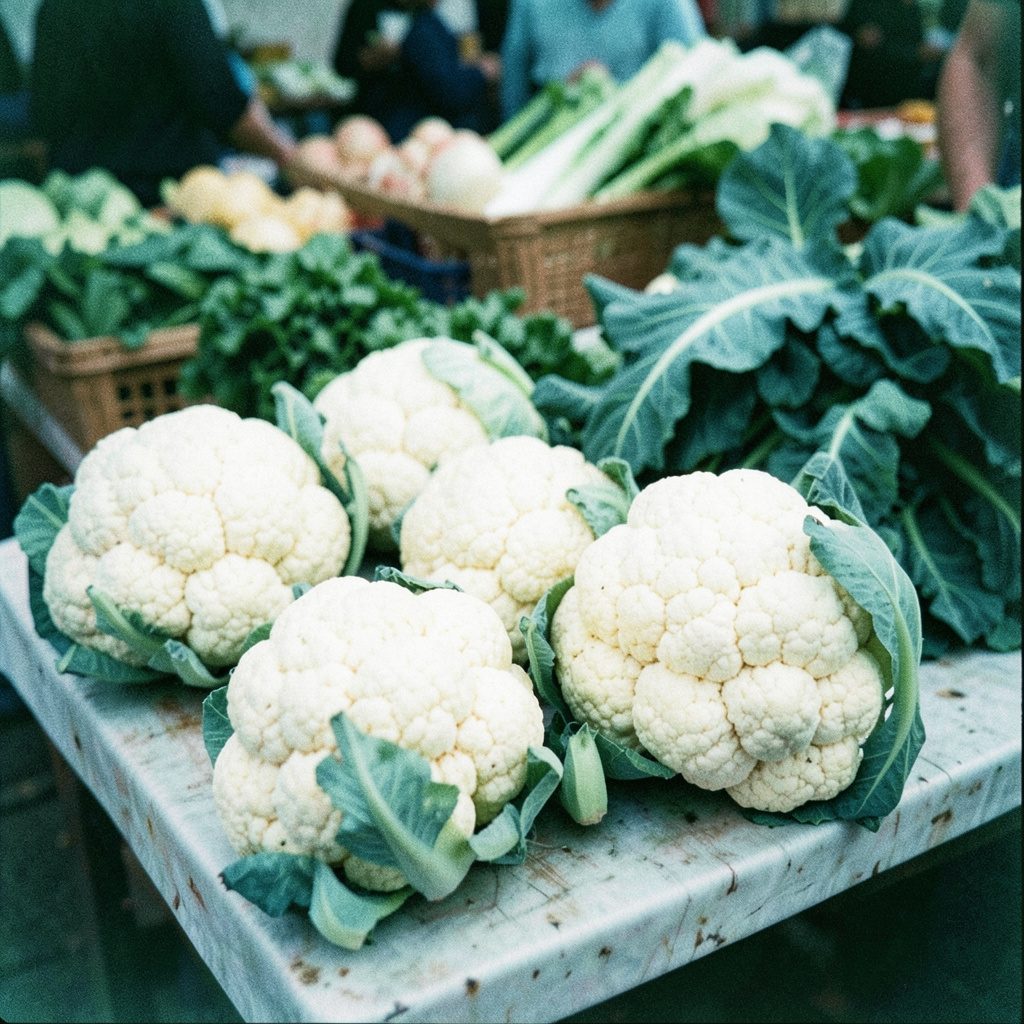
The recipe is forgiving, which makes it practical when supermarket shelves or market stalls offer something unexpected. Silverbeet can replace kale, while pumpkin, sweet potato, green beans, or cauliflower can join the chickpeas. Add harder vegetables earlier so they have time to become tender.
Choose coconut milk rather than coconut cream for a balanced sauce. Coconut cream will make the curry thicker and richer, but it may need extra stock or water. Light coconut milk also works, although the result will be less luxurious and may benefit from a spoonful of yoghurt at serving.
| Ingredient | Original choice | Easy alternative | Cooking note |
|---|---|---|---|
| Greens | Kale | Silverbeet or baby spinach | Add spinach right at the end |
| Legumes | Chickpeas | Brown lentils or cannellini beans | Adjust liquid for softer legumes |
| Coconut base | Full-fat coconut milk | Light coconut milk or coconut cream | Balance thickness with water or stock |
| Acid | Lime juice | Lemon juice or apple cider vinegar | Add gradually at the end |
| Heat | Chilli flakes | Fresh chilli or mild paprika | Leave out for a family-friendly curry |
For Australian households, pantry substitutions are particularly useful when cooking around seasonal prices. Kale is often plentiful in cooler months, while spinach can be a better-value choice during warmer weather. A visit to a suburban greengrocer or weekend produce market may also reveal fresh curry leaves, coriander, or locally grown chillies.
Simmer Until Tender
Once the coconut milk has been stirred through, add the chickpeas and bring the curry to a gentle simmer. Cook uncovered for 12 to 15 minutes, stirring now and then. The sauce should thicken enough to coat a spoon while remaining loose enough to spoon over rice.
Fold in the kale during the final five minutes. If the leaves are particularly sturdy, cover the pan for two minutes to help them steam, then remove the lid and continue cooking. Taste before serving and adjust with salt, pepper, extra lime, or a small pinch of sugar if the tomatoes are sharp.
Avoid boiling the curry aggressively, as high heat can make coconut milk split and create an oily appearance. A quiet simmer produces a smoother sauce and gives the chickpeas time to absorb the aromatics.
Make It Fit Your Kitchen
Serve the curry with steamed basmati rice for a classic combination, or use brown rice when you want a nuttier texture and extra chew. Naan, roti, or warm damper are excellent for scooping up the sauce. For a lighter plate, spoon it over cauliflower rice or serve it alongside a crisp cucumber salad.
A little contrast makes the meal especially appealing. Add toasted cashews for crunch, coriander for freshness, and a dollop of yoghurt for coolness. Sliced cucumber, quick-pickled onion, or mango chutney can bring brightness to a rich bowl.
A few practical adjustments can make this dish more useful throughout the week:
- Add diced pumpkin or sweet potato with the tomatoes for extra bulk and natural sweetness.
- Stir through frozen peas during the final three minutes for colour and convenience.
- Use a mild curry powder for children, then offer fresh chilli at the table.
- Add shredded roast chicken to individual portions if a mixed-diet household needs extra protein.
- Double the sauce and freeze half before adding the kale for a faster future dinner.
Store and Reheat Safely
Leftover curry generally tastes even better the next day, once the spices have had time to settle. Cool it promptly in shallow containers, cover it, and refrigerate it rather than leaving a full saucepan on the bench. Under the Food Standards Australia New Zealand two-hour/four-hour guideline, food left between 5°C and 60°C for less than two hours can be refrigerated, while food held there for more than four hours should be discarded.
Reheat only the portion you need until it is steaming hot throughout. On the stovetop, use a splash of water and medium-low heat; in the microwave, cover the bowl loosely and stir halfway through. Kale can soften further after reheating, so add a small handful of fresh greens if you want a brighter texture.
The curry keeps well in the refrigerator for up to three days when handled properly. For freezing, leave out fresh toppings and cool the curry fully before packing it into airtight containers. Thaw it in the refrigerator, then reheat gently and finish with fresh lime juice.
This coconut curry is ready to become a regular in your dinner rotation: gather a few pantry staples, add the greens available near you, and let the fragrant sauce do the work. Cook a pot for tonight, save a portion for tomorrow’s lunch, and bring your own colourful, nourishing version of Kathrin’s favourite to the table.
Meet the cooks
Two friends, two kitchens, one shared notebook.

Jessica
"I write down what worked, what flopped, and what to try next week."

Kathrin
"Recipes should leave room for the fridge and the season."
Get in touch
We read every message.