Easy, Fresh and Colorful Meals
A friendly food journal by Jessica and Kathrin, gathering simple soups, bright vegetables, and quick weeknight fixes for cooks who want to put a good meal on the table without fuss.
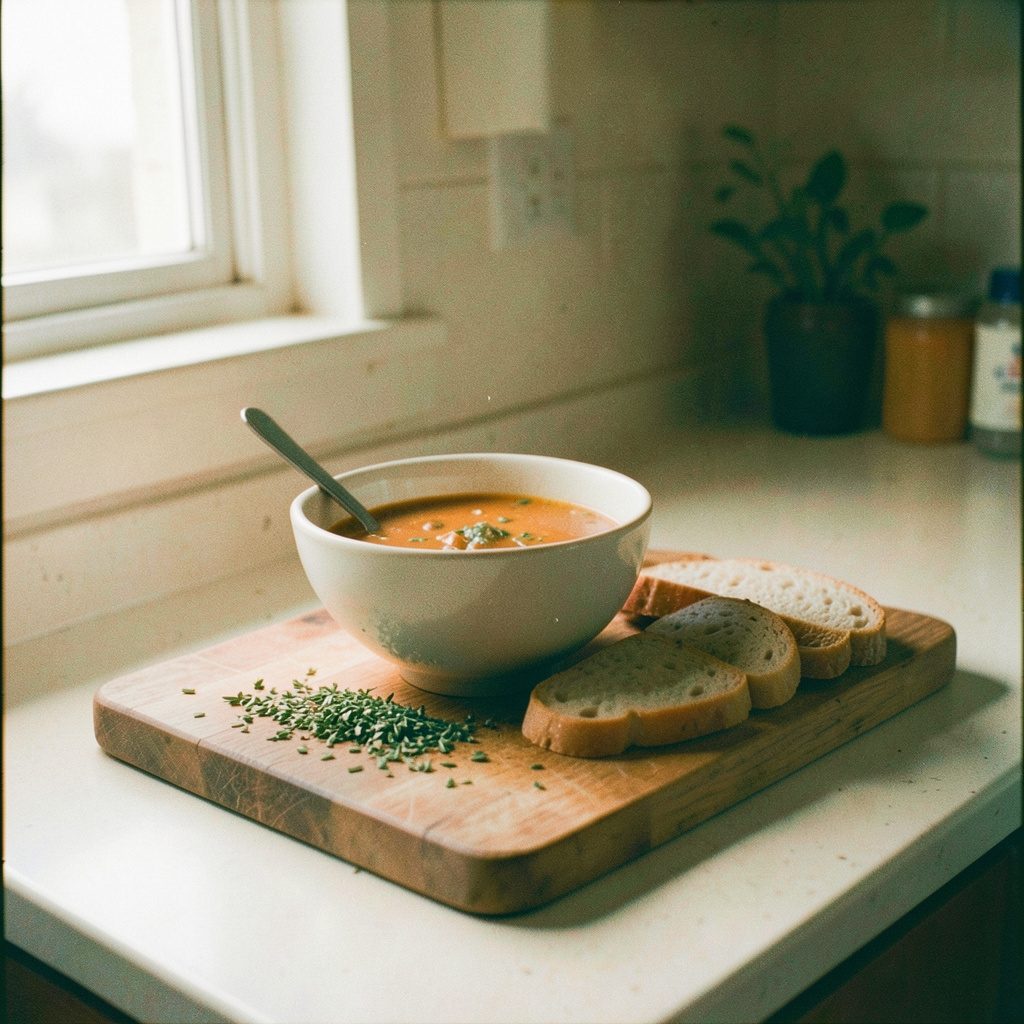
From the kitchen
A few of the meals we've been making lately.
Watch & cook
Short clips from the kitchen.
 ▶
▶
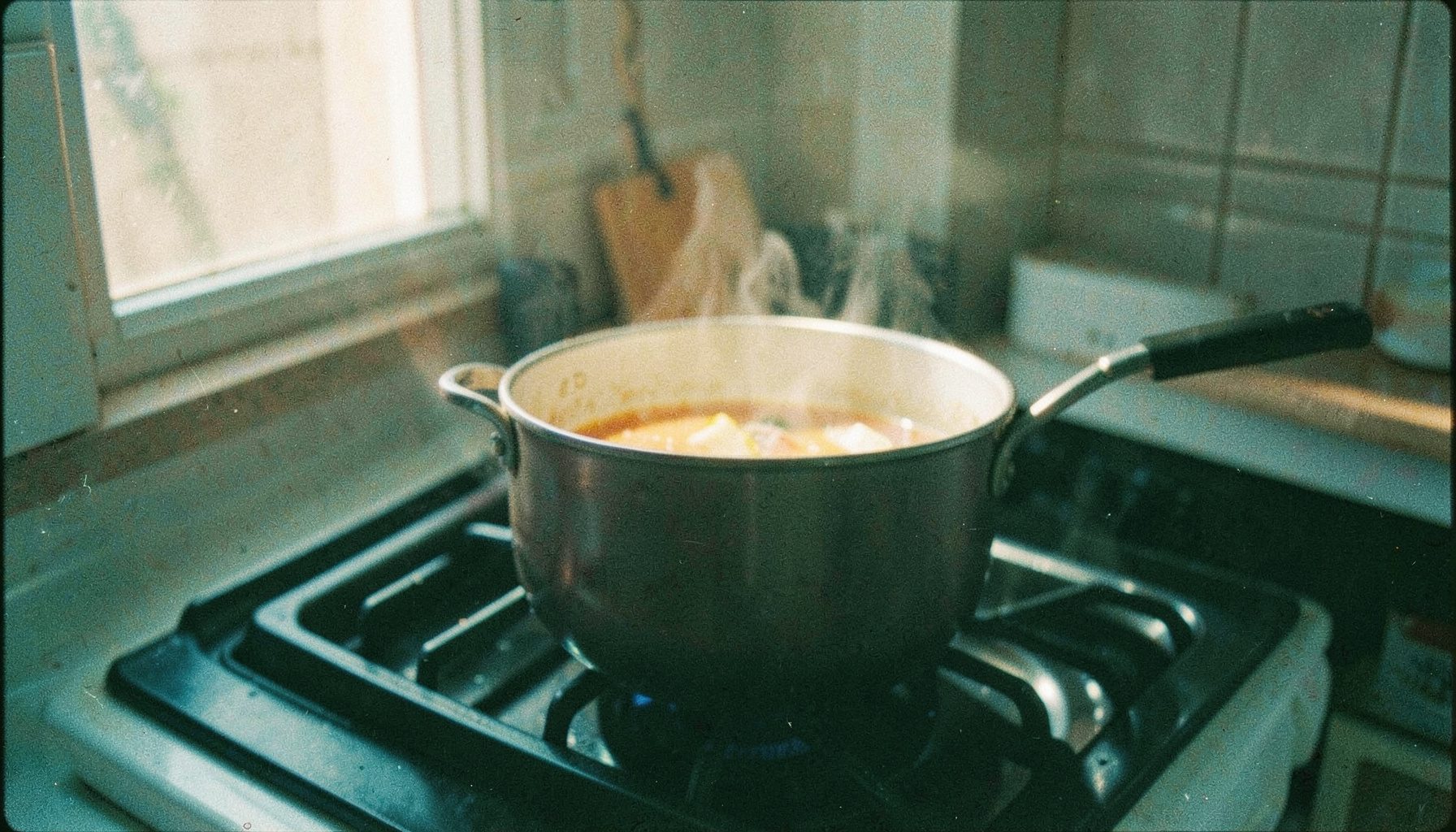
Surf and Turf in a Soup
 ▶
▶
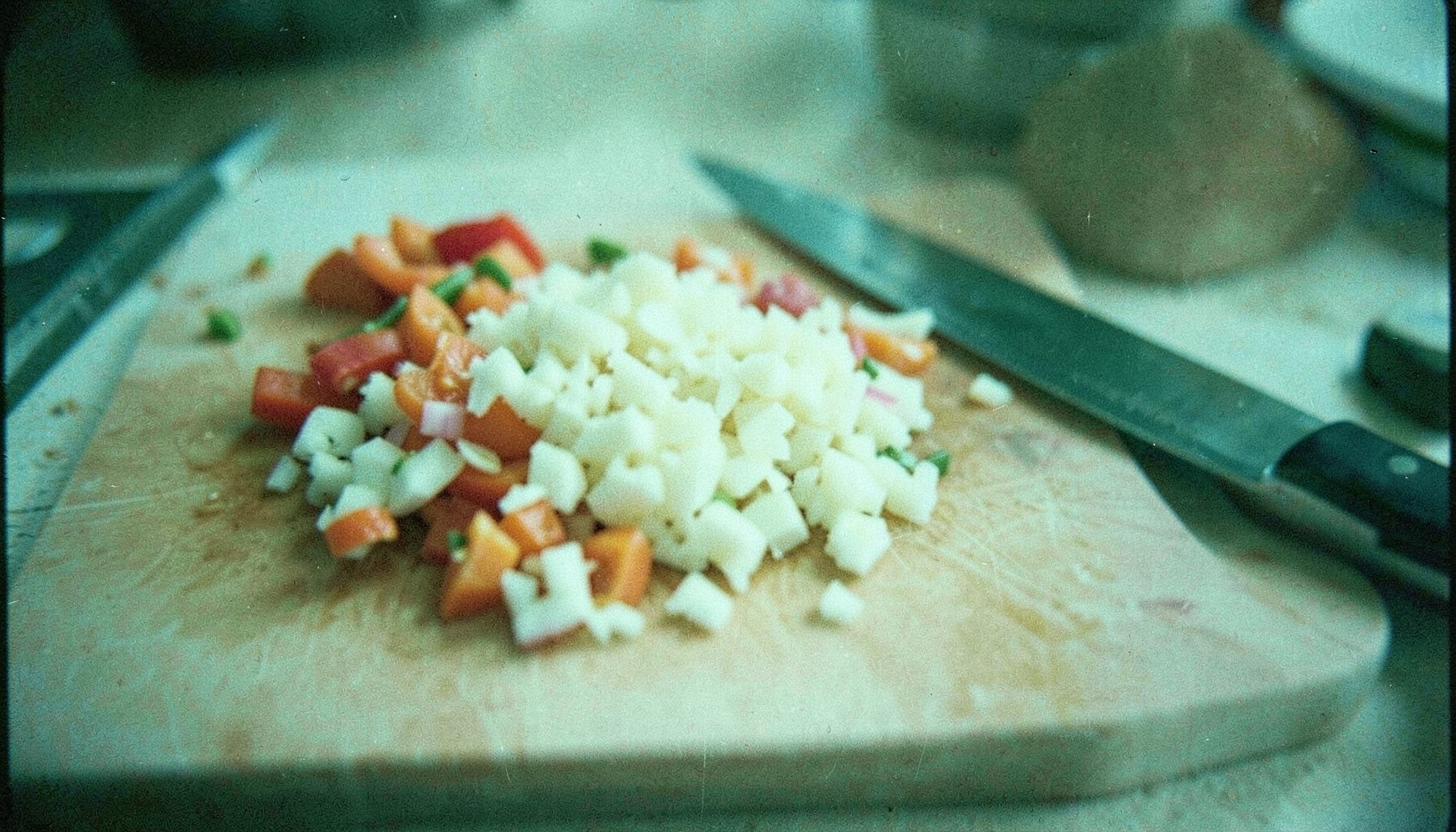
Clarifying Clarified Butter
 ▶
▶
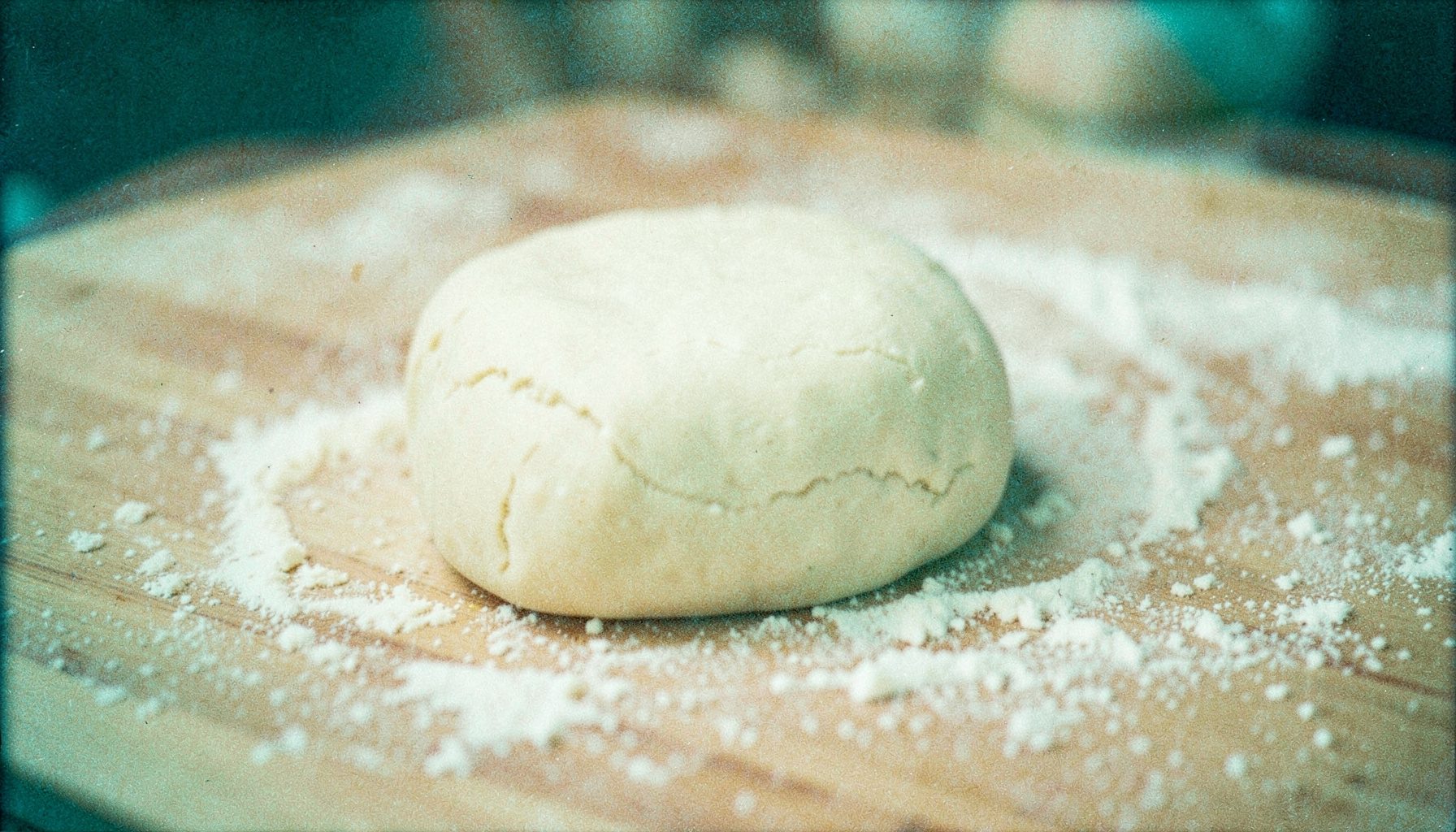
Blueberry Dumplings
Bright stovetop ratatouille for warm Australian evenings
When the thermometer pushes past thirty degrees in Brisbane or Sydney and the backyard tomatoes finally come into their own, the last thing anyone wants is to switch on the oven for an hour. A wide skillet brimming with glossy courgette, charred red capsicum and tumbling cherry tomatoes captures that sun-ripened flavour in a fraction of the time. This is the kind of cooking that lets the produce do the talking, with a few good splashes of olive oil and a handful of fresh herbs tying everything together.
Ratatouille has a reputation as a long, languid stew, but a quick stovetop version keeps all the essence of the Provençal classic while suiting the rhythms of busy summer weeks. The vegetables are sliced, seared and gently simmered until they hold their shape rather than collapsing into mush. The result is a vibrant, lightly saucy dish that works as a main with crusty sourdough, a side for grilled fish or a spoonful tossed through pasta. Best of all, it comes together in the time it takes to crack open a cold drink.
Why a skillet beats a slow roast
Australian summers are glorious, but heating up a small kitchen with a roasting tin for an hour rarely feels appealing. A wide frying pan or shallow braiser concentrates heat quickly, which means vegetables brown instead of steaming, and the natural sugars in tomatoes and red capsicum begin to caramelise within minutes. You also use far less energy than an electric oven, which is a small kindness on a high tariff day.
Texture is another reason to favour the pan. Traditional oven-baked ratatouille has a tendency to turn soupy, because the moisture from eggplant and zucchini has nowhere to escape. On the stovetop, you can leave the lid off, let the liquid bubble down and end up with something closer to a thick vegetable confit than a stew. It holds its shape on the plate, scoops cleanly with bread and reheats beautifully the next day.
Sourcing the best produce down under
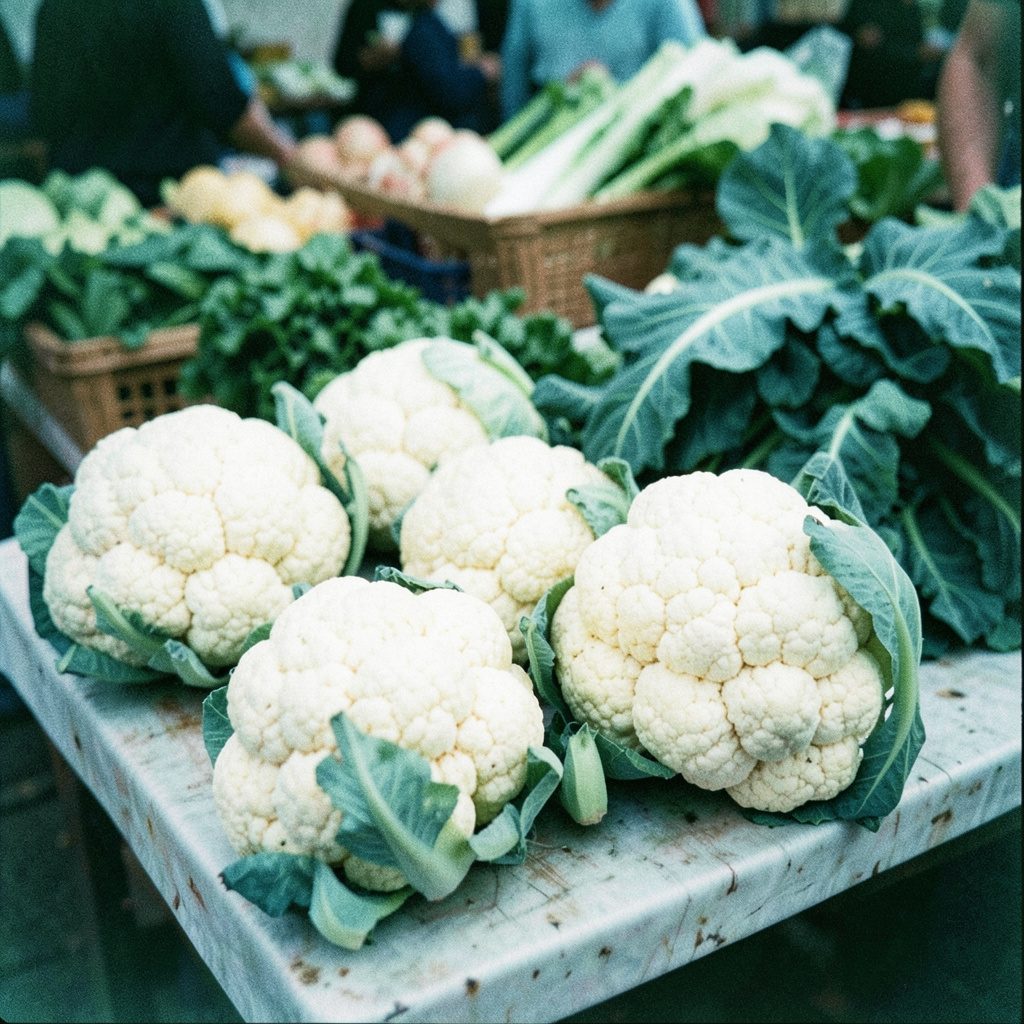
Summer in Australia is a true cornucopia, and a Saturday morning at Queen Victoria Market in Melbourne, the Carriageworks markets in Eveleigh or the Jan Powers gathering in Brisbane will hand you everything you need without much fuss. Look for eggplants with smooth, taut skin and a green calyx that still looks perky rather than dried out. Zucchini and squash should feel heavy for their size, with stems that resist a gentle tug.
At the supermarket, both Coles and Woolworths stock a summer range of heirloom tomatoes from late November through February. A mix of colours, deep black krim, striped green zebra, golden pineapple and of course the everyday Roma, gives the finished dish both visual drama and a layered sweetness. Pick tomatoes that smell faintly green at the stem end; if they have no aroma at all they will taste of very little. Good olive oil matters more than people realise, so reach for a robust Australian extra virgin from the Barossa or the Mornington Peninsula rather than the bland supermarket default.
Building the aromatic base
Before a single vegetable hits the pan, take a minute to lay out the aromatics so the cooking flows smoothly. A brown onion, finely diced, four cloves of garlic sliced thin, a small dried chilli for warmth and a generous pinch of salt will lift everything that follows. Have a small bunch of basil, thyme or oregano within reach, along with a tin of good crushed tomatoes if the fresh ones are a touch underripe.
The choice of fat shapes the whole dish. A glug of Australian extra virgin olive oil, perhaps four tablespoons, brings the fruitiness of a good new-season oil to bear on the vegetables. A knob of butter stirred through at the very end rounds the edges and gives the finished ratatouille a glossy sheen. If you want a creamier texture, a spoon of tomato paste cooked briefly with the onion and garlic adds depth without needing dairy at all.
The method in a single pan
Set a wide pan over medium-high heat and add half the olive oil. Once it shimmers, scatter in the eggplant cubes and let them sit untouched for two or three minutes so they develop a deep golden crust. Turn them, add a little more oil if the pan looks dry, and cook for another two minutes. Tip them out onto a plate and repeat with the zucchini, then the red capsicum, working in batches so each vegetable browns rather than sweats.
Lower the heat to medium, add the remaining oil and cook the onion with a pinch of salt until soft and translucent, around five minutes. Stir in the garlic and chilli and cook for another minute, then add the tomato paste if using. Tip the cooked vegetables back into the pan along with the chopped tomatoes, a teaspoon of sugar to balance the acidity, and a torn sprig of thyme. Simmer gently, uncovered, for ten to fifteen minutes until the sauce thickens and the vegetables are tender but still intact. For even more bright ideas for warm-weather cooking, have a look at these fresh stovetop recipes. Finish with a generous handful of torn basil, a final drizzle of olive oil and a small splash of red wine vinegar to lift everything on the plate.
Serving suggestions and pairings
Ratatouille made this way is wonderfully versatile. Spoon it warm over creamy polenta, alongside grilled barramundi fillets pan-fried in butter, or use it as a sauce for pappardelle. A scattering of Persian feta and a few toasted pine nuts turns the same bowl into a satisfying vegetarian lunch, while a runny poached egg on top makes it a brunch-worthy plate.
A chunk of woodfired sourdough from the local bakery is almost mandatory. The crust does the work of a spoon, soaking up every last drop of the herb-flecked juices. If you are hosting friends on the deck, offer it as part of a mezze-style spread with marinated olives, char-grilled flatbread and a chilled glass of rosé from the Adelaide Hills or a crisp Hunter Valley semillon. The colours of the dish echo the season, and people tend to eat with their eyes first.
Leftovers and next-day reinventions
Ratatouille keeps well in the fridge for three to four days in a sealed container, and the flavour only deepens with time. For longer storage, portion it into freezer-safe tubs or zip-lock bags and freeze for up to three months, leaving a finger-width of headspace for expansion. Defrost overnight in the fridge and reheat gently in a covered pan with a splash of water to loosen the sauce.
Next-day possibilities are nearly endless. Fold a few spoonfuls through cooked spaghetti or orecchiette, tuck it inside a folded omelette with a little grated cheddar, or spoon it onto toasted sourdough under a layer of mozzarella and grill until bubbling. It also works as a base for a quick shakshuka, with eggs cracked directly into the warm vegetables and gently cooked until the whites set. Whatever direction you take it, a final shower of fresh herbs brings it right back to life.
If you have not made ratatouille on the stovetop before, this is the season to start. The vegetables are at their sweetest, the markets are overflowing, and the method asks for very little from you beyond patience and a decent pan. Pull together whatever looks best on the day, slice it all up and let a hot skillet do the rest. Drop us a comment once you have tried it, tell us what you served it with and share a photo if you can.
Meet the cooks
Two friends, two kitchens, one shared notebook.

Jessica
"I write down what worked, what flopped, and what to try next week."

Kathrin
"Recipes should leave room for the fridge and the season."
Get in touch
We read every message.