Easy, Fresh and Colorful Meals
A friendly food journal by Jessica and Kathrin, gathering simple soups, bright vegetables, and quick weeknight fixes for cooks who want to put a good meal on the table without fuss.
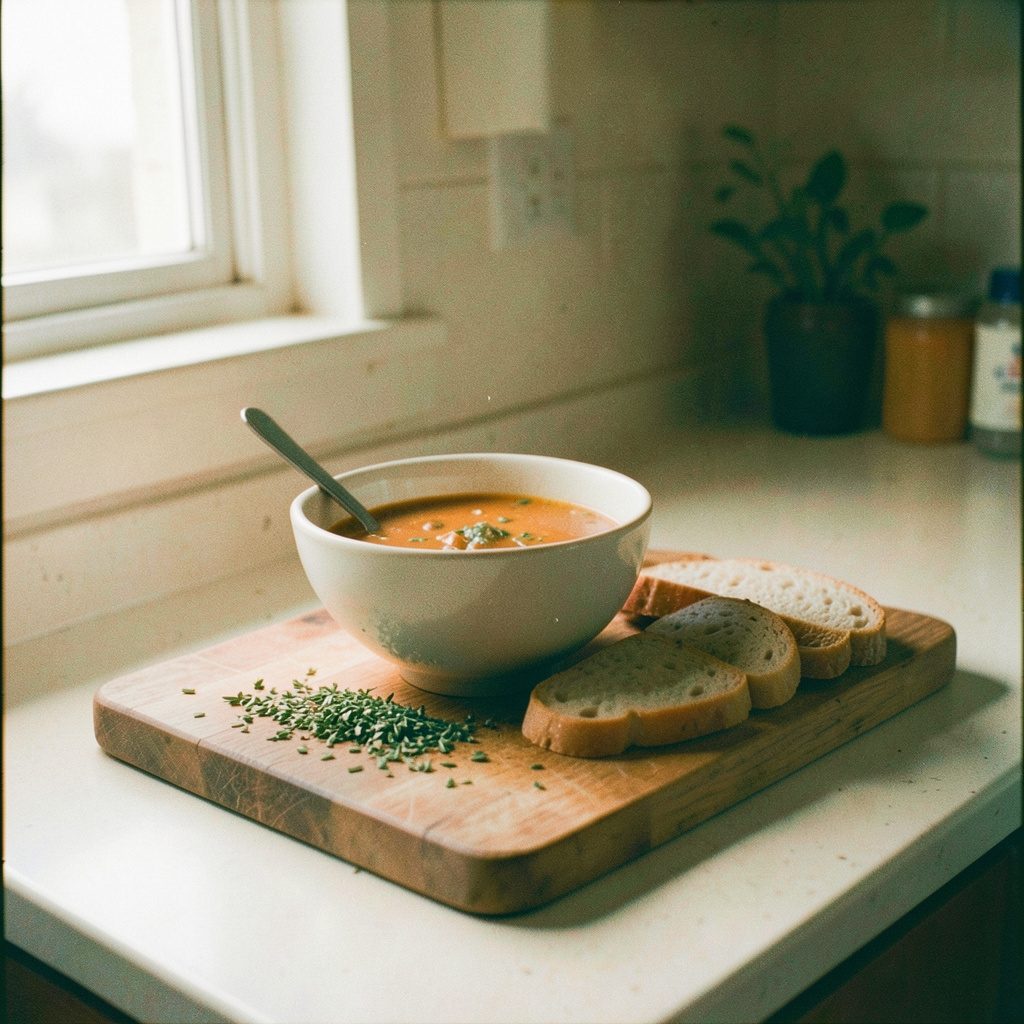
From the kitchen
A few of the meals we've been making lately.
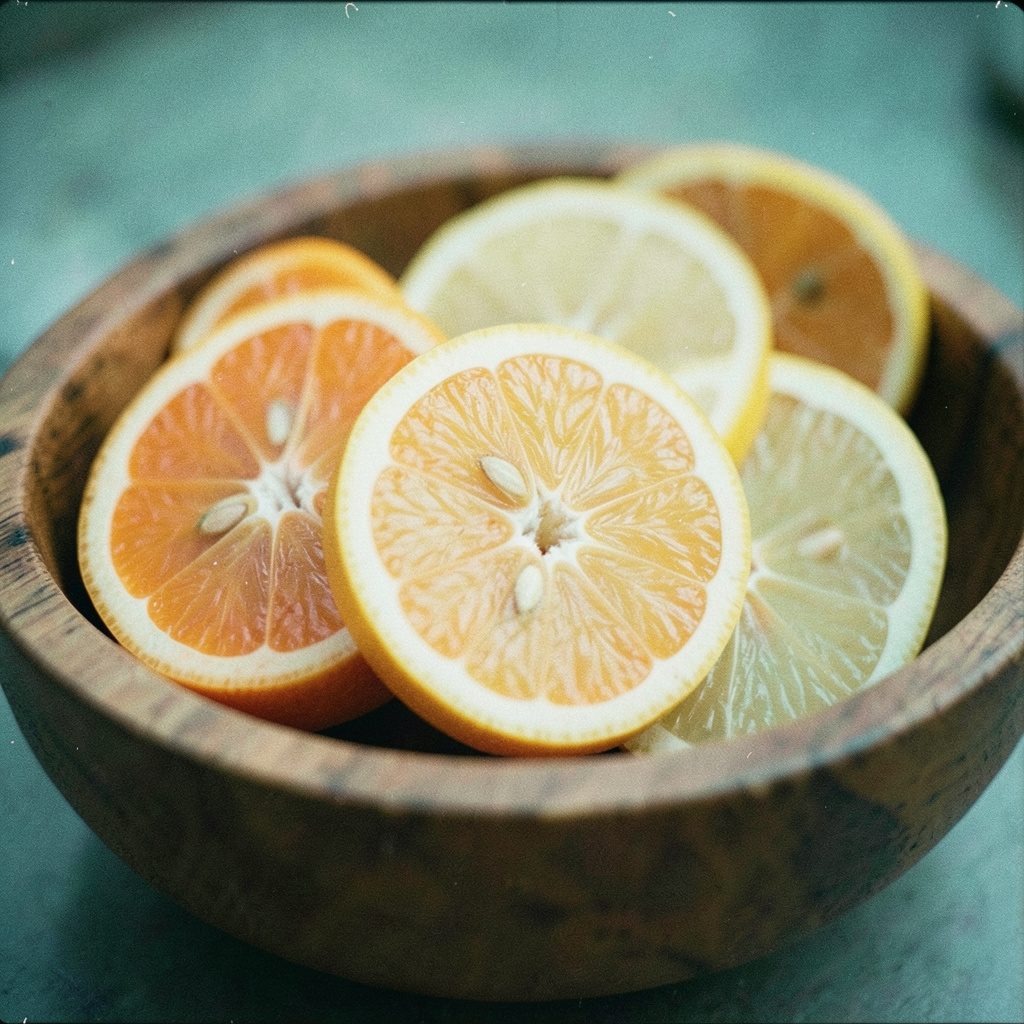
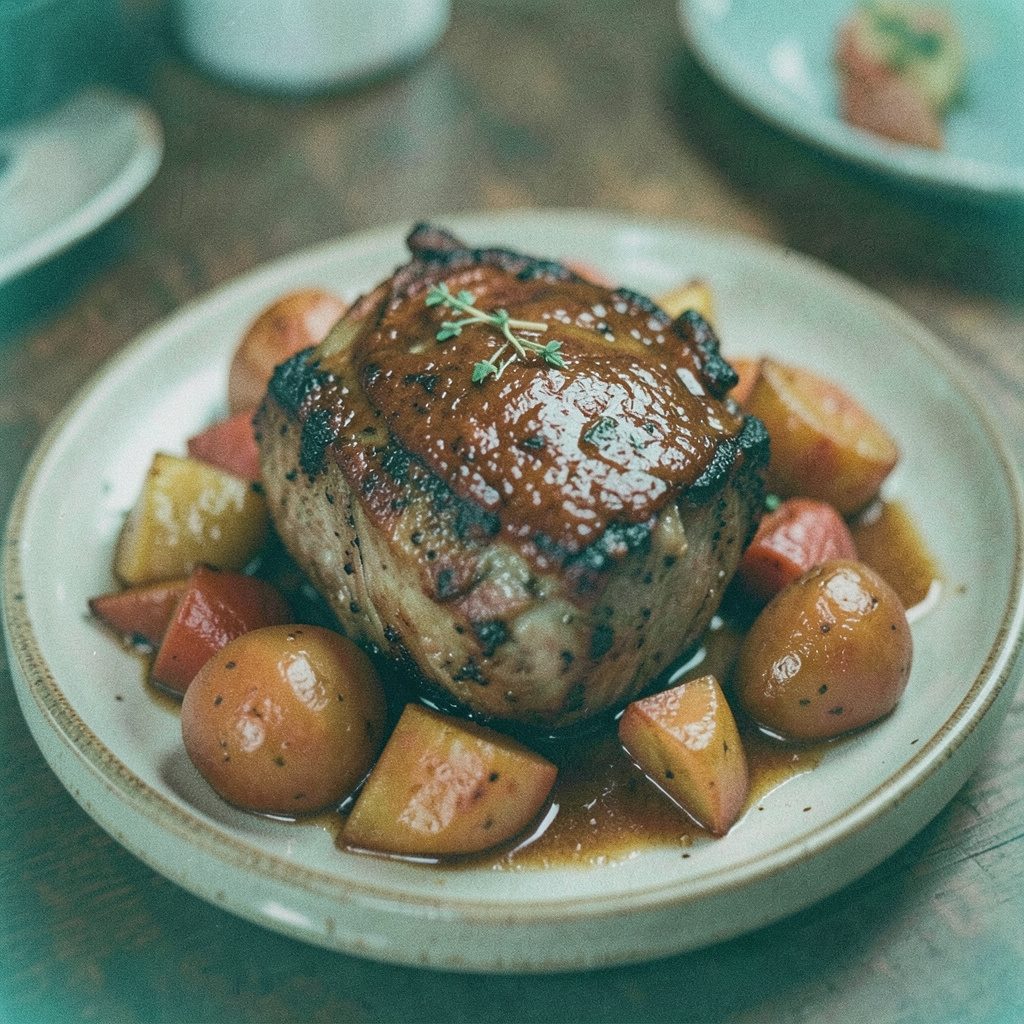
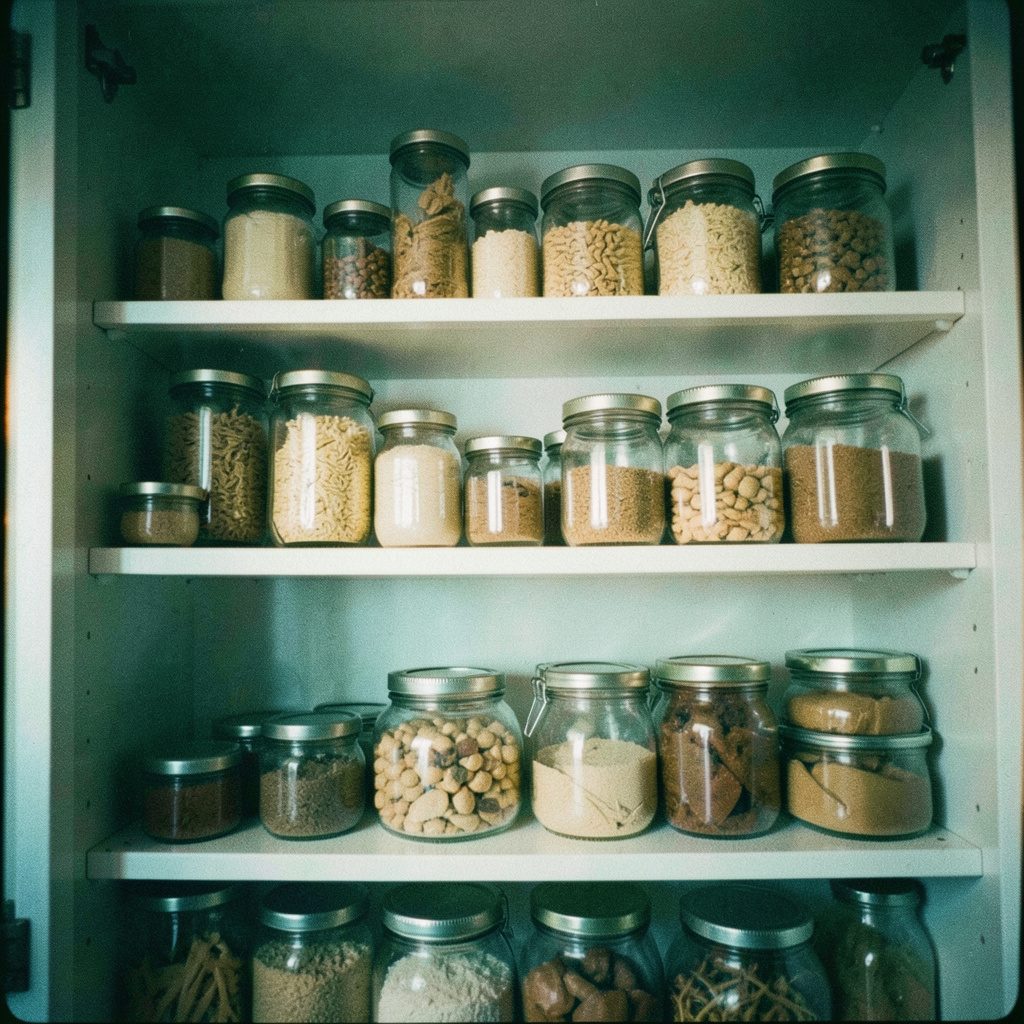
Watch & cook
Short clips from the kitchen.
 ▶
▶
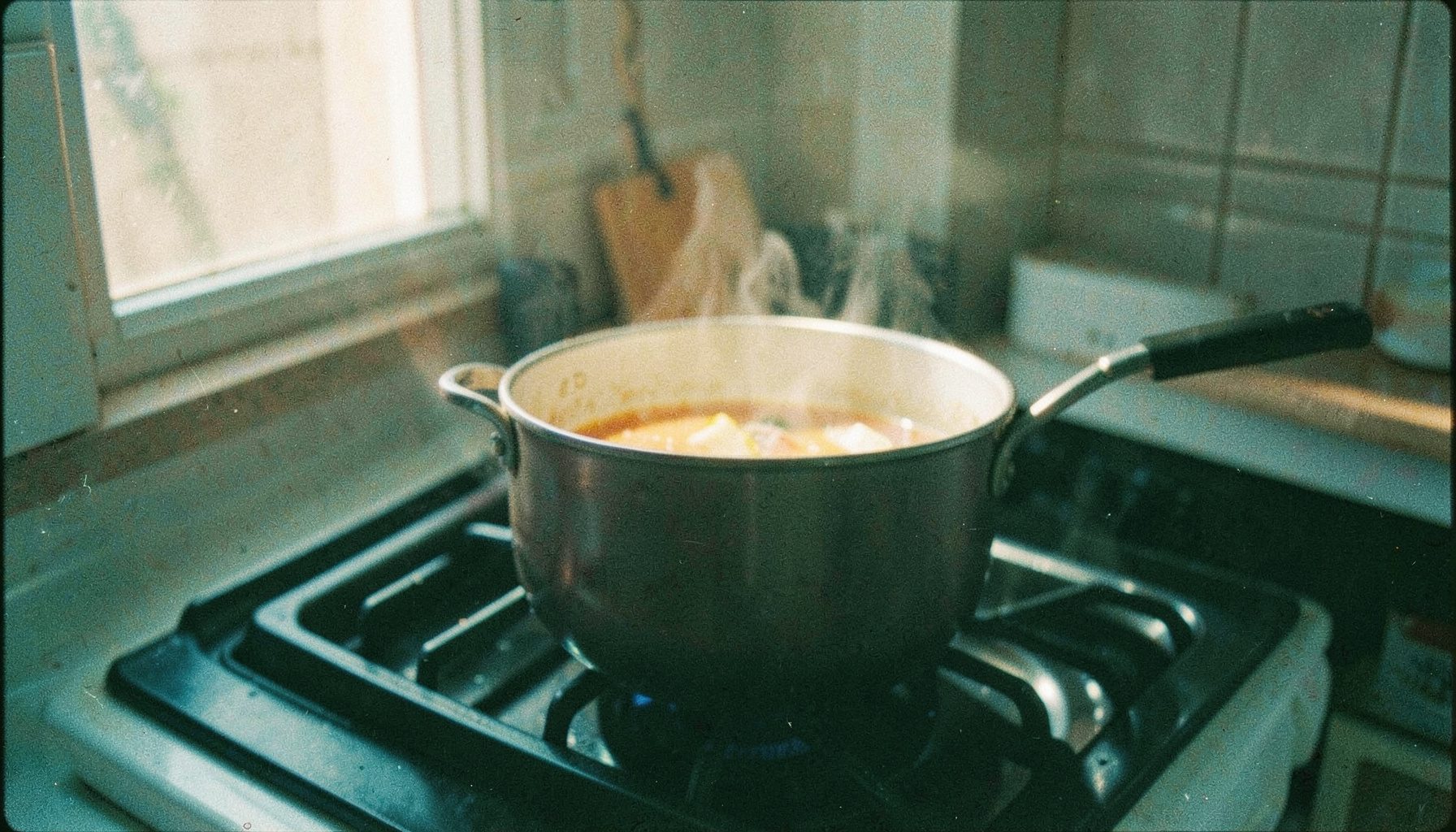
Surf and Turf in a Soup
 ▶
▶
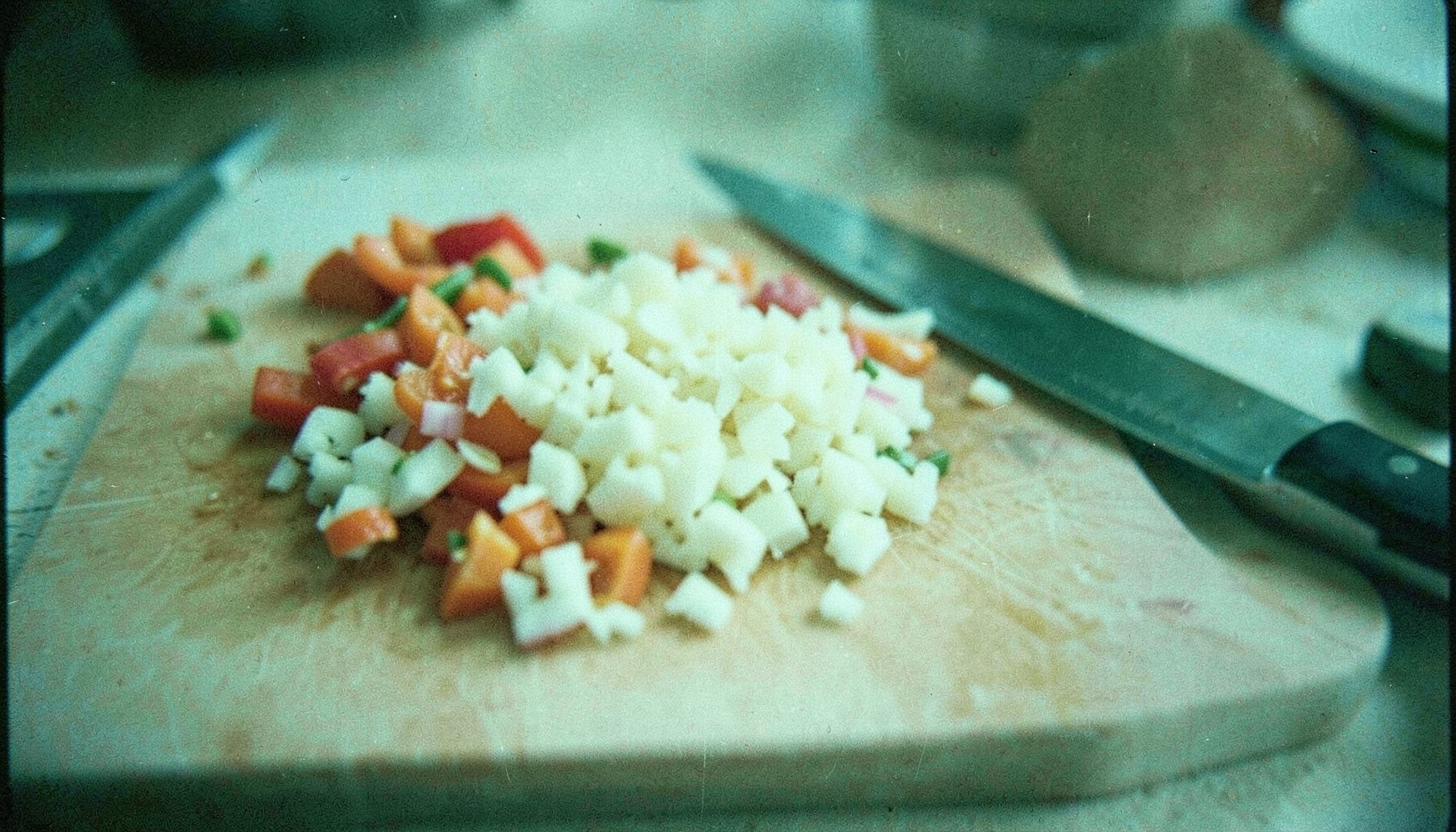
Clarifying Clarified Butter
 ▶
▶
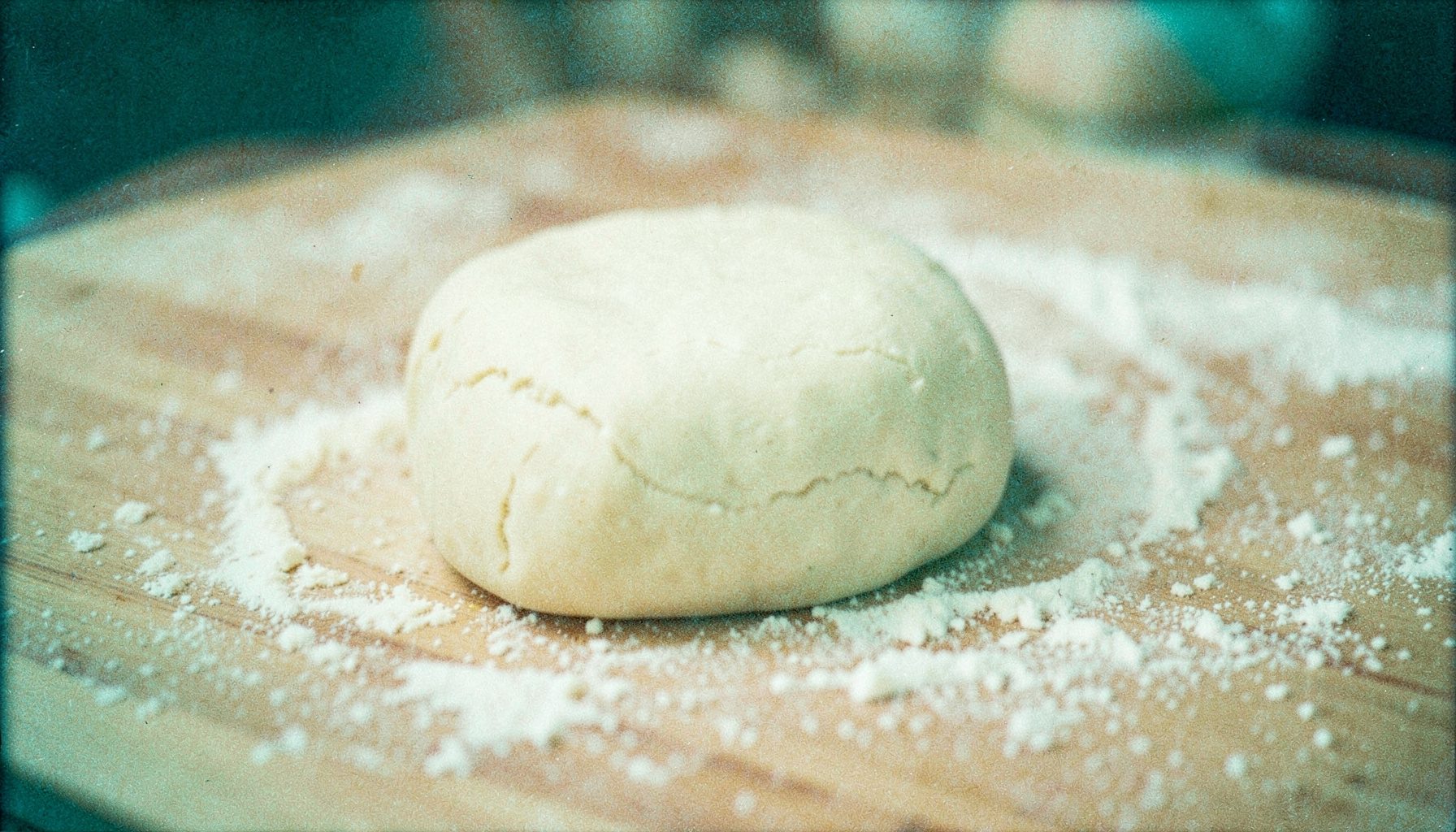
Blueberry Dumplings
Baked sweet potato fries with proper crunch
Sweet potato fries hit that sweet-salty-crispy note that turns an ordinary weeknight dinner into something a bit special. The orange-fleshed tubers roast up beautifully, developing caramelised edges and a fluffy centre that regular spuds just can't manage. Yet anyone who has pulled a tray of soggy, limp wedges from the oven knows that oven-baked fries can be a touch hit-and-miss without a few clever tricks.
In Australian kitchens, where deep-fried hot chips sit alongside barbecued snags as a weekend staple, a lighter baked version makes plenty of sense. The orange Beauregard variety, the workhorse of sweet potato farming around Bundaberg in Queensland, is what you'll find at every Woolworths produce aisle and at busy farmers markets from the Gold Coast down to Hobart. With the right technique, those healthy fries come out properly crunchy on the outside and pillowy within, no deep fryer required.
This guide walks through choosing good tubers, prepping them for maximum crunch, picking seasonings, and getting the oven working hard so every batch turns out golden. We've also rounded up a few pantry shortcuts and flavour pairings to keep your snack rotation interesting all year round.
Choosing the best tubers at the market
The first decision that shapes your final tray happens at the greengrocer rather than in the kitchen. Picking well-set spuds means less fuss later and noticeably better flavour in the finished fries.
Look for firm, heavy roots with smooth, taut skin and no soft patches. The medium-sized ones, roughly forearm-length, cut into manageable wedges without awkward offcuts. If you're at a farmers market, the freshly dug stalls at Salamanca Place on a Saturday morning or the Sunday produce strip along the Gold Coast often have sweeter, earthier-tasting spuds than anything that's spent a week in cold storage. Avoid wrinkled skins, dark bruising, or anything with green sprouts, since these dry out fast in a hot oven.
The orange Beauregard is the all-rounder that caramelises reliably and tastes the way most Aussies expect sweet potato to taste. Browse what's currently in season through the featured produce guide before planning your next batch. The purple-fleshed varieties turning up at specialty growers offer a nuttier flavour and a striking plate colour once roasted, and they're worth chasing for a fancier dinner spread.
Cutting and soaking for extra crispness
Unevenly cut fries are the most common reason a tray comes out patchy, with one batch charred and another still pale and soft. A few extra minutes of careful prep pays back massively when the timer goes off.
Cut your wedges about a centimetre thick, or slightly thinner if you prefer them shatteringly crisp. A sharp knife handles this fine, though a crinkle cutter leaves ridges that hold onto seasoning and crisp up beautifully around the edges. Resist the temptation to go too thin, since wafer-slim slices tend to dry out long before they brown.
Soak the cut wedges in cold water for thirty minutes to an hour, longer if you can spare it. This draws out excess starch, which is the main reason oven fries come out chewy rather than crunchy. Drain them well, then pat thoroughly dry with a clean tea towel before moving on. Any leftover surface moisture will steam the wedges in the oven rather than letting them roast properly.
The coating that delivers real crunch
Bare sweet potato wedges on a tray will always turn out a touch soft, no matter how hot the oven gets. A light starchy coating bridges the gap between fluffy interior and shatteringly crisp exterior.
The classic trick is a fine dusting of cornflour, the Australian cornstarch stocked in every Coles aisle. Toss the dry wedges with a tablespoon or two until each piece wears a thin even veil, then drizzle generously with olive oil or rice bran oil. The starch crisps up dramatically under high heat, while the oil carries flavour and helps everything brown evenly.
This is also the moment to season the surface directly, since the coating holds onto salt and spice far better than slick potato skin. A pinch at this stage sticks where it matters rather than bouncing straight off the wedges and onto the tray.
Oven setup and rack placement
Temperature and airflow matter more than most recipes admit. Even beautifully prepped wedges will steam instead of roast if the oven isn't hot enough or the tray is crowded.
Crank the oven to 220 degrees fan-forced, or 240 in a conventional oven, and let it preheat for a good ten minutes before anything goes in. Use a flat rimmed baking sheet lined with baking paper rather than a deep tray, so hot air reaches every side of each wedge. A wire rack set over the tray is even better, lifting the fries clear of any moisture that collects underneath.
Spread the coated wedges in a single layer with breathing room between each piece. Crowding causes steaming, so cook in two batches rather than cramming everything on at once. Flip halfway through so both sides colour evenly, and pull the tray the moment the edges look properly golden rather than waiting for a deeper char.
Seasoning combinations worth trying
The mellow sweetness of the orange flesh welcomes everything from smoky spice blends to fresh herbs. A few combinations are worth trying before settling on a house favourite, and most use pantry staples you probably already have on hand after your last arvo barbie.
A pinch of flaky salt straight after the tray comes out is non-negotiable, since salt disappears into the surface while everything is still sizzling. From there, anything goes, so use this list as a starting point rather than a rulebook.
- Smoked paprika and garlic powder for a smoky Spanish-leaning flavour
- Ground cumin, mild chilli powder, and a touch of brown sugar for a sweet-smoky crust
- Lemon zest scattered over the hot fries with chopped parsley or fresh coriander
- Za'atar and a squeeze of lemon for a quick Middle Eastern twist
- Cinnamon with a tiny pinch of cayenne for something surprisingly moreish
Pantry staples worth keeping on hand
A few basics turn sweet potato fries from a fussy weekend project into an easy weeknight side dish. Keeping these in the cupboard means dinner comes together in the time it takes the oven to heat up, with no last-minute dash to the shops for a single missing ingredient.
A flat rimmed sheet, decent oil, and a starch for coating cover the mechanical essentials. From there, a small spice collection unlocks dozens of flavour combinations without ever needing fresh ingredients, and the fries slot in alongside grilled fish, roast chicken, burgers, or a simple green salad.
- Cornflour for the crunch-boosting coating
- Rice bran or light olive oil for high-heat roasting
- Smoked paprika, ground cumin, and garlic powder for seasoning blends
- Flaky sea salt for finishing at the table
- A flat rimmed baking sheet lined with baking paper
Once you've nailed the method, these baked fries slot into everything from burger night to a relaxed weekend barbie alongside grilled meats and salads. Try the orange-fleshed classic first, swap in purple-fleshed spuds for a colour change next time, and rotate through the seasoning list whenever inspiration runs dry. Pop a photo of your golden tray on Instagram, tag the blog, and share your favourite combo so other home cooks can steal the idea.
Meet the cooks
Two friends, two kitchens, one shared notebook.

Jessica
"I write down what worked, what flopped, and what to try next week."

Kathrin
"Recipes should leave room for the fridge and the season."
Get in touch
We read every message.