Easy, Fresh and Colorful Meals
A friendly food journal by Jessica and Kathrin, gathering simple soups, bright vegetables, and quick weeknight fixes for cooks who want to put a good meal on the table without fuss.
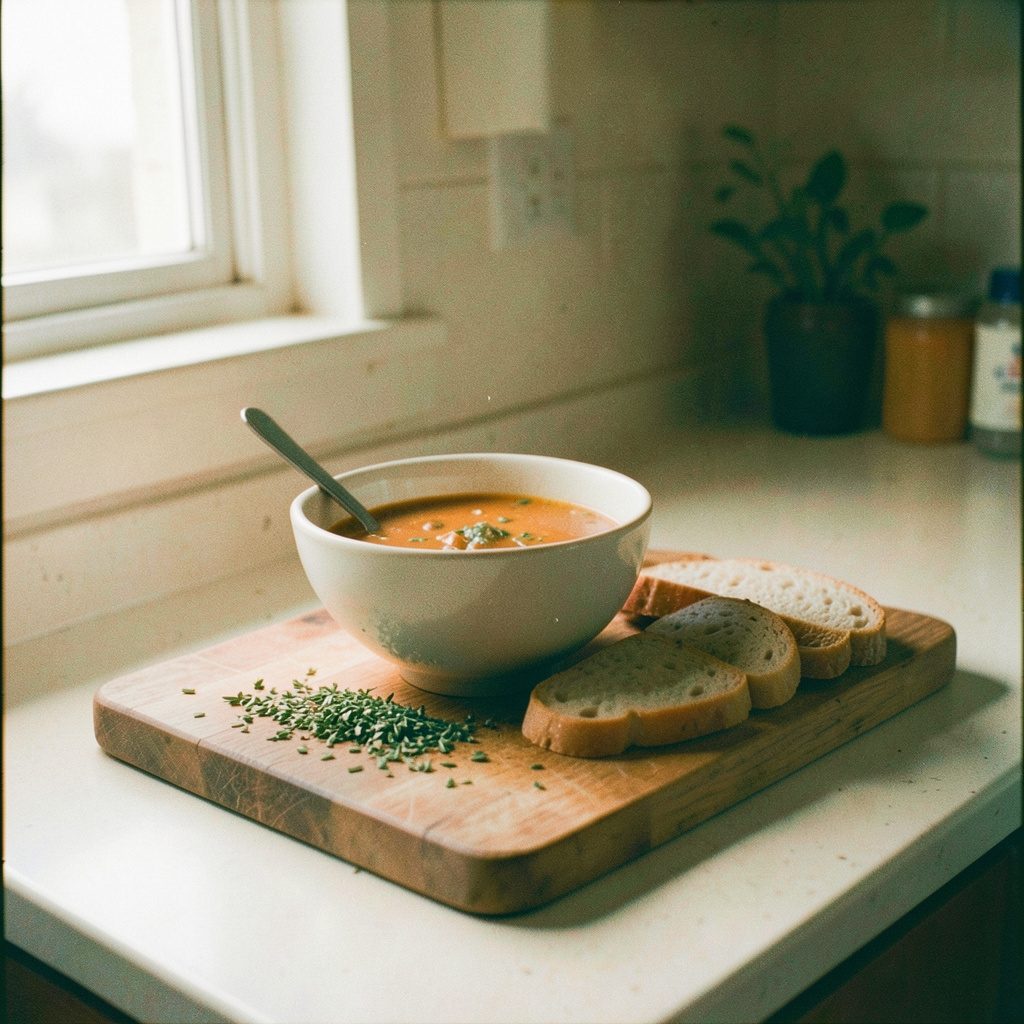
From the kitchen
A few of the meals we've been making lately.

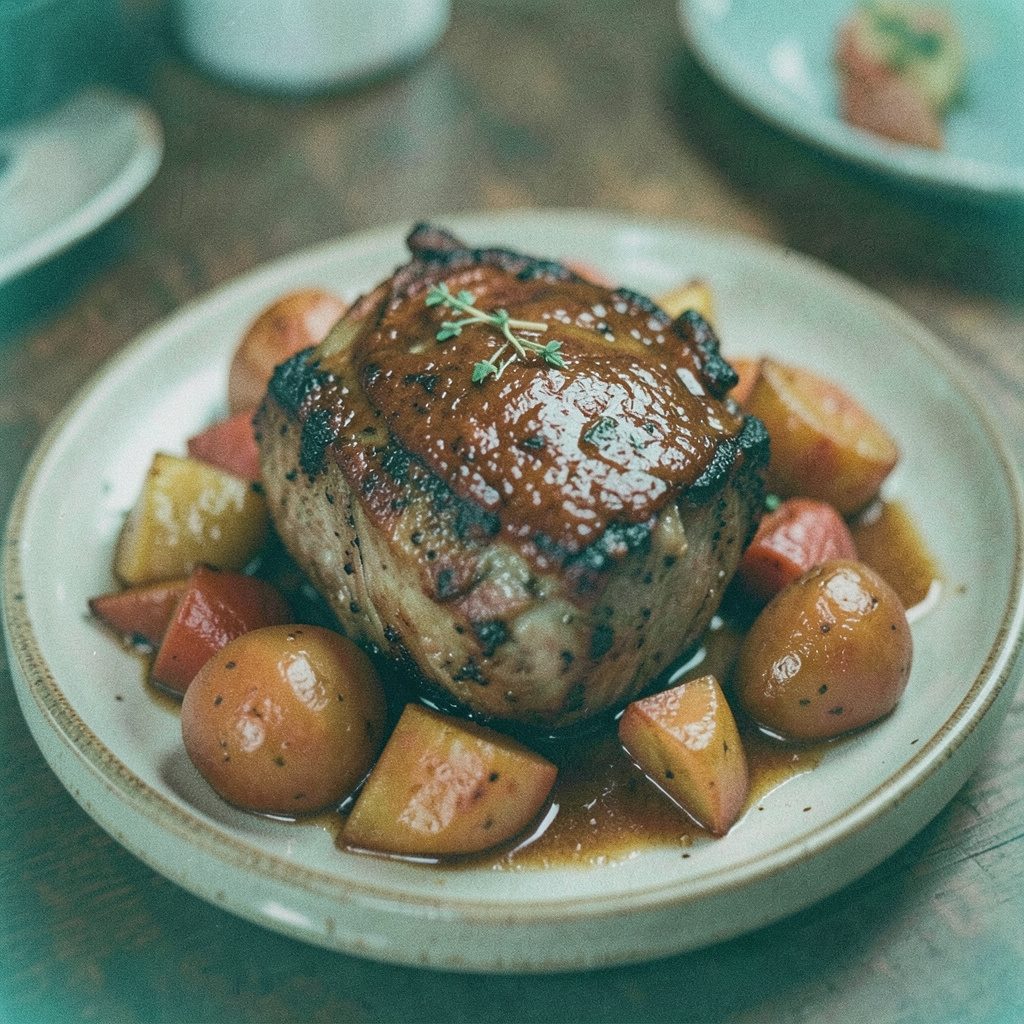
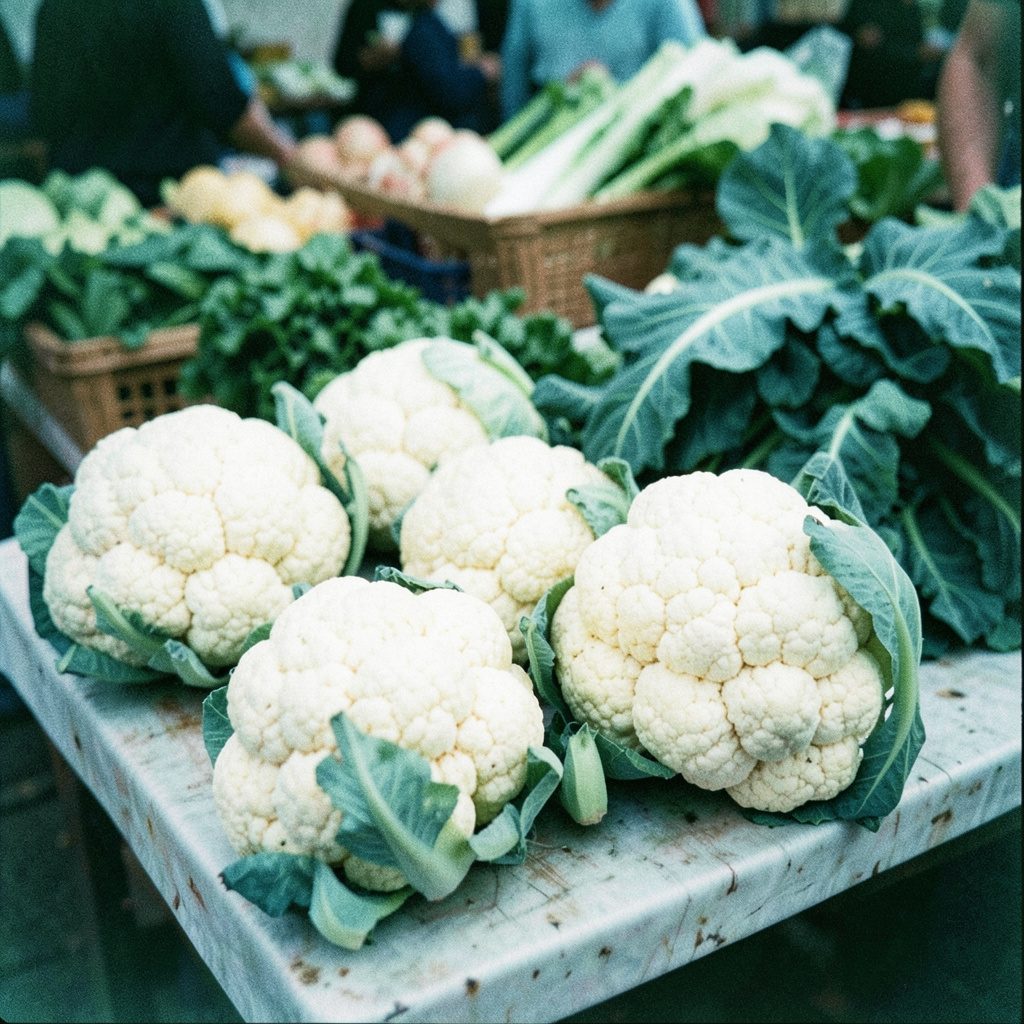
Watch & cook
Short clips from the kitchen.
 ▶
▶
Surf and Turf in a Soup
 ▶
▶
Clarifying Clarified Butter
 ▶
▶
Blueberry Dumplings
Lemony Orzo Salad With Feta, Cucumber, And Dill
This lemony orzo salad is the kind of dish that makes everyday cooking feel effortless. Tender rice-shaped pasta is tossed with crisp cucumber, salty feta, fresh dill, and a sharp lemon dressing, creating a colourful side dish with plenty of texture and flavour. It is quick enough for a weeknight and attractive enough for a relaxed lunch with friends.
Serve it chilled or at room temperature with grilled chicken, salmon, lamb cutlets, or warm flatbread. In Australia, it is especially useful during the warmer months, when a cold pasta salad suits a backyard barbecue in Brisbane, a picnic near Sydney Harbour, or a casual dinner on a Melbourne balcony.
Why This Salad Works
Orzo cooks quickly and has a pleasant, delicate texture that carries dressing beautifully. It is technically pasta rather than rice, yet its small shape makes the finished dish feel lighter and more refined than a traditional pasta salad. The grains nestle into the cucumber and herbs, so every forkful includes a little of everything.
The combination of lemon, olive oil, feta, and dill keeps the salad fresh rather than heavy. Cucumber adds a cool crunch, while feta brings a creamy, salty contrast. A small amount of red onion or spring onion can add bite, and cherry tomatoes contribute sweetness if you want extra colour.
This is also a reliable make-ahead recipe. The flavours settle as the salad rests, making it handy for a shared lunch, a workday meal, or a barbecue where the cook would rather prepare the side dishes before guests arrive.
Fresh Ingredients And Easy Swaps
Use a good-quality Greek feta and crumble it by hand into uneven pieces. Small chunks provide more satisfying texture than feta that has been mashed into the dressing. English cucumbers are convenient because they have thin skin and fewer seeds, although Lebanese cucumbers work well too and are common at Australian greengrocers.
Fresh dill gives the salad its distinctive grassy character. If dill is unavailable, use flat-leaf parsley, mint, or a mixture of both. Lemon zest is worth adding when the fruit is unwaxed, as it provides concentrated citrus fragrance without making the dressing too acidic.
- Orzo or risoni for the pasta base
- English or Lebanese cucumber for crunch
- Greek feta for salty creaminess
- Fresh dill, parsley, or mint for herbal flavour
- Red onion or spring onion for gentle sharpness
- Cherry tomatoes or roasted capsicum for added colour
For the best flavour, choose lemons that feel heavy for their size and have smooth, fragrant skin. Australian lemons are widely available year-round, and locally grown produce from farmers’ markets can make a noticeable difference when the ingredients are served raw.
Make A Bright Lemon Dressing
The dressing should taste a little stronger than you expect before it meets the orzo. The pasta absorbs seasoning as it cools, so a timid dressing can leave the salad flat. Whisk together extra-virgin olive oil, fresh lemon juice, finely grated zest, a small amount of Dijon mustard, salt, and black pepper.
Add the dressing while the cooked orzo is still warm. This allows the pasta to absorb the lemon and olive oil more evenly. Stir gently, then leave it to cool for a few minutes before adding the cucumber, feta, and herbs. Mixing everything while piping hot can soften the vegetables and cause the feta to lose its shape.
- Three tablespoons of extra-virgin olive oil
- Two tablespoons of fresh lemon juice
- One teaspoon of finely grated lemon zest
- Half a teaspoon of Dijon mustard
- Sea salt and freshly ground black pepper
- A pinch of dried chilli for gentle heat
If the salad tastes too sharp, balance it with another splash of olive oil or a small pinch of sugar. If it tastes dull, add salt first, then more lemon. A spoonful of natural yoghurt can make the dressing creamier, though the classic olive oil version keeps the salad light and dairy-forward from the feta.
Turn It Into A Complete Meal
This salad can be a side dish, but it is easy to develop into a satisfying main meal. Fold through drained chickpeas for plant-based protein, or add shredded roast chicken for a quick dinner. Flaked hot-smoked salmon works particularly well with dill and lemon, while grilled prawns make the salad feel festive without requiring much preparation.
For a vegetarian version, add roasted zucchini, broad beans, or lightly blanched green beans. Charred corn also brings sweetness and works beautifully with feta. If you enjoy stronger Mediterranean flavours, add Kalamata olives, toasted pine nuts, or a few spoonfuls of chopped sun-dried tomatoes.
A generous bowl fits naturally into Australian casual entertaining. Set it beside sausages and grilled vegetables at a weekend barbecue, or bring it to a shared lunch with a separate container of extra dressing. If the menu includes a relaxed game night, this salad can sit comfortably among finger food and substantial snacks; readers planning that kind of evening may also appreciate this Visa casino guide as part of their broader entertainment planning.
Serve, Store, And Adapt
Let the finished salad rest for at least 15 minutes before serving so the flavours can develop. It is delicious at room temperature, but a short chill in the refrigerator makes it particularly refreshing on hot days. Before serving, taste it again and loosen the texture with a little olive oil or lemon juice if the orzo has absorbed too much dressing.
Store leftovers in an airtight container for up to three days. The cucumber will soften slightly over time, so add fresh cucumber and herbs when refreshing a portion. Keep the salad cool when transporting it, especially during an Australian summer, and avoid leaving feta-based dishes in the sun during a long outdoor lunch.
For a more substantial grain salad, replace half the orzo with cooked quinoa or pearl couscous. You can also use wholemeal orzo for extra fibre, although it may need a little longer cooking. The same lemon dressing works with roasted vegetables, white beans, or a simple leafy salad.
- Serve with grilled chicken, fish, lamb, or prawns
- Add chickpeas, quinoa, or white beans for a meat-free meal
- Fold through roasted zucchini, corn, or capsicum
- Finish with toasted almonds, pine nuts, or olives
- Pack chilled for a picnic or shared lunch
- Refresh leftovers with lemon, herbs, and olive oil
The recipe is flexible enough to follow the seasons. In summer, pair it with tomatoes and cucumber from a local produce stall. In cooler weather, add roasted pumpkin or wilted greens and serve it beside baked salmon. At a busy farmers’ market in Adelaide, Perth, or Hobart, you may find different herbs and vegetables that can be folded into the same bright base.
Cook the orzo until just tender, dress it while warm, and let the salad rest before serving. Then bring the bowl to the table with extra feta, lemon wedges, and herbs so everyone can adjust the final flavour to taste.
Meet the cooks
Two friends, two kitchens, one shared notebook.

Jessica
"I write down what worked, what flopped, and what to try next week."

Kathrin
"Recipes should leave room for the fridge and the season."
Get in touch
We read every message.