Easy, Fresh and Colorful Meals
A friendly food journal by Jessica and Kathrin, gathering simple soups, bright vegetables, and quick weeknight fixes for cooks who want to put a good meal on the table without fuss.
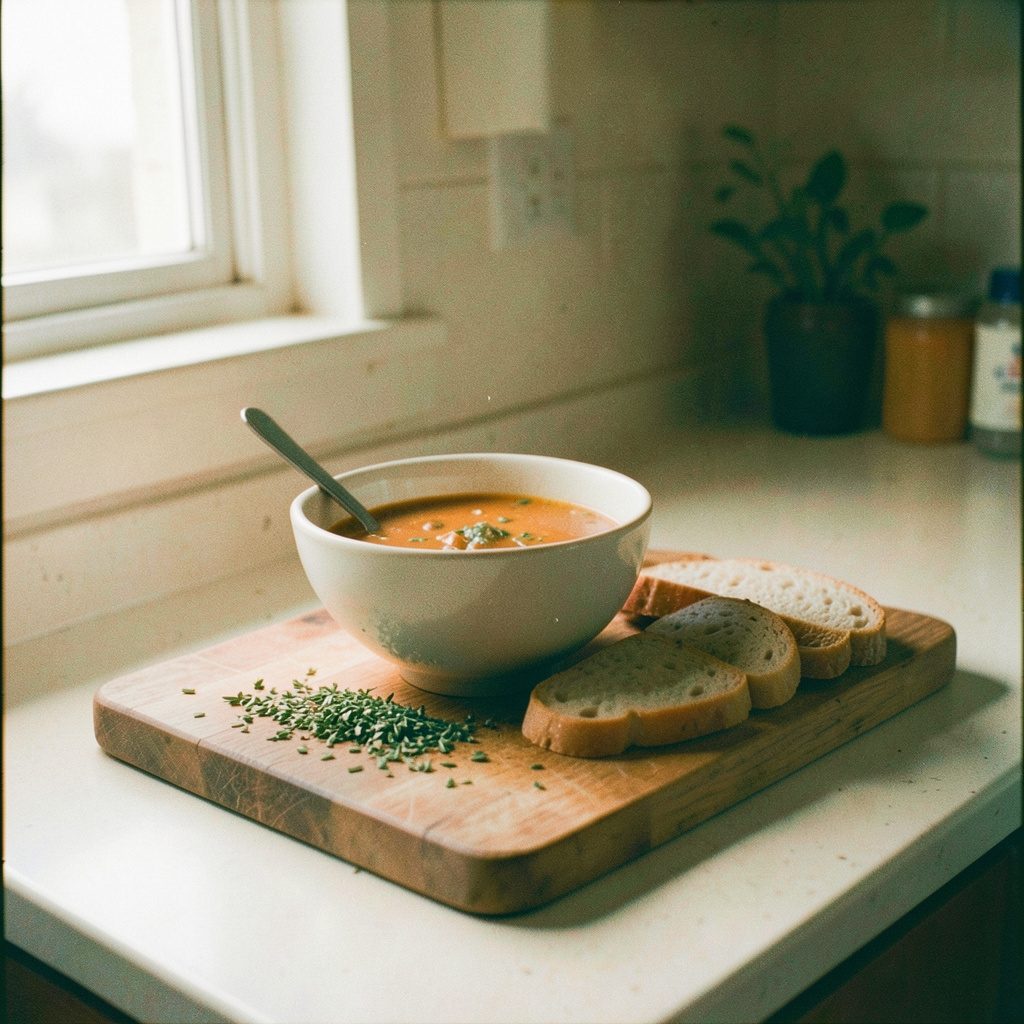
From the kitchen
A few of the meals we've been making lately.

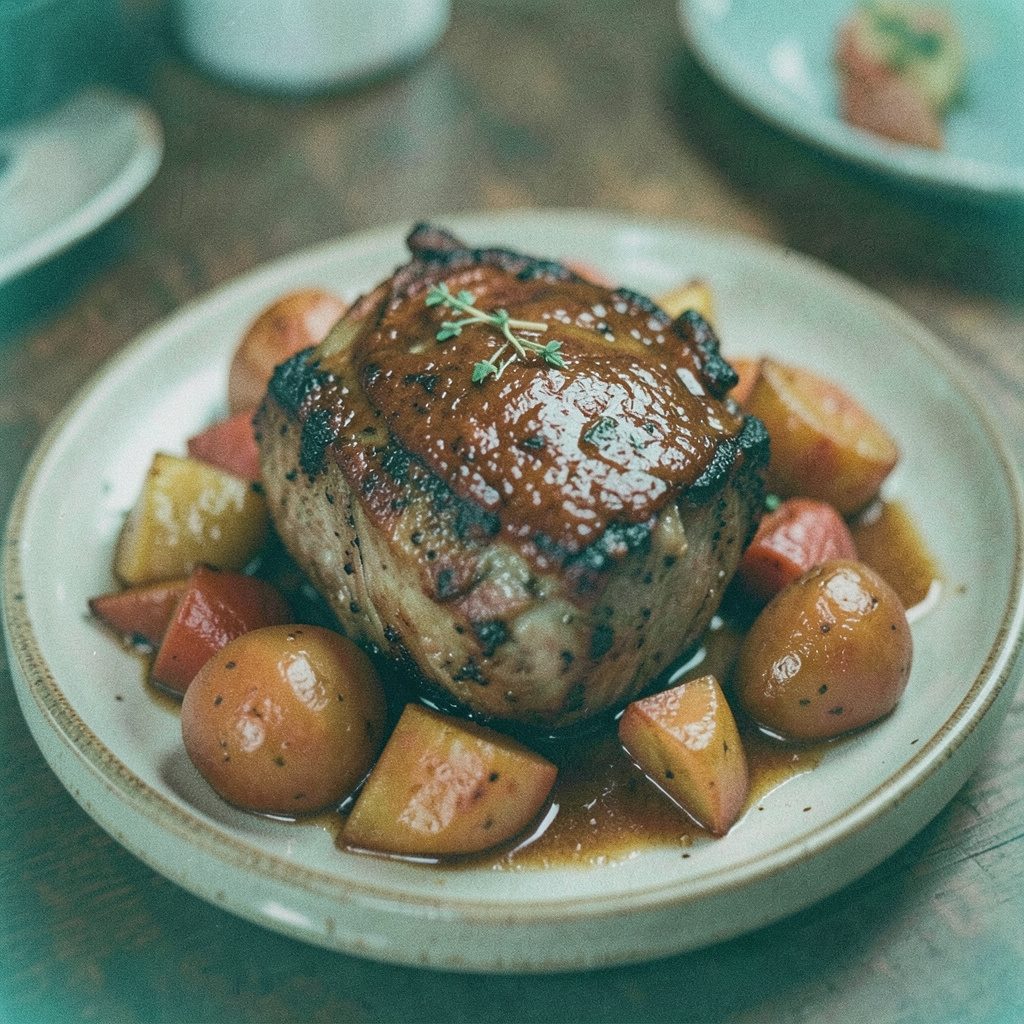
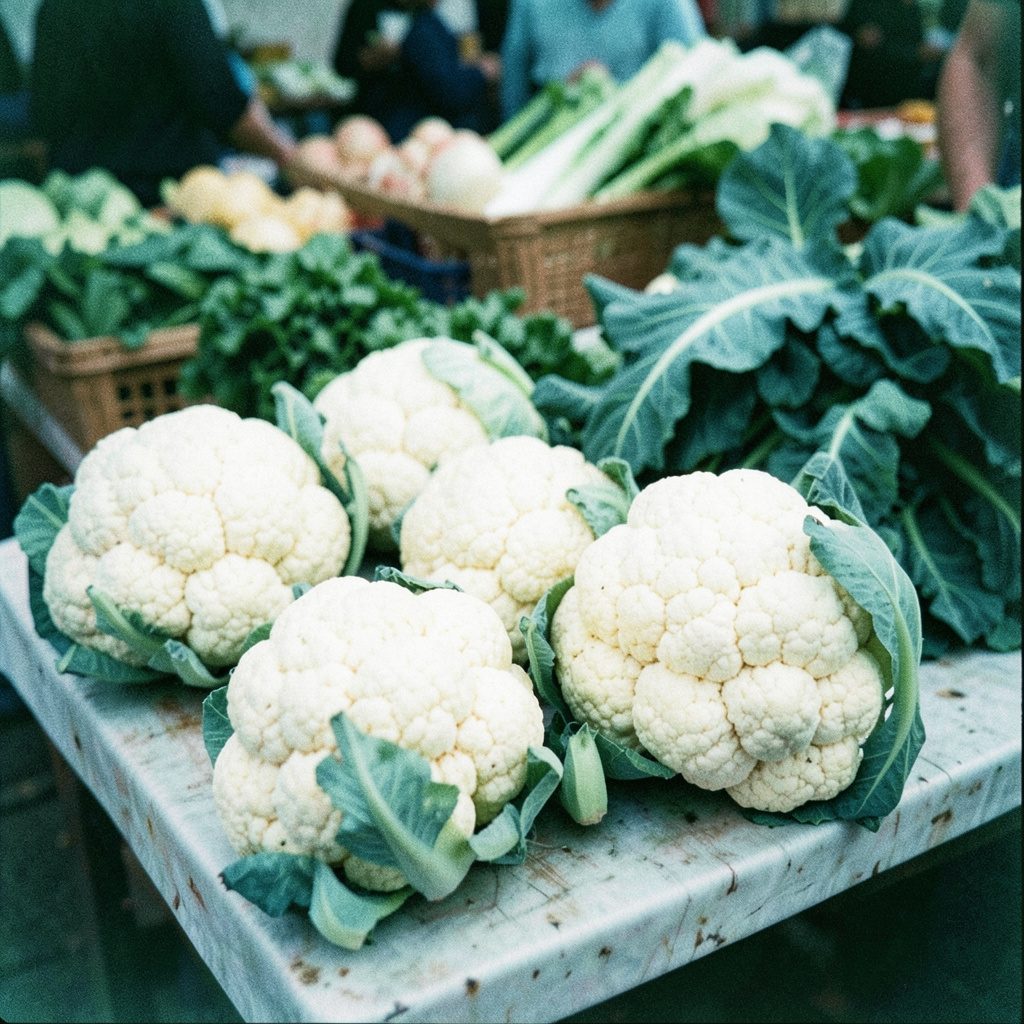
Watch & cook
Short clips from the kitchen.
 ▶
▶
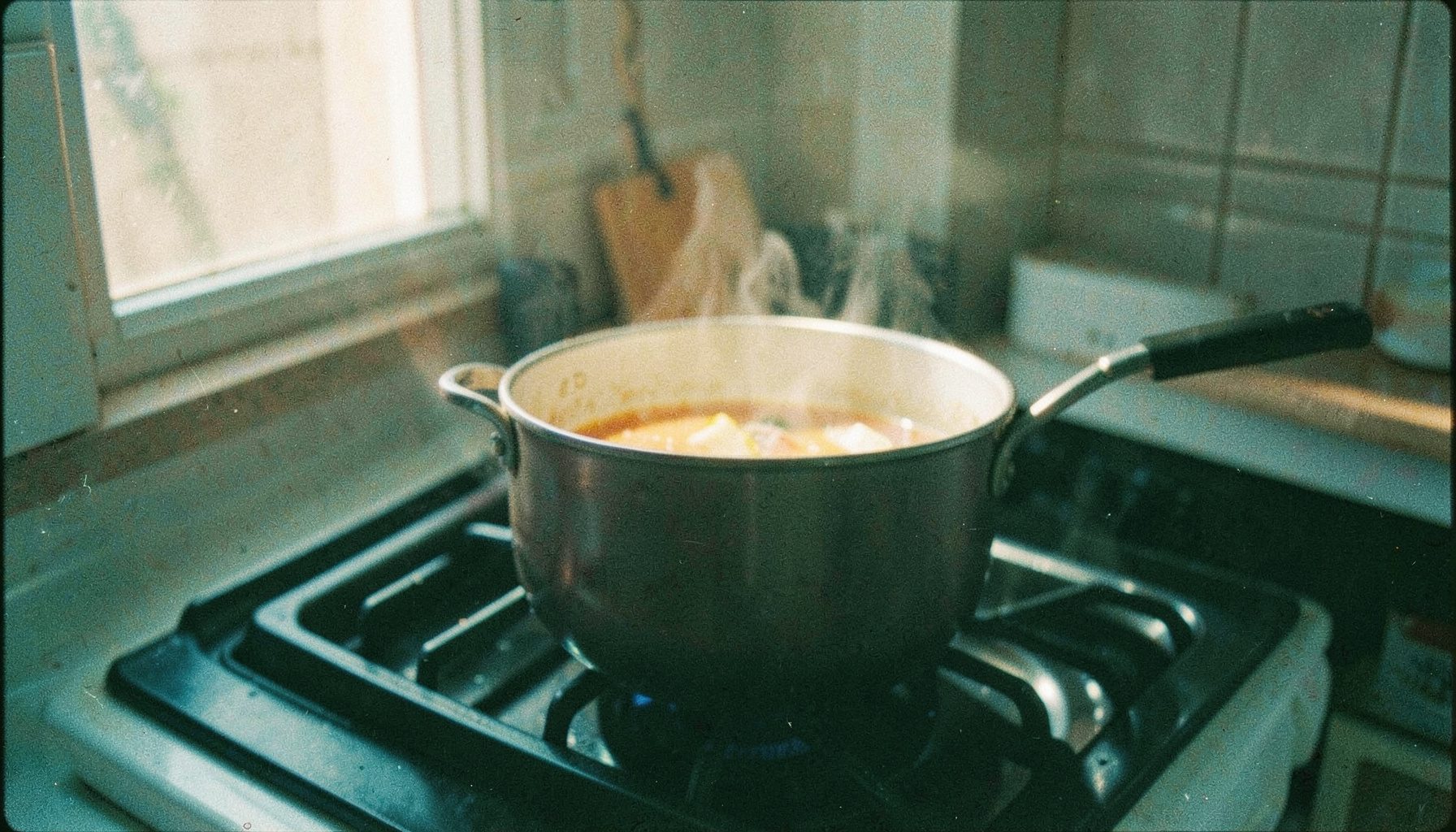
Surf and Turf in a Soup
 ▶
▶
Clarifying Clarified Butter
 ▶
▶
Blueberry Dumplings
Weeknight Bolognese With All-Day Depth
A rich meat sauce usually suggests a lazy Sunday, a heavy pot and hours of gentle bubbling. Yet a weeknight version can deliver the same rounded flavour when each ingredient is given a purposeful moment in the pan. The secret is less about cooking all day and more about building layers quickly: browned mince, softened vegetables, concentrated tomato and a short finish with dairy.
This approach suits busy Australian kitchens, whether dinner follows a long Sydney commute, a rainy Melbourne afternoon or the after-school rush in Brisbane. The sauce can be made in under an hour, stored for tomorrow’s lunch and adapted to whatever fresh produce is in season. It is comforting, colourful and practical without tasting hurried.
The Shortcut Is Layering Flavour
Start with a wide, heavy-based saucepan or Dutch oven. A broad cooking surface helps moisture evaporate, allowing the mince to brown instead of steam. Heat a little olive oil, add the beef in batches if needed, and leave it undisturbed for a few minutes. Deep golden edges create savoury flavour that simmering alone cannot provide.
Once the meat is browned, transfer it to a bowl and cook the onion, carrot and celery in the same pan. This trio forms the aromatic base, while the browned bits left behind dissolve into the vegetables. Add garlic only after the vegetables have softened, as it can become bitter if cooked for too long over high heat.
Deglaze the pan with a splash of dry red wine, beef stock or water, scraping firmly with a wooden spoon. A small amount of liquid lifts the caramelised fond and prevents the sauce from tasting flat. For a family-friendly pot, stock or water works perfectly well.
Build A Better Base In Minutes
Tomato paste deserves its own stage. Stir it through the softened vegetables and cook for two to three minutes until it darkens slightly and smells sweet. This quick step removes its raw edge and gives the finished sauce a more intense tomato character.
Add crushed tomatoes, the browned beef, a bay leaf and dried oregano. A pinch of chilli flakes can add gentle warmth, while finely chopped rosemary brings a more aromatic profile. Keep the seasoning measured at first; the sauce will reduce, concentrating both salt and sweetness.
The rapid simmer should be gentle rather than aggressive. Partly cover the pan and cook for 30 to 40 minutes, stirring occasionally. If the mixture becomes too thick before the flavours come together, add a ladleful of pasta water or unsalted stock. The goal is a sauce that clings to pasta but still looks glossy and spoonable.
Choose Ingredients That Work Hard
Beef mince with moderate fat content gives the sauce tenderness and flavour. Very lean mince can produce a dry, crumbly result, while a little fat carries the taste of garlic, herbs and tomato throughout the pot. For a lighter variation, replace a third of the beef with finely chopped mushrooms or grated zucchini.
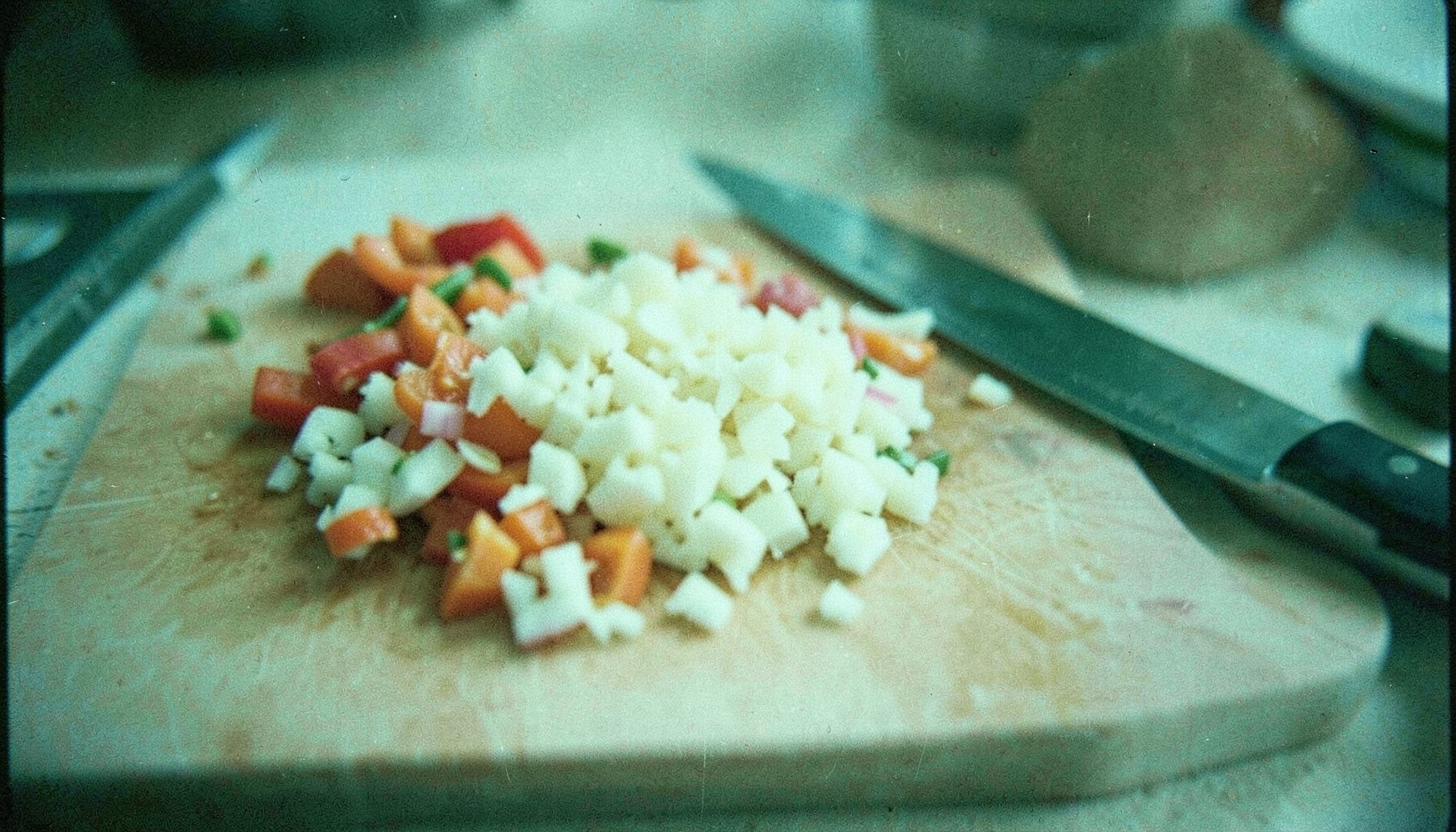
Use vegetables in small, even dice so they soften within the cooking time. Grated carrot melts into the sauce and brings natural sweetness, while finely diced capsicum adds colour. In summer, Australian tomatoes from a local market can be folded through with canned tomatoes; in winter, quality tinned tomatoes offer more reliable flavour.
A dash of milk near the end is a traditional way to soften the acidity of tomato and round out the meat. Cream is unnecessary. For extra depth, add a teaspoon of Vegemite or yeast extract to the stock, remembering that both can be salty. Taste before adding more salt.
Make It Fit An Australian Weeknight
Keep the method flexible around local shopping habits. Supermarkets in Sydney, Adelaide and Perth usually make it easy to find soffritto vegetables, fresh herbs and several types of mince, while weekend farmers’ markets can supply sweet carrots, celery and herbs at their seasonal best. If the crisper drawer is sparse, onion, carrot and grated zucchini are enough to create a balanced base.
The sauce is particularly useful for the Australian habit of cooking once and stretching dinner across several meals. Serve it with spaghetti on Tuesday, spoon it over baked potatoes on Wednesday and use the remainder in lasagne or stuffed capsicums. Wholemeal spaghetti, lentil pasta or crusty sourdough can change the texture without requiring a new recipe.
For a warm-weather version in Brisbane or Darwin, make the sauce earlier in the day and reheat it gently rather than cooking during the hottest part of the evening. In cooler Hobart or Canberra weather, a bubbling pot can share the oven with roasted vegetables, making the kitchen work harder while dinner comes together.
Cook, Cool, And Store It Safely
Food safety matters when a meat sauce is prepared ahead. Follow Food Standards Australia New Zealand guidance by cooling leftovers promptly, dividing a large quantity into shallow containers so heat escapes faster. Avoid leaving the saucepan on the bench for hours after dinner, even if the kitchen feels cool.
Refrigerate the sauce once it has stopped steaming heavily, and use it within a few days. Reheat only the amount needed until it is piping hot throughout, then serve immediately. If freezing, label containers with the date and leave a little room for expansion. Thaw in the refrigerator overnight or use a microwave defrost setting before reheating.
Cook pasta separately and combine it with sauce only when serving. This keeps the noodles from absorbing all the liquid during storage. Reserve some pasta water at dinner, too; a splash stirred into the reheated sauce restores its silky consistency without diluting the flavour.
Serve It Beyond Spaghetti
Spaghetti is familiar, but thicker shapes such as rigatoni, pappardelle and penne hold a hearty mince sauce particularly well. Toss the pasta in the pan for the final minute with a little cooking water, allowing the sauce to coat every piece. Finish with parmesan, parsley and a drizzle of extra-virgin olive oil.
For a vegetable-forward plate, spoon the Bolognese over roasted eggplant, steamed greens or baked potatoes. It also makes an excellent filling for jaffles, savoury pies and zucchini boats. A handful of baby spinach stirred through at the end wilts quickly and adds colour without changing the character of the sauce.
Balance the richness with a crisp salad dressed in lemon and olive oil. Garlic bread is welcome for soaking up the last of the sauce, while a simple fruit dessert keeps the meal relaxed. If you want a small sweet finish, ideas from this chocolate biscuit recipe can provide an easy make-ahead option.
A Reliable Routine For Busy Nights
A few small habits make this fast Bolognese consistently successful. Prepare the vegetables before heating the pan, brown the mince properly and resist adding every ingredient at once. Those minutes of attention create the deep, slow-cooked impression without demanding a whole afternoon.
Keep the recipe adaptable rather than treating it as a fixed formula. Different brands of tomatoes vary in acidity, mince may release different amounts of fat, and seasonal vegetables can change the texture. Taste at several points and adjust with stock, milk, herbs or a small pinch of sugar only when needed.
- Brown the mince in batches so it develops colour instead of releasing water.
- Cook tomato paste briefly before adding liquid to deepen its flavour.
- Simmer uncovered for the final few minutes if the sauce needs thickening.
- Add milk or a spoonful of pasta water to soften and smooth the finish.
- Cool leftovers in shallow containers and refrigerate them promptly.
- Freeze extra portions in single-meal containers for an effortless dinner.
Make a pot this week and keep half for another meal. With a few fresh vegetables, pantry tomatoes and a well-seasoned base, an ordinary Tuesday dinner can taste as though it has been quietly simmering since morning. Pull up a chair, grate over the parmesan and cook along with us.
Meet the cooks
Two friends, two kitchens, one shared notebook.

Jessica
"I write down what worked, what flopped, and what to try next week."

Kathrin
"Recipes should leave room for the fridge and the season."
Get in touch
We read every message.