Easy, Fresh and Colorful Meals
A friendly food journal by Jessica and Kathrin, gathering simple soups, bright vegetables, and quick weeknight fixes for cooks who want to put a good meal on the table without fuss.
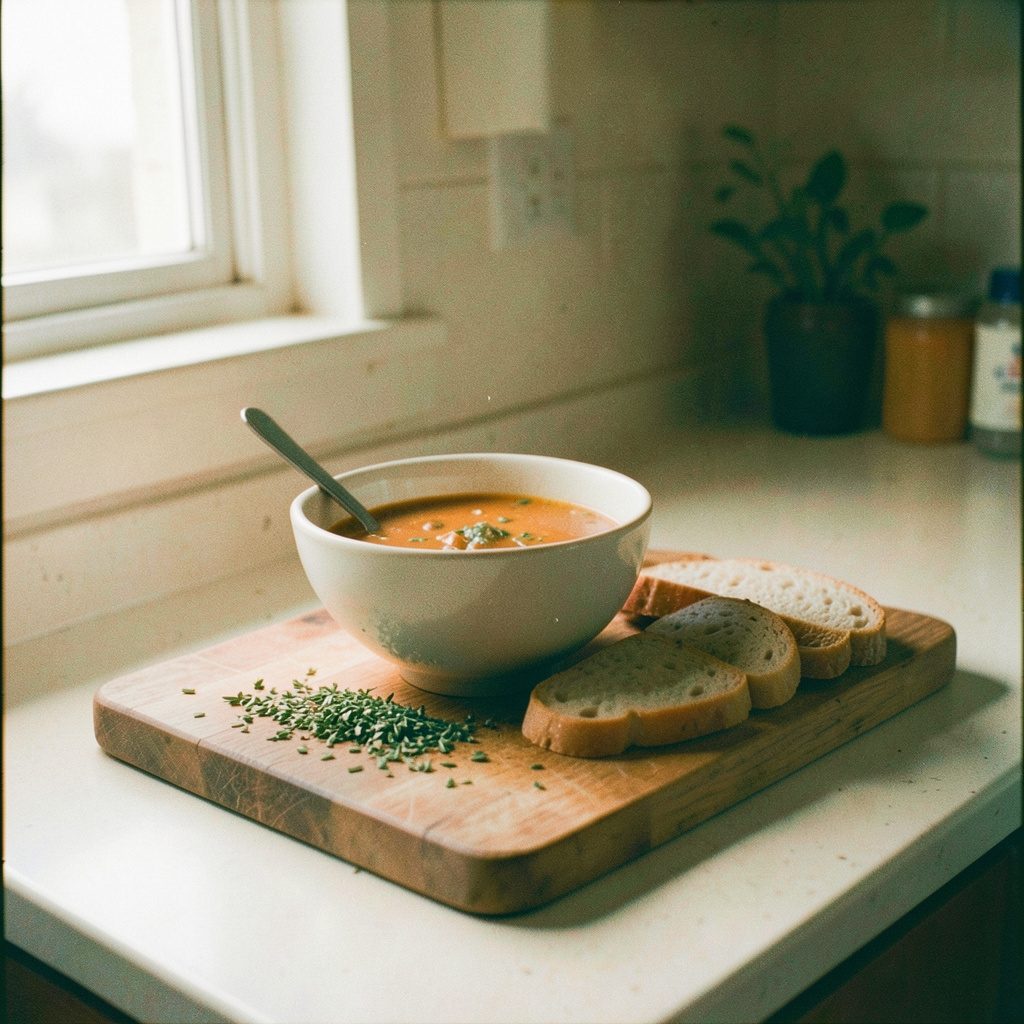
From the kitchen
A few of the meals we've been making lately.
Watch & cook
Short clips from the kitchen.
 ▶
▶
Surf and Turf in a Soup
 ▶
▶
Clarifying Clarified Butter
 ▶
▶
Blueberry Dumplings
Rosemary and garlic roasted potatoes with a crispy edge
Golden potatoes with frilly, crunchy edges and a soft, fluffy centre can turn an ordinary dinner into something worth lingering over. Rosemary and garlic bring a warm, savoury fragrance, while a few simple cooking choices create the texture that makes roast potatoes so irresistible.
This easy side dish suits a relaxed Sunday roast, a midweek meal, or a backyard barbecue. It uses everyday ingredients available across Australia and rewards a little preparation rather than complicated technique. Serve the potatoes alongside roast chicken, grilled lamb, baked fish, or a colourful vegetable spread.
Choose potatoes for texture
The best potatoes for roasting have enough starch to become fluffy inside while still holding their shape. In Australia, look for brushed potatoes, Sebago, Dutch Cream, Desiree, or larger white potatoes. Small chat potatoes are convenient and attractive, though their waxier texture gives you a firmer centre and a less craggy edge.
For the most dramatic crunch, choose medium-sized potatoes and cut them into similar pieces. Uneven chunks cook at different rates, leaving some browned before others are tender. Pieces around four to five centimetres wide are a useful guide, particularly when cooking in a standard Australian oven at 220°C.
There is no need to peel every potato. Leaving the skin on adds colour, flavour, and a rustic finish, especially when the potatoes are fresh and well scrubbed. Peel older potatoes if the skin looks tough or marked, then rinse away any loose starch and grit.
Build the rosemary and garlic flavour
Fresh rosemary has a resinous, pine-like aroma that stands up well to high heat. Strip the leaves from a few sprigs, chop them finely, and reserve a little for serving. Dried rosemary can work in a pinch, but use less because its flavour is more concentrated and its texture can be slightly woody.
Garlic needs thoughtful timing. Finely chopped or crushed garlic can burn during a long roast, becoming bitter before the potatoes are ready. Toss the potatoes with oil and rosemary at the start, then add fresh garlic during the final 15 to 20 minutes. Another option is to roast whole, lightly crushed cloves, which become sweet and mellow in their skins.
Use a neutral oil such as grapeseed, sunflower, canola, or light olive oil. Extra-virgin olive oil adds lovely flavour, but very high oven temperatures can make its character less pronounced. A small knob of butter stirred through the hot potatoes at the end gives them a glossy finish without risking burnt milk solids.
Create a crisp surface
Parboiling is the quiet trick behind a properly crunchy roast potato. Place the cut potatoes in a large saucepan of cold, salted water, bring it to a simmer, and cook for about eight minutes. The outside should soften while the middle remains firm enough to handle.
Drain the potatoes thoroughly, then let them steam-dry for several minutes. Moisture on the surface turns into steam in the oven, delaying browning. Once dry, shake the potatoes gently in the colander or saucepan. The softened edges will become rough and floury, creating more surface area for oil to cling to and crisp.
For even better results, heat the roasting tray while the oven comes to temperature. When the potatoes meet hot metal, they begin searing immediately rather than slowly warming in oil. This matters in a fan-forced oven, where hot air circulates efficiently but a crowded, cool tray can still produce pale results.
Roast with space and patience
Preheat the oven to 220°C, or 200°C fan-forced. Add a generous layer of oil to a large roasting tray and heat it for several minutes. Carefully tip in the potatoes, turning them to coat. They should sit in a single layer with a little room between pieces.
Roast for 35 to 50 minutes, turning once or twice, until the edges are deep golden and the centres yield easily to a knife. The exact timing depends on the potato variety, the size of the pieces, and how efficiently your oven runs. Australian ovens vary considerably, so use colour and tenderness as your guide rather than relying only on the clock.
Add the chopped garlic during the final stage, tossing it through the potatoes with the rosemary. If the garlic begins to darken too quickly, lower the tray to a less intense shelf or cover it loosely with foil for a few minutes. Finish with flaky salt, black pepper, and the reserved rosemary while everything is still hot.
Serve them with Australian favourites
These potatoes are at home beside a lamb shoulder, barbecue sausages, or a simple steak cooked on the grill. They also make a useful vegetarian meal component with a fried egg, steamed greens, and a sharp tomato salad. For an Australian summer table, serve them with grilled prawns, lemony fish, or a crunchy slaw rather than a heavy gravy.
A cool sauce gives the hot potatoes contrast. Try Greek yoghurt with lemon zest, chopped parsley, and a little Dijon mustard, or make a quick aioli with roasted garlic. A spoonful of mint sauce is especially good with lamb, while a drizzle of tahini and lemon works beautifully with chickpeas and roasted vegetables.
If you are planning a larger gathering in Sydney, Brisbane, Perth, or Adelaide, prepare the potatoes through the parboiling stage earlier in the day. Keep them uncovered so the surfaces stay dry, then roast shortly before serving. They are best straight from the oven, when the edges are crisp and the centres are still steaming.
Make the method work every time
Small details make this recipe reliable. Avoid rinsing the potatoes after parboiling, as the starchy coating helps browning. Do not pour cold oil onto a crowded tray, and resist checking the oven too often. Each opened door releases heat and extends the cooking time.
For extra flavour, add a pinch of smoked paprika, a little lemon zest, or a few cracked coriander seeds. If rosemary is growing strongly in a garden or pot, use the younger sprigs, which are softer and more fragrant. A scattering of chopped parsley at the end brings freshness and colour.
When planning a broader meal, browse editors' picks for ideas that pair with this versatile side. The same crisping method also works with pumpkin, sweet potato, carrots, and cauliflower, though softer vegetables usually need less parboiling and a closer eye near the end.
Practical tips for crisp roast potatoes
- Salt the cooking water well so the potato is seasoned from the centre outward.
- Dry the drained potatoes thoroughly before adding oil.
- Roughen the edges gently to create more areas for browning.
- Preheat both the oven and roasting tray before cooking.
- Keep the pieces in one layer with space around them.
- Add minced garlic late so it turns golden rather than bitter.
- Finish with flaky salt and herbs immediately before serving.
A little planning also helps when shopping. Australian supermarkets often sell potatoes in several varieties, but labels can differ between Coles, Woolworths, independent grocers, and farmers' markets. If the packet is marked suitable for roasting, it is a useful starting point; otherwise, choose a floury or all-purpose variety and test the first batch for tenderness.
For more everyday cooking ideas and useful kitchen inspiration, explore simple meal ideas that can sit alongside a tray of rosemary potatoes. The best version of this dish is the one that fits your household: use the herbs available, adjust the seasoning, and let the oven do the work.
Bring the tray to the table while the potatoes are hot, crisp, and fragrant. Add a fresh salad, your favourite main course, and a bowl of sauce, then make this dependable side part of your next relaxed home-cooked meal.
Meet the cooks
Two friends, two kitchens, one shared notebook.

Jessica
"I write down what worked, what flopped, and what to try next week."

Kathrin
"Recipes should leave room for the fridge and the season."
Get in touch
We read every message.