Easy, Fresh and Colorful Meals
A friendly food journal by Jessica and Kathrin, gathering simple soups, bright vegetables, and quick weeknight fixes for cooks who want to put a good meal on the table without fuss.
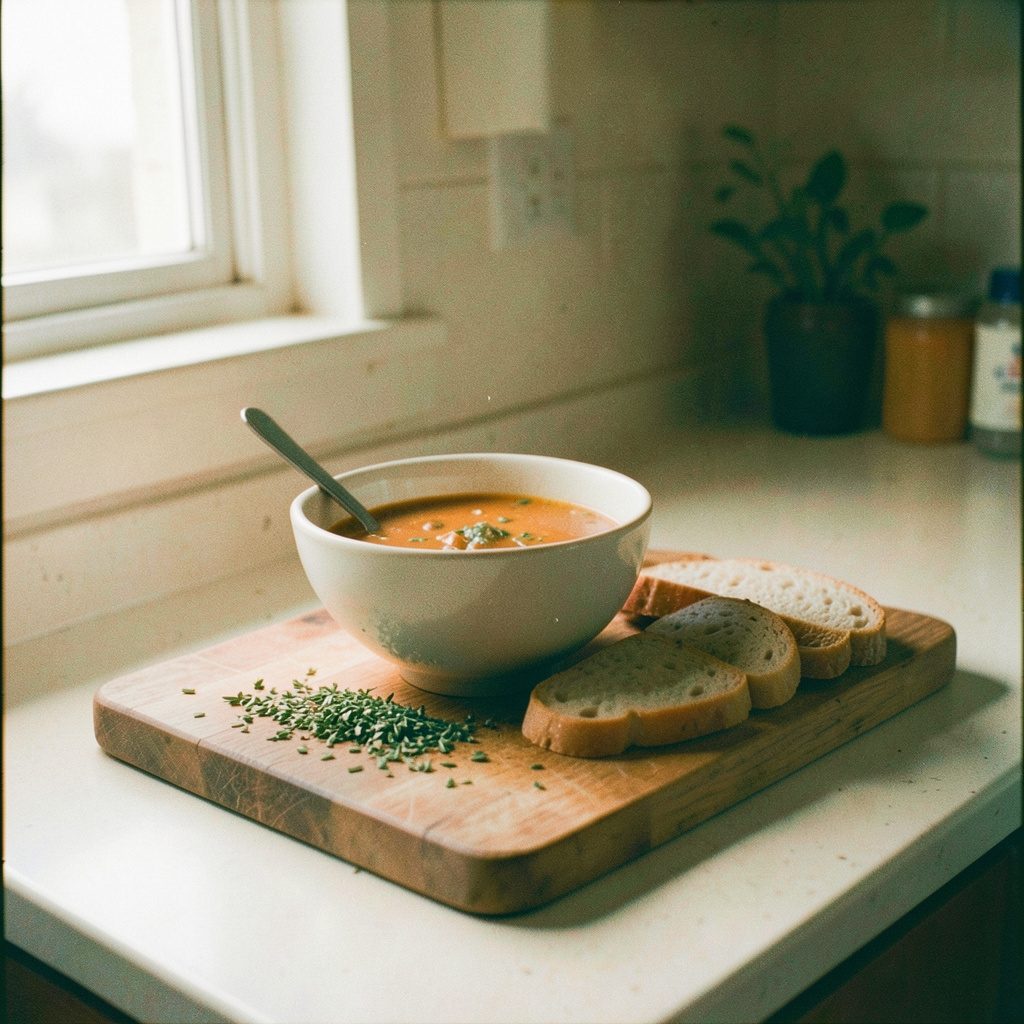
From the kitchen
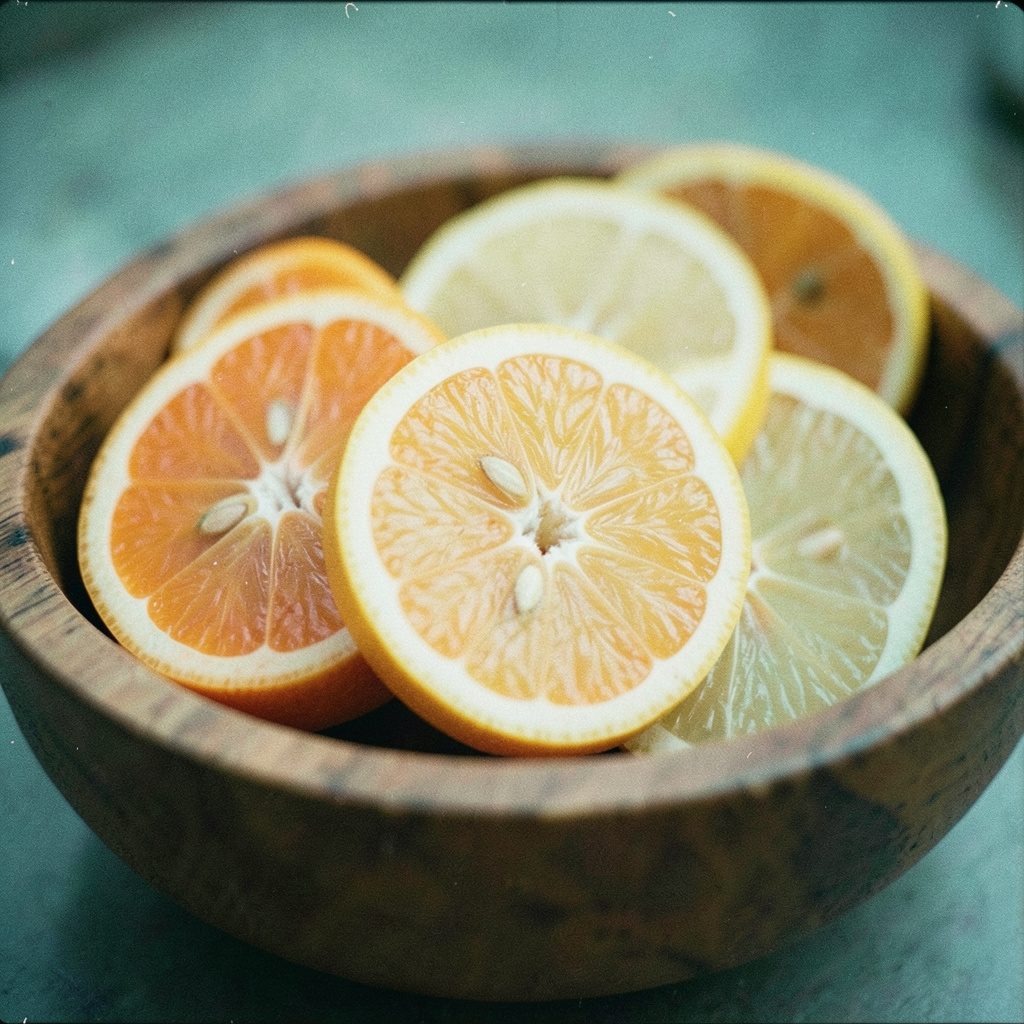
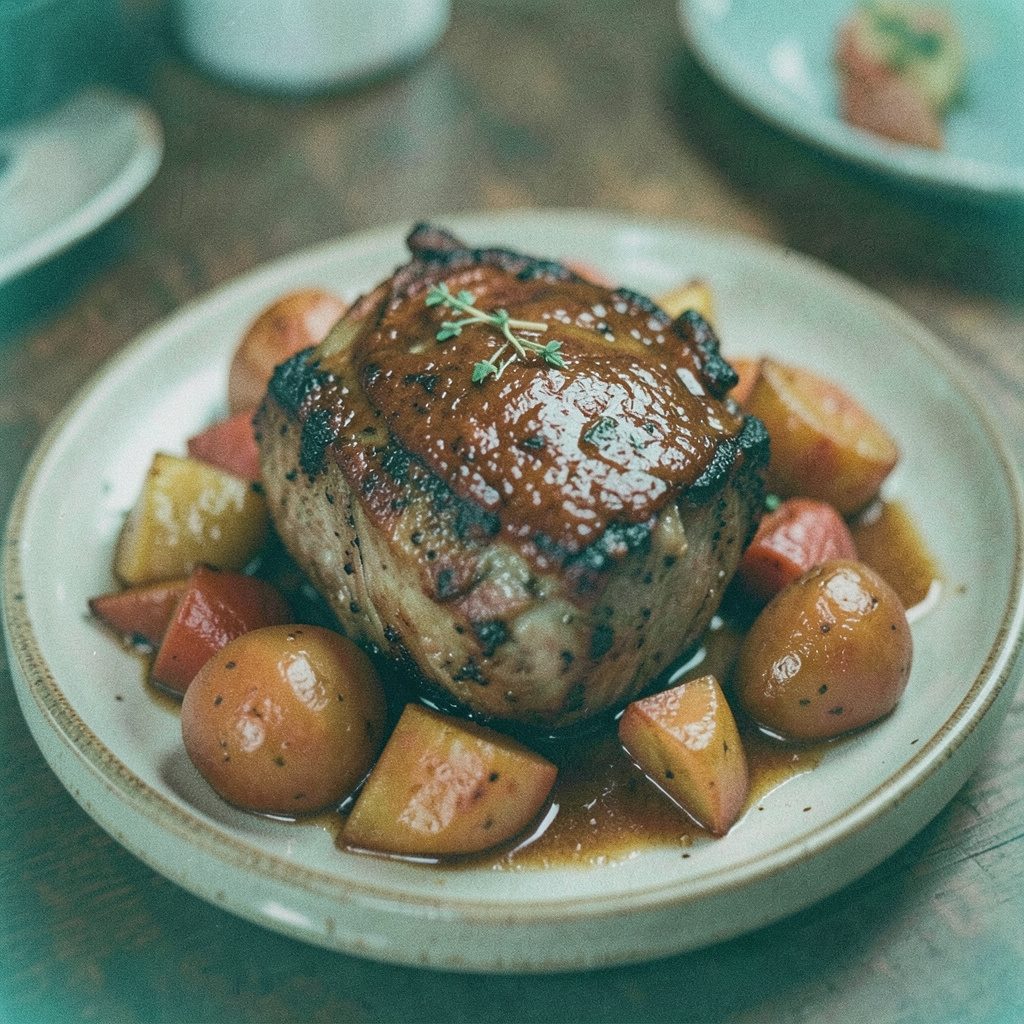
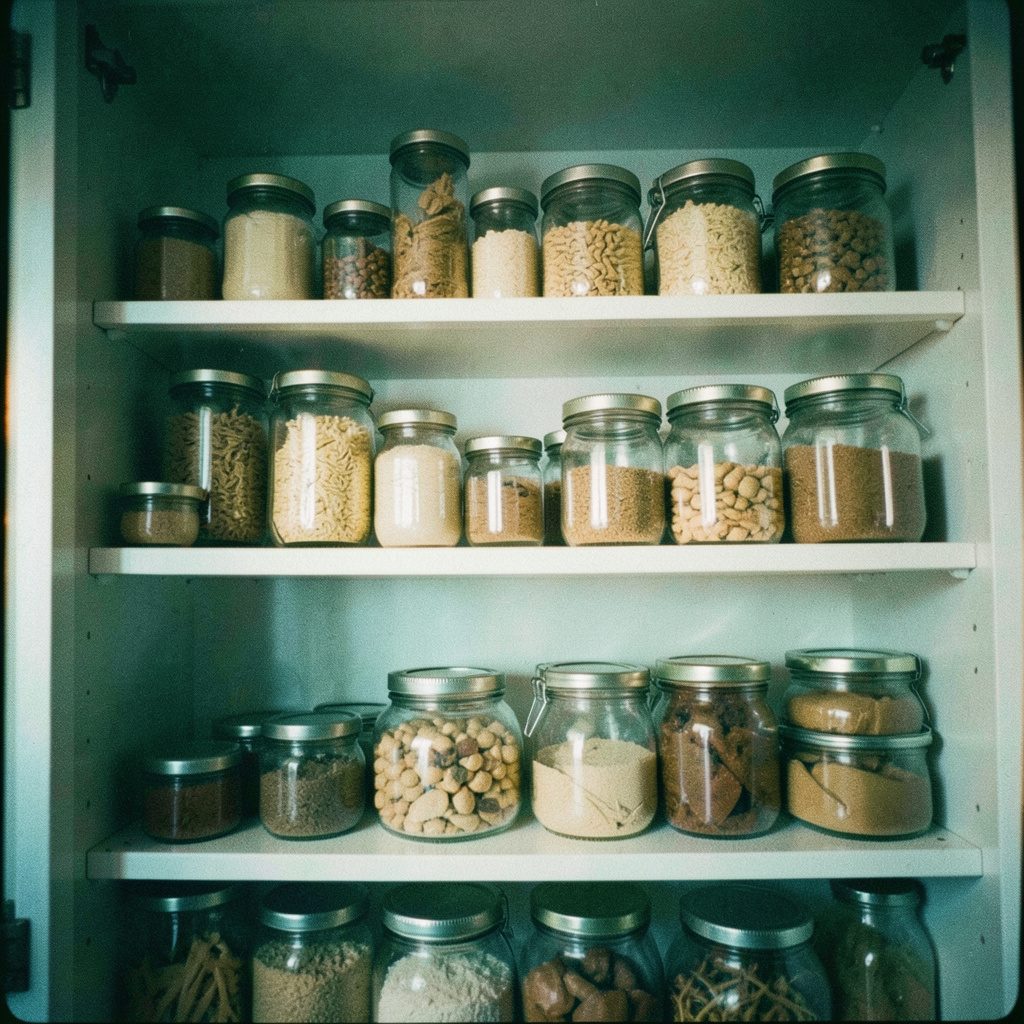
A few of the meals we've been making lately.
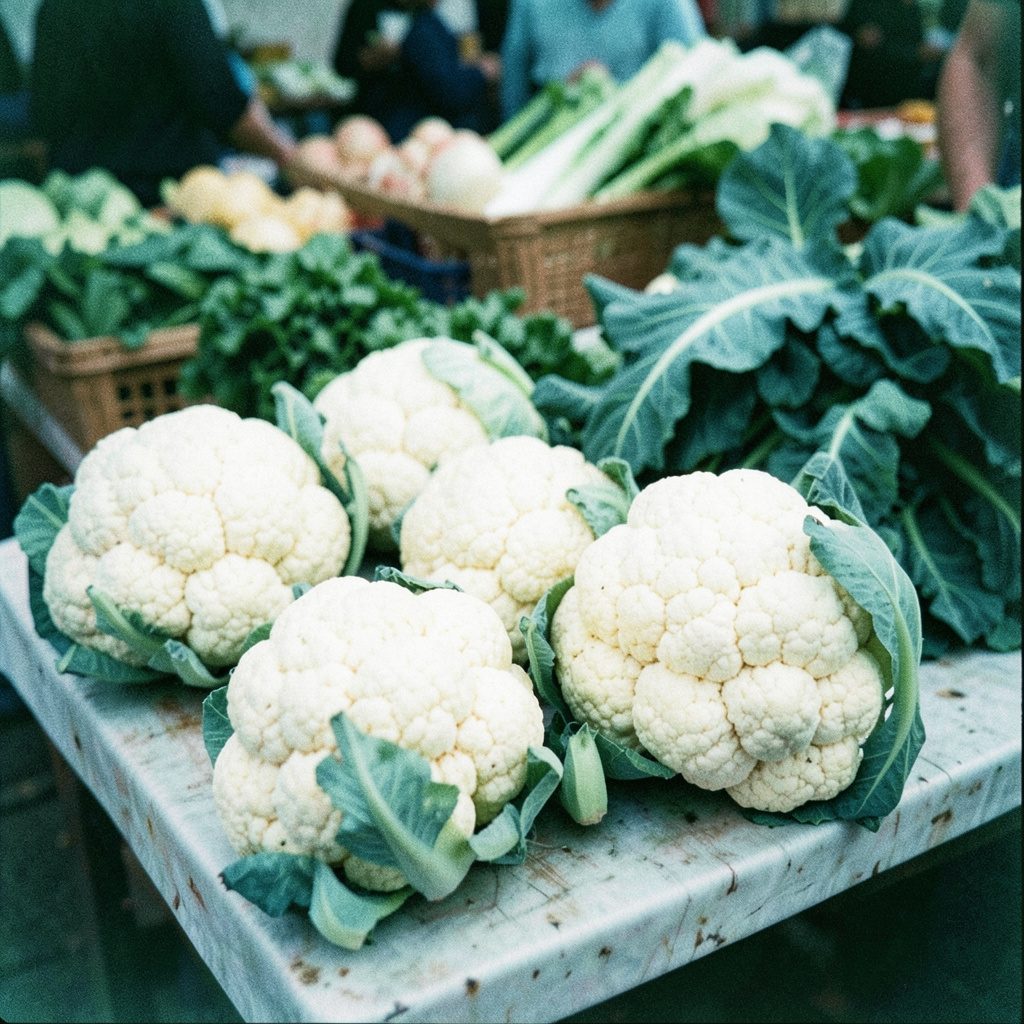
Watch & cook
Short clips from the kitchen.
 ▶
▶
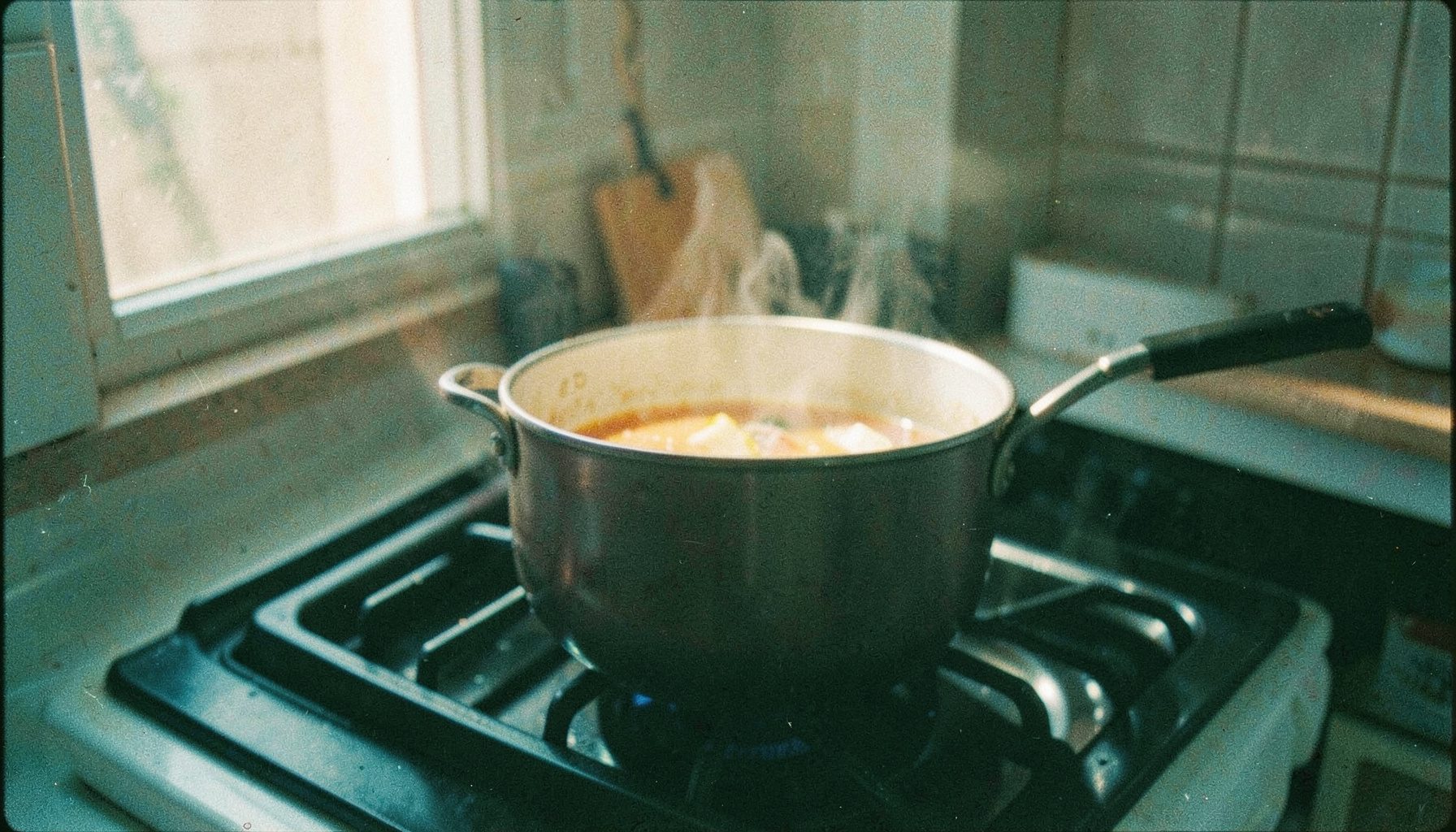
Surf and Turf in a Soup
 ▶
▶
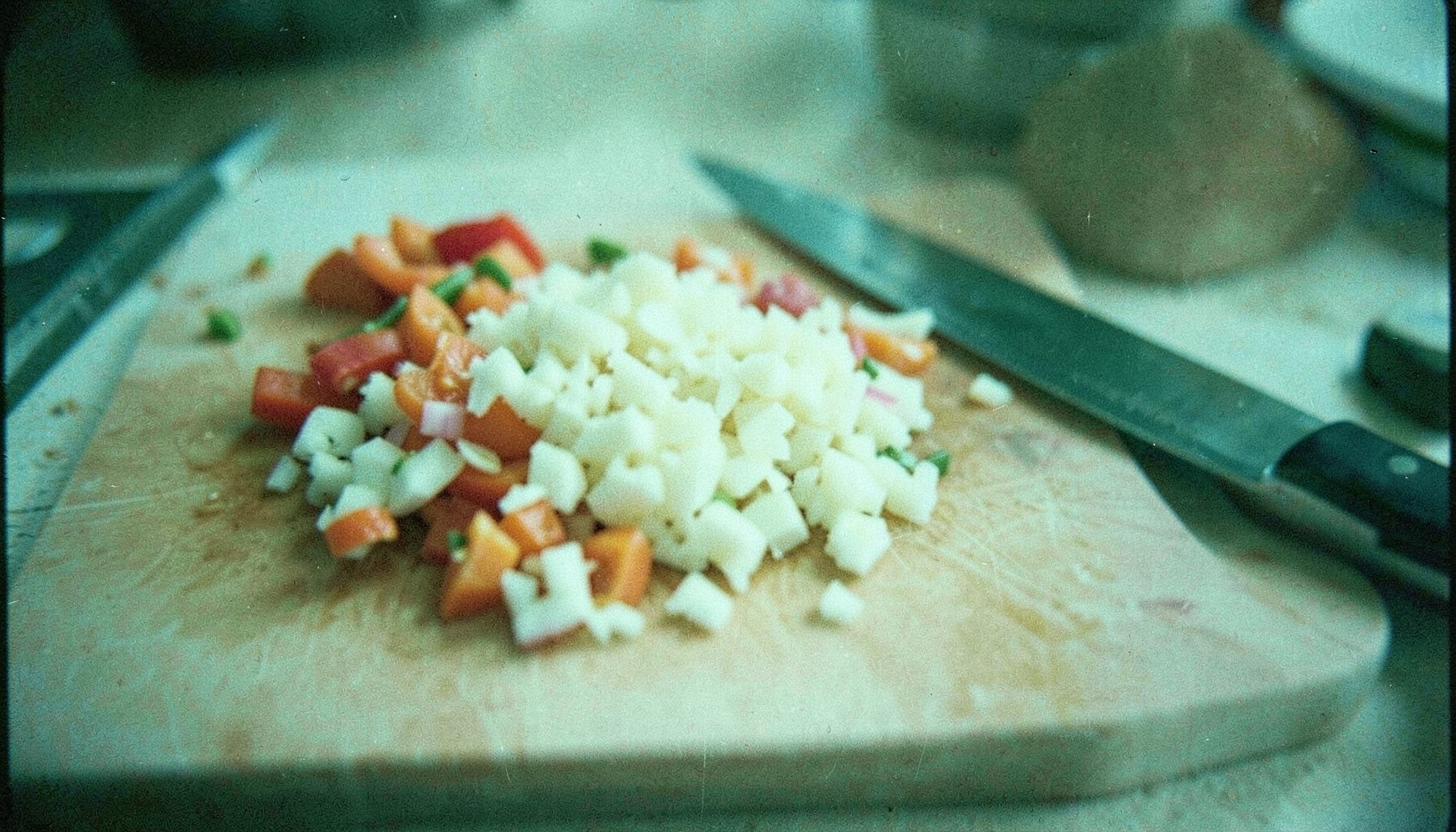
Clarifying Clarified Butter
 ▶
▶
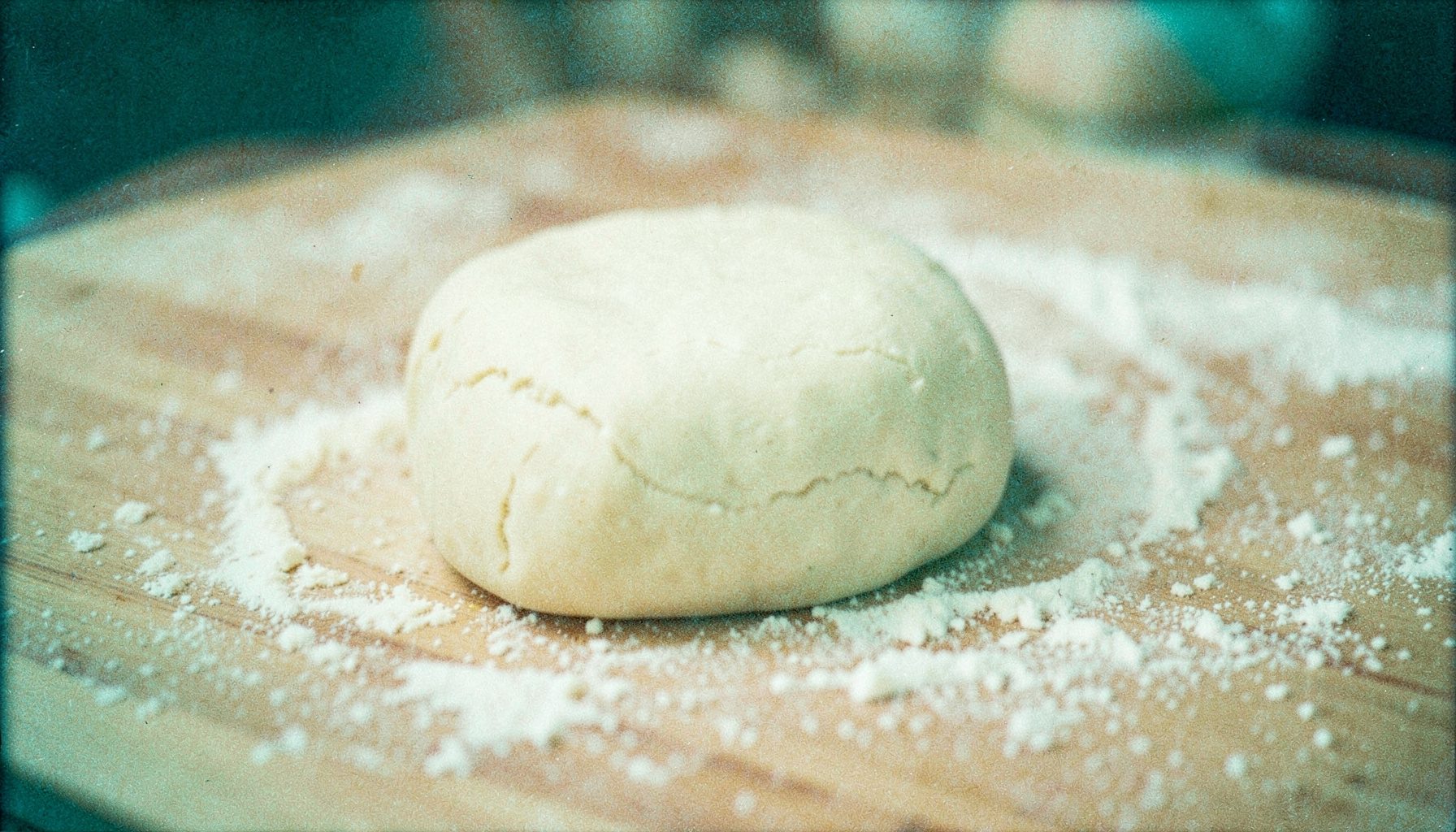
Blueberry Dumplings
Build Your Own Grain Bowl: A Foolproof Formula
A grain bowl is one of the easiest ways to turn a few everyday ingredients into a colourful, satisfying meal. Start with a hearty base, add vegetables, include a source of protein, and finish with a generous spoonful of dressing. The result can be light enough for lunch, substantial enough for dinner, and flexible enough to suit whatever is in the fridge.
This style of cooking works especially well in Australia, where seasonal produce changes dramatically from one part of the country to another. A Brisbane summer bowl might feature mango, cucumber and herbs, while a cooler Melbourne evening calls for roasted pumpkin, silverbeet and warm lentils. The method stays the same, even when the ingredients shift.
The best grain bowls are built for real home kitchens. They use supermarket staples, farmers’ market finds and leftovers without requiring complicated techniques. Once you understand the balance of textures, flavours and nutrition, you can cook by instinct rather than following a rigid recipe.
Start With A Satisfying Grain
Choose one cooked grain as the foundation of your bowl. Brown rice is reliable and filling, while quinoa cooks quickly and adds a pleasantly nutty flavour. Pearl barley brings chewiness, farro offers a robust texture, and couscous is useful when dinner needs to be on the table in a hurry. You can also use soba noodles, roasted sweet potato or a mixture of grains.
For a meal-prep-friendly option, cook a larger batch and cool it promptly before storing it in the refrigerator. Portion the grain into shallow containers so it loses heat efficiently. In Australian kitchens, where warm weather can make food spoil faster, follow the two-hour/four-hour food safety rule: refrigerate perishable food within two hours, and discard it if it has spent more than four hours in the temperature danger zone.
Think about the grain’s personality when choosing the rest of the bowl. Delicate quinoa suits fresh herbs and citrus, while barley can handle roasted mushrooms, braised greens and a stronger dressing. A good base should contribute flavour, but its main job is to provide a sturdy, satisfying texture.
Add Vegetables In More Than One Form
A bowl becomes interesting when vegetables appear in contrasting forms. Combine something raw and crisp, such as shredded carrot, radish, cabbage or cucumber, with something roasted, steamed or sautéed. This creates the warm-and-cool contrast that makes a simple meal feel considered.
Use the produce available in your area and season. At Sydney or Melbourne markets, look for firm tomatoes, leafy greens and sweet corn during warmer months; in autumn and winter, pumpkin, beetroot, cauliflower and broccoli are excellent bowl ingredients. Frozen peas, tinned corn and pre-washed greens are useful choices when the fresh produce drawer is looking sparse.
Roasting brings caramelised edges and concentrated flavour, especially to pumpkin, carrots, cauliflower and eggplant. A quick pickle adds brightness to raw vegetables: cover sliced onion or cucumber with vinegar, a pinch of sugar and salt, then leave it for 15 minutes. Blanched greens keep their colour and soften enough to absorb dressing without becoming soggy.
Build In Protein And Staying Power
A grain bowl needs a substantial protein source to keep you satisfied. Try chickpeas, lentils, black beans, edamame, eggs, tofu, grilled chicken, tinned tuna or leftover roast meat. Ginger-braised pork meatballs, sliced beef or flaked salmon can turn the bowl into a more generous dinner, while a jammy egg is ideal for a quick lunch.
Aim for one clearly defined protein portion rather than adding small amounts of everything. This keeps the bowl balanced and makes the flavours easier to recognise. For a vegetarian meal, combine legumes with grains, then add seeds, yoghurt or cheese for extra protein and richness.
Marinades and spice blends help the protein feel integrated rather than added as an afterthought. Toss chickpeas with smoked paprika and olive oil before roasting, coat tofu with soy sauce and sesame, or season chicken with lemon, garlic and oregano. Check packaged ingredients for allergens, particularly if you are serving guests: Australian food businesses must follow Food Standards Australia New Zealand requirements for declaring major allergens on labels.
Use Dressing To Tie Everything Together
The dressing is where a grain bowl gains its identity. A simple formula is three parts oil or creamy base to one part acid, followed by seasoning. Olive oil with lemon juice creates a bright Mediterranean-style dressing; tahini, water and garlic make a nutty sauce; yoghurt with lime and herbs feels cool and fresh.
For a plant-based creamy element, blend ripe avocado with lime juice, water, salt and a little garlic. This avocado cream guide offers useful inspiration for getting the texture smooth enough to drizzle. Add water gradually because a dressing that seems thick in the blender may loosen once it coats warm grains.
Season the dressing more assertively than you think necessary. The grain and vegetables will soften its impact, so taste it with a spoonful of the finished ingredients rather than on its own. A pinch of chilli, grated ginger, toasted cumin or fresh coriander can shift the entire bowl towards Mexican, Middle Eastern or Southeast Asian flavours.
Layer Texture, Colour And Temperature
A good bowl should look abundant before you take the first bite. Place the grain in the bottom, then arrange vegetables and protein in sections or loose clusters. Finish with dressing, herbs and crunchy toppings so the colours remain visible and every forkful can collect several components.
Texture matters as much as colour. Add toasted pepitas, almonds, sesame seeds, crispy chickpeas, fried shallots or crushed rice crackers for crunch. Soft avocado, roasted vegetables and creamy feta balance those crisp elements, while fresh herbs provide a clean finish. A small amount of pickled vegetable can wake up an otherwise rich bowl.
For packed lunches, keep the dressing separate until eating time. Put it in a small leakproof container, with delicate leaves or crunchy toppings stored separately if possible. This is particularly useful for commuters in Perth, Adelaide or Canberra, where a bowl may sit in a work bag before lunchtime. An insulated lunch bag and ice brick help keep perishable ingredients cold.
Make The Formula Work For You
A useful shopping formula is one grain, two or three vegetables, one protein, one dressing and two finishing touches. This gives you structure without creating a long shopping list. If the pantry already contains rice, lentils and seeds, buy only fresh vegetables and a few herbs to create a complete meal.
You can also choose a flavour direction before cooking. For a Japanese-inspired bowl, use brown rice, edamame, cucumber, shredded carrot, sesame tofu and a miso dressing. For a Mediterranean version, combine pearl barley, roasted capsicum, chickpeas, tomato, cucumber, feta and lemon dressing. A warm Indian-style bowl could include basmati rice, roasted cauliflower, lentils, spinach, mango chutney and yoghurt.
Australia’s metric measurements make this kind of flexible cooking straightforward, but remember that an Australian tablespoon holds 20 millilitres, compared with the 15-millilitre tablespoon used in many American recipes. The difference matters in dressings, spice pastes and baking, so adjust imported recipes carefully. Taste as you go rather than relying on exact measurements alone.
The people behind Come and Cook with Us share the same practical spirit: approachable recipes that encourage fresh, colourful food without making home cooking feel like a performance. That mindset is perfect for grain bowls, where a few thoughtful choices matter more than elaborate presentation.
Cook a batch of grain, prepare one roasted vegetable and mix a dressing you genuinely enjoy. Then add whatever protein, herbs and crunchy toppings are available. Build your bowl, toss it gently, and make it your own with the flavours you love. Save the formula and use it for your next quick lunch, colourful dinner or reliable end-of-week fridge clear-out.
Meet the cooks
Two friends, two kitchens, one shared notebook.

Jessica
"I write down what worked, what flopped, and what to try next week."

Kathrin
"Recipes should leave room for the fridge and the season."
Get in touch
We read every message.