Easy, Fresh and Colorful Meals
A friendly food journal by Jessica and Kathrin, gathering simple soups, bright vegetables, and quick weeknight fixes for cooks who want to put a good meal on the table without fuss.
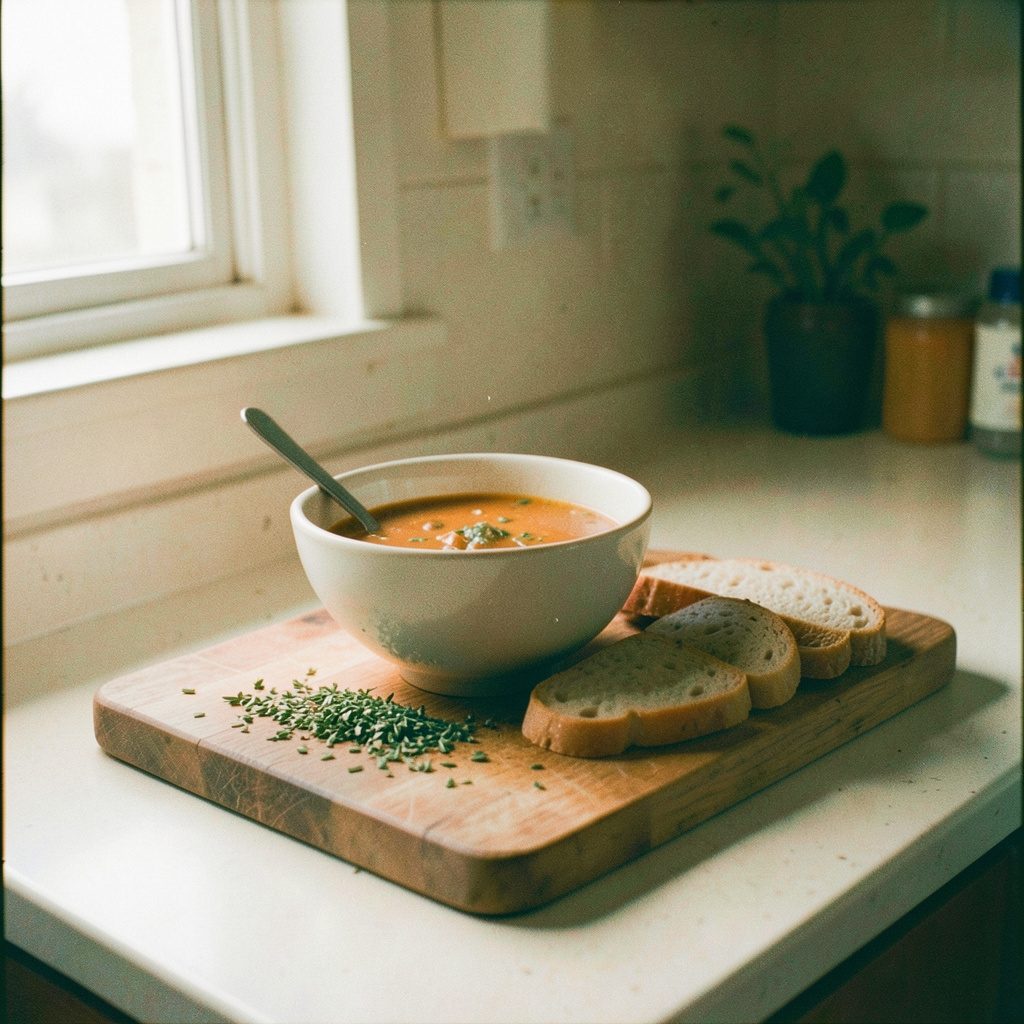
From the kitchen
A few of the meals we've been making lately.
Watch & cook
Short clips from the kitchen.
 ▶
▶
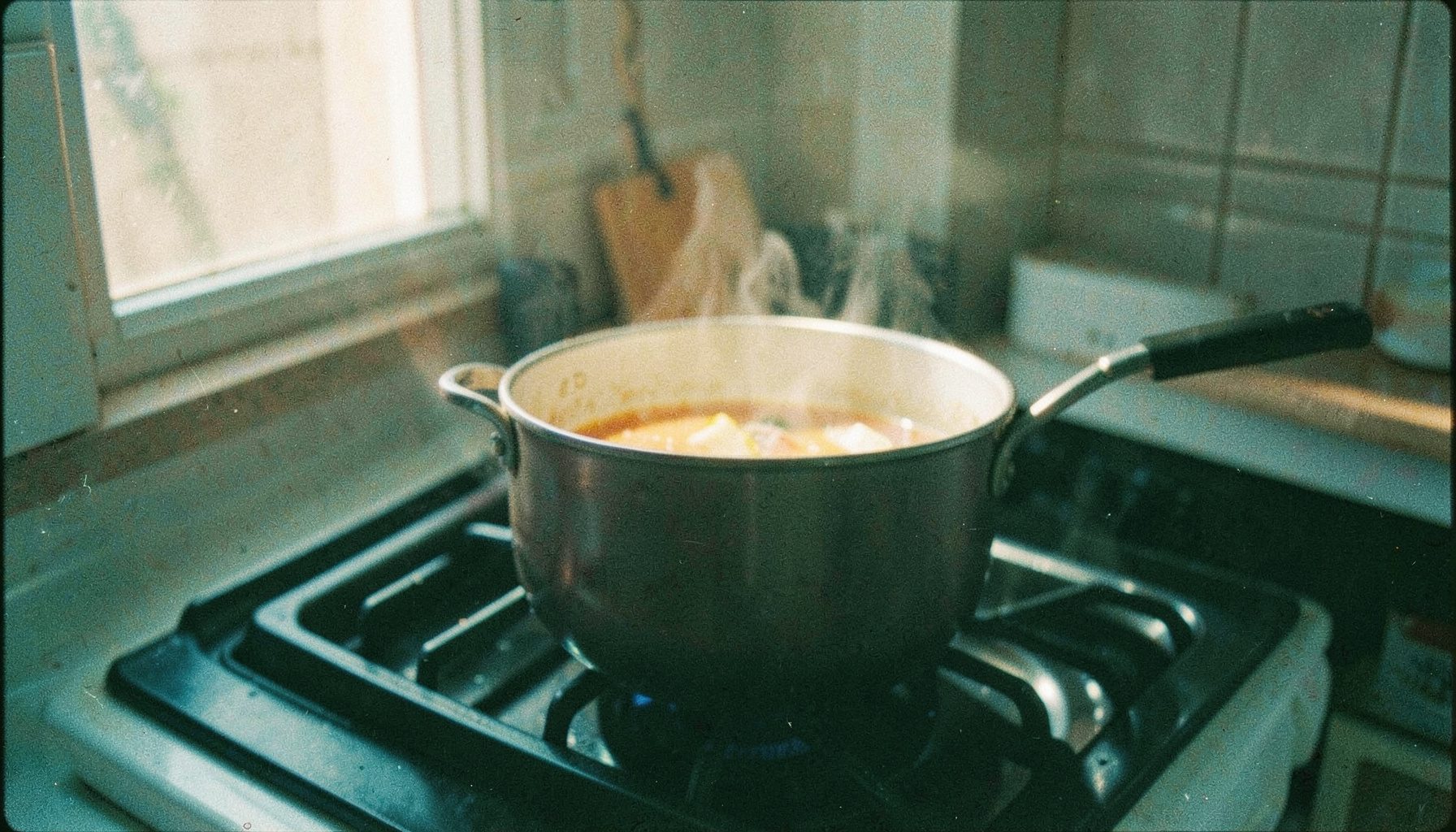
Surf and Turf in a Soup
 ▶
▶
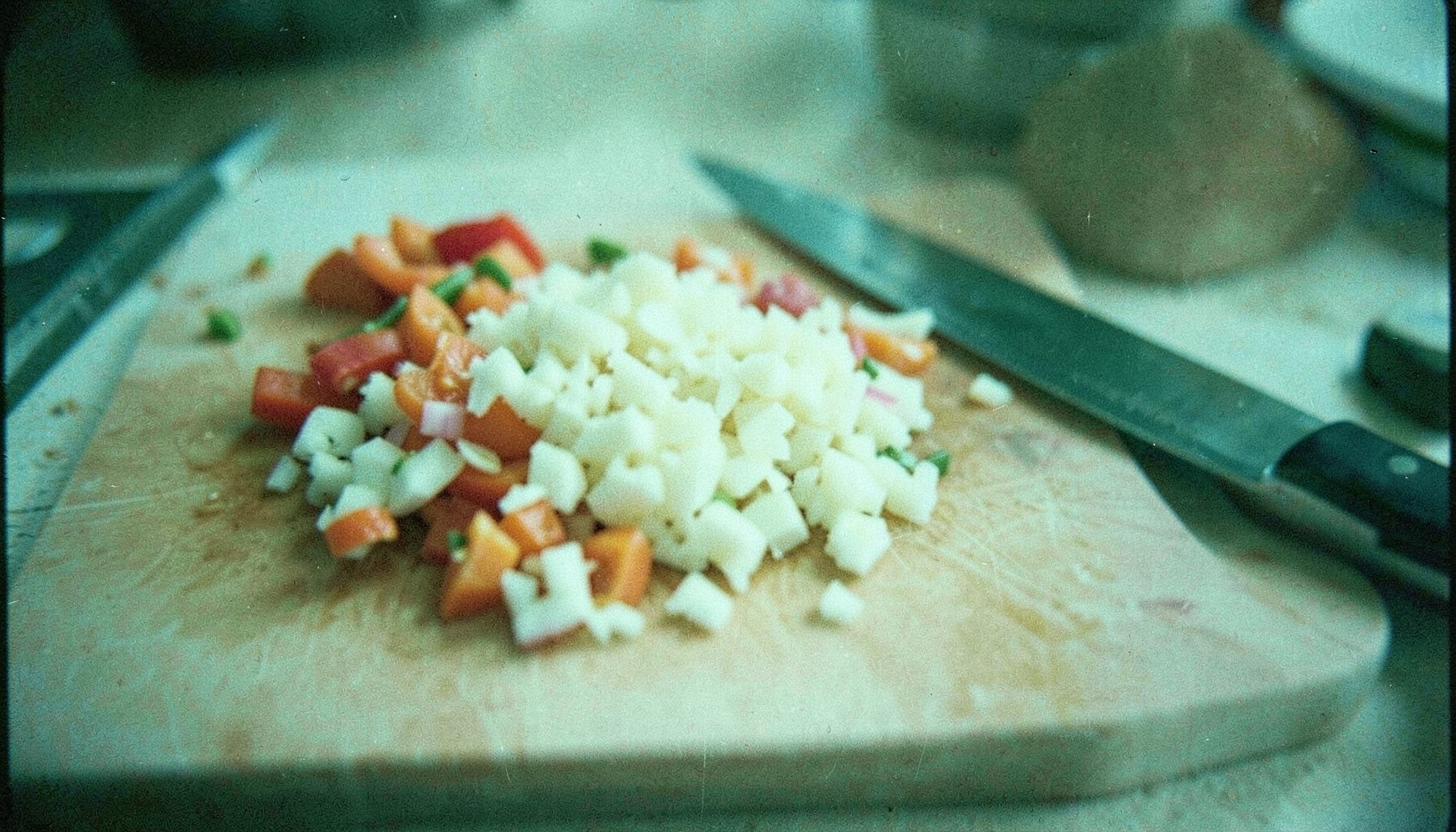
Clarifying Clarified Butter
 ▶
▶
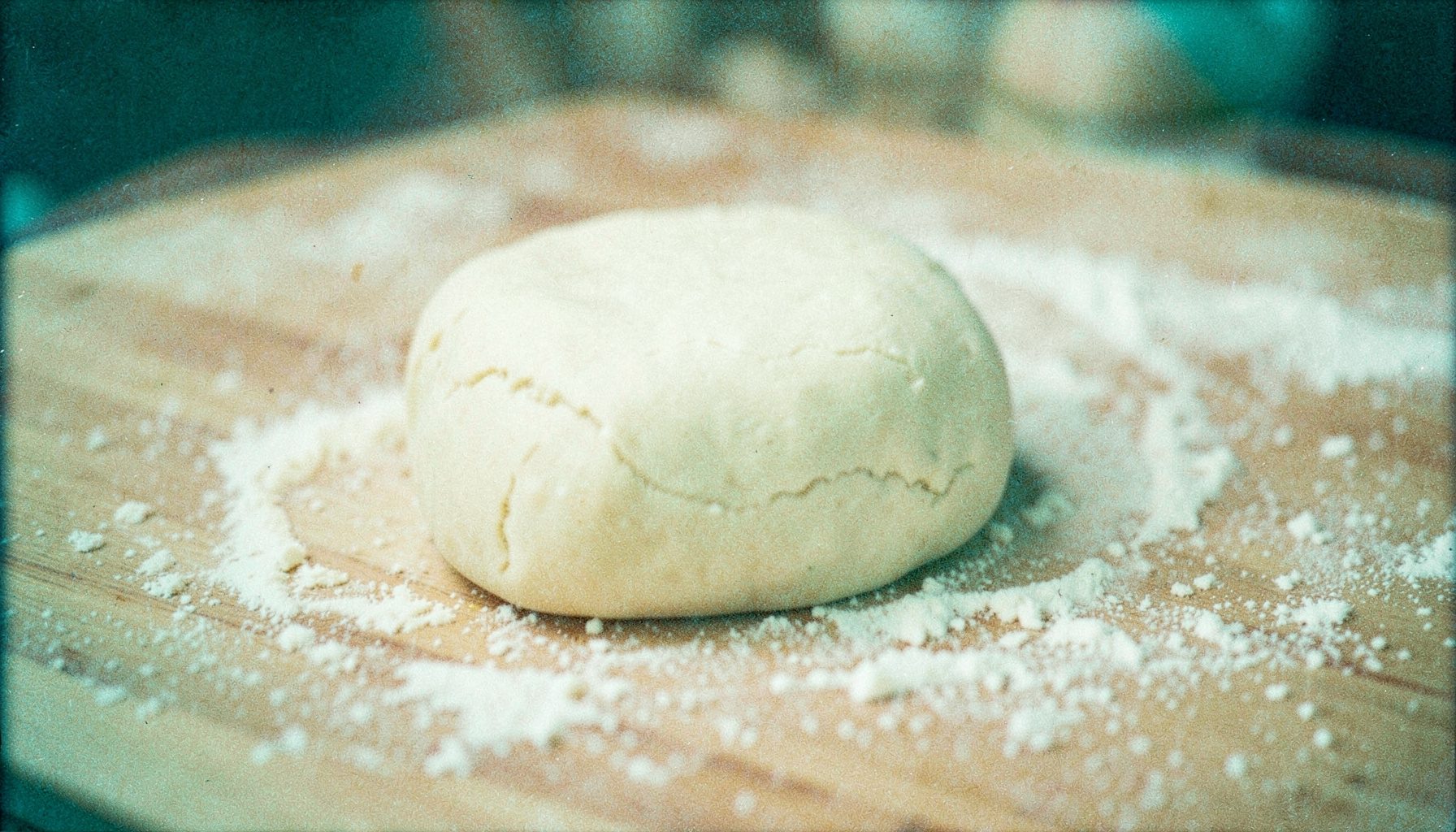
Blueberry Dumplings
Spicy Peanut Noodles with Shredded Carrots and Cilantro
Spicy peanut noodles with shredded carrots and cilantro are the kind of dish that earns a quiet reputation in a home cook's kitchen. They appear on busy weeknights, lazy weekends, and casual gatherings where something bright and satisfying is needed. The combination of creamy peanut, gentle heat, crisp vegetables, and fresh herbs delivers a complete meal in under thirty minutes, which suits the rhythm of households in cities from Sydney to Perth.
In Australia, multicultural influences shape everyday cooking, and noodle bowls dressed with vivid vegetables have become staples of casual dining. Footscray in Melbourne and Cabramatta in Sydney are renowned for Asian grocers where shoppers find rice noodles, herbs, and authentic sauces. Even suburban Coles and Woolworths now stock decent rice vermicelli and fresh coriander year-round, making this dish achievable regardless of postcode.
There is also a practical side. The recipe scales for families, uses ingredients that store well in the pantry, and adapts to what is already in the crisper drawer. For households juggling school runs, commutes between Brisbane and the Sunshine Coast, or weekend sport in Adelaide, a bowl that comes together with one pot of boiling water feels like a small victory.
The dish welcomes improvisation. Peanut butter can be smooth or crunchy, the heat level can be adjusted, and the vegetable mix can shift with the harvest at local farmers' markets. It is a template rather than a rigid recipe, and that flexibility is exactly what makes spicy peanut noodles worth keeping close to the stovetop.
Why Spicy Peanut Noodles Belong in Your Rotation
Noodle bowls built around peanut sauce have a special staying power. The sauce clings to slippery strands, coats each shred of carrot, and carries flavour into every bite without feeling heavy. When the weather warms in Brisbane or stays mild through a Perth winter, a cold or room-temperature noodle salad fits the right kind of lunch for the next day, packed into containers for the train or ferry commute.
The nutritional balance is another quiet strength. Peanut butter contributes protein and healthy fats, carrots add crunch and colour, and fresh coriander brings brightness along with trace minerals. Australian dietary guidelines encourage varied protein sources across the week, and this dish offers a plant-forward option that does not rely on meat to feel complete.
Cost matters for many families stretching a weekly shop. A block of rice noodles, a carrot, a bunch of coriander, and a jar of peanut butter will set a household back only a few dollars, especially at Harris Farm, ALDI, or a local Asian grocer where staples come in larger packs. Leftover sauce keeps for days and stretches over grilled chicken, steamed broccoli, or cold poached prawns.
Building the Pantry: Ingredients and Easy Swaps
Most of what this recipe calls for is familiar to home cooks. Rice vermicelli or thin wheat noodles form the base, while soy sauce, rice wine vinegar, sesame oil, and a touch of honey build the savoury-sweet backbone. Peanut butter should be natural and unsweetened when possible, which makes balancing the salt and heat easier. Australian supermarkets typically stock both Mayver's and Kraft smooth peanut butter, and either works when the rest of the sauce is properly seasoned.
Fresh ingredients matter most at the finish. A firmly packed cup of shredded carrot gives the bowl colour and texture, while a generous handful of chopped coriander leaves scattered across the top turns a simple bowl into something vibrant. For those who find coriander soapy, flat-leaf parsley or Thai basil make thoughtful substitutes and are easy to find at suburban greengrocers.
Smart swaps worth keeping in mind:
- Replace rice noodles with soba or thin spaghetti if rice vermicelli is sold out.
- Use almond butter or cashew butter for a different nutty profile.
- Swap honey for maple syrup or brown sugar if a vegan version is needed.
- Add a splash of lime juice if the sauce tastes flat.
- Use spiralised zucchini for a lighter, low-carb option.
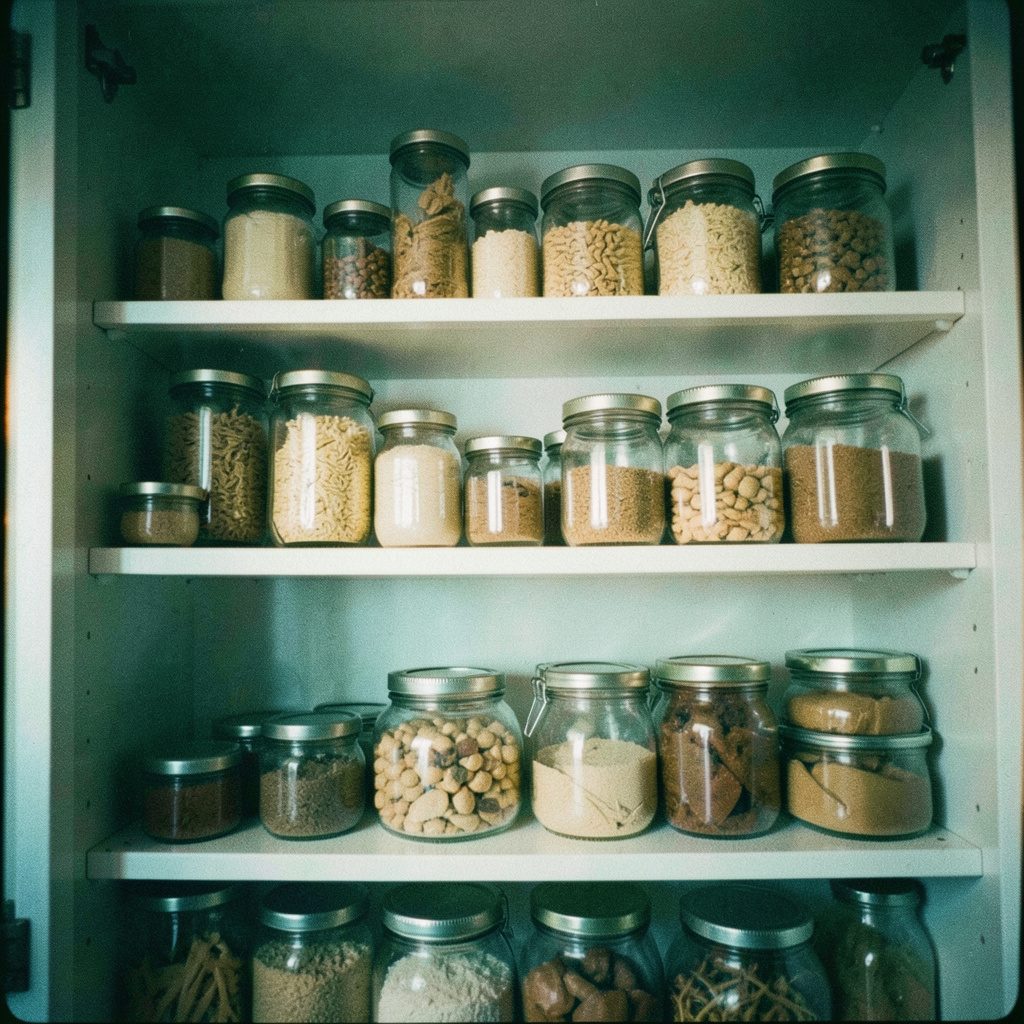
For anyone curious about broader pantry philosophy, homemade pantry staples offer useful inspiration beyond the bowl itself.
Step-by-Step Method for Perfect Noodles
Begin by bringing a large pot of water to the boil and cooking the noodles according to packet instructions. Rice vermicilli usually needs only three to four minutes, while wheat noodles take closer to six. Drain and rinse under cold water to stop the cooking and remove surface starch, which keeps strands from clumping.
While the water heats, whisk the sauce. In a small bowl, combine peanut butter, rice vinegar, sesame oil, honey, grated garlic, and a teaspoon of chilli paste or sriracha. Thin with two to three tablespoons of warm water until the sauce pours easily but is not watery. Taste and adjust, adding more soy for salt, honey for sweetness, or chilli for warmth.
Shred the carrots on a box grater or with a julienne peeler, then chop the coriander finely, keeping some stems because they carry flavour. In a wide serving bowl, toss the cooled noodles with the carrot, pour the sauce over the top, and use tongs to lift and fold everything together until every strand glistens. Finish with coriander, crushed peanuts, and a lime wedge.
Choosing Your Base: A Comparison of Common Options
The noodle and nut choices shape the final bowl more than any other decision. The table below compares options readily found in Australian supermarkets and Asian grocers, and how they behave in the finished dish.
| Ingredient | Texture | Flavour | Best For | Notes |
|---|---|---|---|---|
| Rice vermicilli | Light, slippery | Neutral | Classic cold salads | Gluten-free, cooks in 3–4 minutes |
| Thin wheat noodles | Springy, chewy | Mild wheat | Warm bowls | Holds sauce well, cooks in 5–6 minutes |
| Soba (buckwheat) | Firm, earthy | Nutty | Heartier meals | Often gluten-free if 100% buckwheat |
| Soba (wheat blend) | Soft, pale | Mild | Family-friendly | Check label for allergens |
| Spiralised zucchini | Crisp, watery | Fresh | Low-carb bowls | Pat dry before tossing |
| Smooth peanut butter | Silky | Sweet, roasted | Balanced sauces | Stir well if natural separation occurs |
| Crunchy peanut butter | Textured | Sweet, roasted | Added bite | Reduce crushed peanuts at finish |
Australian food labelling laws require clear declaration of major allergens, including peanuts, gluten, and soy. This makes shopping straightforward for those managing allergies, since ingredients appear in plain English on every packaged noodle block and sauce bottle sold locally.
Serving Suggestions for Family Dinners and Entertaining
This dish works as a main, a side, or part of a shared spread. For a relaxed family dinner in Adelaide or Hobart, serve the noodles in large bowls with grilled chicken skewers or pan-fried tofu on the side. For a summer lunch in Sydney, plate smaller portions alongside crisp summer rolls and sliced mango for a menu that celebrates warm-weather produce.
When entertaining, set out the components separately and let guests build their own bowls. Offer the noodles, sauce, carrot, coriander, crushed peanuts, lime wedges, sliced chilli, and a few protein options such as shredded poached chicken, sautéed prawns, or crispy fried shallots. This approach also suits guests with allergies, since they can choose what touches their plate.
Serving ideas worth trying:
- Tuck into lunchboxes the next day, chilled, with extra lime on the side.
- Pair with cold lager or a dry riesling from the Barossa or Margaret River.
- Serve alongside grilled satay skewers for a more substantial spread.
- Top with a soft-boiled egg for added richness at brunch.
- Add blanched broccolini for extra green vegetables.
Smart Variations and What to Do with Leftovers
The recipe welcomes a different focus every time. A Vietnamese-inspired version leans on hoisin and lime, while a Thai-leaning bowl uses fish sauce and a bigger hit of chilli. A Korean twist swaps peanut for a little gochujang mixed with sesame, and an Indonesian style might add kecap manis for deeper sweetness.
Leftover noodles keep in an airtight container in the fridge for up to three days. Refresh them with a squeeze of lime, a splash of warm water, and a fresh handful of herbs just before serving. The sauce itself, stored separately, lasts up to a week and dresses everything from cold roast vegetables to grain salads.
Cook this once, and it will quietly become one of the most reliable dishes in the kitchen. Pull it out on busy weeknights, take it to potluck dinners in Fremantle or Newcastle, or pack it for a picnic in the Adelaide Hills. Bookmark the recipe, share it with a friend who always asks for easy dinner ideas, and make it your own the next time the craving for something fresh, spicy, and deeply satisfying strikes.
Meet the cooks
Two friends, two kitchens, one shared notebook.

Jessica
"I write down what worked, what flopped, and what to try next week."

Kathrin
"Recipes should leave room for the fridge and the season."
Get in touch
We read every message.