Easy, Fresh and Colorful Meals
A friendly food journal by Jessica and Kathrin, gathering simple soups, bright vegetables, and quick weeknight fixes for cooks who want to put a good meal on the table without fuss.
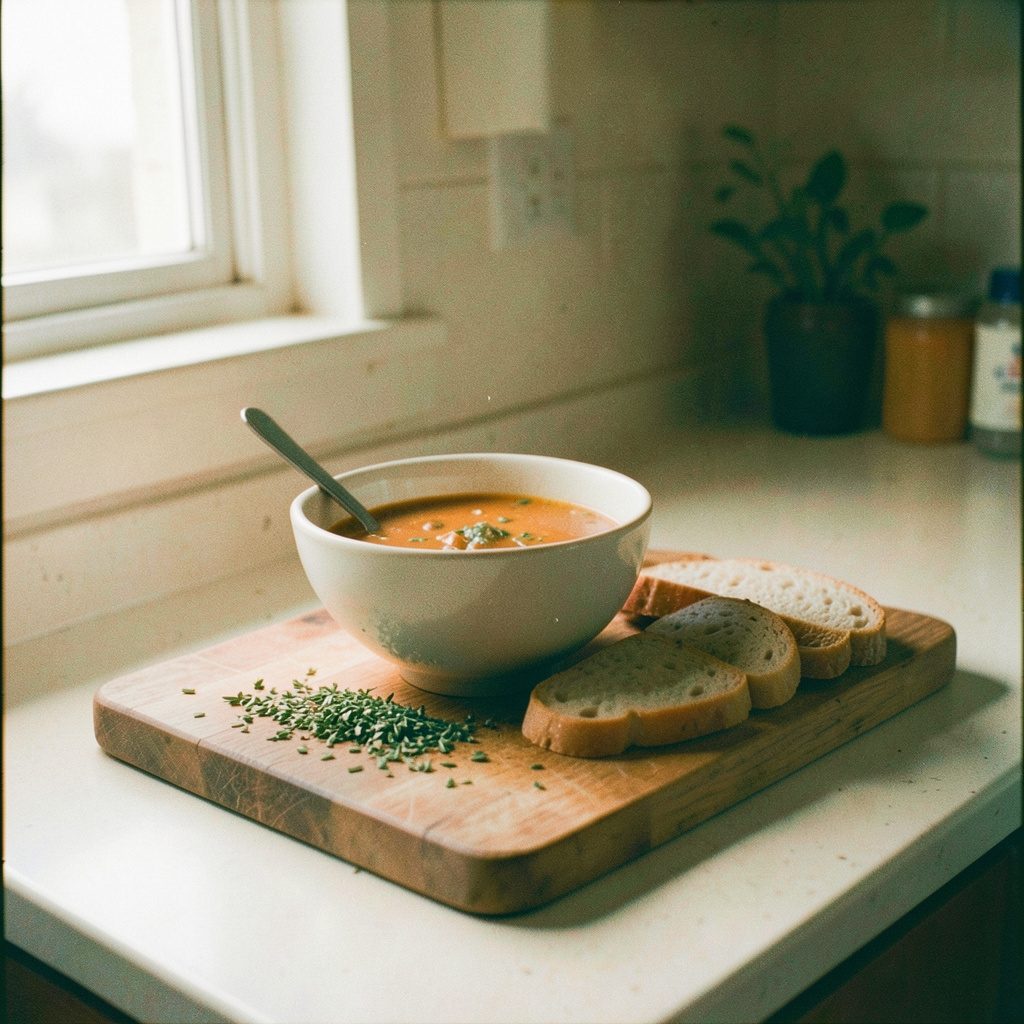
From the kitchen
A few of the meals we've been making lately.

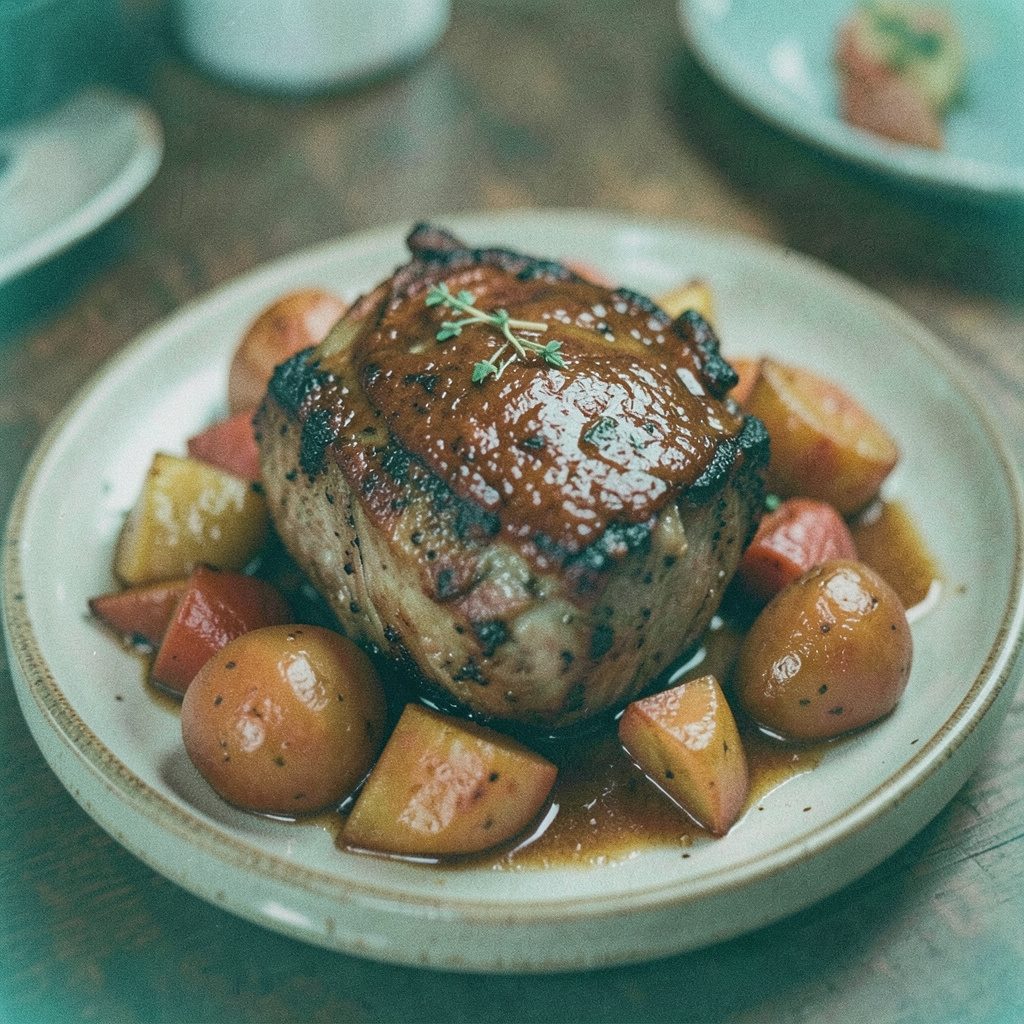
Watch & cook
Short clips from the kitchen.
 ▶
▶
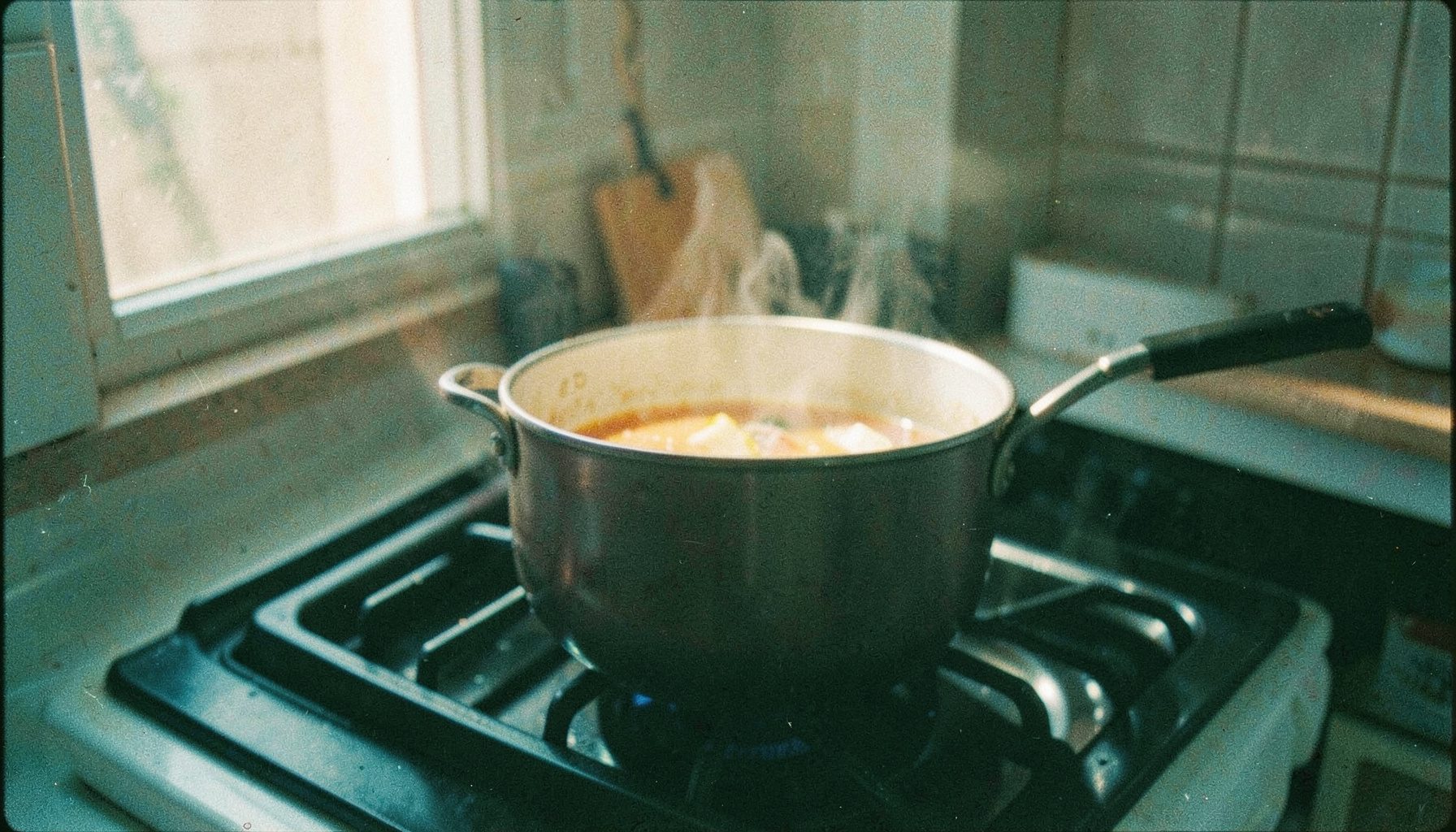
Surf and Turf in a Soup
 ▶
▶
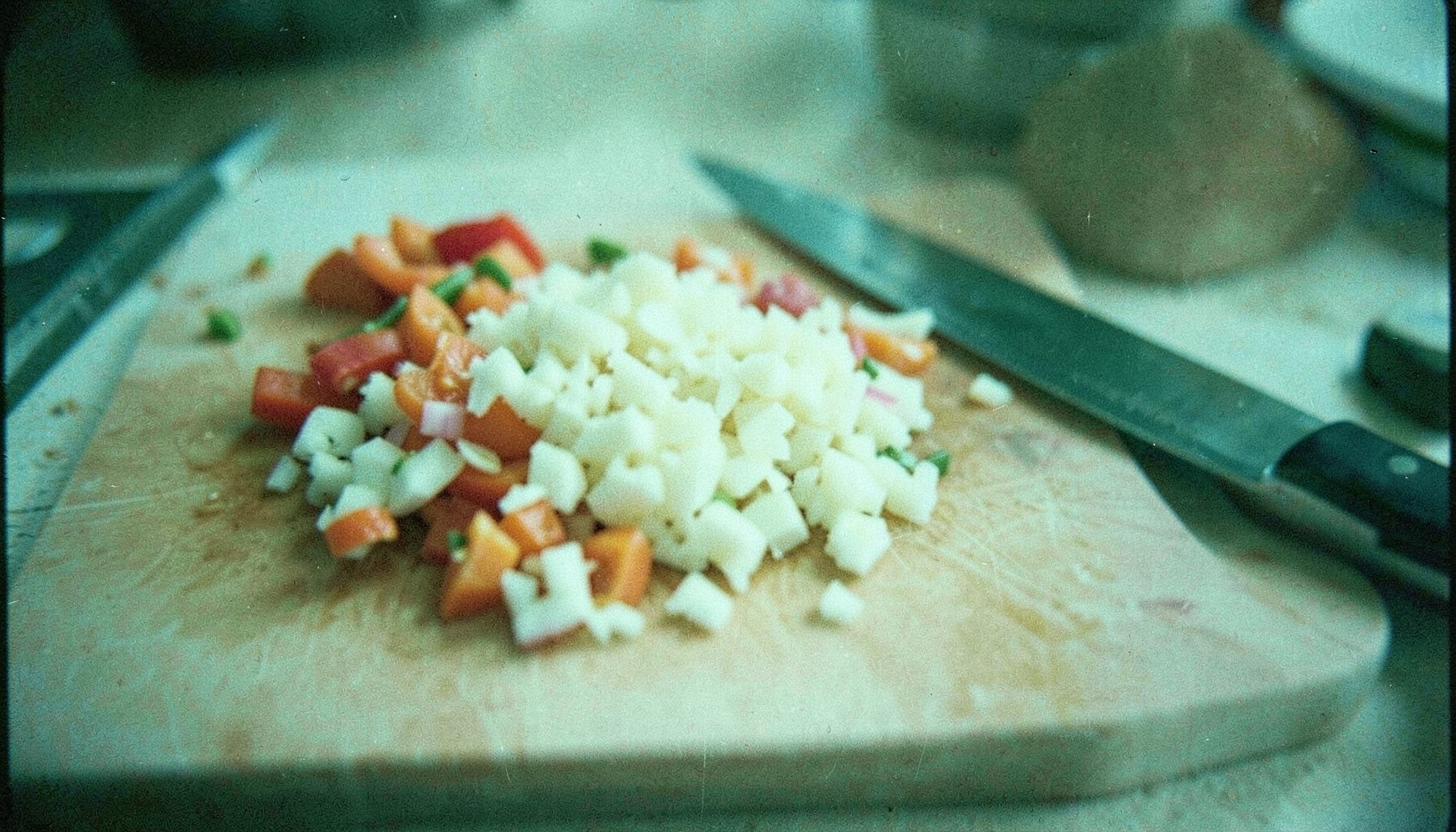
Clarifying Clarified Butter
 ▶
▶
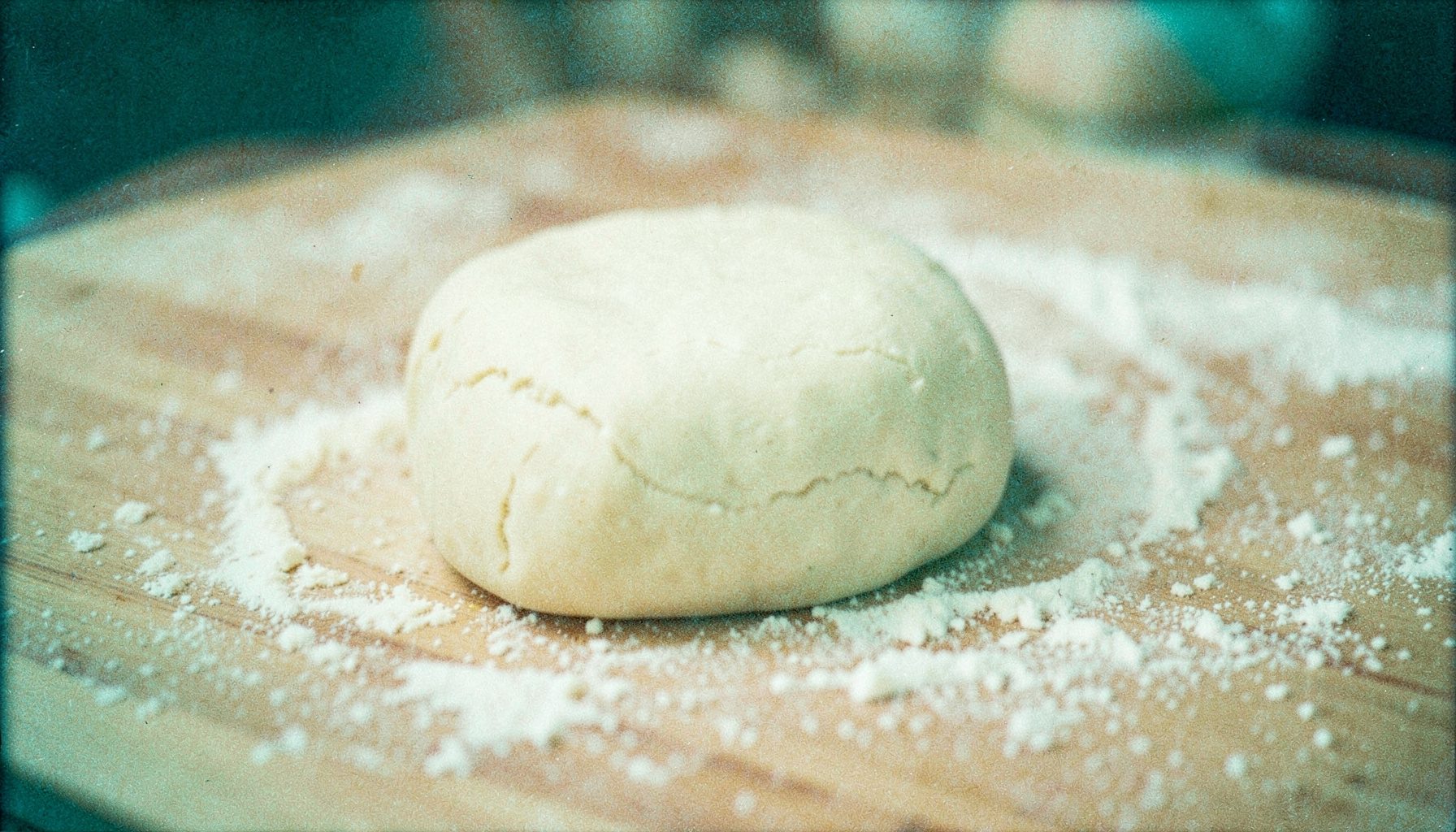
Blueberry Dumplings
No-Fail Homemade Pizza Dough for Any Topping
A reliable pizza base begins with a few ordinary ingredients and a little patience. Flour, water, yeast, salt and olive oil can become a crisp-edged, chewy crust that supports everything from roasted vegetables to spicy salami. The method matters more than expensive equipment, so this dough works in a standard Australian kitchen as well as a dedicated pizza oven.
The recipe below is designed for flexible home cooking. You can bake it the same day, leave it in the fridge overnight for deeper flavour, or divide it into smaller portions for individual pizzas. Once you understand how the dough should feel, you can adjust the thickness, hydration and baking time to suit every topping.
| Style | Dough portion | Best resting time | Baking temperature | Result |
|---|---|---|---|---|
| Thin and crisp | 180–200 g | 1–2 hours | 250°C | Light, snappy base |
| Classic family pizza | 230–260 g | 2–4 hours | 240–250°C | Chewy centre and crisp rim |
| Overnight dough | 230–260 g | 12–48 hours in the fridge | 240–250°C | Deep flavour and airy crust |
| Thick pan pizza | 280–320 g | 2–4 hours | 220–230°C | Soft, golden and substantial |
Choose Ingredients That Work
For four medium pizzas, combine 700 g plain flour or baker’s flour with 500 g lukewarm water, 14 g fine salt, 5 g instant dried yeast and 25 g olive oil. This produces a dough with roughly 71 percent hydration, giving it enough moisture for a tender crumb without making it impossible to handle. If you prefer a firmer dough, hold back two tablespoons of water and add it only if needed.
Plain flour from an Australian supermarket is perfectly suitable, though baker’s flour often creates a more elastic dough because it contains more protein. Italian 00 flour can give a delicate texture, but the label does not guarantee a particular protein level, so judge the dough by touch rather than relying on the name. In humid Brisbane weather, you may need an extra spoonful of flour; in a dry Melbourne winter, the dough may welcome a splash more water.
Use instant yeast directly in the flour. If you have active dried yeast, dissolve it in the water with a pinch of the flour and wait for five to ten minutes until it looks creamy. The water should feel comfortably warm, never hot. Very hot water can weaken or kill the yeast, leaving you with a dense base.
Build A Smooth, Elastic Dough
Mix the flour, yeast and salt in a large bowl, keeping the salt and yeast apart at first if you are working slowly. Pour in most of the water and the olive oil, then stir with a wooden spoon or your hand until no dry patches remain. Cover the bowl and let it rest for 15 minutes. This short pause allows the flour to absorb water and makes kneading much easier.
Knead the dough for eight to ten minutes by hand on a lightly floured bench. Push it away with the heel of your hand, fold it back, turn it and repeat. It should become smooth, springy and slightly tacky, but it should not coat your fingers. A stand mixer fitted with a dough hook can do the work in five to six minutes on low speed, followed by a brief hand knead to check the texture.
Place the dough in a lightly oiled bowl and cover it with a lid, reusable wrap or a damp tea towel. Leave it at room temperature until it has expanded by about half, rather than waiting for it to double dramatically. In a warm Sydney kitchen this may take 60 to 90 minutes; during a cool Adelaide evening it may take closer to two hours.
Shape And Rest Without Tearing
Turn the risen dough onto the bench and divide it into four equal pieces. Shape each one into a tight ball by folding the edges underneath and rotating it against the bench. Avoid pressing all the air out. Those small pockets will help create a lighter rim around the pizza.
Place the balls in a lightly oiled, lidded container with room for expansion. For an overnight pizza dough, refrigerate it for up to 48 hours, then bring it out two hours before baking. A slow rest builds flavour and makes the dough easier to stretch. If you need dinner quickly, a same-day rise still produces an excellent crust.
When ready to shape, dust the bench with flour or fine semolina and press the dough gently from the centre outward. Leave a thicker border of about two centimetres. Lift the round and stretch it over the backs of your hands, turning as you go, or keep it on the bench and coax it wider with your fingertips. Do not use a rolling pin unless you specifically want a flat, even base with very little rim.
Bake For A Crisp, Cooked Base
Preheat the oven as high as it will safely go, usually 240–250°C fan-forced or 250–270°C conventional. Put a pizza stone, steel or heavy baking tray inside while the oven heats for at least 30 minutes. A hot surface gives the dough an immediate burst of heat, helping it puff before the toppings release too much moisture.
Keep the sauce thin and leave a clean border around the edge. Two or three tablespoons of crushed tomatoes are generally enough for one pizza. Drain mozzarella, pat fresh vegetables dry and use modest quantities of toppings. Wet mushrooms, excess pineapple juice and large piles of cheese can steam the centre instead of allowing it to bake.
Slide the pizza onto the hot surface and bake for seven to twelve minutes, depending on its thickness and your oven. Rotate it if one side browns faster. The base should lift easily, the cheese should be bubbling and the rim should have dark golden patches. If you are using a barbecue with a lid, place the pizza on a preheated stone and keep the heat around 250°C, checking often because outdoor grills can run hotter than their dials suggest.
Match The Base To Your Toppings
A balanced pizza has contrast: a crisp underside, a chewy middle, a savoury sauce and toppings that bring colour without overwhelming the dough. Try roasted pumpkin with feta and sage, charred capsicum with olives, or potato, rosemary and a little grated parmesan. These combinations suit the fresh, colourful style of home cooking and make good use of produce from a weekend farmers’ market.
For a meatier option, scatter over cooked sausage, shredded roast chicken or thin slices of ham rather than adding large amounts of raw meat. A spicy salami pizza needs less cheese than you may expect, while prawns, zucchini and lemon benefit from a simple white base made with olive oil, garlic and a little ricotta. For further baking ideas beyond pizza, baking inspiration can help you think about flavour pairings and dough-based cooking in new ways.
Choose the cheese according to the bake. Low-moisture mozzarella gives the most dependable melt, while fresh mozzarella adds softness and a milky flavour. Combining the two gives a good middle ground. Finish a cooked pizza with basil, rocket, chilli oil, lemon zest or a drizzle of extra-virgin olive oil rather than loading every flavour into the oven.
Keep These Reliable Habits
Small details make the process repeatable. Weighing flour and dough portions gives more consistent results than using cups, especially when different brands pack flour differently. If the dough feels too sticky, wait five minutes before adding more flour; it often becomes easier to handle as the flour hydrates.
Use these habits whenever you make a batch:
- Preheat the oven and baking surface well before shaping the first pizza.
- Keep the dough covered so its surface does not form a dry skin.
- Rest refrigerated dough at room temperature before stretching it.
- Use less sauce and cheese than your first instinct suggests.
- Bake one test pizza before committing the whole batch to a new oven.
- Freeze extra dough balls in lightly oiled containers for up to three months.
Leftover baked pizza reheats best in a dry frying pan with a lid, which crisps the base while warming the toppings. You can also freeze shaped, unbaked bases for a quick weeknight meal: par-bake them for three to four minutes, cool completely, wrap well and add toppings straight from frozen later.
Make this dough your dependable starting point, then change the flour, resting time and toppings to suit your household. A batch prepared on Sunday can turn into easy school-night dinners, a relaxed Friday meal in Perth or a shared lunch after a trip to the local market. Mix the dough, give it time, and bake your favourite combination while the crust is at its best.
Meet the cooks
Two friends, two kitchens, one shared notebook.

Jessica
"I write down what worked, what flopped, and what to try next week."

Kathrin
"Recipes should leave room for the fridge and the season."
Get in touch
We read every message.