Easy, Fresh and Colorful Meals
A friendly food journal by Jessica and Kathrin, gathering simple soups, bright vegetables, and quick weeknight fixes for cooks who want to put a good meal on the table without fuss.
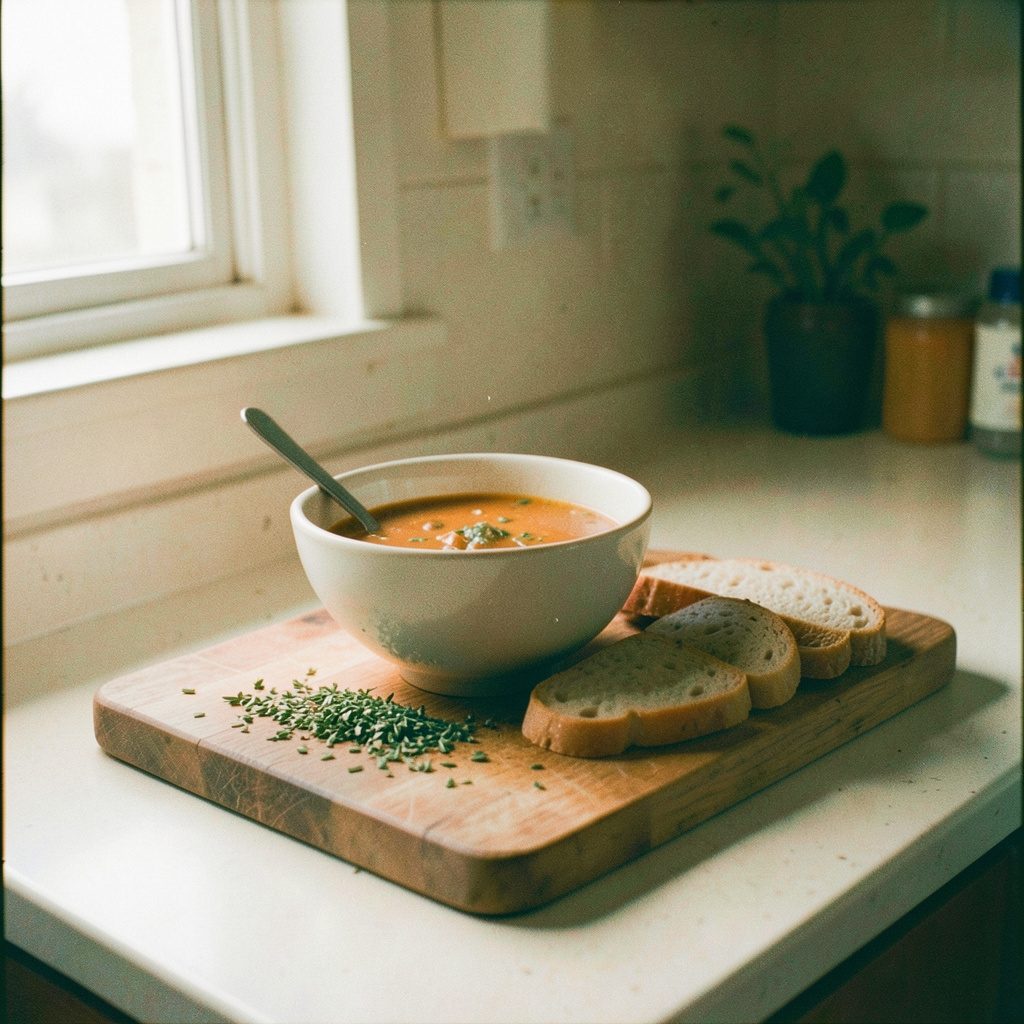
From the kitchen
A few of the meals we've been making lately.

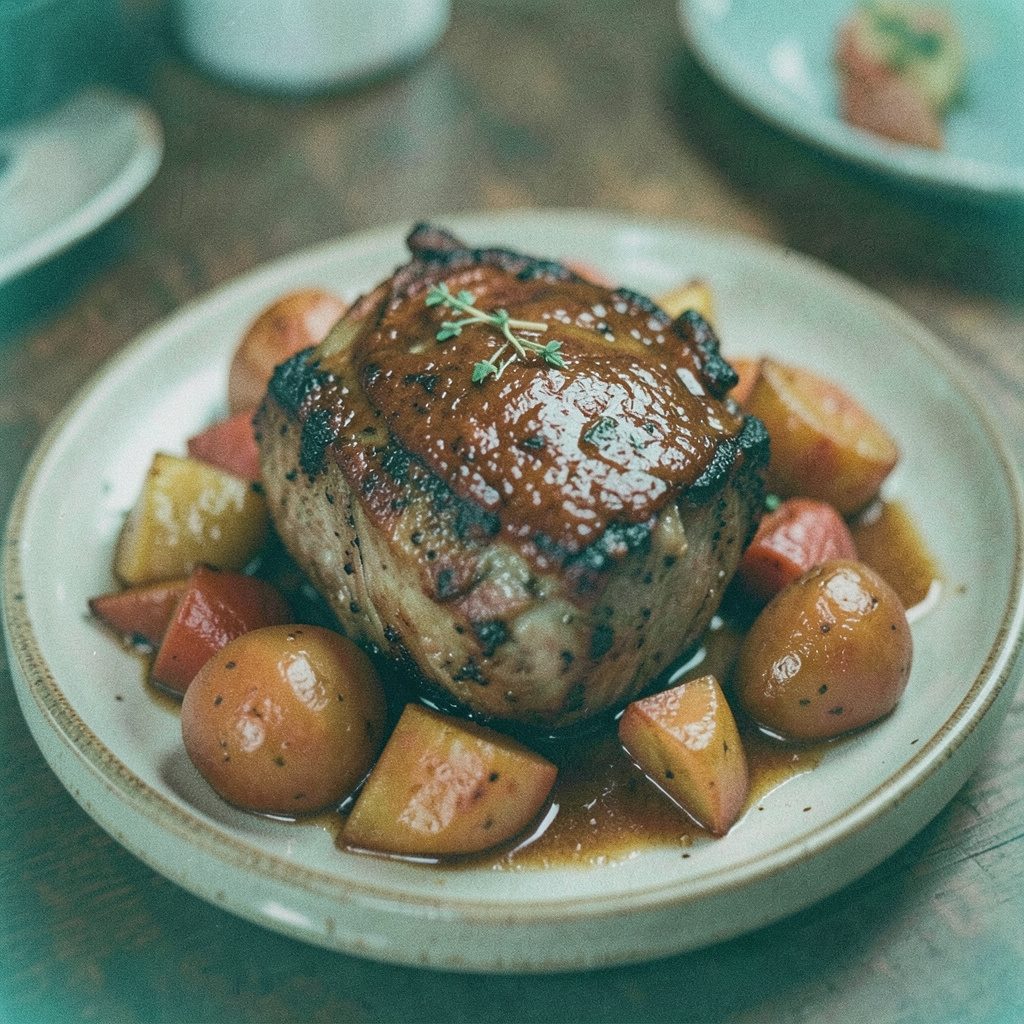
Watch & cook
Short clips from the kitchen.
 ▶
▶
Surf and Turf in a Soup
 ▶
▶
Clarifying Clarified Butter
 ▶
▶
Blueberry Dumplings
Tangy Buttermilk Coleslaw That Stays Crunchy
A good coleslaw should bring contrast to the plate: cool cabbage, crisp carrot, fresh herbs and a dressing with enough tang to cut through rich food. This buttermilk version is creamy without feeling heavy, with lemon, mustard and a little honey balancing the natural sharpness of cultured buttermilk.
The secret to keeping the salad crunchy is less about the dressing and more about preparation. Cabbage needs to be salted briefly, rinsed and dried thoroughly before it meets the sauce. That simple step seasons the vegetables, removes excess moisture and helps the slaw stay lively through a long Australian lunch, backyard barbecue or weeknight dinner.
| Ingredient | Amount | Purpose |
|---|---|---|
| Green cabbage | ½ medium head, finely shredded | Crisp, sturdy base |
| Red cabbage | ¼ medium head, finely shredded | Colour and extra crunch |
| Carrots | 2, julienned | Sweetness and texture |
| Buttermilk | ½ cup | Creamy tang |
| Whole-egg mayonnaise | ⅓ cup | Body and smoothness |
| Lemon juice or apple cider vinegar | 2 tablespoons | Bright acidity |
| Dijon mustard | 1 teaspoon | Gentle heat |
| Honey or caster sugar | 1 teaspoon | Rounds out the dressing |
Choose Vegetables With Plenty Of Structure
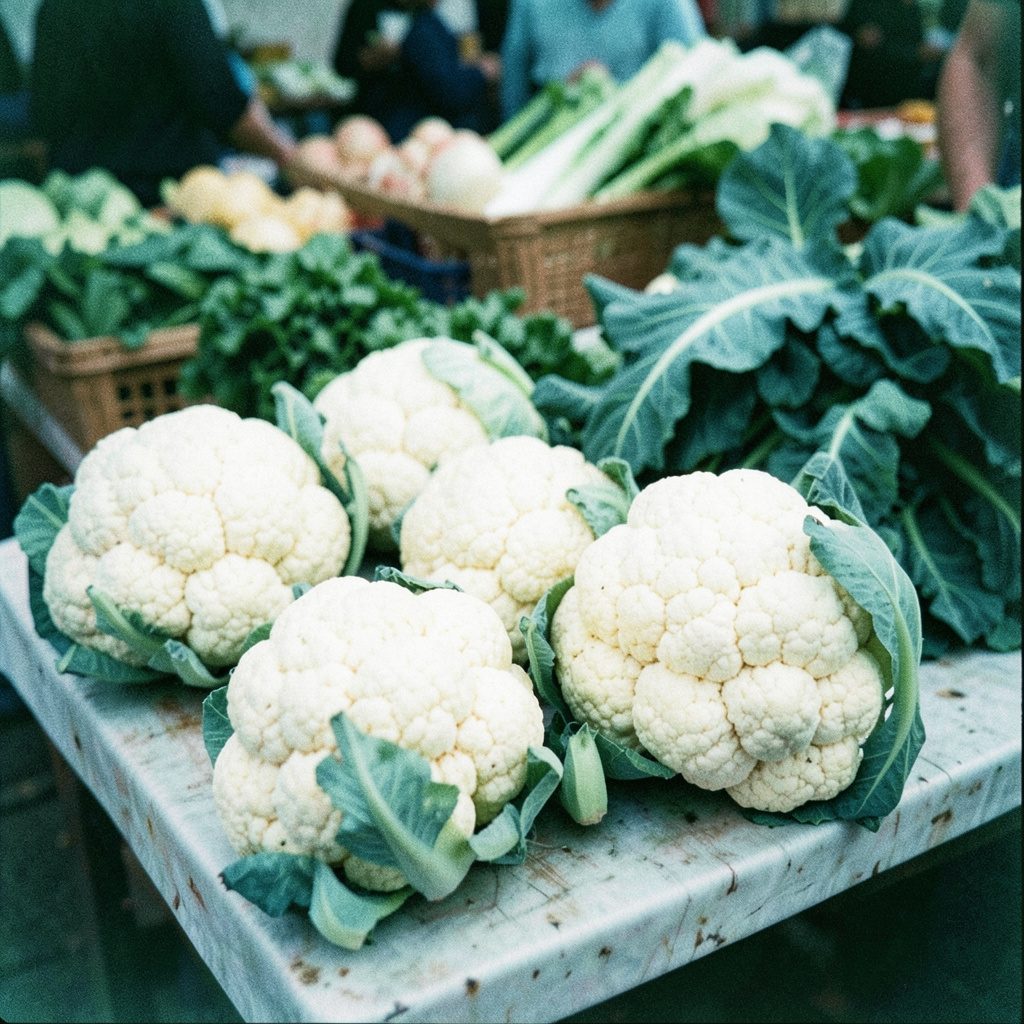
Fresh cabbage should feel heavy for its size, with tight leaves and no soft patches. Green cabbage gives the slaw a clean, grassy flavour, while a little red cabbage adds colour and a firmer bite. Savoy cabbage can be used for a softer, ruffled texture, but it wilts more quickly than regular green cabbage.
Look for crisp carrots at a farmers’ market or supermarket, especially during the cooler growing seasons around Victoria and New South Wales. At Melbourne’s Queen Victoria Market, finely shredded cabbage, bunches of herbs and bright carrots are easy ingredients to pick up together. Choose a small, dense cabbage rather than a large one with loose leaves, as it will contain less water and slice more neatly.
Use a sharp chef’s knife or mandoline to cut the cabbage into thin, even ribbons. Very thick strips are difficult to coat, while paper-thin shreds can lose their character quickly. Julienne the carrots rather than grating them; slender matchsticks release less moisture and hold their shape for longer.
Salt The Cabbage Before Dressing
Place the shredded cabbage and carrots in a large colander, sprinkle with one teaspoon of fine salt and toss thoroughly. Leave the vegetables for 20 to 30 minutes over a bowl. The salt draws out excess water while seasoning the cabbage from within, creating a firmer texture once the slaw is dressed.
Rinse the vegetables under cold water to remove extra salt, then dry them extremely well. A salad spinner is useful, but a clean tea towel also works: spread the cabbage over the towel, roll it gently and press without bruising the leaves. Damp vegetables dilute the buttermilk dressing and can turn the bottom of the bowl watery.
This draining step matters especially in warmer Australian kitchens. On a hot Brisbane or Perth afternoon, vegetables can soften quickly on the bench, so keep the rinsed cabbage chilled while you prepare the sauce. The slaw should be cold, dry and ready to absorb flavour rather than sitting in a pool of liquid.
Build A Buttermilk Dressing With Balance
Whisk the buttermilk, mayonnaise, lemon juice, Dijon mustard and honey in a small bowl. Add a pinch of celery seed, cracked black pepper and finely chopped dill if you like. The dressing should taste slightly sharper than you expect because the cabbage will soften its acidity once everything is tossed together.
Buttermilk varies in thickness, so adjust it gradually. For a thicker coating, begin with one-third of a cup and add more by the tablespoon. If the dressing seems too rich, use extra lemon juice; if it is too tart, add a little more honey. A small grated garlic clove gives the sauce savoury depth, although it should be used sparingly.
For a fresh variation, stir through chopped parsley, mint or coriander. Coriander suits a grilled prawn platter, while dill works beautifully with smoked trout or fish burgers. If serving children, leave out the garlic and reduce the mustard rather than removing the acidity that gives the coleslaw its refreshing character.
Toss At The Right Moment
Combine the dried vegetables and dressing 15 to 30 minutes before serving. Toss with clean hands or two large spoons, lifting from the bottom so every ribbon is lightly coated. Avoid drowning the cabbage; a glossy coating is enough, and any leftover dressing can be kept separately for sandwiches or grain bowls.
Taste after five minutes and adjust with salt, pepper or lemon. Cabbage often needs a final pinch of salt even after brining, while carrot brings enough sweetness to make the sauce taste rounder. Sliced spring onion, toasted sunflower seeds or a handful of sultanas can be added just before serving for extra texture.
For a picnic, transport the vegetables and dressing in separate chilled containers and combine them at the destination. That approach is especially helpful for an outdoor lunch near Sydney’s beaches, where sun and humidity can quickly soften dressed salad. Keep the bowl nestled in an esky with ice bricks rather than leaving it beside the barbecue.
Pair It With Fresh, Savoury Food
This crunchy slaw is a natural partner for sausages, pulled pork, fried chicken and grilled steak. It also gives balance to rich pies and pastry-based dishes. For a vegetable-centred spread, serve it with roasted pumpkin, barbecued corn and warm bread. A savoury bake such as this Swiss chard tart brings buttery pastry and earthy greens to the table, while the cold buttermilk salad cuts through both.
In Australia, coleslaw is often expected alongside a summer barbecue, but it can become the main event with a few additions. Fold through flaked hot-smoked salmon, shredded roast chicken or chickpeas, then serve with crusty sourdough. Add avocado just before eating if you want richness, since it softens and browns faster than the other ingredients.
For a casual fish-and-chip night, replace part of the mayonnaise with extra buttermilk and add a little grated lemon zest. The lighter dressing suits battered fish, while the cabbage provides the crisp contrast usually missing from a takeaway meal. It is also a useful side for a Sunday roast when heavier cooked vegetables already fill the plate.
Store It So The Texture Lasts
Undressed shredded vegetables can be stored in an airtight container for up to two days after salting, rinsing and drying. Keep the dressing in a separate jar and shake it before use. Once combined, the coleslaw is at its best within a few hours, although it will remain safe and enjoyable in the refrigerator for about one day if kept properly chilled.
Do not freeze coleslaw. The cabbage and dairy dressing will separate, leaving limp vegetables and a grainy sauce after thawing. If the finished salad releases a little liquid, drain it gently and fold through a spoonful of fresh dressing rather than adding more mayonnaise.
A chilled bowl helps preserve the bite during service. For dessert afterwards, a cool spiced treat such as this mango lassi ice cream follows the same refreshing theme and makes a colourful finish to a warm-weather meal.
Make this slaw part of your regular kitchen rotation by preparing the dressing ahead and keeping shredded vegetables ready for the next meal. Serve it beside grilled favourites, tuck it into rolls or spoon it over a grain bowl, then adjust the herbs and acidity to suit your table. Fresh cabbage, careful drying and a bright buttermilk sauce are all it takes to keep every bite crisp.
Meet the cooks
Two friends, two kitchens, one shared notebook.

Jessica
"I write down what worked, what flopped, and what to try next week."

Kathrin
"Recipes should leave room for the fridge and the season."
Get in touch
We read every message.