Easy, Fresh and Colorful Meals
A friendly food journal by Jessica and Kathrin, gathering simple soups, bright vegetables, and quick weeknight fixes for cooks who want to put a good meal on the table without fuss.
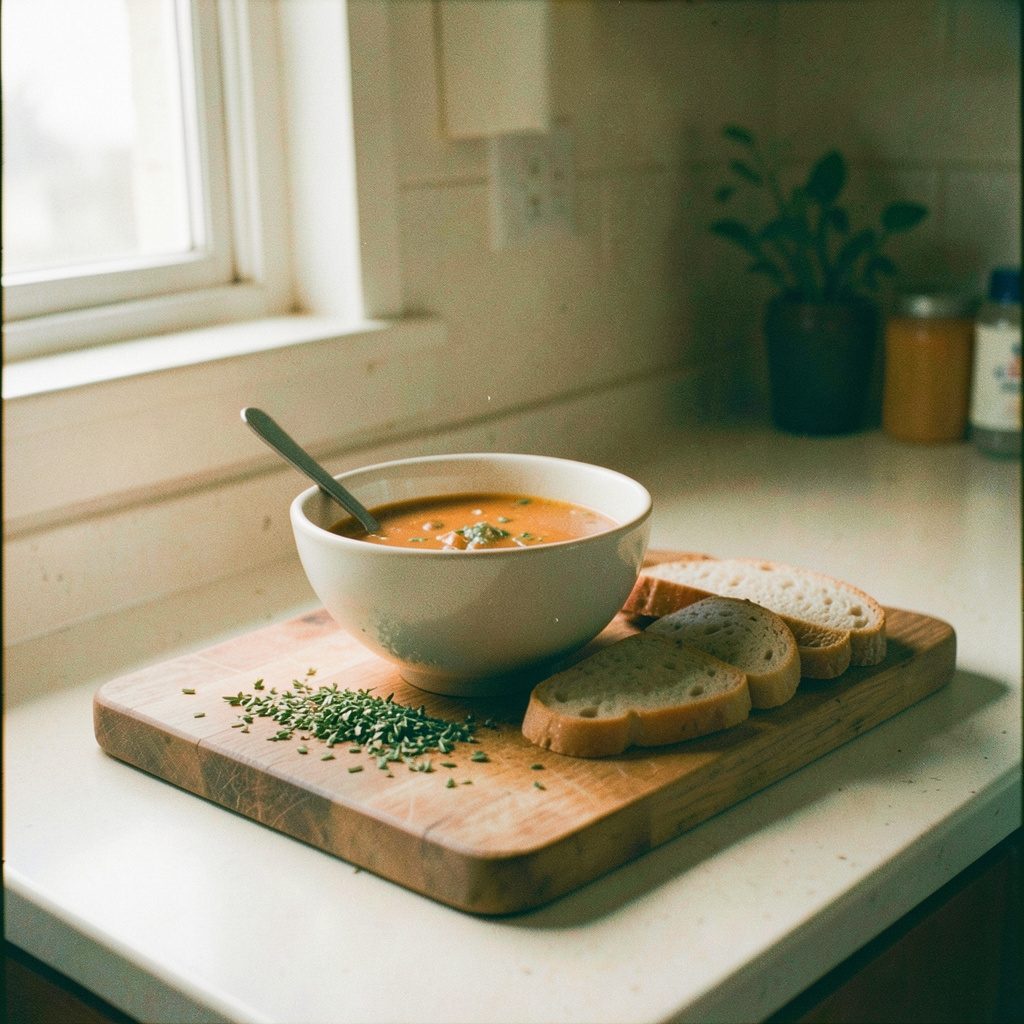
From the kitchen
A few of the meals we've been making lately.

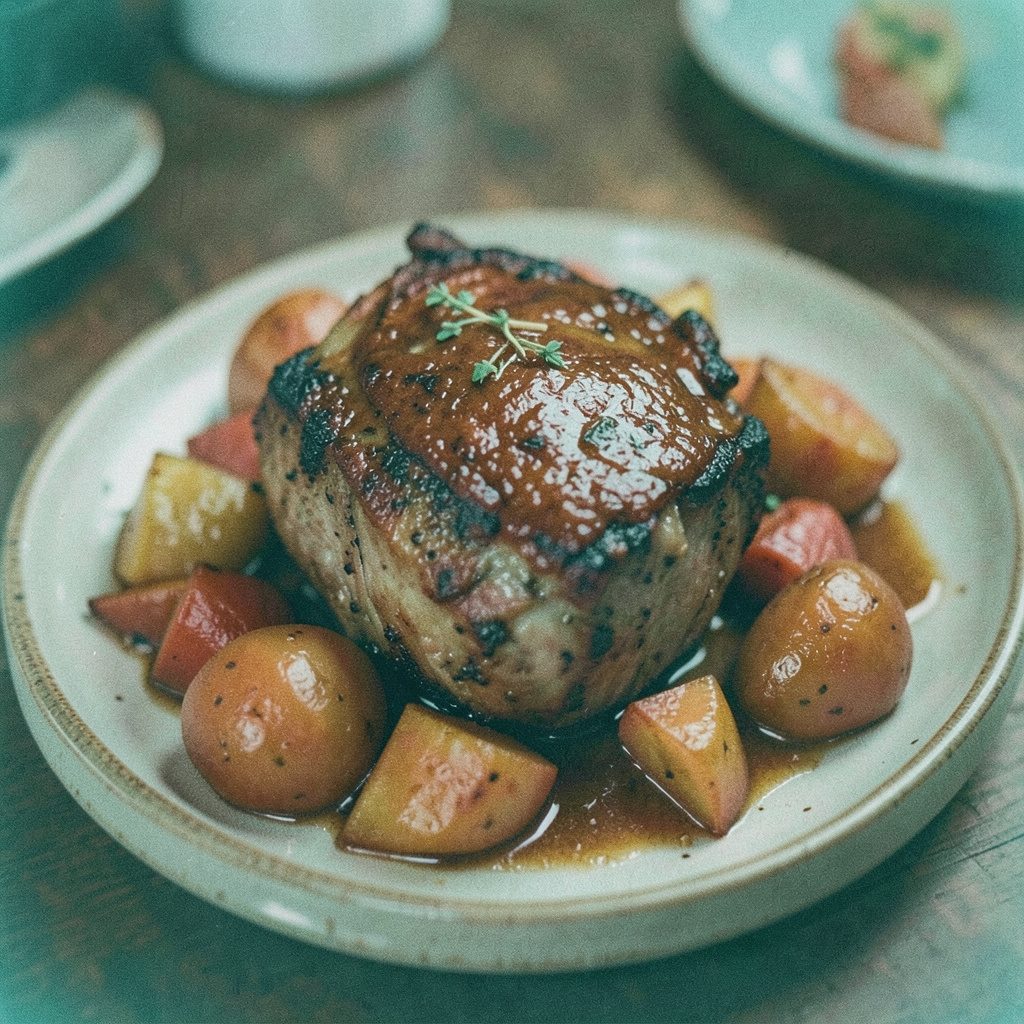
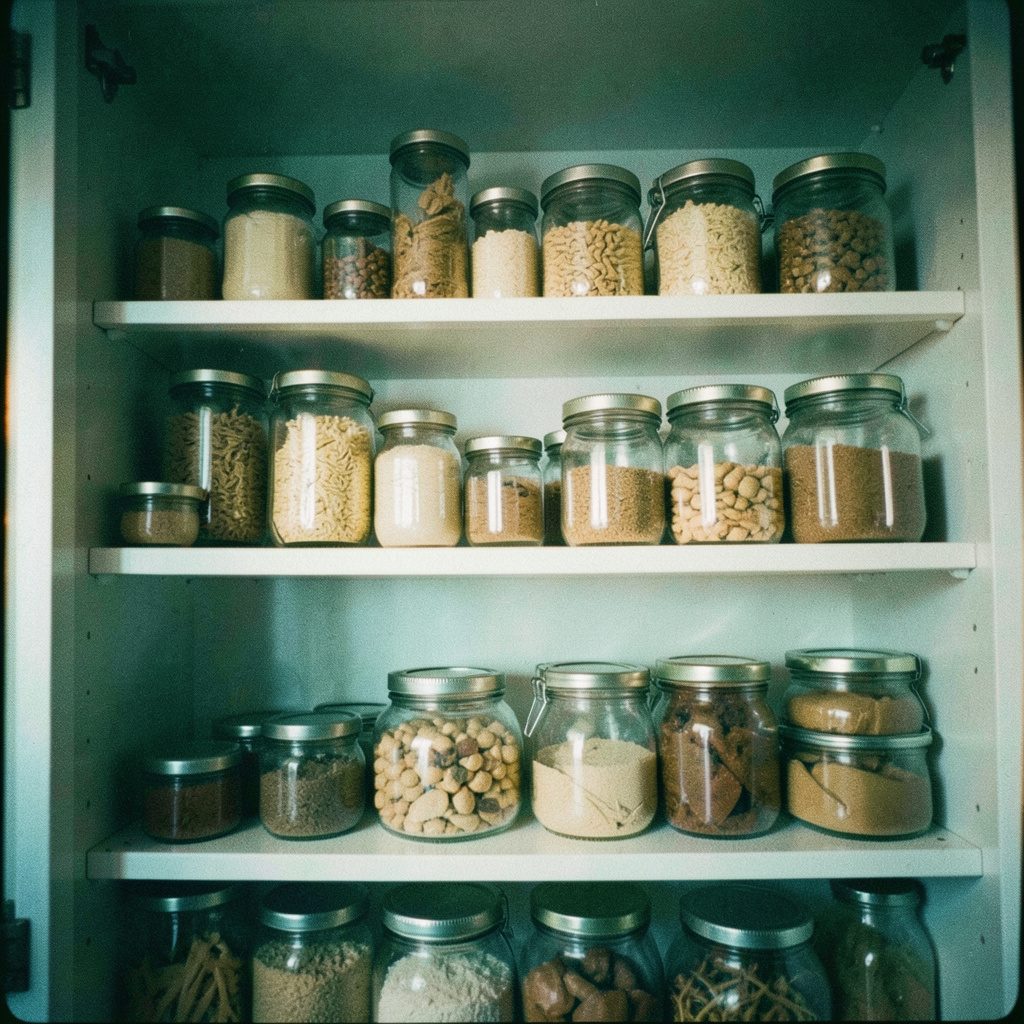
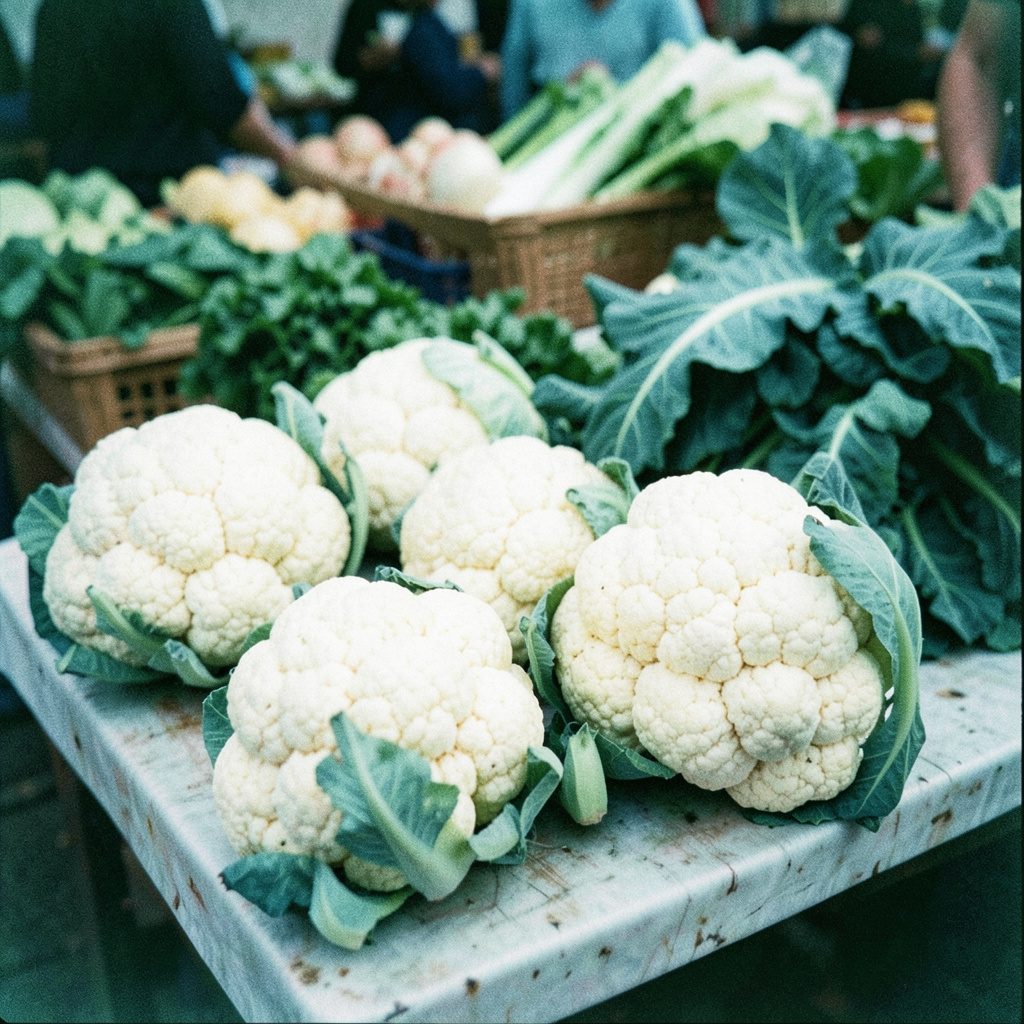
Watch & cook
Short clips from the kitchen.
 ▶
Surf and Turf in a Soup
 ▶
Clarifying Clarified Butter
 ▶
Blueberry Dumplings
How to cook lentils perfectly every time
Lentils are one of the easiest ways to add plant-based protein, fibre and satisfying texture to a home-cooked meal. They are inexpensive, keep well in the pantry and can become anything from a silky soup to a bright salad or a hearty weeknight curry.
The key is matching the lentil variety to the dish. Red lentils soften quickly and are ideal for dals and thick soups, while green and brown lentils hold their shape for salads, stews and grain bowls. Puy lentils have a firmer bite and a peppery flavour that works especially well with roasted vegetables.
For Australian cooks, lentils are easy to find dried or canned at Coles, Woolworths, independent grocers and weekend farmers’ markets. Dried lentils are economical, while a tin is a handy shortcut when you need dinner on the table after work in Brisbane, Perth or Melbourne.
Once you understand water, heat and timing, cooking lentils becomes very forgiving. A gentle simmer, a little tasting and careful seasoning will give you tender legumes without split skins, crunchy centres or a pot of bland mush.
| Lentil variety | Typical cooking time | Best texture | Good uses |
|---|---|---|---|
| Red or yellow | 12–20 minutes | Soft and creamy | Dal, soup, curry, patties |
| Brown | 20–30 minutes | Tender with some bite | Stews, fillings, salads |
| Green | 25–35 minutes | Firm and earthy | Warm salads, side dishes |
| Puy | 20–30 minutes | Firm and peppery | Grain bowls, vinaigrette salads |
| Canned | Ready to heat | Soft but intact | Quick lunches and weeknight meals |
Choose the right lentil for the dish
Red and yellow lentils are usually split, so they cook quickly and break down into a smooth, velvety consistency. They are excellent for a spiced dal, pumpkin soup or a thick sauce. Stir them occasionally as they cook because their starch can settle on the bottom and catch if the heat is too high.
Brown and green lentils keep their shape better. Use them when you want a distinct, pleasantly earthy bite in a salad with roast beetroot, a tomato-based casserole or a filling for wraps. Puy lentils are smaller and particularly reliable in dishes where presentation matters.
Canned lentils are already cooked, making them useful for fast meals. Drain and rinse them before adding them to a pan, as the liquid can be salty or slightly metallic. They only need to warm through, so add them near the end of cooking rather than treating them like dried lentils.
Rinse, measure and prepare with care
Pick through dried lentils before cooking. Although modern processing is thorough, a quick check removes any tiny stones, shrivelled pieces or stray bits of husk. Tip the lentils into a fine sieve and rinse under cold running water until the water looks clear.
Unlike dried kidney beans, lentils do not require soaking or a long pre-boil. That makes them a practical choice for a last-minute dinner. If you have time, soaking brown or green lentils for two to four hours can shorten cooking and make them easier to digest, but it is optional.
For a simple stovetop method, combine one cup of rinsed lentils with about two and a half cups of water or unsalted stock. Bring the pot to a boil, then immediately lower the heat to a quiet simmer. Keep the lid slightly ajar so steam can escape and excess foaming does not spill over.
Control heat, liquid and doneness
A rolling boil is one of the fastest ways to make lentils split unevenly. The outside becomes soft while the centre remains firm, and the cooking liquid may turn cloudy and starchy. Look for small bubbles moving gently across the surface instead.
Start checking early because cooking times vary with age, size and storage conditions. Red lentils may be ready in 15 minutes, while older green lentils can take closer to 40. Test two or three from the pot rather than relying only on the clock; they should be tender throughout without tasting chalky.
Salt does not prevent lentils from softening, so seasoning the cooking water is fine. A moderate amount of salt gives the lentils a better flavour from the inside. Add acidic ingredients such as lemon juice, vinegar, tomatoes or tamarind after the lentils are tender, since acid can slow the softening process.
If the pot becomes dry before the lentils are ready, add hot water or stock a little at a time. If there is too much liquid once they are cooked, drain it for a salad or simmer uncovered for a few minutes when making soup or dal. Resting them for five minutes off the heat also helps the texture settle.
Layer flavour beyond the cooking water
Lentils have a naturally earthy taste, so aromatics make a major difference. Cook onion, garlic, ginger, carrot or celery in olive oil before adding the lentils. Spices such as cumin, coriander, smoked paprika, turmeric and chilli add warmth without making the dish complicated.
For a colourful bowl, toss cooked green lentils with roasted capsicum, parsley, cucumber and crumbled feta. A dressing of lemon, olive oil and Dijon mustard cuts through their richness. This is a useful warm-weather option for an Australian summer barbecue, especially when you want something more substantial than a leafy salad.
Red lentils welcome bolder seasoning. Bloom curry powder, cumin seeds or garam masala in oil before adding the liquid, then finish with coconut milk, fresh coriander and lime. Turmeric, ginger and cinnamon can also bring a gentle golden warmth; for a matching drink, serve the meal with this warming turmeric drink.
Do not overlook finishing touches. A spoonful of yoghurt, toasted seeds, fried shallots, fresh herbs or a drizzle of chilli oil can give a plain pot of lentils contrast. Taste at the end and adjust salt, acidity and spice separately rather than adding more of everything.
Practical habits for reliable results
Cooked lentils are useful for batch cooking because they hold in the refrigerator for several days. Cool them promptly, transfer them to a covered container and refrigerate within two hours. They can be frozen in small portions, although red lentils may become slightly softer after thawing.
Use these habits to make each batch more dependable:
- Keep red lentils moving with an occasional stir so they do not stick to the base.
- Cook green, brown and Puy lentils in plenty of water when you need precise control over firmness.
- Add delicate herbs, lemon juice and vinegar after cooking to keep their flavour fresh.
- Taste for doneness before draining, especially when using lentils that have been stored for a long time.
- Reheat lentils with a splash of water or stock so they stay moist rather than becoming pasty.
- Pair firm lentils with crunchy vegetables and creamy dressings for a balanced texture.
A batch of brown lentils can become several meals across the week: folded through mince for a budget-friendly filling, spooned over toast with poached eggs, or stirred into a vegetable stew. In cooler parts of Tasmania or Victoria, they are particularly comforting with root vegetables and stock; in warmer regions, serve them at room temperature with herbs and citrus.
For a thicker soup, blend only part of the pot and leave the rest whole. This creates body while preserving texture. If lentils are being added to a slow-cooked dish, check the recipe carefully because they may absorb more liquid than expected and can become overcooked during a long braise.
Make lentils part of your regular pantry rhythm by cooking a small batch this week and using it in two different ways. Start with a simple seasoned pot, then turn it into a fresh salad, a spiced curry or a nourishing soup that suits the season.
Meet the cooks
Two friends, two kitchens, one shared notebook.

Jessica
"I write down what worked, what flopped, and what to try next week."

Kathrin
"Recipes should leave room for the fridge and the season."
Get in touch
We read every message.