Easy, Fresh and Colorful Meals
A friendly food journal by Jessica and Kathrin, gathering simple soups, bright vegetables, and quick weeknight fixes for cooks who want to put a good meal on the table without fuss.
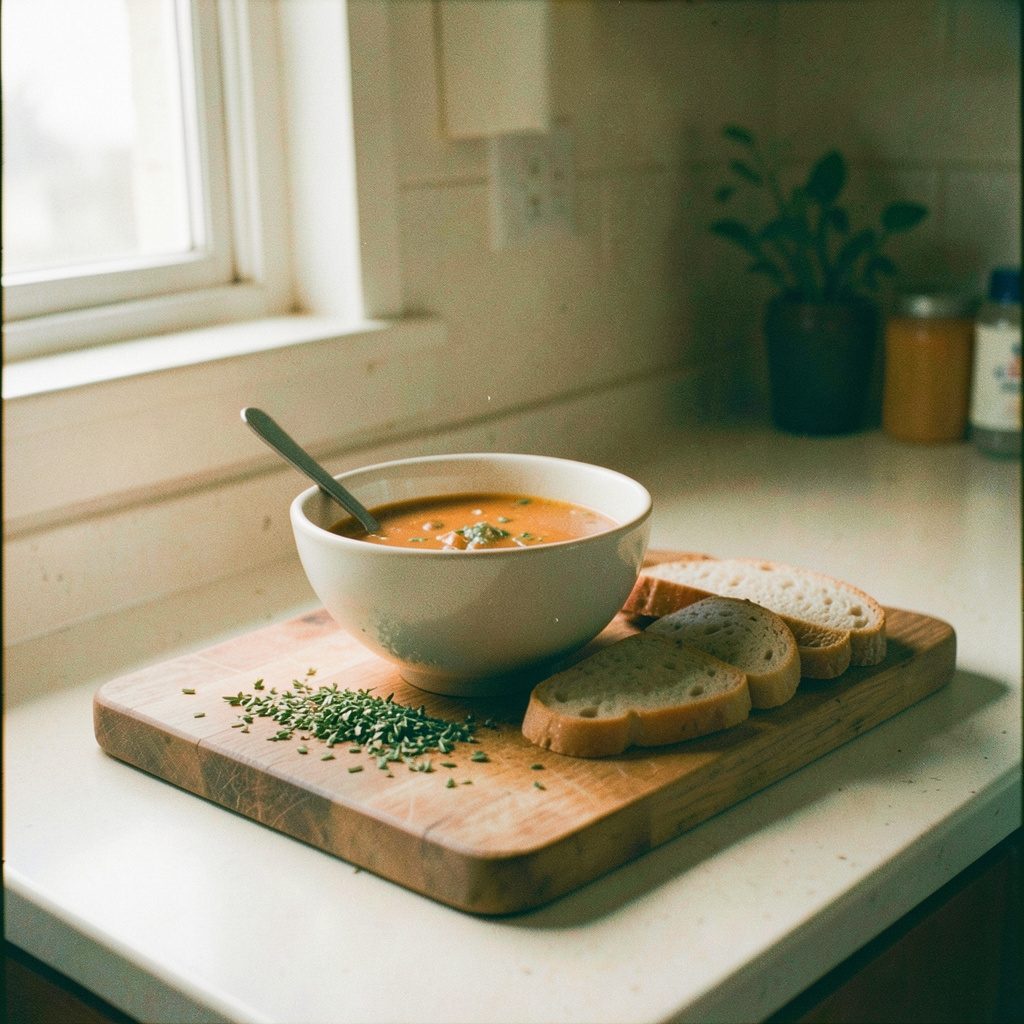
From the kitchen
A few of the meals we've been making lately.
Watch & cook
Short clips from the kitchen.
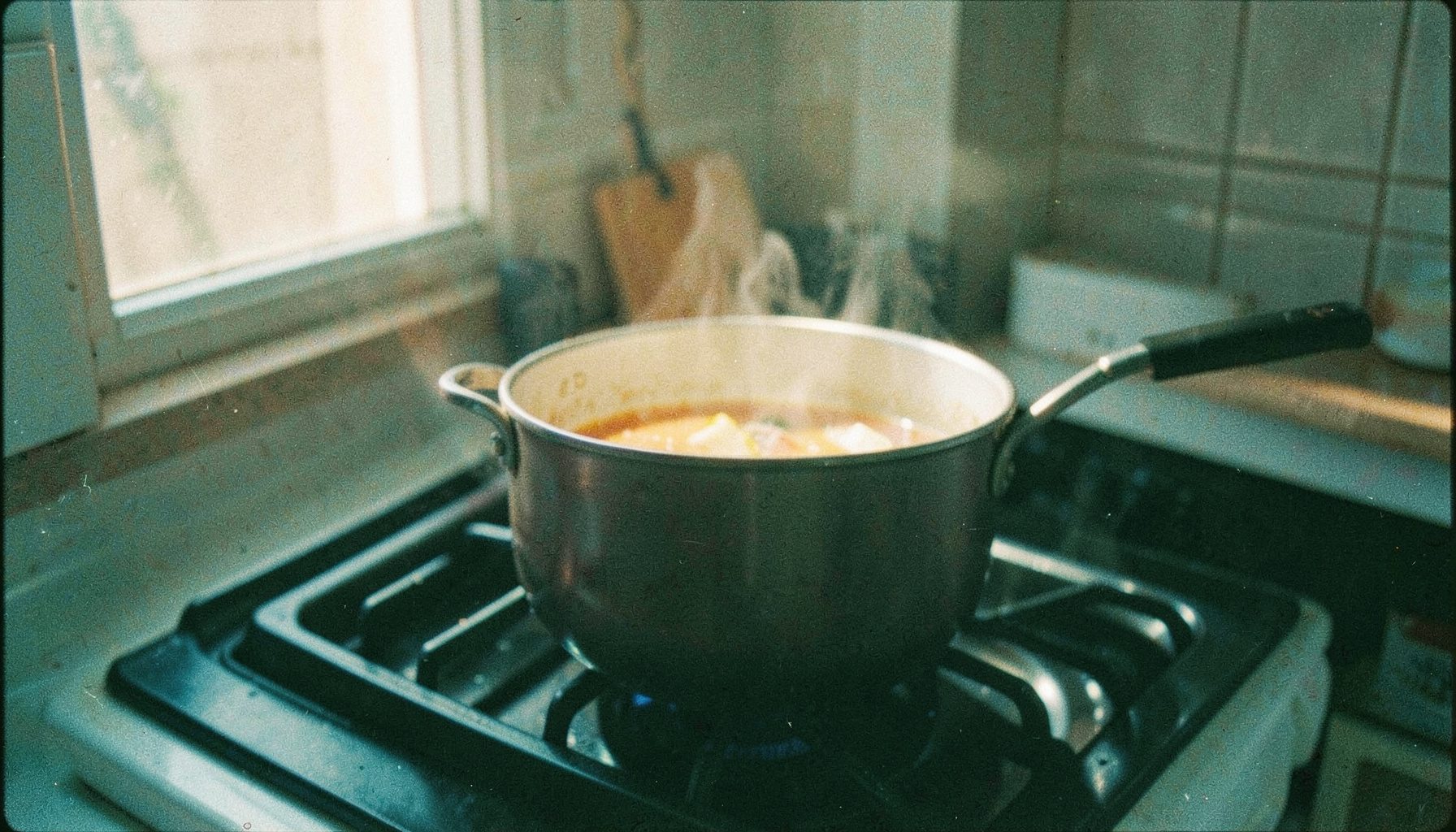 ▶
Surf and Turf in a Soup
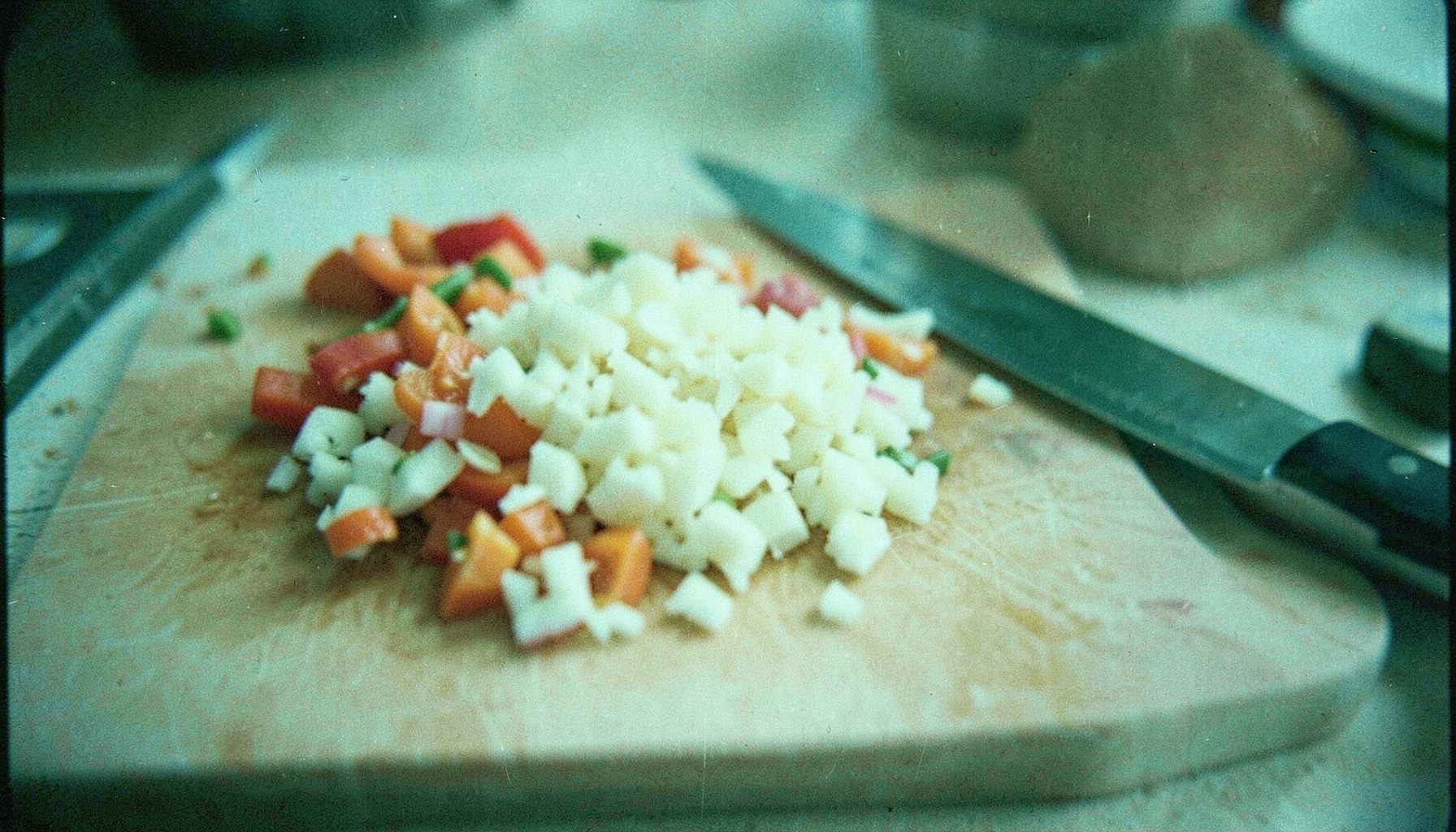 ▶
Clarifying Clarified Butter
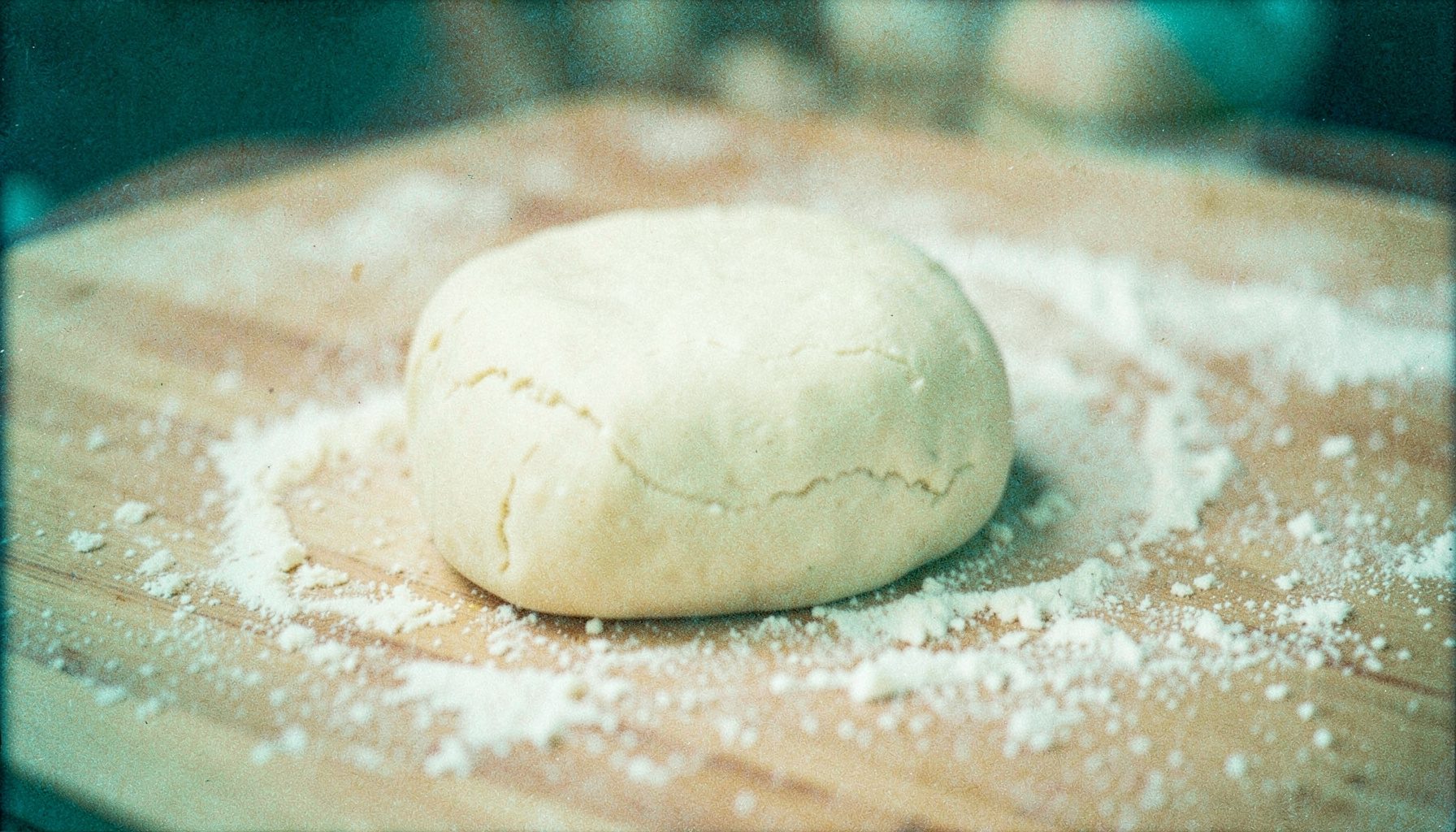 ▶
Blueberry Dumplings
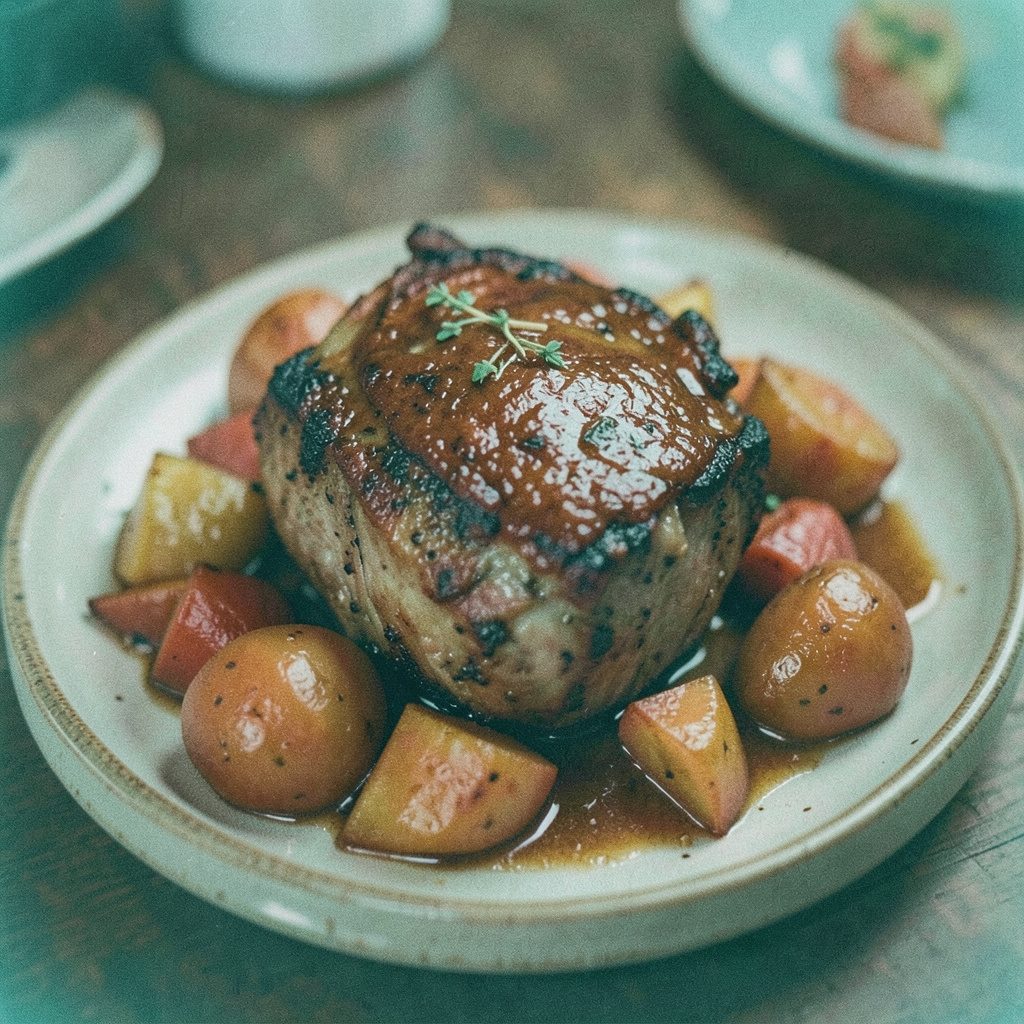
Pan-Seared Pork Chops Done Right for Home Cooks
Pork chops have long had a reputation as the trickiest cut on the plate. Too often, home cooks pull them off the heat too late and find themselves with something leathery and sad, or they pull them off too early and feel uneasy about the soft pink in the middle. The truth is that the simplicity of a good pork chop is exactly what makes it easy to overcook. With a small handful of smart steps, you can coax a thick, golden-brown crust from a hot pan while keeping the inside juicy and faintly blushing.
For Australians shopping at Coles, Woolworths, or a local butcher at the Adelaide Central Market or Prahran Market, the choices are wider than ever. Local pork farming has tightened up its quality in recent years, and Tasmanian pork in particular is celebrated for its clean flavour and good marbling. The method below leans on a few pantry staples you probably already keep on hand, a heavy pan, and a digital thermometer, the only reliable way to know when the chop is finished.
Choosing the Right Cut to Begin With
The journey to a flawless pork chop begins at the shop. Look for a cut that is roughly two to two and a half centimetres thick. Thinner pork steaks cook through before they have a chance to develop a meaningful crust, and an overly thick cut needs such a long sear that the outside blackens by the time the centre relaxes. A bone-in loin chop, sometimes labelled a "chop on the bone," gives you extra flavour and a little insurance against overcooking because the bone slows heat transfer. Boneless loin or shoulder chops work too, though they need a sharper eye on the temperature.
When possible, buy from a butcher who can tell you where the pig was raised. Producers in the Riverina and in Tasmania tend to produce a particularly tender product, and you'll often find pork labelled with brands like SunPork or Don Valley at major supermarkets. Whatever you choose, look for a creamy pink colour, a thin layer of fat along one edge, and avoid anything sitting in pooled liquid in the tray.
Why a Quick Dry-Brine Changes Everything
A dry-brine sounds technical but takes about ten seconds of your time. Pat the chop dry, sprinkle both sides with half a teaspoon of fine sea salt, and set it on a plate, uncovered, in the fridge for anywhere from forty-five minutes to overnight. The salt draws a little moisture to the surface, dissolves into it, and then the muscle slowly reabsorbs that seasoned liquid. The result is a chop that holds onto its juices during cooking, and the surface dries enough to crisp up rather than steam.
Skip this step and the meat still tastes fine, but you'll find that much of the moisture you paid for ends up pooling in the pan instead of landing on the plate. Even a short thirty-minute rest on salted pork improves both crust and flavour noticeably. For a sweet-tinged edge, a whisper of brown sugar scattered alongside the salt caramelises into a beautiful mahogany when it hits the hot fat.
The Pan and the Fat
A heavy pan is non-negotiable. Cast iron, a thick-based stainless steel skillet, or a sturdy carbon steel pan all hold steady heat and shrug off the cooling effect of a cold chop hitting metal. A thin non-stick skillet will not give you the kind of brown, craggy crust that makes a pork chop special. Set the pan over medium-high heat for a few minutes before adding the fat.
Choose a fat that can take the temperature. Rice bran oil, peanut oil, or a mild extra-virgin olive oil from McLaren Vale all behave well. Butter alone burns too quickly for the initial sear, but finishing the cook with a knob of butter, a smashed garlic clove, and a sprig of rosemary or lemon myrtle at the very end gives the chop a final glossy flourish. Many home cooks here keep a tub of ghee handy for this kind of work, since clarified butter tolerates higher heat than the regular stuff.
Heat, Movement, and the Searing Itself
Once the pan shimmers and a drop of water skitters across the surface, lay the chop away from you. Do not fidget with it. Pressing, lifting, or sliding the meat around lowers the temperature of the pan and turns that coveted crust into a dull grey. Leave the chop untouched for roughly three to four minutes, depending on thickness, until it releases easily and shows a deep amber colour when you peek at the edge.
Flip it, lower the heat to medium, and cook for another three to four minutes on the second side. If you started with a thicker cut, finish it by tilting the chop on its fatty edge to render and brown the rim. The kitchen should smell of toasting fat and herbs rather than scorched metal. If smoke is filling the room, the heat is too high, and a thinner cut is the safer choice next time.
Reading the Doneness the Right Way
A digital instant-read thermometer is the only reliable way to know when the chop is ready. Insert it from the side into the thickest part, avoiding the bone. Pork is safely cooked through at seventy degrees Celsius, and the juiciest results sit somewhere between sixty and sixty-five degrees, with the centre carrying a faint blush. At sixty-three degrees, the chop will rest to a perfect medium, and a brief carry-over cooking will see it finish around sixty-eight.
Pull the chop from the pan a couple of degrees before your target, because the meat keeps cooking as it rests. If you don't own a thermometer, press the meat gently: it should feel like the fleshy base of your thumb when you touch your index finger to your thumb, with a soft bounce. Anything firmer than that has gone too far.
The Quiet Importance of Resting
Resting is the step most home cooks skip when they smell how good the chop is. Transfer it to a warm plate, tent it loosely with foil, and leave it alone for five to seven minutes. During cooking, the muscle fibres tense and push juices toward the centre. As the meat relaxes, those juices redistribute, and cutting in too soon releases them as a puddle on the cutting board.
If you only remember one thing from this whole method, remember to give the chop its quiet rest. It is the difference between a pork chop that tastes basted in its own juice and one that tastes dry on the plate. Use that five-minute window to dress a salad or warm a plate, and the whole meal lands together.
Building a Quick Pan Sauce
While the chop rests, the fond in the pan is pure flavour. Tip off any excess fat, return the pan to medium heat, and toss in a finely chopped shallot. Stir for a minute until it softens, then pour in a splash of chicken stock or a glug of dry white wine. Scrape the bottom with a wooden spoon, let it bubble down by half, and finish with a cold knob of butter whisked in off the heat. A spoonful of wholegrain mustard or a sprig of sage stirred in at the end turns the juices into something you might drizzle over chat potatoes or spoon onto the chop itself.
Another easy option is a quick apple relish. Sauté diced Pink Lady apples in a little butter with a pinch of salt until just softened, splash with cider vinegar, and spoon alongside. The fruit's sweetness balances pork's richness without leaning sweet, and Pink Ladies are available year-round in most greengrocers around Melbourne, Brisbane, and beyond.
Easy Sides to Round Out the Plate
- Chat potatoes roasted with rosemary and olive oil, finished with flaky salt.
- A buttery pea and mint mash, using frozen peas thawed quickly in hot water.
- Steamed green beans tossed with toasted slivered almonds and lemon zest.
- A peppery rocket salad with shaved parmesan and a drizzle of good Australian olive oil.
- Roast pumpkin cubes with sage, especially welcome in the cooler months across the country.
- Buttered pearl couscous tossed through chopped parsley and toasted pine nuts.
Whichever side you choose, the chop deserves to be the star of the plate. Serve it simply with a wedge of lemon, a scatter of chopped herbs, and a small jug of warm sauce. A pork chop cooked this way is weeknight-friendly, special enough for a casual Sunday meal, and forgiving enough that the second attempt is rarely the last. Sear one tomorrow, and let the kitchen smell like the kind of place where everyone lingers a little longer.
Meet the cooks
Two friends, two kitchens, one shared notebook.

Jessica
"I write down what worked, what flopped, and what to try next week."

Kathrin
"Recipes should leave room for the fridge and the season."
Get in touch
We read every message.