Easy, Fresh and Colorful Meals
A friendly food journal by Jessica and Kathrin, gathering simple soups, bright vegetables, and quick weeknight fixes for cooks who want to put a good meal on the table without fuss.
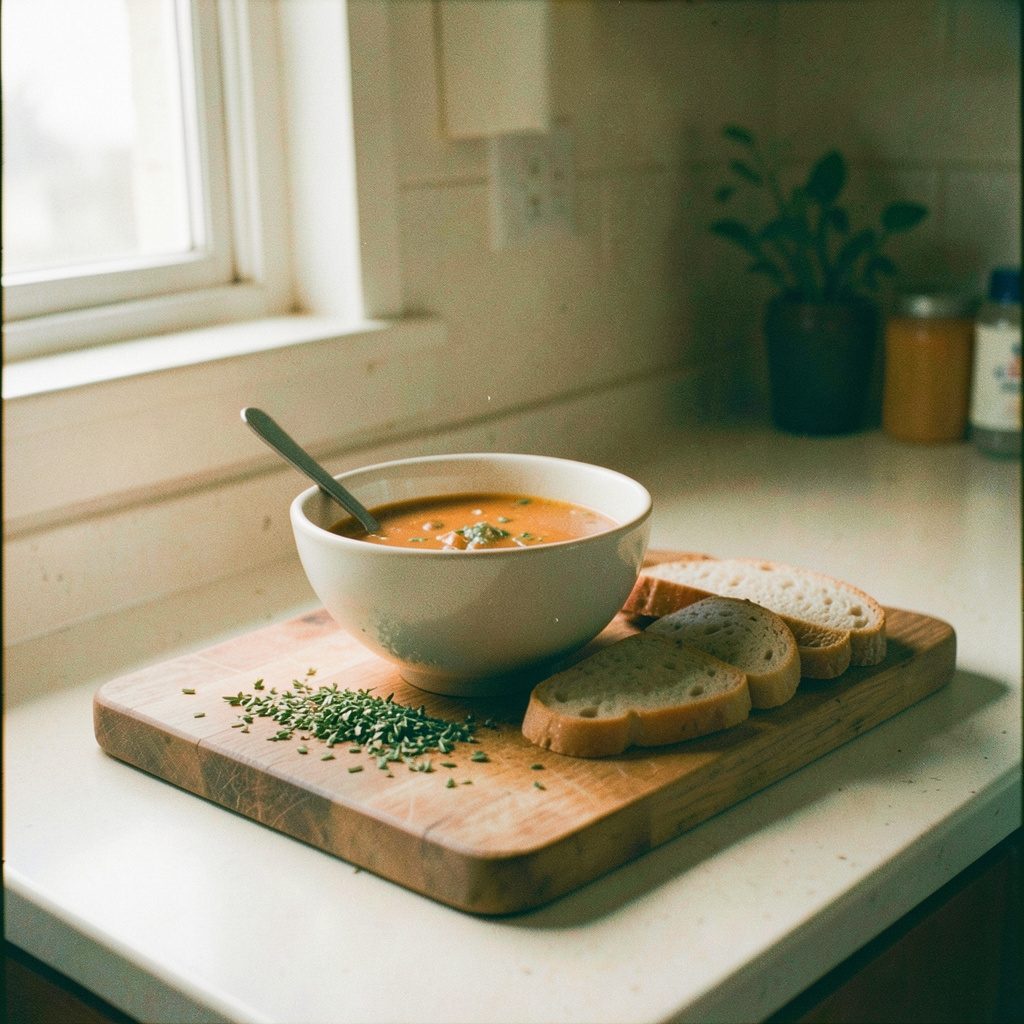
From the kitchen
A few of the meals we've been making lately.

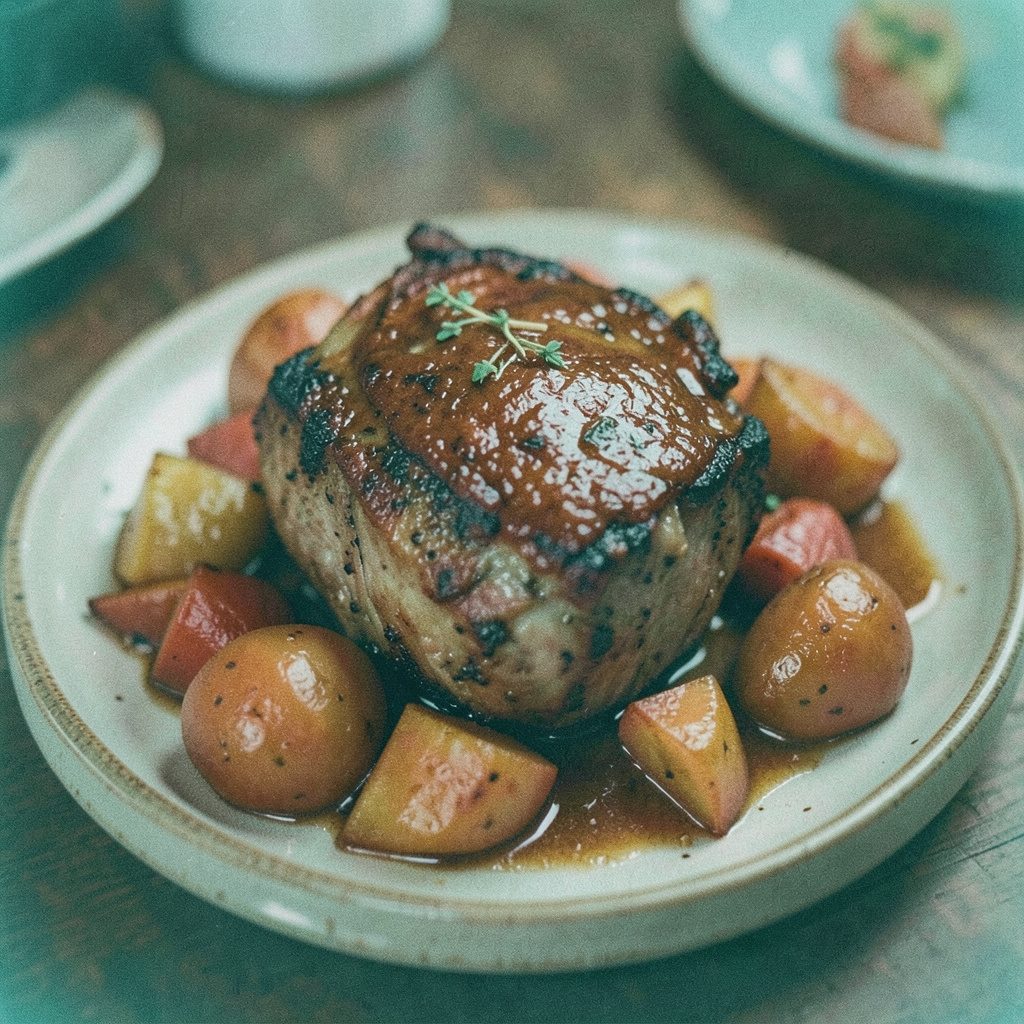
Watch & cook
Short clips from the kitchen.
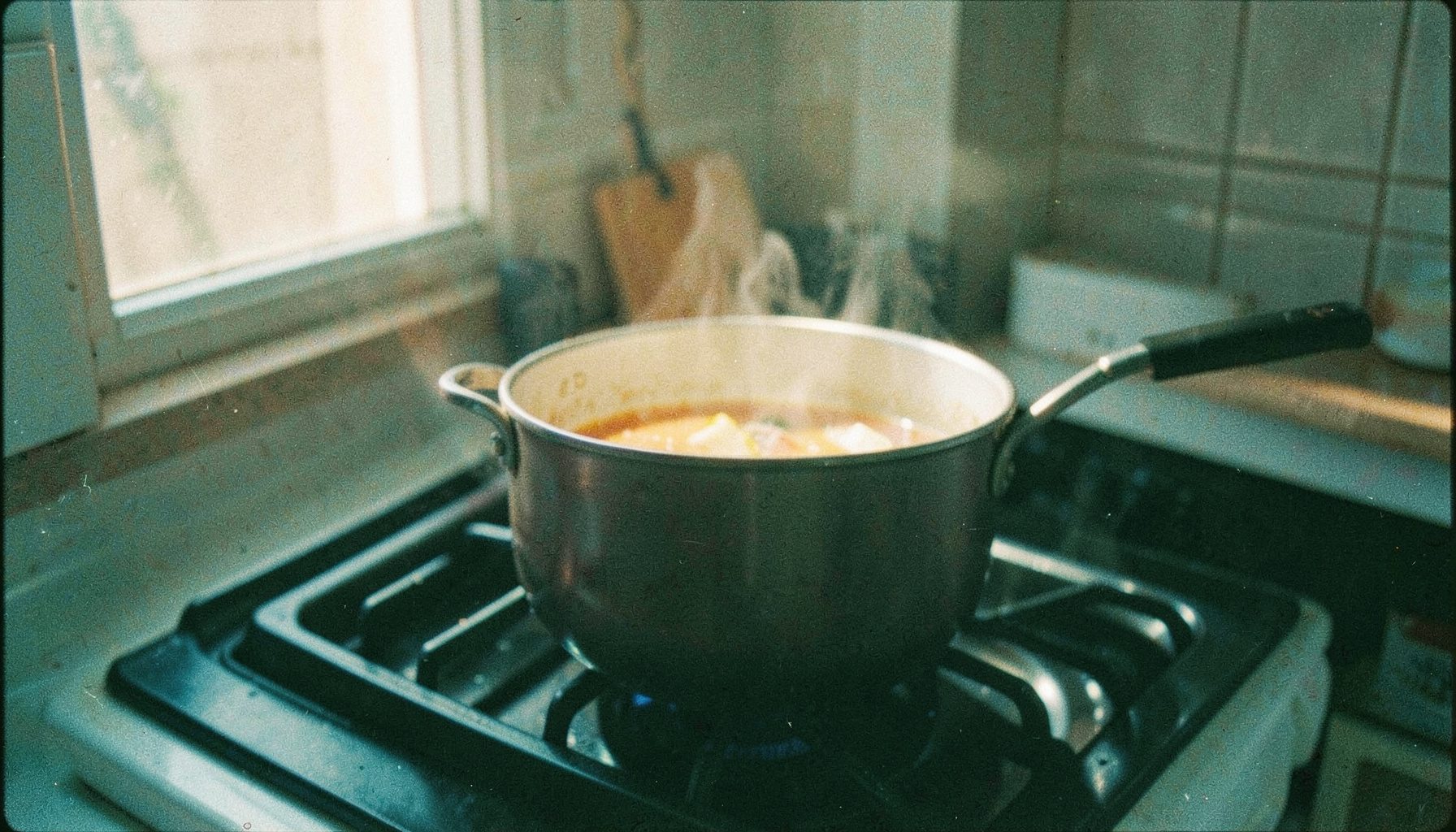 ▶
Surf and Turf in a Soup
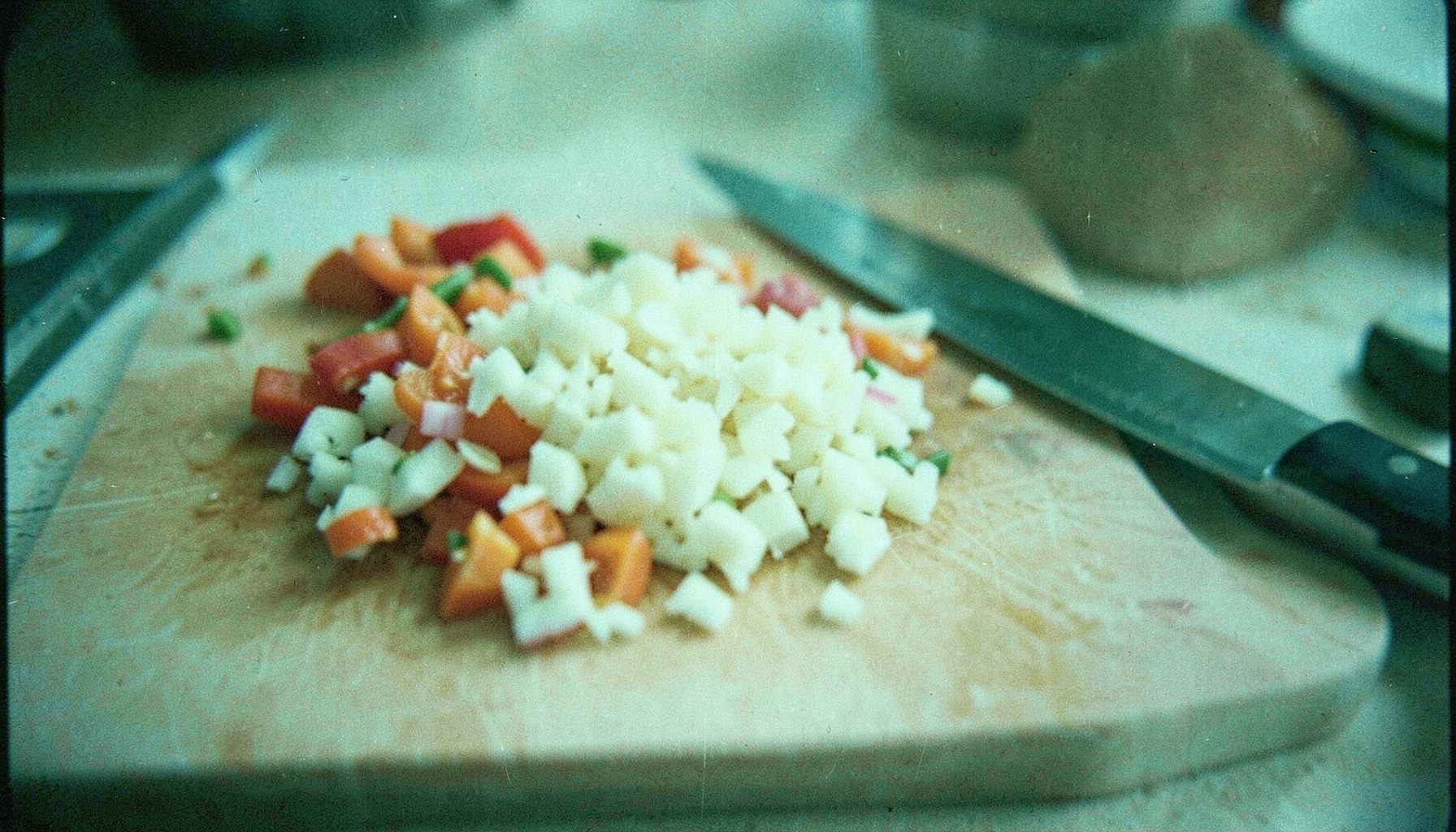 ▶
Clarifying Clarified Butter
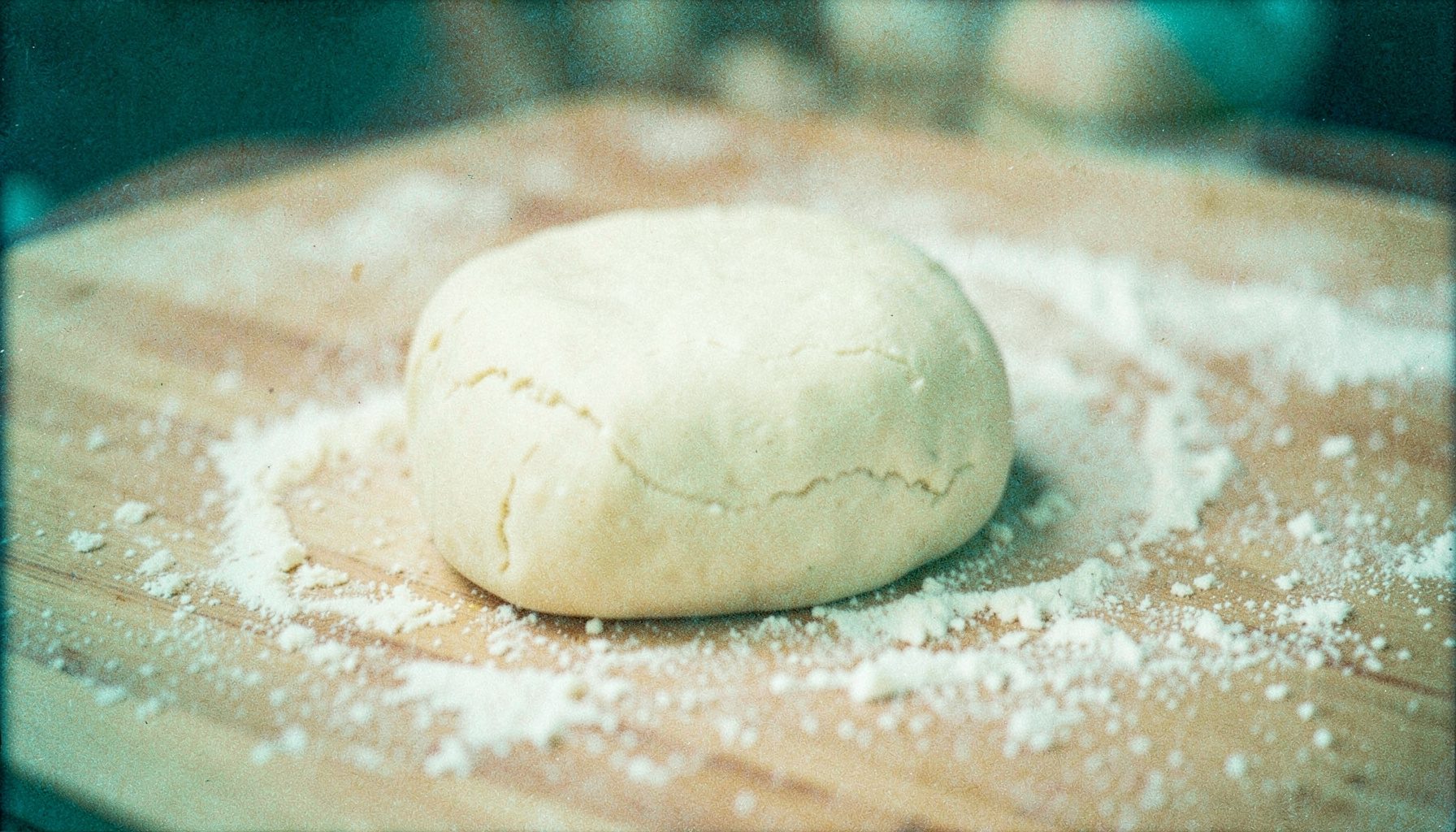 ▶
Blueberry Dumplings
Crunchy Baked Coconut Shrimp With Sweet Chili Dip
Crisp, golden coconut shrimp can feel like restaurant food, yet they are surprisingly simple to make at home. A quick coating of flour, egg, panko and coconut gives each prawn a light crunch, while baking keeps the cooking straightforward and avoids the need for a deep fryer.
This colourful seafood dish works beautifully as a relaxed starter, a fresh lunch or part of a shared dinner. Serve it with sweet chilli dip, lime wedges and a bright salad for an easy meal that suits an Australian summer, from a Brisbane balcony to a casual Melbourne gathering.
Why Baking Gives The Best Crunch
The secret to a crisp coating is keeping the crumb mixture dry and giving the prawns enough space on the tray. Panko breadcrumbs create a lighter, airier crust than regular breadcrumbs, while shredded coconut adds texture and a gentle sweetness. A hot oven helps the outside turn golden before the seafood becomes overcooked.
Use a fan-forced oven at 220°C, or 230°C for a conventional oven. Preheating the tray for a few minutes can help the underside brown, although baking paper makes cleanup easier. A light spray of olive oil over the coated prawns encourages even colour without making them greasy.
Look for raw, peeled and deveined prawns with the tails left on if you want an easy handle for dipping. Australian prawns are widely available from fishmongers and supermarket seafood counters. If buying from a local market, such as Sydney Fish Market or Melbourne’s Queen Victoria Market, choose seafood that smells clean and fresh rather than strongly fishy.
Ingredients For A Fresh, Colourful Meal
For four servings, you will need 500 grams of raw peeled prawns, ½ cup plain flour, two eggs and one cup of panko breadcrumbs. Add ¾ cup unsweetened shredded coconut, one teaspoon of sweet paprika, ½ teaspoon of garlic powder, ½ teaspoon of sea salt and a generous grind of black pepper.
The dip needs ½ cup sweet chilli sauce, one tablespoon of fresh lime juice and one teaspoon of finely grated lime zest. A small spoonful of fish sauce can add savoury depth, though it is optional. Choose a sweet chilli sauce from the Asian aisle; this familiar Australian pantry staple is especially good with crisp seafood.
For serving, gather lime wedges, coriander leaves, sliced cucumber and a handful of rocket or mixed salad leaves. Steamed jasmine rice, rice noodles or warm flatbreads can turn the prawns into a more filling dinner. Mango, avocado and finely sliced red cabbage also bring colour and freshness to the plate.
How To Coat The Prawns Evenly
Pat the prawns dry with paper towel before starting. Excess moisture can make the coating slide off, so this small step is worth taking. Set up three shallow bowls: one with flour, one with beaten eggs, and one with panko, coconut, paprika, garlic powder, salt and pepper mixed together.
Dip each prawn into the flour, shaking off the excess. Then coat it in egg before pressing it firmly into the coconut crumb mixture. Pressing rather than simply rolling helps the coating cling to the curved surface. Arrange the prawns on the prepared tray with a little space between them.
Bake for 10 to 12 minutes, turning once halfway through, until the coating is golden and the prawns are opaque in the centre. The exact timing depends on their size. Avoid overcooking, as prawns can become firm and dry quickly. If using frozen prawns, thaw them completely in the refrigerator and dry them thoroughly before coating.
A Bright Sweet Chilli Dip
The quickest dip combines sweet chilli sauce with lime juice and zest. The lime cuts through the sweetness and gives the sauce a sharper, fresher finish. For extra creaminess, stir two tablespoons of mayonnaise or Greek yoghurt into the mixture. This creates a milder dip that is ideal for children or anyone who prefers less heat.
To make the sauce more vibrant, add a little finely chopped coriander, a pinch of grated ginger or a few drops of toasted sesame oil. These additions complement the coconut without overwhelming the prawns. Taste before adding salt, since some sweet chilli sauces already contain plenty of seasoning.
Serve the dip in a small bowl surrounded by the hot prawns. Keep the sauce chilled until serving, especially on warm days. For outdoor meals, place the bowl over a larger dish filled with ice and return any leftovers to the refrigerator promptly.
Serving Ideas For Easy Entertaining
Coconut prawns make an appealing centrepiece for a casual shared table. Arrange them on a platter with lime wedges, herbs and thinly sliced cucumber, then add a bowl of dip in the middle. This style suits summer gatherings, weekend lunches and festive entertaining when guests can help themselves.
For a complete meal, serve the prawns over jasmine rice with quick-pickled carrots and cucumber. A salad of mango, avocado, coriander and shredded cabbage adds a tropical feel, while steamed greens balance the rich coconut crumb. In warmer parts of Australia, such as Darwin or northern Queensland, the dish pairs particularly well with crisp fruit and plenty of lime.
If you are hosting a barbecue, prepare the prawns and dip in the kitchen, then bake them just before serving. They are best eaten hot and crisp rather than held for a long time. For a lighter lunch, place three or four prawns in lettuce cups with cucumber, herbs and a drizzle of extra sauce.
Practical Finishing Touches
- Use unsweetened coconut so the crumb does not become overly sugary.
- Keep one hand for wet ingredients and the other for dry ingredients while coating.
- Choose medium or large prawns so they stay juicy during baking.
- Add a light oil spray immediately before the tray goes into the oven.
- Serve with extra lime and fresh herbs to balance the crunchy coating.
- Refrigerate leftovers promptly and reheat them in a hot oven rather than the microwave.
For the best texture, reheat cooked prawns at 200°C for five to seven minutes, checking regularly. They will not be quite as crisp as when freshly baked, but a hot oven will revive much of the coating. Avoid reheating seafood repeatedly, and use leftovers in a salad or rice bowl within a day.
This recipe can also be adapted with gluten-free flour and gluten-free panko. Desiccated coconut works in a pinch, though shredded coconut gives a more noticeable texture. For a little heat, mix chilli flakes into the crumbs or use a hot sweet chilli sauce.
Bring these baked coconut prawns to the table with plenty of lime, a generous bowl of sweet chilli dip and something fresh on the side. Save the recipe for your next relaxed gathering, shop for Australian prawns at your local seafood counter, and make a crisp, colourful dinner that everyone can enjoy at home.
Meet the cooks
Two friends, two kitchens, one shared notebook.

Jessica
"I write down what worked, what flopped, and what to try next week."

Kathrin
"Recipes should leave room for the fridge and the season."
Get in touch
We read every message.