Easy, Fresh and Colorful Meals
A friendly food journal by Jessica and Kathrin, gathering simple soups, bright vegetables, and quick weeknight fixes for cooks who want to put a good meal on the table without fuss.
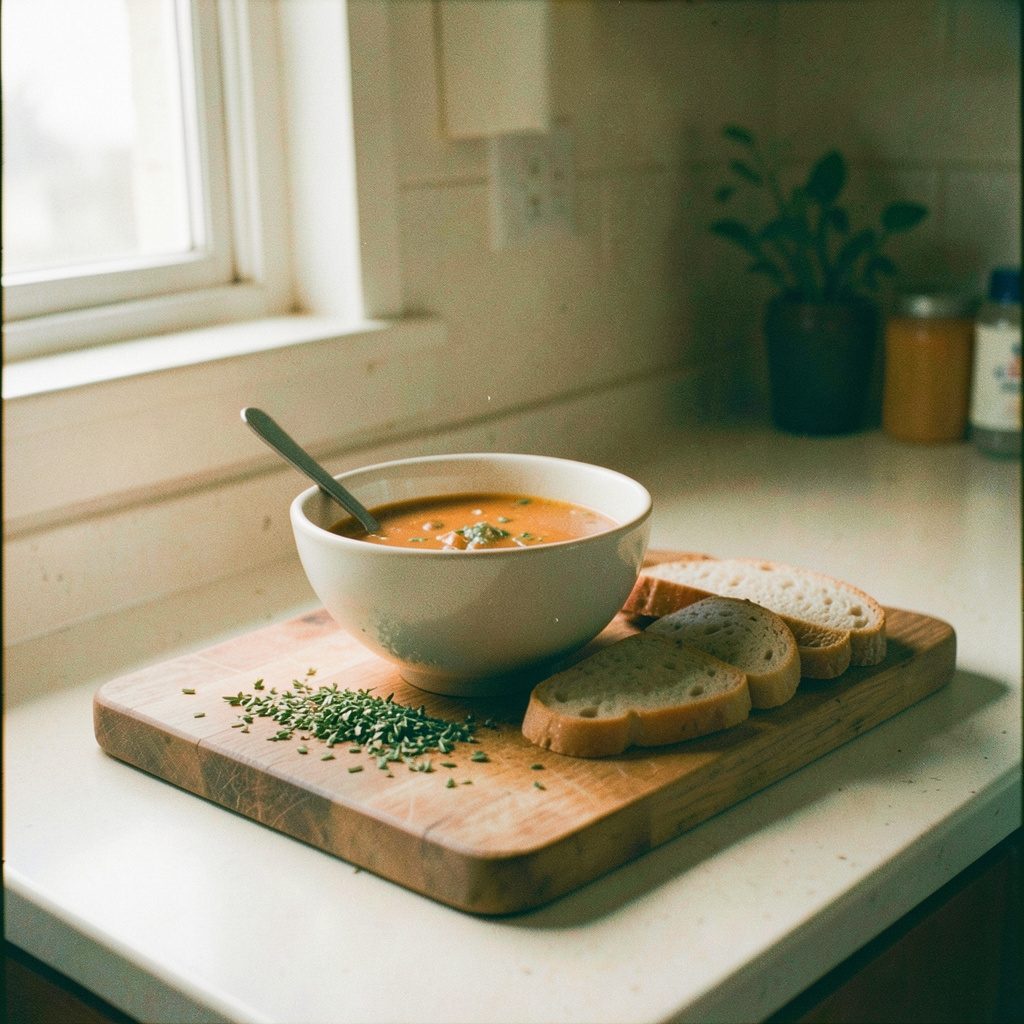
From the kitchen
A few of the meals we've been making lately.
Watch & cook
Short clips from the kitchen.
 ▶
Surf and Turf in a Soup
 ▶
Clarifying Clarified Butter
 ▶
Blueberry Dumplings
Stovetop Spinach and Ricotta Stuffed Shells
Stovetop spinach and ricotta stuffed shells bring the comfort of baked pasta to the table without turning on the oven. Jumbo pasta shells are filled with creamy ricotta, leafy spinach, herbs and cheese, then gently cooked in tomato sauce until tender. The result is colourful, satisfying and practical for a weeknight dinner.
This version suits Australian kitchens particularly well. It keeps the oven off during a hot Brisbane or Perth evening, uses ingredients found at Coles or Woolworths, and allows for easy substitutions when jumbo shells are unavailable. Serve it with a crisp salad for dinner, or prepare the filling earlier in the day so the final cooking is quick.
| Cooking approach | Texture | Time | Best for |
|---|---|---|---|
| Stovetop stuffed shells | Tender pasta with a soft, creamy centre | 35–45 minutes | Hot days and weeknight meals |
| Oven-baked shells | Slightly firmer edges and browned cheese | 45–55 minutes | Family gatherings |
| Stuffed manicotti | Larger, softer pasta tubes | 40–50 minutes | A more substantial serve |
| Layered spinach and ricotta pasta | Loose, spoonable and rustic | 30–40 minutes | When shells are hard to find |
Why This Pasta Dinner Works
The combination of ricotta and spinach gives the filling a mild, fresh flavour, while parmesan adds savouriness and mozzarella creates a stretchy finish. Garlic, lemon zest and nutmeg keep the mixture from tasting flat. A little chopped parsley or basil brings brightness without making the recipe fussy.
Cooking the shells directly in a covered pan of sauce helps the pasta absorb flavour as it softens. The lid traps steam, which means the shells cook evenly without needing a conventional oven. Use a wide, heavy-based frying pan or sauté pan with a lid so the pasta sits in a single layer.
This meal is flexible enough for different households. Add finely chopped mushrooms for extra vegetables, stir through thawed peas for sweetness, or replace some ricotta with smooth cottage cheese. For a richer dish, finish with grated mozzarella; for a lighter one, use less cheese and serve with plenty of salad.
Ingredients And Easy Australian Swaps
For four generous serves, use 250–300g jumbo pasta shells, 500g ricotta, 250g frozen spinach, one garlic clove, ½ teaspoon dried oregano, a pinch of nutmeg, the zest of half a lemon, ½ cup grated parmesan and 700ml tomato passata. You will also need one small brown onion, olive oil, salt, black pepper and 125g grated mozzarella.
Frozen spinach is particularly convenient because it is available year-round and does not wilt dramatically in the fridge. Thaw it in a sieve, then press out as much water as possible. Excess moisture can make the ricotta filling loose and cause the shells to split. Fresh baby spinach also works: wilt it in a pan, cool it and chop it finely before mixing.
Australian supermarket pasta aisles do not always stock jumbo shells, especially outside major metropolitan areas. Look for conchiglioni, which is the Italian name often printed on the packet, or use manicotti tubes. If neither is available, small lasagne sheets can be softened, filled and rolled into pasta parcels.
How To Cook The Stuffed Shells
Bring a large saucepan of salted water to the boil and cook the shells for two minutes less than the packet instructions suggest. They should be flexible enough to fill but still firm in the centre. Drain them carefully and rinse briefly under cool water to stop the cooking. A drizzle of olive oil will prevent them sticking while you prepare the filling.
For the filling, combine the well-drained spinach, ricotta, parmesan, garlic, oregano, nutmeg, lemon zest, salt and pepper. Stir until evenly mixed, then transfer the filling to a piping bag or a sturdy snap-lock bag with one corner snipped off. This makes it much easier to fill the shells without tearing them. A teaspoon works too if you prefer a slower, hands-on approach.
Warm a splash of olive oil in the wide pan and cook the chopped onion for four to five minutes, until soft. Pour in the passata, add ½ cup of water, and season lightly. Arrange the filled shells in the sauce, open side facing upwards. Sprinkle over the mozzarella, cover the pan and simmer gently for 18–22 minutes, or until the pasta is tender and the sauce is bubbling around the edges.
Keep the heat low once the pan is covered. A vigorous boil can catch the passata on the base before the shells are cooked. If the sauce becomes thick too quickly, add a few tablespoons of water. Rest the finished dish for five minutes with the lid off so the filling settles and the sauce thickens slightly.
Serving And Storing The Meal
Serve the shells with extra parmesan, torn basil and a drizzle of good olive oil. A simple salad of rocket, cucumber and cherry tomatoes adds crunch and balances the soft pasta. Garlic bread is welcome for soaking up the tomato sauce, although steamed green beans or roasted broccolini make the plate feel fresher.
This recipe is ideal for an Australian family dinner because it can sit in the pan for a short time without drying out. For a casual Friday night tea, place the pan in the middle of the table and let everyone help themselves. If you are cooking for children, keep the chilli out of the sauce and offer cracked pepper at the table.
Cool leftovers promptly and refrigerate them in a covered container for up to three days. Reheat individual portions in a covered pan with a spoonful of water or extra passata. The shells can also be assembled several hours ahead and kept chilled; allow them to sit at room temperature for about 15 minutes before cooking so the centre does not remain cold.
Practical Ways To Make It Your Own
Small adjustments can change the character of the dish without affecting the basic method. Use basil and lemon for a lighter summer profile, or add chilli flakes and smoked paprika for more warmth. A spoonful of pesto stirred into the ricotta gives the filling a distinctly green, herby flavour.
For a higher-protein meal, add finely chopped cooked chicken to the cheese mixture, or serve the shells alongside cannellini beans. Vegetarians can include grated zucchini, mushrooms or roasted pumpkin, provided the vegetables are cooked and excess moisture is removed first.
- Choose a wide pan with a well-fitting lid so the shells cook in one layer.
- Press thawed spinach dry with a clean tea towel or the back of a spoon.
- Cook pasta shells slightly under the packet timing before filling them.
- Keep the tomato sauce loose enough to create steam beneath the lid.
- Use conchiglioni or manicotti when jumbo shells are unavailable.
- Prepare the ricotta filling earlier and refrigerate it until dinner time.
- Finish with fresh herbs and lemon zest to lift the rich cheese filling.
The beauty of this stovetop pasta recipe is its balance of ease and comfort. It feels special enough for guests yet relies on familiar supermarket ingredients, and the method works in a compact kitchen as well as a busy family home. Gather your shells, ricotta and spinach, then make a pan for dinner tonight.
Meet the cooks
Two friends, two kitchens, one shared notebook.

Jessica
"I write down what worked, what flopped, and what to try next week."

Kathrin
"Recipes should leave room for the fridge and the season."
Get in touch
We read every message.