Easy, Fresh and Colorful Meals
A friendly food journal by Jessica and Kathrin, gathering simple soups, bright vegetables, and quick weeknight fixes for cooks who want to put a good meal on the table without fuss.
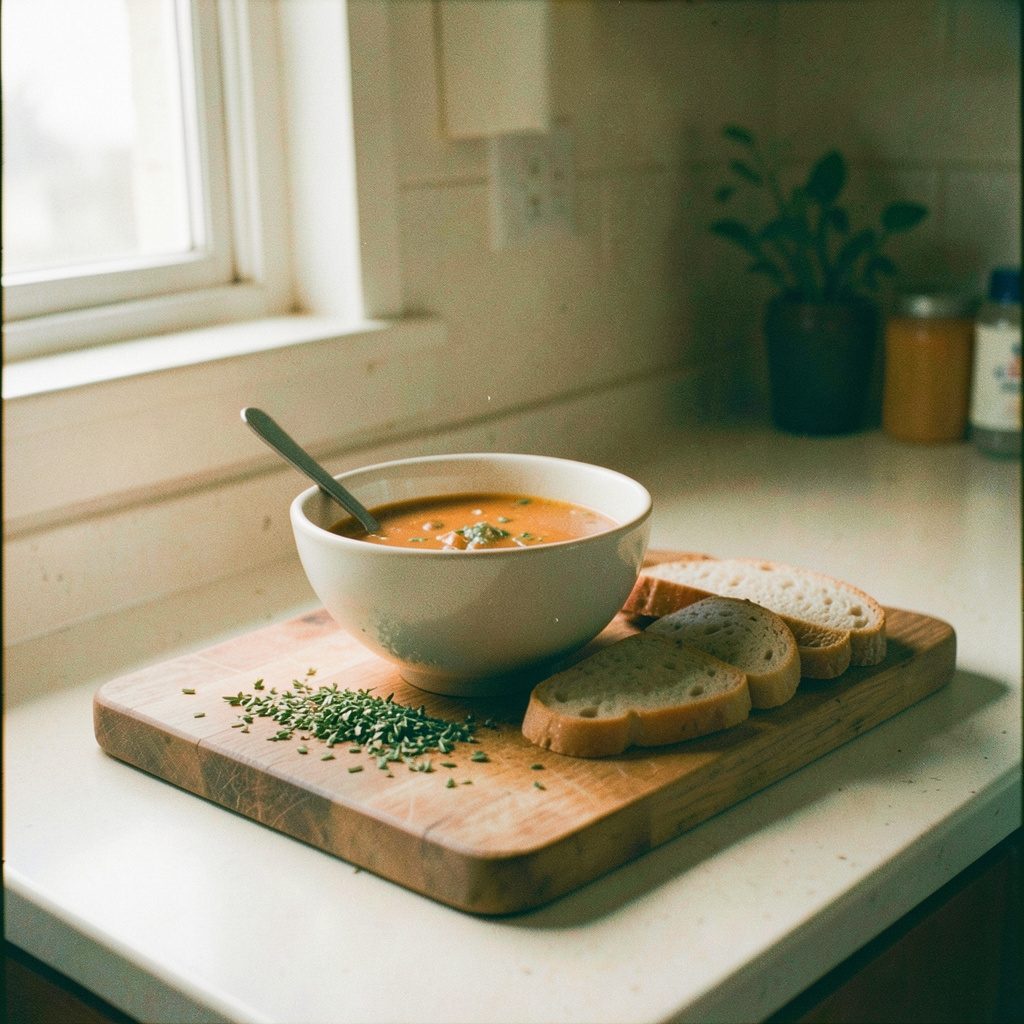
From the kitchen
A few of the meals we've been making lately.

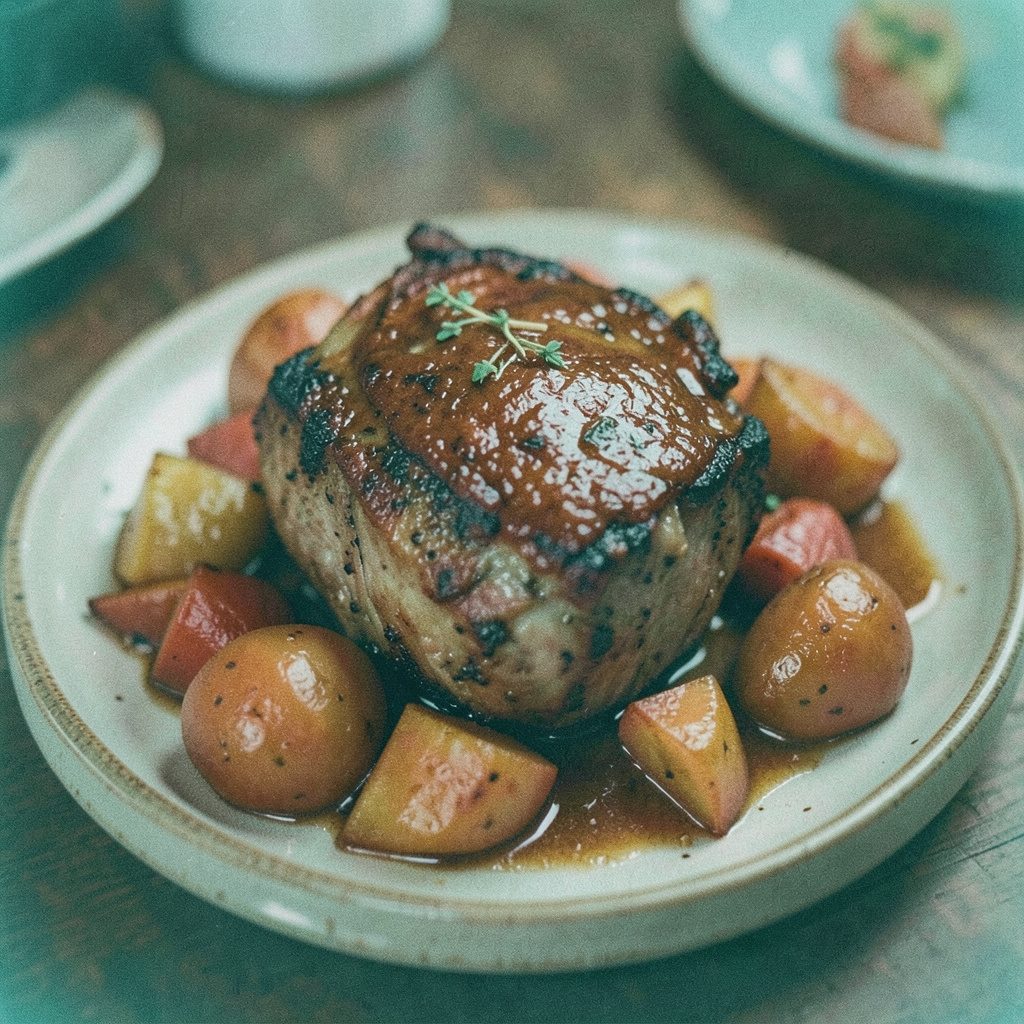
Watch & cook
Short clips from the kitchen.
 ▶
Surf and Turf in a Soup
 ▶
Clarifying Clarified Butter
 ▶
Blueberry Dumplings
One-pan lemon dill salmon with new potatoes
One-pan lemon dill salmon with new potatoes is a fresh, satisfying dinner that brings together crisp-edged potatoes, tender fish and a bright herb dressing. The potatoes roast in the pan while the salmon cooks gently in lemon and stock, so every forkful carries a little of the aromatic pan juices. It feels special enough for a relaxed Friday dinner, yet the active cooking takes only a few minutes.
This recipe serves four and takes about 40 minutes from oven to table. You will need 500 grams of baby potatoes, 600 grams of salmon, 250 grams of cherry tomatoes, garlic, fresh dill, one lemon and a little chicken stock. A fan-forced oven does most of the work, while the same pan handles the vegetables, fish and sauce from start to finish.
Why the one-pan method works
New potatoes benefit from a head start because they need more time than salmon to become tender. Roasting them first gives their cut surfaces a golden colour and creates a sturdy base for the fish. The small tomatoes then soften in the oven, releasing their juices into the stock and adding colour and sweetness to the finished dish.
Lemon, dill and garlic season the cooking liquid as well as the salmon. Lemon juice keeps the fish moist, garlic builds a savoury base, and dill gives the meal its clean, green character. Because the flavours concentrate in one pan, a simple spoon of pan sauce is enough to bring the whole plate together.
Using one pan also keeps the process calm and controlled. There is no juggling several heatproof dishes, transferring fish between pans or timing separate components. The only ingredient to prepare separately is the salmon, which can be seasoned while the potatoes roast.
Choosing produce and fish for Australian kitchens
Baby potatoes with thin skins are widely available at Coles and Woolworths, and they are usually the easiest option for this recipe. In Australia, fresh new potatoes are especially plentiful from spring through early summer, although small chat potatoes work throughout the year. Choose firm potatoes without soft patches or green areas, and scrub them well before cutting.
Fresh dill can usually be found in the produce section of major supermarkets. Look for bright green fronds and avoid bunches with yellowing leaves or limp stems. Australian Eureka lemons have firm skins and plenty of juice, while smaller Meyer-style lemons add a slightly sweeter note. Either works, provided the lemon is fresh and fragrant.
For salmon, Australian fish counters and seafood markets are reliable places to ask about freshness and thickness. Sydney’s Fish Market and the seafood counters around Melbourne offer useful options, while supermarkets commonly stock Australian-grown Atlantic salmon. Skinless fillets are convenient, but skin-on pieces and neatly cut salmon portions are also excellent if you prefer extra flavour or crisper edges.
A fillet around 2 to 3 centimetres thick cooks evenly and stays succulent under the lid. If your salmon is much thicker, allow a few extra minutes. All measurements here are metric, and the cooking times are designed for a standard fan-forced domestic oven.
Layering lemon, dill and garlic
Begin the sauce by using the whole lemon: zest the yellow outer skin finely, then squeeze the juice and discard the bitter white pith. Add the zest to the roasting potatoes early so it softens and perfumes the oil. Reserve most of the juice for the pan, adding a small splash with the stock and the remainder at the end for fresh acidity.
Fresh dill has two useful parts. Chopped stems have more flavour than the leaves and can simmer with the garlic and stock, while the delicate fronds work best as a final garnish. If dill is unavailable, parsley can provide a fresh herbal finish, although it will give the dish a different character. Lemon balm also works well when grown in an Australian home garden.
The savoury elements are deliberately simple. Thinly sliced garlic becomes sweet as it roasts, and cherry tomatoes provide a rounded, slightly acidic flavour. A splash of capers or a teaspoon of Dijon mustard can deepen the pan juices without overcrowding the dish.
The same lemony, herb-led approach appears in Jessica’s lentil soup, which is a useful alternative for a lighter lunch or a meat-free dinner.
The no-fan cooking method
Preheat the oven to 200°C fan-forced, or about 220°C in a conventional oven. Cut the baby potatoes into halves, or quarter any larger ones so the pieces are roughly the same size. Toss them with two tablespoons of olive oil, the lemon zest, half the garlic, salt and black pepper.
Spread the potatoes cut-side down in a large roasting pan. If using a conventional oven rather than a fan-forced one, give the pan another five minutes. Roast for 15 to 18 minutes, turning the potatoes once if they begin to colour unevenly. Their centres should be almost tender at this stage, while the outside remains lightly crisp.
Add the cherry tomatoes and the remaining garlic to the pan. Pour in 200 millilitres of chicken stock, add the lemon juice and dill stems, then stir gently to combine. Nestle the salmon pieces among the potatoes and spoon a little of the hot liquid over each fillet.
Cover the pan with a lid or foil and return it to the oven for 8 to 10 minutes. Thinner pieces may be ready sooner, while thicker portions may need another two minutes. Check the salmon carefully; it should flake easily and reach an internal temperature of 63°C. Avoid leaving it under the lid once cooked, as the fish will continue steaming and may dry out.
Remove the pan from the oven and let the salmon rest for two minutes. Scatter over the chopped dill fronds, add the remaining lemon juice and taste the potatoes for seasoning. Serve straight from the pan, allowing each person to take a piece of salmon with potatoes, tomatoes and pan juices.
Serving, storage and your next dinner
The finished dish works beautifully with a simple green salad, crusty bread or steamed green vegetables. For an Australian barbecue, serve the salmon warm with the pan potatoes and a bowl of dressed rocket, cucumber and tomato on the side. Lemon wedges belong on the table, particularly if guests prefer a sharper flavour with each bite.
Keep any leftovers in a sealed container in the refrigerator and use them within two days. Reheat gently in a low oven with a splash of stock until piping hot, rather than cooking the salmon at full heat in a hot pan. The potatoes and tomatoes can also be served cold, making them handy for a lunch box or quick snack.
The main salmon choices compare like this:
| Salmon choice | Texture and flavour | Best approach | Practical note |
|---|---|---|---|
| Skinless Atlantic fillet | Soft, buttery and mild | Cook covered for 8 to 10 minutes | The easiest option for even portions |
| Skin-on salmon | Richer flavour with crisp skin | Add about two extra minutes | Check for scales and remove any pin bones |
| Salmon portions | Firm centres with a neat appearance | Cook covered and check early | Pieces may vary in thickness |
| Australian kingfish | Firm, clean and less oily | Cook similarly to salmon | A substitute rather than a true salmon |
Make the one-pan lemon and dill salmon tonight, using the freshest potatoes and dill you can find. Then bring the pan straight to the table and serve the salmon while it is still tender, fragrant and coated in bright pan juices.
Meet the cooks
Two friends, two kitchens, one shared notebook.

Jessica
"I write down what worked, what flopped, and what to try next week."

Kathrin
"Recipes should leave room for the fridge and the season."
Get in touch
We read every message.