Easy, Fresh and Colorful Meals
A friendly food journal by Jessica and Kathrin, gathering simple soups, bright vegetables, and quick weeknight fixes for cooks who want to put a good meal on the table without fuss.
From the kitchen
A few of the meals we've been making lately.
Watch & cook
Short clips from the kitchen.
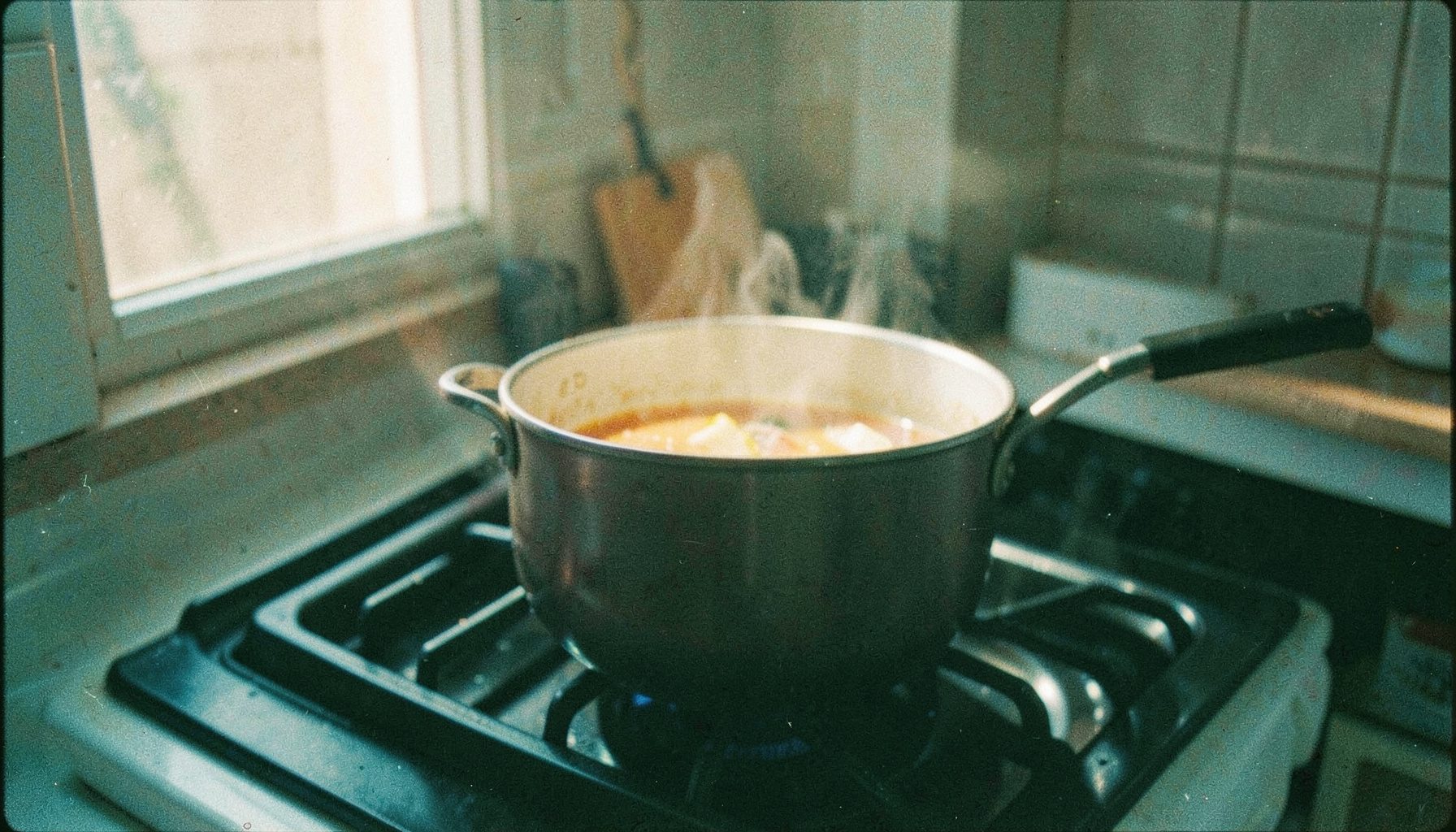 ▶
Surf and Turf in a Soup
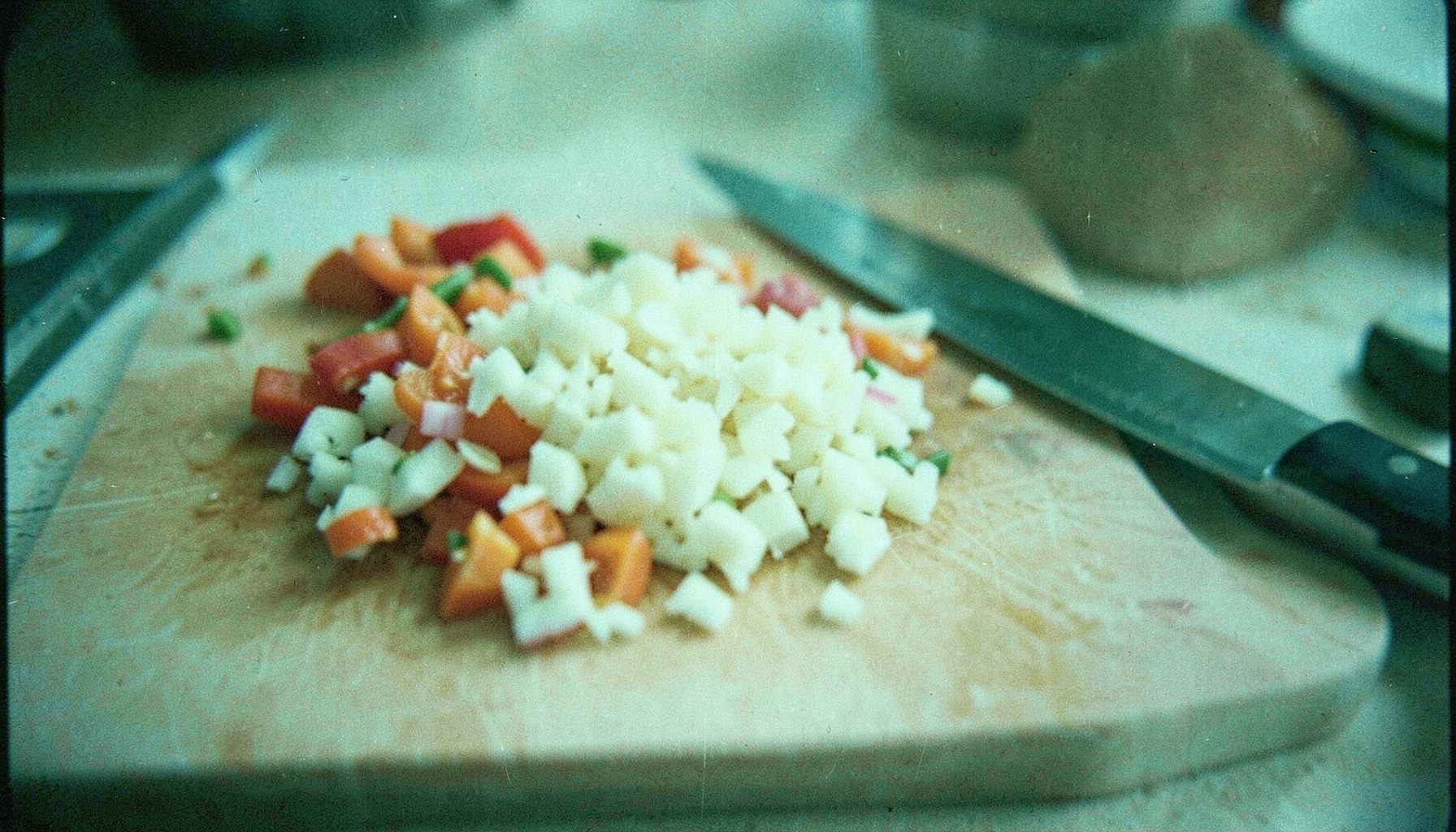 ▶
Clarifying Clarified Butter
 ▶
Blueberry Dumplings
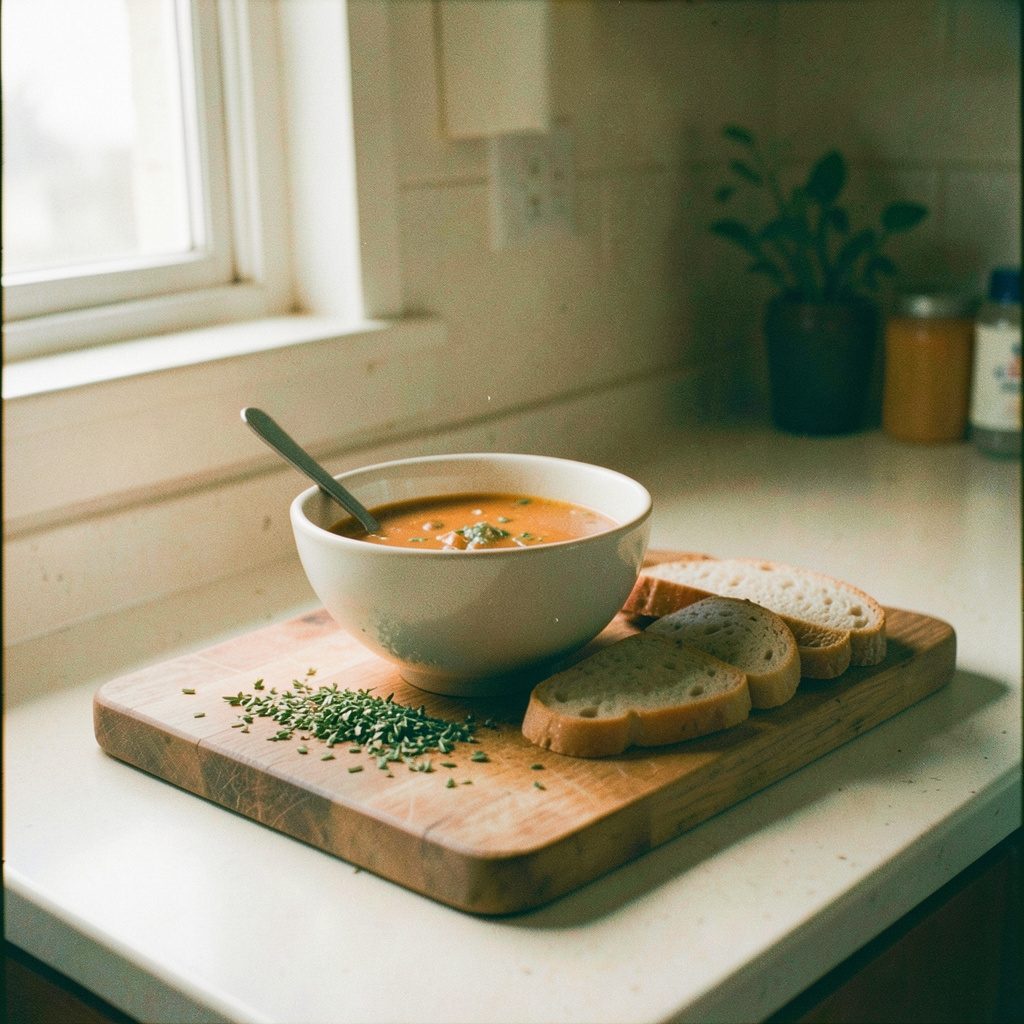
Jessica’s hearty minestrone with seasonal vegetables
Minestrone is the kind of dinner that seems simple until the pot is full of caramelised onion, tender vegetables, pasta and beans in a bright tomato broth. Jessica’s hearty minestrone with seasonal vegetables keeps that generous, rustic character while making the cooking process straightforward for a busy weeknight.
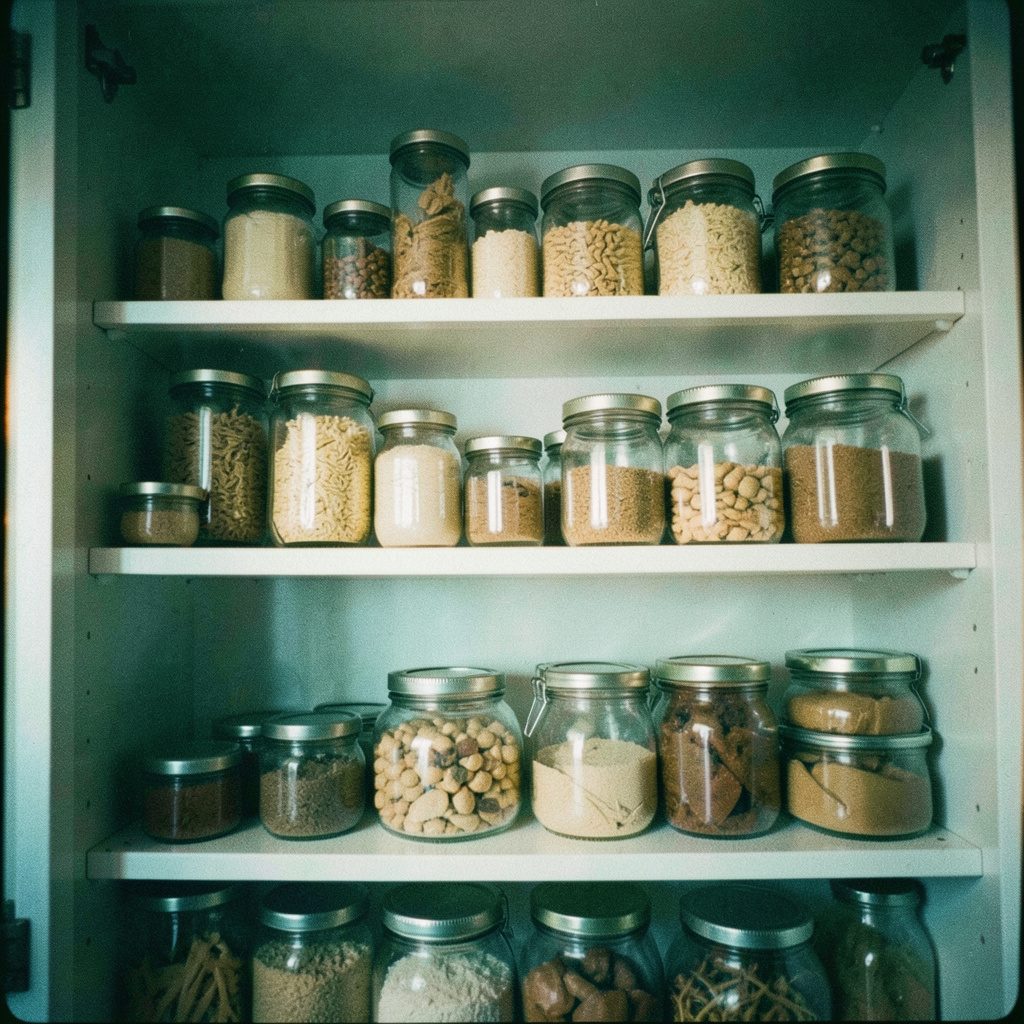
Rather than depending on a long list of shop-bought extras, the dish is shaped by what is fresh and what is already in the cupboard. Its deep flavour comes from a slow, gentle first stage, then a short simmer that leaves every spoonful distinct. It is equally good for dinner with bread or a lunch packed into a thermos.
Seasonal produce also gives the recipe a useful kind of flexibility. Winter greens and beans can replace summer courgettes, while pumpkin, beetroot or sweet potato make the bowl more substantial. The method stays the same, so the same recipe can move comfortably through the Australian year.
Building a deep flavour base
Begin with extra-virgin olive oil in a heavy casserole or large saucepan. Cook the onion, carrot and celery over medium-low heat until soft and lightly golden, not coloured. This unhurried step creates the savoury foundation that makes a short-cooked soup taste as though it has simmered for hours.
Stir in garlic and dried oregano, allowing them to cook for about 30 seconds before adding tomatoes and stock. Scrape the base of the pot to release the browned bits, then season with a modest amount of salt. Beans contribute their own seasoning, so tasting before adding extra salt avoids an over-salted broth.
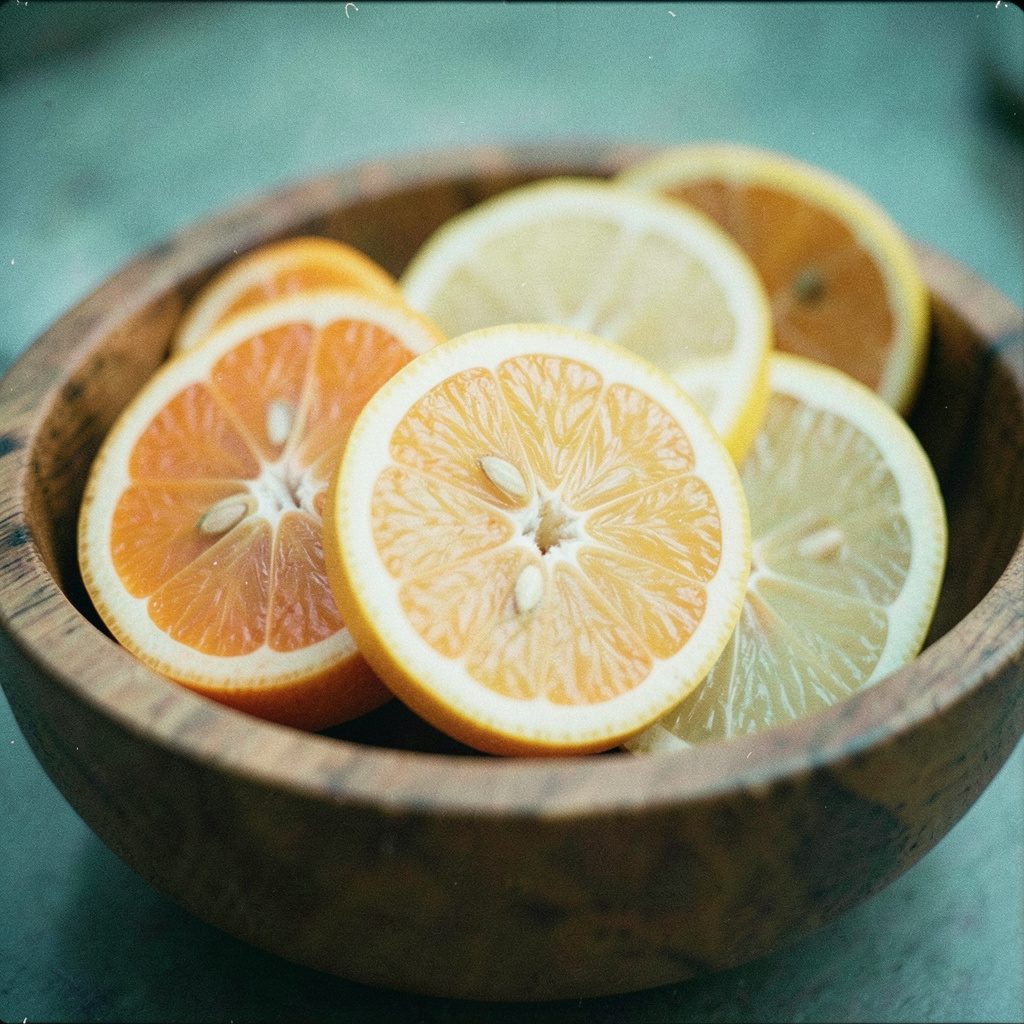
A little acidity keeps the finished bowl lively. Lemon zest and juice added at the end sharpen the tomato, lift the herbs and balance the earthy sweetness of root vegetables. Finely grated parmesan or pecorino adds body, but it is optional, and a spoonful of nutritional yeast can do the same job in a dairy-free version.
Choosing vegetables for the season
Choose a mixture of firm and tender vegetables so the soup has texture without becoming uniformly soft. Carrot, celery and onion form the base; green beans, pumpkin or courgette supply colour. Cut everything into similarly sized pieces, around one to two centimetres, so it cooks at an even pace.
Australia’s seasons run opposite those in much of Europe, and that changes the best choices. Asparagus, peas and silverbeet are useful in spring, while courgettes, capsicums and eggplant shine in summer. Beans, pumpkins and leafy greens carry the soup through autumn into winter.
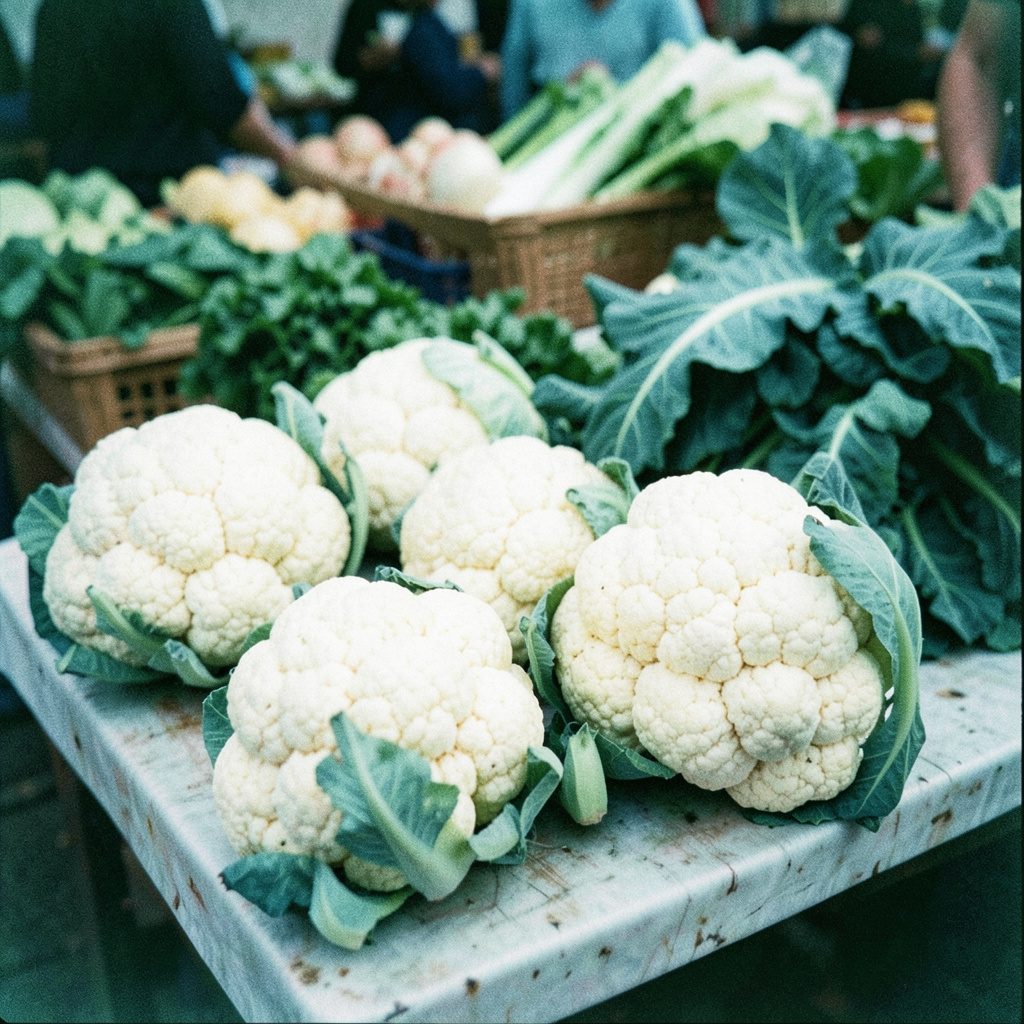
At a growers’ market, freshness matters more than a rigid shopping list. Look for firm, heavy pieces of pumpkin, crisp beans and greens with bright leaves. If a vegetable is not quite perfect, it can still earn a place in minestrone, provided the sound or bitter outer layers are removed before chopping.
Ingredients for a generous pot
This quantity makes six generous bowls, with enough substance for a main meal. It also works well when half is taken for lunch the next day. Keep the vegetables varied, and use short pasta rather than long shapes that could make the soup difficult to serve.
Vegetables and legumes
- 1 onion, finely diced
- 2 carrots, peeled and diced
- 2 celery stalks, sliced
- 200 g green beans, trimmed and halved
- 200 g pumpkin, peeled and cut into 1 cm cubes
- 400 g no-salt-added butter beans, drained
Pantry and seasoning
- 2 tbsp extra-virgin olive oil
- 2 garlic cloves, finely chopped
- 400 g can chopped tomatoes
- 1.2 L vegetable stock
- 150 g orzo or another short pasta
- 1 tsp dried oregano, plus salt, black pepper, lemon zest and juice
Serve with freshly grated parmesan, basil or parsley and a drizzle of good olive oil. If the stock is salty, dilute the finished soup with a little hot water and then adjust the lemon rather than adding more salt.
Cooking the minestrone
Warm the oil in a large, heavy pot over medium-low heat. Add the onion, carrot and celery with a pinch of salt and cook for 8 to 10 minutes, stirring often, until the edges soften and turn golden. Avoid crowding the pot, as too many vegetables at once will steam instead of flavour properly.
Add the garlic and oregano and stir for 30 seconds. Pour in the tomatoes and stock, add the butter beans and pumpkin, then bring the mixture to a gentle boil. Reduce the heat, cover partially and simmer for 12 to 15 minutes. The pumpkin should be tender while the beans remain intact.
Add the green beans and orzo, return to a simmer and cook for 8 to 10 minutes, or according to the pasta’s instructions. Stir the pasta during the final few minutes so it does not catch. Take the pot off the heat, add lemon and plenty of black pepper, then let the soup rest for five minutes before serving.
Shopping at Australian markets
A neighbourhood greengrocer or weekend market is often the best place to build this soup. At Melbourne’s Queen Victoria Market, stallholders can point out produce that has travelled a short distance and explain which vegetables are at their peak. In Sydney, growers’ markets such as Pyrmont and Hornsby are good places to compare several seasonal stalls in one trip.
Seasonality also depends on the region and weather, so use the market displays rather than a fixed calendar. Victorian winter, for instance, often brings sturdy brassicas and leeks, while Queensland winter crops can include broad beans, beetroot and carrots. Shopping at the market makes those local differences part of the recipe.
Keep a short list of pantry basics, but leave room for one market discovery. Fresh herbs, a bunch of silverbeet or a bag of tiny potatoes can change the soup more than another tin of tomatoes. When you need broader meal ideas, the Come and Cook with Us collection of dinner inspiration provides plenty of practical combinations to try.
Serving and enjoying the soup
Ladle the minestrone into deep bowls and finish with grated parmesan, torn basil or flat-leaf parsley. A hunk of crusty sourdough is enough for soaking up the broth, while a small green salad adds freshness. The pasta already supplies plenty of starch, so rice or bread on the side is optional.
Minestrone suits the relaxed rhythm of an Australian weekend barbecue, too. Serve it as a warming starter before the grill is lit, or put out a smaller bowl alongside salads and grilled vegetables for guests to help themselves. At gatherings where guests are asked to bring a plate, a substantial pot of soup is an easy, crowd-friendly contribution.
For a more polished dinner, add a spoonful of pesto to each bowl just before eating. It brings basil, garlic and cheese to the table without extra work. For lunch, allow the soup to cool slightly before packing it into a thermos, and keep a separate small pot of pasta if you prefer the texture to stay especially firm.
Storing and adapting leftovers
Cool leftover minestrone quickly and refrigerate it in a sealed container for up to three days. Reheat gently on the stove with a splash of stock or water, stirring often and adding lemon at the end. A microwave works too, but use short bursts and stir between them so the soup heats evenly.
For freezing, slightly undercook the pasta and leave out the parmesan. Cool the soup completely, transfer it to a freezer-safe container and freeze for up to two months. Thaw overnight in the refrigerator, then loosen with hot stock. The vegetables may soften, but the broth and beans retain a hearty depth.
The basic recipe is also a useful template. Add diced chicken or browned beef for a meatier version, or extra pulses and greens for a plant-forward pot. A pinch of chilli flakes, cumin or smoked paprika changes the direction of the flavour. For gluten-free diners, use rice or gluten-free pasta and check that the stock and beans are suitable.
Make this minestrone when the fridge holds a handful of vegetables and the cupboard has beans, tomatoes and pasta. Give the onion and celery enough time to turn golden, use the market’s best seasonal produce, and finish with lemon rather than excess salt. The result is a deeply satisfying dinner that carries the colour and character of the vegetables into every spoonful.
Save the method for the next cool evening, or double it for a family gathering. Come and Cook with Us is full of approachable recipes designed to be cooked, shared and enjoyed at home, and this colourful pot is ready to become part of your regular dinner rotation.
Meet the cooks
Two friends, two kitchens, one shared notebook.

Jessica
"I write down what worked, what flopped, and what to try next week."

Kathrin
"Recipes should leave room for the fridge and the season."
Get in touch
We read every message.