Easy, Fresh and Colorful Meals
A friendly food journal by Jessica and Kathrin, gathering simple soups, bright vegetables, and quick weeknight fixes for cooks who want to put a good meal on the table without fuss.
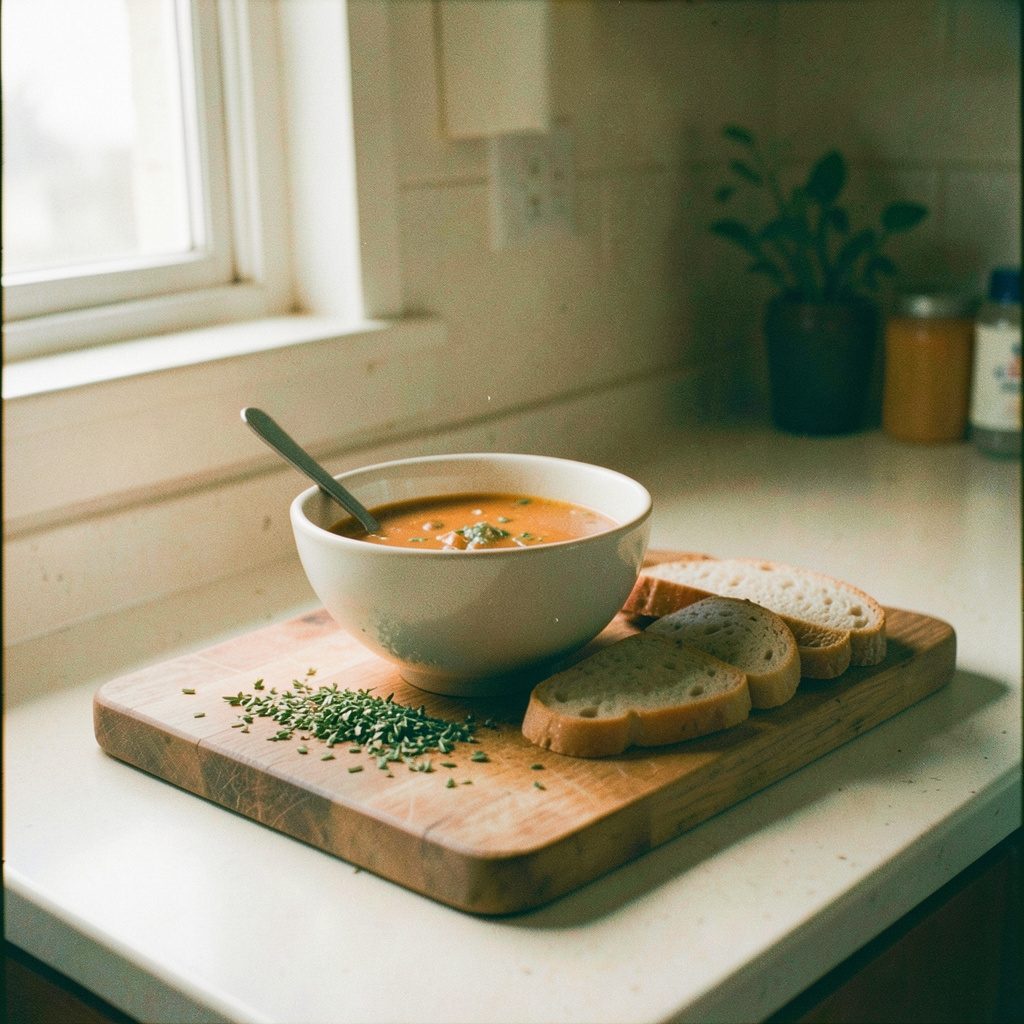
From the kitchen
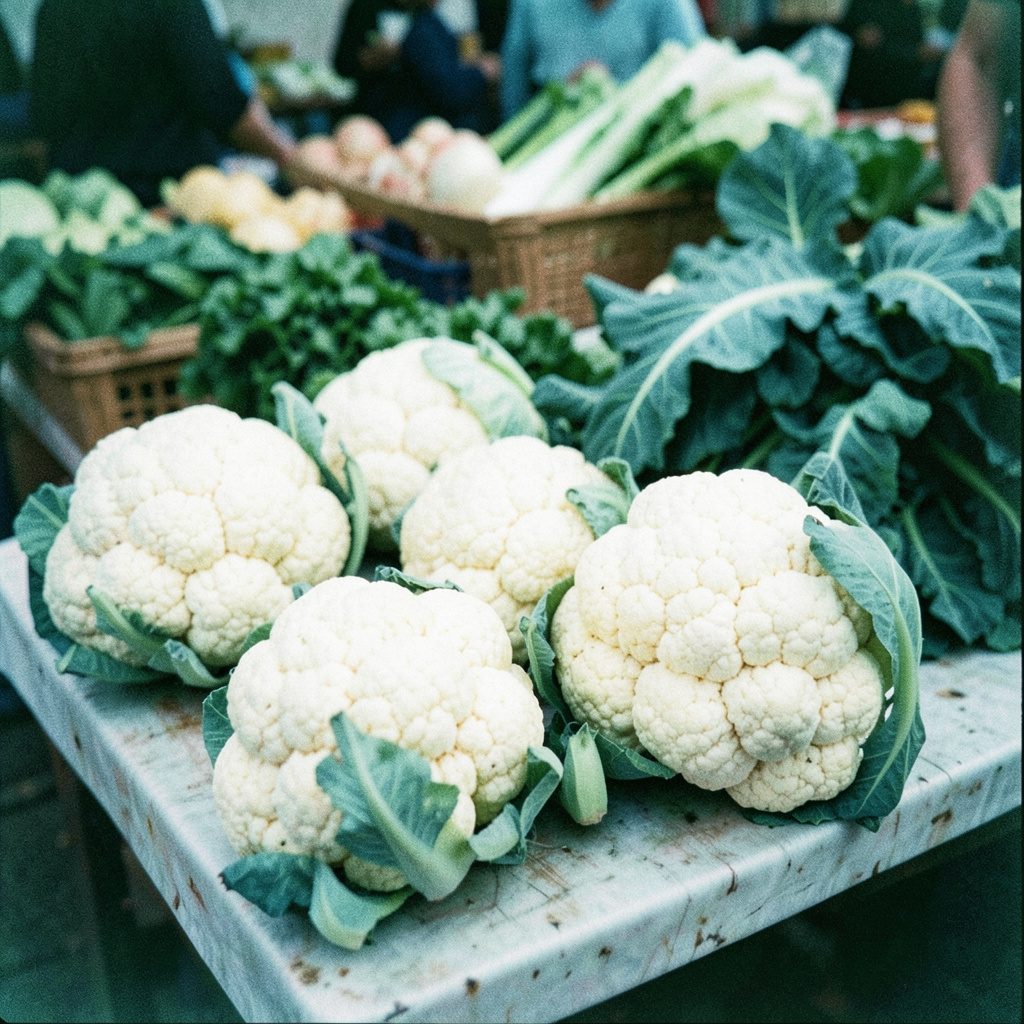
A few of the meals we've been making lately.
Watch & cook
Short clips from the kitchen.
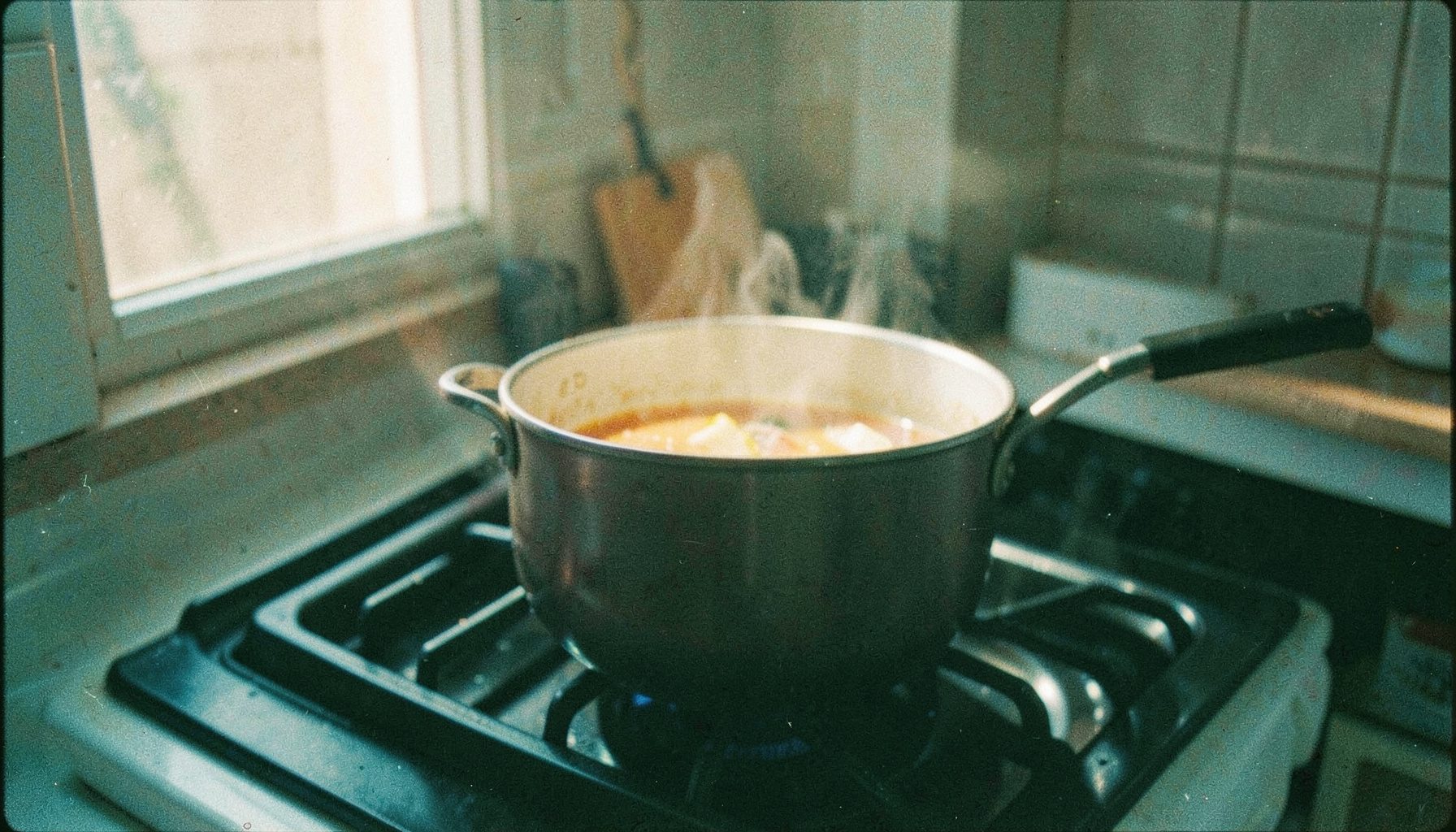 ▶
Surf and Turf in a Soup
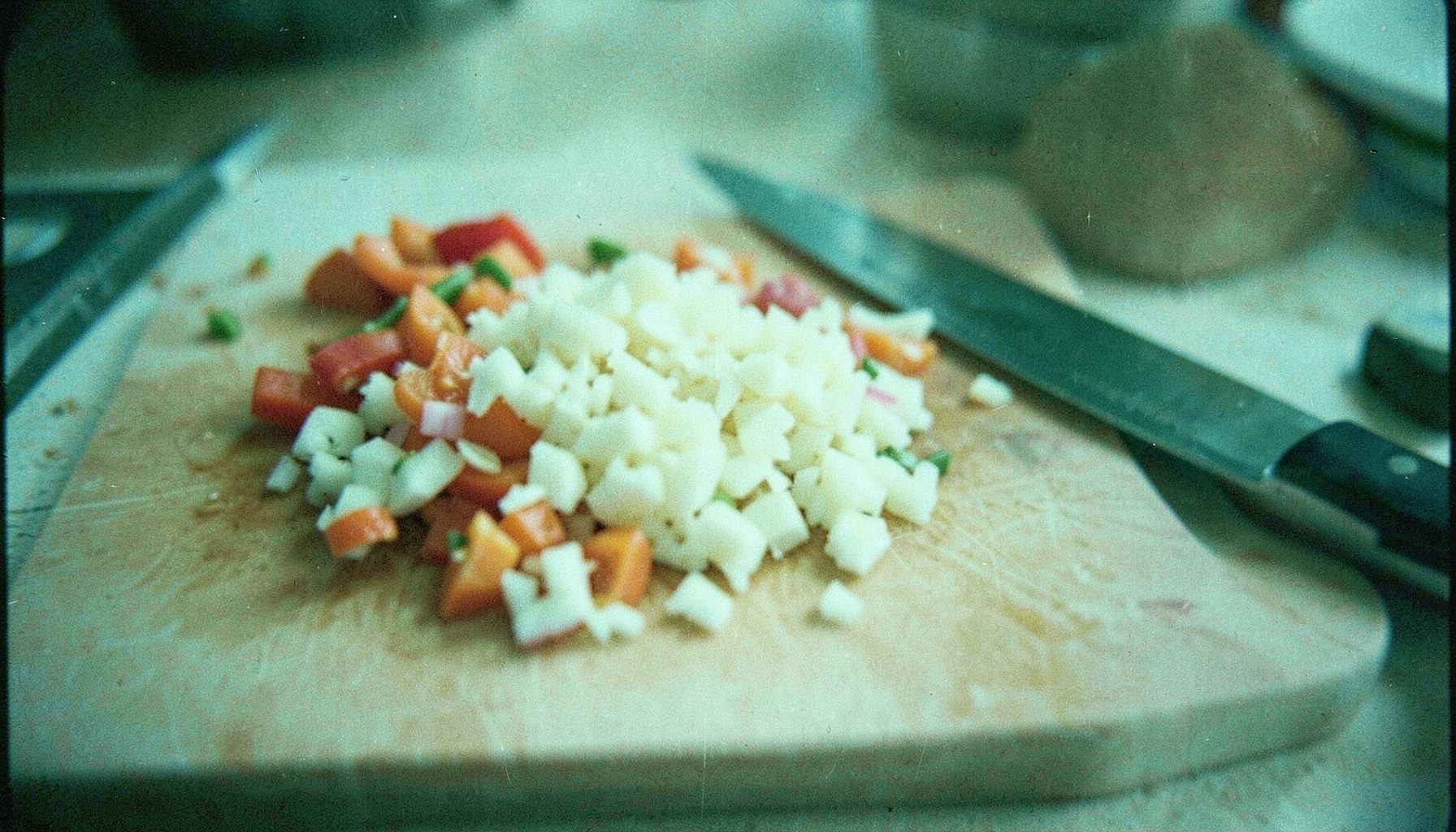 ▶
Clarifying Clarified Butter
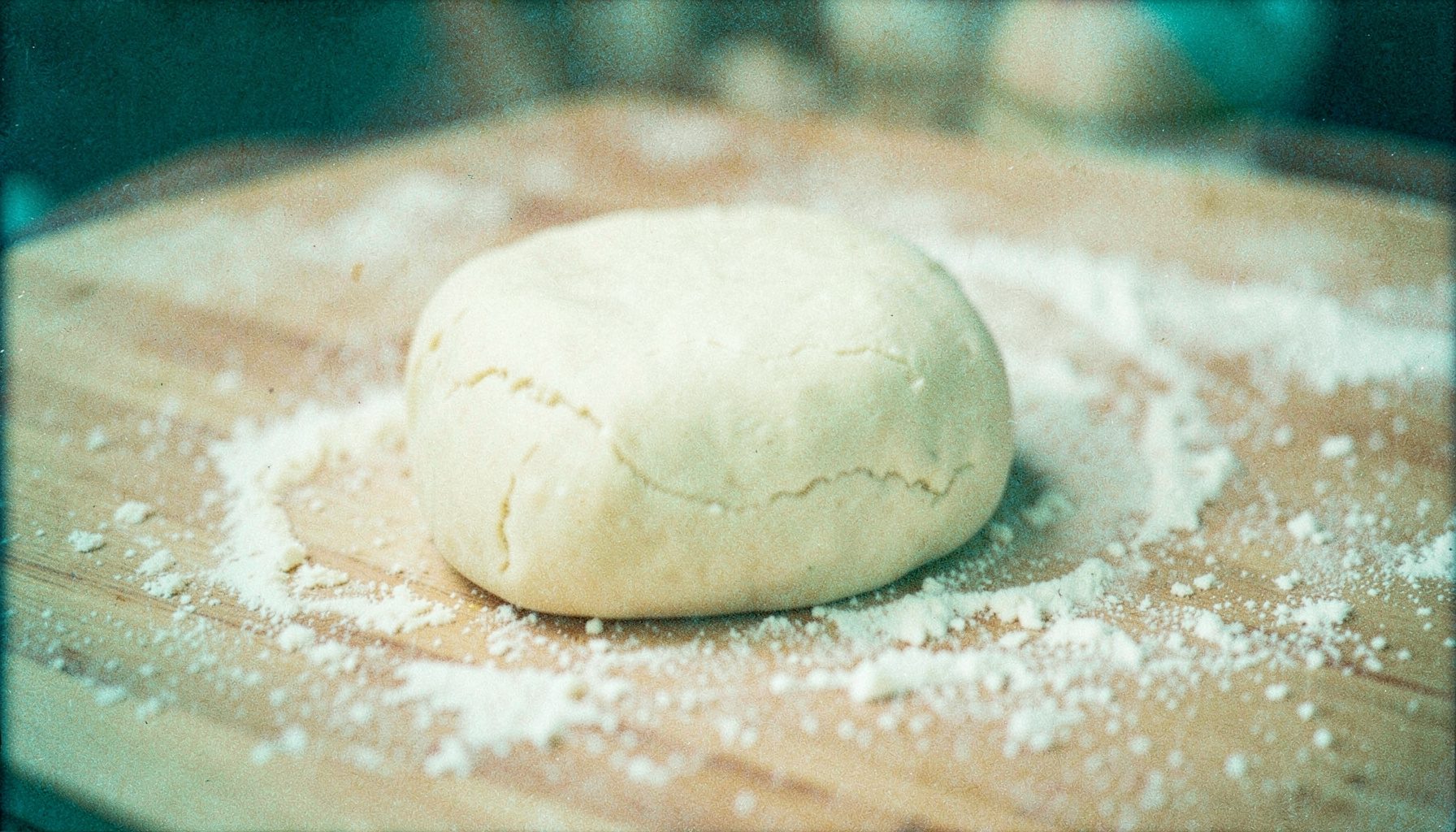 ▶
Blueberry Dumplings
Easy baked chicken breast that stays juicy every time
Chicken breast is a weeknight favourite because it cooks quickly and works with almost anything from salad to rice. Its reputation for being dry is mostly a technique problem: the meat is lean, the pieces vary wildly in thickness, and a breast left in the oven too long has nowhere left to lose moisture.
An easy baked chicken breast that stays juicy relies on three simple controls: a short salt brine, an even coating of seasoning, and a thermometer instead of guesswork. Together they help the centre stay succulent while the outside turns lightly golden and flavourful.
This method suits Australian home cooks who want a reliable dinner with little prep. It also leaves enough time for a fresh salad, some roast vegetables or a bowl of rice while the chicken rests.
Why oven-baked chicken breast dries out
Chicken breast contains less fat and connective tissue than thigh meat. That makes it quick and mild, but it also gives the flesh less internal moisture to hold on to. Once the proteins tighten under heat, excess water can escape; push the cooking too far and the breast becomes firm, pale and disappointing.
Thickness is the other troublemaker. A small cutlet in the same tray as a 300 g breast cannot share the same baking time. The thin piece may be overcooked before the thick one reaches the right temperature, while a breast butterflied too far can cook before its flavour develops.
A short brine and a proper rest solve much of this. Salt draws a little water into the surface, helps the seasoning stick and gives the meat a buffer against drying. Resting after baking lets the hot juices redistribute, so slicing too soon wastes the moisture you worked to keep.
Flavour that protects moisture
A thin coating of oil, lemon and dry seasoning gives baked chicken a clean, lively flavour without hiding the meat under a heavy crust. Paprika and garlic powder create savoury aroma during the bake, while black pepper adds gentle heat. Olive oil supports browning; it does not “seal” moisture inside the breast.
Lemon is useful in small amounts. A tablespoon brightens the finished chicken and balances the salt, but a long acidic marinade can alter the surface of the flesh and make it slippery. For this oven method, season the chicken shortly before baking rather than leaving it in lemon juice for hours.
Salt is the most important seasoning. The brine below seasons the meat evenly, and the chicken can still take a little black pepper and paprika. If using a packaged breast with a salty brine already included, skip the extra brine and pat it dry before seasoning.
Ingredients and method for a reliable bake
This recipe serves four and uses pantry ingredients available at Australian supermarkets. Choose boneless, skinless chicken breasts of a similar size so they finish together. If one piece is much thicker, butterfly it or bake it separately rather than letting the smaller pieces wait.
- 1 litre cold water and 2 tablespoons table salt, for the brine
- 4 boneless, skinless chicken breasts, about 200–250 g each
- 2 tablespoons extra-virgin olive oil
- 1 tablespoon fresh lemon juice
- 2 teaspoons paprika, 1 teaspoon garlic powder and plenty of freshly ground black pepper
The brine is brief, so the chicken stays flavoured rather than overly salty. Have a dish large enough for the breasts, a small bowl for the seasoning and an ovenproof tray ready before you begin.
- Dissolve the salt in the cold water, add the chicken, cover and chill for 30 minutes; drain and pat the pieces thoroughly dry.
- Heat the oven to 190°C conventional or 170°C fan-forced, then grease an ovenproof dish with a little oil.
- Mix the olive oil, lemon juice, paprika, garlic powder and pepper, then rub the mixture over both sides of each breast.
- Arrange the chicken in the dish and bake for about 20–28 minutes, checking from 20 minutes, until the thickest part reaches 74°C.
- Rest the chicken on a warm plate for 5–10 minutes before slicing, spooning over any resting juices.
Use an instant-read thermometer in the thickest part, not against the bone or the edge of the tray. The temperature matters more than the clock because breast size, shape and the oven will change the timing. A butterflied breast may be ready sooner, while a compact 250 g piece may need the full bake.
Fit for an Australian family kitchen
Australian recipes and ovens use metric measurements, and most ovens have a fan-forced setting alongside conventional heat. The temperatures in this method account for that difference: 190°C conventional is about 170°C with the fan. Check the label on your oven, as controls and fan layouts can vary from model to model.
Supermarkets such as Woolworths and Coles sell chicken breasts in many forms, including small fillets, large breasts, butterflied pieces and resealable packs marked Australian-grown. Pack sizes can range from a few hundred grams to more than 1 kg, so compare the price per kilogram and the weight of each piece, not just the shelf ticket. A few similarly sized fresh breasts are often easier to cook evenly than one very large breast.
Dinner is “tea” in plenty of Aussie kitchens, and a chook this size fits neatly into that meal. Serve it with green leaves, Australian-style roast pumpkin or potatoes, and something fresh and colourful. Leftovers can be sliced over salad or rice for lunch, but refrigerate the cooked chicken promptly; in hot weather, especially in Perth or inland Australia, do not leave it out for more than an hour when temperatures are above 40°C.
Serve juicy chicken at the next family tea
Let the rested breast sit before cutting so the juices stay in the meat. Slice across the grain, then serve it with crisp salad leaves, roast vegetables or a simple green sauce. A spoonful of the resting juices over the chicken adds extra flavour and keeps each plate moist.
The method is forgiving enough for regular weeknight cooking and sturdy enough for a family meal. You can double the seasoning for another four breasts, but avoid crowding the dish; leave space around each piece so hot air can circulate and the surfaces brown instead of steam.
Tonight, bake the seasoned chicken, let it rest and plate it with your favourite fresh sides. Save this reliable version for the next family tea, and bring the extra juiciness to the table.
Meet the cooks
Two friends, two kitchens, one shared notebook.

Jessica
"I write down what worked, what flopped, and what to try next week."

Kathrin
"Recipes should leave room for the fridge and the season."
Get in touch
We read every message.