Easy, Fresh and Colorful Meals
A friendly food journal by Jessica and Kathrin, gathering simple soups, bright vegetables, and quick weeknight fixes for cooks who want to put a good meal on the table without fuss.
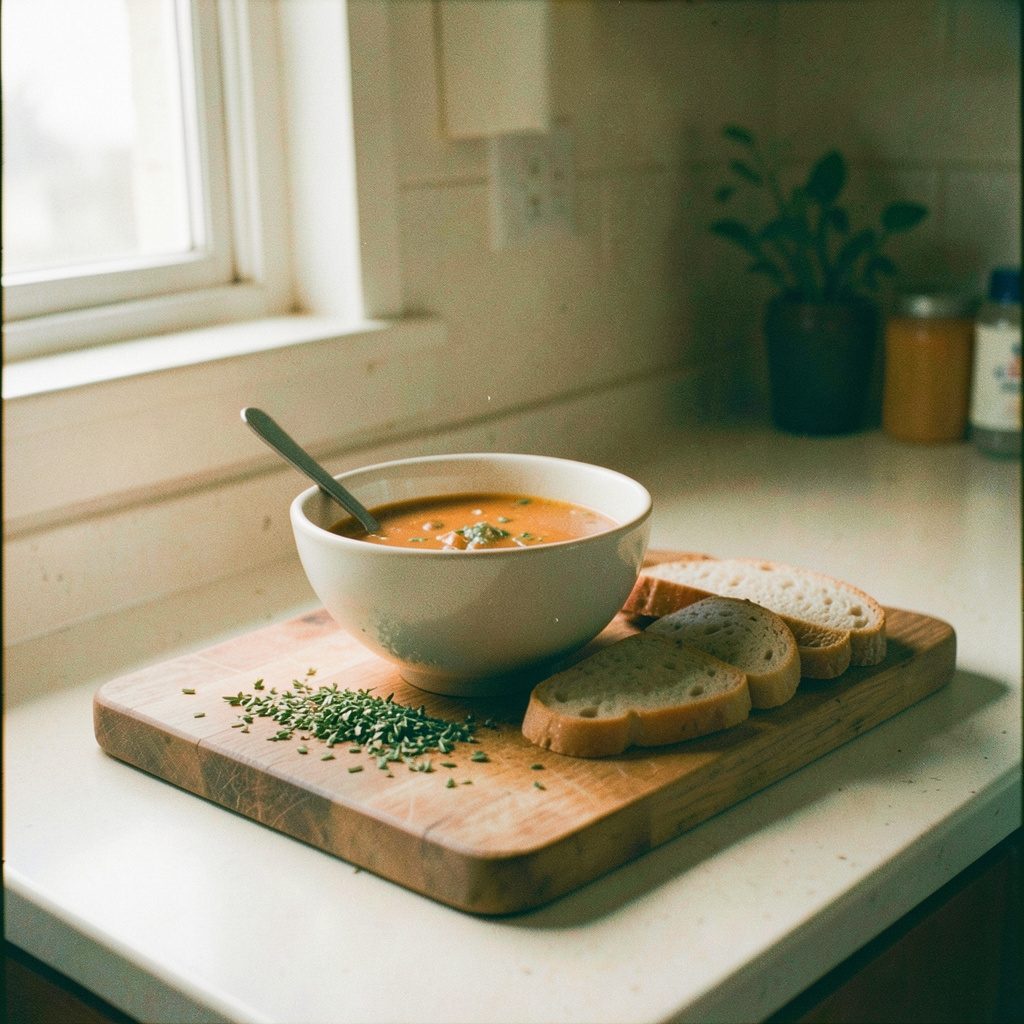
From the kitchen
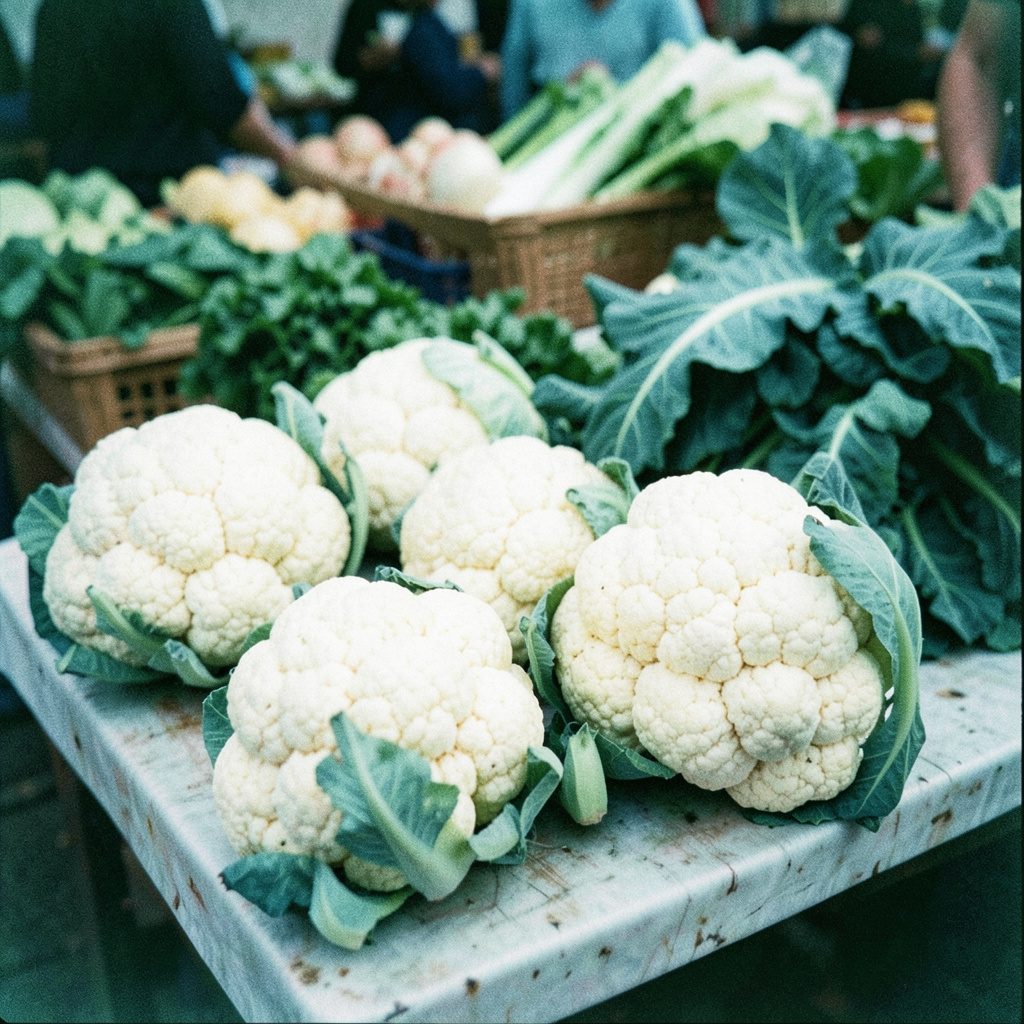
A few of the meals we've been making lately.
Watch & cook
Short clips from the kitchen.
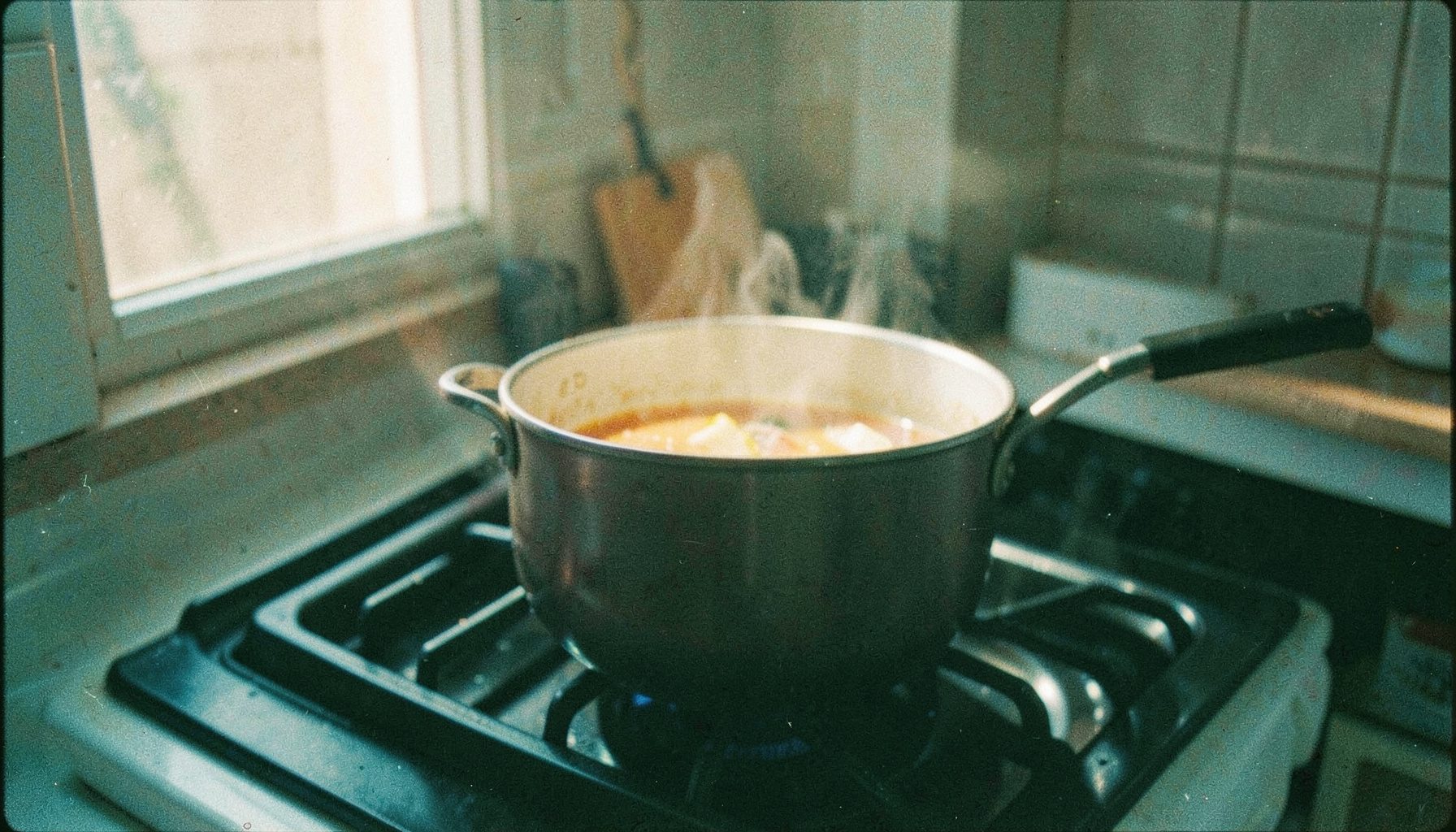 ▶
Surf and Turf in a Soup
 ▶
Clarifying Clarified Butter
 ▶
Blueberry Dumplings
The ultimate guide to cooking dried beans from scratch
Dried beans are one of the most affordable sources of plant protein, fibre and iron, and they keep for months in the pantry. A packet can become soups, salads, curries, burgers and slow-cooked dinners while giving each recipe its own texture. Coles, Woolworths and many independent grocers stock a useful range, from chickpeas and red kidney beans to black beans and lentils.
Cooking them from scratch takes more attention than opening a tin, but the rewards are worthwhile. You control the salt, can choose beans that are genuinely tender rather than soft from prolonged storage, and can serve some straight from the pot. It is also an economical way to cook for a busy household, especially when one batch becomes several meals.
The essential method is simple: sort, rinse, soak where appropriate, cook in fresh water and season with restraint. Small details matter, though, from the initial boil for kidney beans to the type of water in your tap. This guide explains those details and then turns the finished batch into flexible meal ideas.
Why cook dried beans instead of opening a tin?
Dry beans often cost less per cooked serve because they do not carry the weight of water or the extra processing required for tinned beans. They also use less packaging, making them a practical choice for reducing household waste. Comparing the price per cooked cup in your supermarket rather than the sticker price on the packet gives the fairer picture.
Texture is the biggest culinary advantage. Beans cooked at home can hold their shape in a salad while remaining creamy inside, or fall apart gently in a soup without turning completely mushy. That control makes dried beans especially useful for recipes where the beans need to stay distinct, such as Mexican-style rice bowls, chickpea salads or patties.
This balance of value, texture and flexibility reflects the guiding principles behind Come and Cook with Us: approachable food should still be satisfying, colourful and worth cooking from scratch. A well-prepared pot of beans can be just as useful for weeknight dinners as it is for relaxed weekend lunches.
Choosing and soaking beans with confidence
Choose the bean according to the dish rather than treating every variety as interchangeable. Chickpeas and cannellini beans work well in salads and stews, while kidney and pinto beans become especially creamy in chillies, curries and Mexican-inspired dishes. Red lentils and split peas need no soaking and cook quickly, making them useful when dinner needs to be ready sooner.
Sort the dried beans and discard any with stones or visible insect damage. Rinse them thoroughly, then cover them with plenty of cold water and soak for 8 to 12 hours. Older beans may need longer, while lentils and split peas can go straight into the cooking pot. If beans sit for several days or smell musty, soak them in the refrigerator and discard any that sprout.
Water quality can affect the result. Adelaide’s relatively hard tap water may leave some beans slower to soften, so filtered water or extra cooking time can help. Always discard the soaking water, rinse the beans again and cook them in fresh water. Adding a teaspoon of bicarbonate of soda can soften stubborn beans, but it also increases the alkalinity, changes the flavour and may damage some nutrients, so it is best reserved for an emergency.
Red kidney beans require an extra safety step because they contain a natural toxin called phytohaemagglutinin. Australian food-safety guidance recommends bringing them to a full boil for at least 10 minutes before reducing the heat and simmering them until tender. The soaking water must be discarded, and slow cooking alone is not a safe substitute for that vigorous boiling stage.
A practical framework for reliable results
A useful batch starts with 500 grams of dried beans and enough water to keep them covered throughout cooking. Australian kitchens work naturally in metric measurements, although some recipes still use a 250-millilitre measuring cup, so check the stated quantities before beginning.
Core ingredients and equipment
- 500 grams dried beans, picked over and checked for stones
- 2.5 to 3 litres fresh water, with extra hot water if needed
- 1 to 2 teaspoons fine sea salt, adjusted to taste
- Aromatics such as onion, garlic, bay leaves, cumin or smoked paprika
- 1 tablespoon oil, optional for flavour and less sticking
- A heavy-based pot with a lid that comfortably holds the beans
The oil is not necessary for tenderising beans and will not prevent them from toughening. It can, however, reduce sticking and help aromatics develop in the pot. Choose a vessel with enough room for the beans to expand rather than packing them tightly against the sides.
Stovetop method
- Sort and rinse the dried beans under cold running water
- Soak beans for 8 to 12 hours, except lentils and split peas
- Drain the beans, discard the soaking water and return them to the pot
- Add fresh water and bring to a full boil, maintaining it for 10 minutes for red kidney beans
- Reduce the heat to a gentle simmer, skim any foam and cook partly covered
- Add salt when the beans begin to soften, then test one against a spoon
Check the beans frequently during the final part of cooking. They are ready when they yield easily to gentle pressure but still retain some shape. If the liquid falls below the beans, add hot water rather than cold, as a sudden temperature change can slow the cooking process.
Comparing stovetop, pressure cooker and slow cooker methods
A conventional stovetop gives the greatest control and is the best method for learning how beans change during cooking. Most soaked beans need between 45 minutes and 90 minutes, while chickpeas can take one and a half to two and a half hours. Older beans may require considerably longer. Keep the heat low enough for a steady simmer, as a rolling boil can break the skins apart before the centres become tender.
A pressure cooker is particularly useful for kidney beans, chickpeas and other varieties that take a long time to soften. Follow the manufacturer’s fill limits, bring the cooker to pressure naturally and cook for roughly 25 to 40 minutes after pressure is reached. Release the steam according to the appliance instructions, then check the beans and continue cooking if necessary.
A slow cooker is convenient for beans that have already been soaked and boiled safely, but it is less suitable for starting with dry red kidney beans because the gentle, moist heat does not provide the required initial rolling boil. Once cooked, beans kept in the refrigerator should be used within three to four days. Commercially sold food in Australia must comply with the Australia New Zealand Food Standards Code, while practical advice from Food Standards Australia New Zealand and state health departments recommends refrigerating leftovers promptly and reheating them to 75 degrees Celsius.
Adding flavour without losing the bean
Begin with a modest amount of salt and build the flavour as the beans soften. Adding salt too early can make the skins of older beans feel tough. Onions, garlic, ginger, bay leaves, cumin, coriander and dried chillies all work well, but the beans should taste good before stronger ingredients such as tomatoes, vinegar or citrus are added. Acid can slow the softening process, so save it until the beans are nearly tender.
Dried beans are naturally rich in protein, fibre, folate, iron and potassium, with very little fat when prepared without heavy additions. Their nutritional value depends on what surrounds them, so combine them with wholegrains, nuts or seeds and plenty of vegetables. For a broader, evidence-led perspective on plant-based eating, the nutrition guidance from HealthBanquet is a useful companion to this cooking guide.
At growers’ markets in Melbourne and Sydney, look for seasonal vegetables that can brighten a bean bowl: roast pumpkin and red capsicum for a warming salad, add tender leaves and a sharp dressing, or simmer tomatoes, aubergine and herbs for a thick dinner stew. These combinations align with the Australian Dietary Guidelines while keeping the cooking simple enough for an ordinary Tuesday evening.
Turning a batch into easy meals
Cooked beans are a blank canvas rather than a finished dish. Mash them with roasted pumpkin, eggs and herbs for quick patties, fold them into pastry for a savoury pie, or combine them with cooked grains and chopped vegetables for a substantial lunch. A basic tomato-and-spice mixture also turns leftovers into a convincing chilli, while coconut milk and curry powder can create a fast weeknight dinner.
Use beans in place of some of the meat in a bolognese, add them to a minestrone, or blend them with roasted vegetables and stock for a creamy soup. They also travel well in lunchboxes, provided they are packed with a little dressing or salsa rather than sitting in a heavy sauce. Extra portions can be frozen in small containers for later use, then thawed in the refrigerator overnight.
Come and Cook with Us is built around the idea that everyday cooking can be fresh, colourful and achievable without unnecessary expense. Pick one variety, cook one batch and plan two meals around it tonight.
Meet the cooks
Two friends, two kitchens, one shared notebook.

Jessica
"I write down what worked, what flopped, and what to try next week."

Kathrin
"Recipes should leave room for the fridge and the season."
Get in touch
We read every message.