Easy, Fresh and Colorful Meals
A friendly food journal by Jessica and Kathrin, gathering simple soups, bright vegetables, and quick weeknight fixes for cooks who want to put a good meal on the table without fuss.
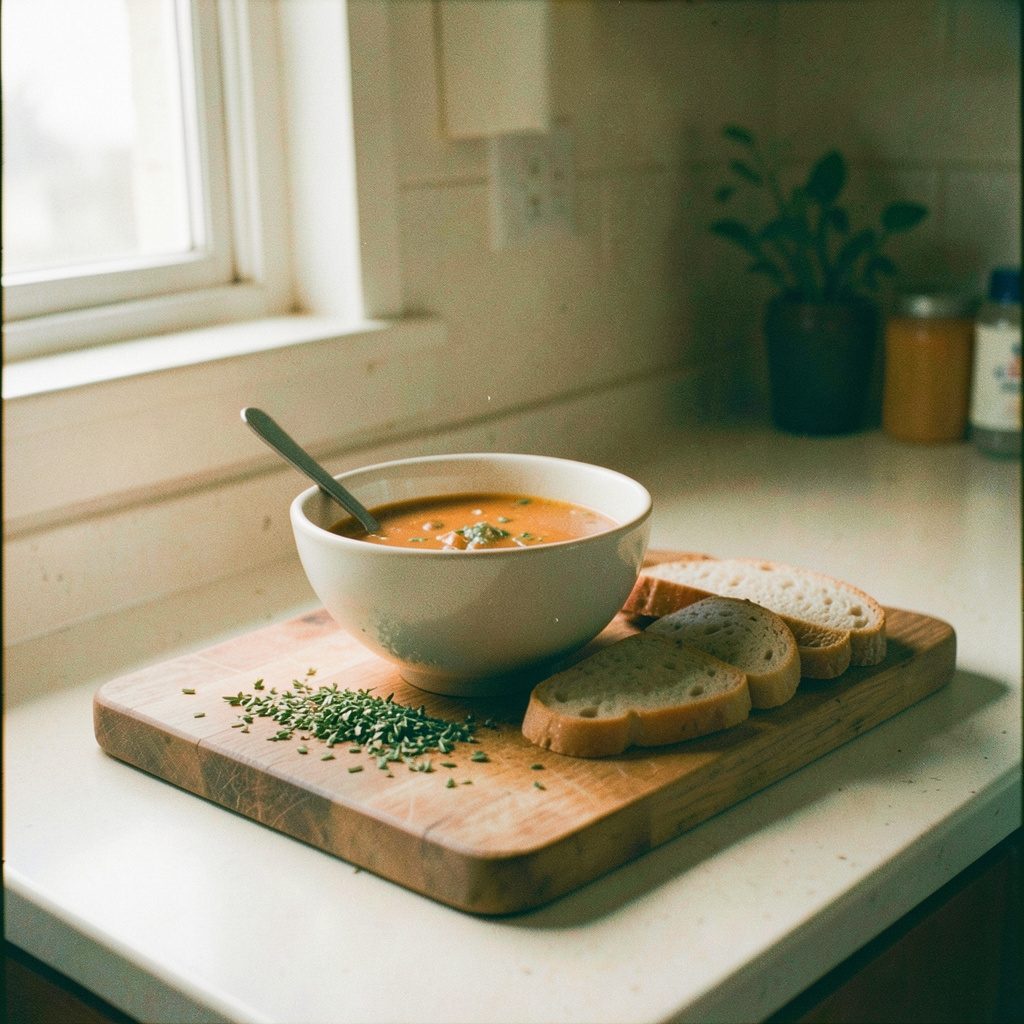
From the kitchen
A few of the meals we've been making lately.

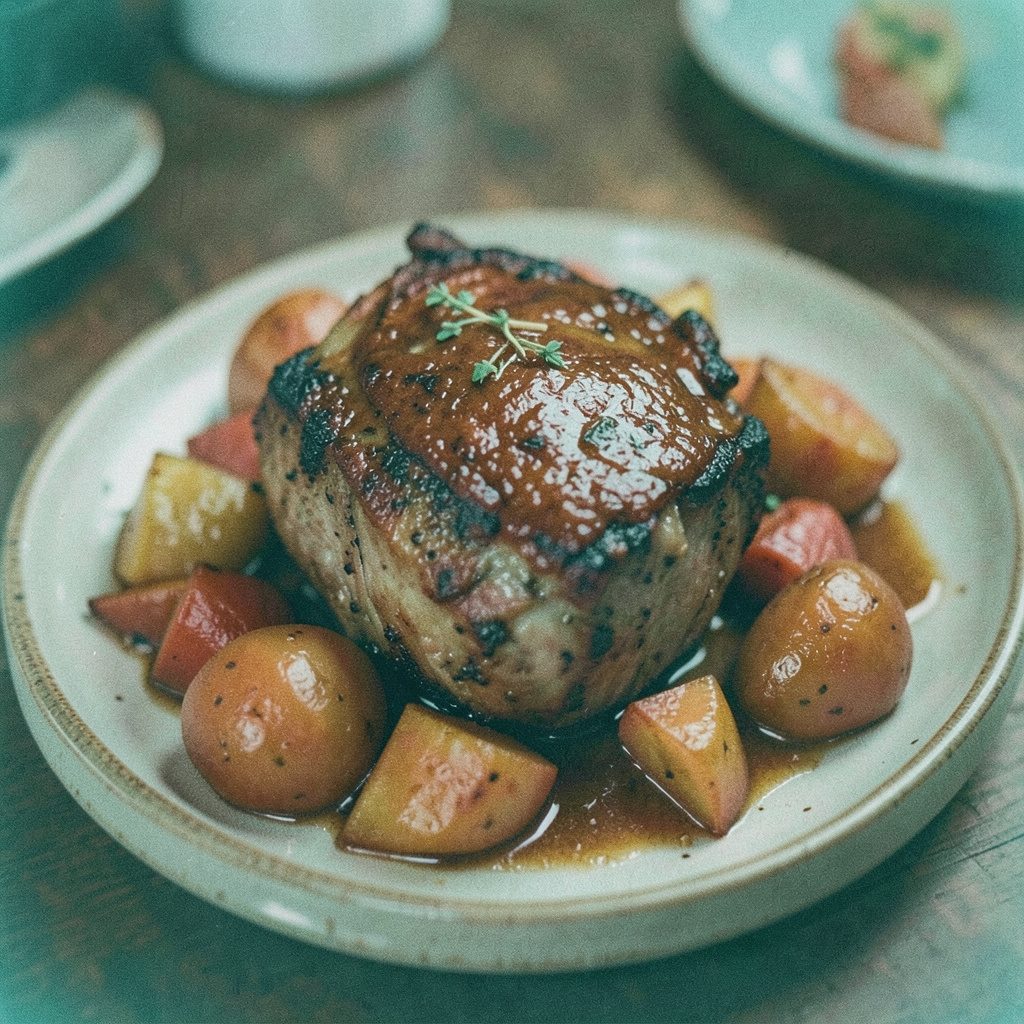
Watch & cook
Short clips from the kitchen.
 ▶
Surf and Turf in a Soup
 ▶
Clarifying Clarified Butter
 ▶
Blueberry Dumplings
Five-Ingredient Flatbreads for Quick Wraps and Dips
Flatbreads earn a permanent place in an Australian kitchen because they are fast, adaptable and generous. A plain dough can become a lunch wrap, a dinner plate or a shareable base for dips, while leftover chicken, roast pumpkin and fresh herbs do most of the work. The useful part is the dough: a small, forgiving mixture that can be mixed on a weeknight and baked while the rest of supper comes together.
Five-Ingredient Flatbreads for Quick Wraps and Dips are ideal for busy evenings, casual lunches and feeding a group without preparing several recipes. Each dough below contains just five ingredients, with toppings and dips counted separately. That keeps the shopping list manageable and makes it easy to change the flavour depending on what is available at the supermarket or in the fridge.
Start with a reliable five-ingredient base
Mix 250g strong bread flour or plain flour, 7g instant yeast, 150ml warm water, one tablespoon olive oil and one teaspoon salt for two flatbreads. Warm the water in a jug and test it on your wrist; it should feel comfortably warm rather than hot, as excess heat can damage the yeast. Choose strong flour when you want a lighter result, while plain flour produces a slightly firmer, more rustic bread.
Combine the flour and yeast first, then add the water, oil and salt. Knead for five to seven minutes until the dough feels smooth and springs back when gently pressed. Cover it with a clean tea towel and leave it in a warm spot for 20 to 30 minutes, or until it has roughly doubled. Roll it into two rounds about 4mm thick and bake on a lined tray at around 220°C for 8 to 12 minutes. They are ready when the edges are lightly golden and the centres spring back.
The same five-ingredient formula adapts without much extra work. Replace the plain flour with wholemeal flour for a denser, nuttier flatbread, use warm milk instead of water for a softer crumb, or swap the oil for melted butter for a richer flavour. Keep added ingredients such as seeds, herbs or cheese outside the basic dough so the five-ingredient limit remains useful rather than restrictive.
Build satisfying wrap combinations
For a Mediterranean-style wrap, spread the flatbread with tzatziki and add roasted red capsicum, baby spinach, feta and a few kalamata olives. Roll it tightly and cut through the middle so the filling stays in place. Thinly sliced cucumber and spring onion work well too, especially when the capsicum has been warmed in a little oil. This version travels neatly in a lunchbox and works just as well at a dinner table.
A curry-night wrap uses leftovers especially well. Fill the bread with tandoori chicken, cucumber ribbons, mango chutney, mint and a spoonful of yoghurt. Add a little lettuce if the chutney is particularly sweet. The contrast of warm flatbread and cool cucumber keeps each bite fresh, while yoghurt softens the spice. Pumpkin curry, roasted cauliflower or chickpeas can replace the chicken when you want a meat-free option.
For a Sunday roast combination, spread pumpkin chutney over the bread and top with slices of roast pumpkin, red onion, goat’s cheese and rocket. A few drops of cranberry sauce add sweetness, but fresh pomegranate seeds work just as well when they are in season. Fold the flatbread rather than rolling it tightly if you want a more open, salad-like presentation. These combinations turn fridge scraps into a meal that feels deliberately planned.
Make dips with five ingredients too
A herbed yoghurt dip needs only Greek yoghurt, lemon juice, grated garlic, fresh mint and salt. Mix everything in a small bowl, taste for seasoning and leave it in the fridge for 15 minutes so the flavours settle. Thin it with a splash of water if you prefer a spoonable consistency. Spoon it onto plates or place it in a bowl beside strips of warm flatbread.
Roasted capsicum and white bean dip is a creamy option with pantry appeal. Blend one roasted red capsicum, half a tin of cannellini beans, one garlic clove, lemon juice and olive oil until smooth. Keep some bean texture for a heartier dip, or add a splash of water if the blender catches on the skins. Serve it with warm flatbread, carrot sticks or cucumber, particularly when lunch needs something that travels without a thermos.
For a classic hummus, blend chickpeas, tahini, lemon juice, garlic and a little iced water. Add the water gradually so the mixture turns pale, smooth and fluffy. This dip keeps for several days in a sealed container and is useful for school lunches, late-night snacks or a picnic in the park. Cut flatbreads into narrow fingers for dipping, or spread the hummus over a warm round before adding the other wrap fillings.
Shop with the Australian season
Coles and Woolworths make it easy to assemble the dough and common toppings, while greengrocers and small Asian supermarkets often have fresh coriander, limes, spring onions, chillies and leafy greens at good prices. Australian pumpkin, sweet potato, silverbeet and mushrooms are useful year-round, while mangoes, avocados and tomatoes are particularly satisfying during warmer months. Choose what looks freshest rather than planning an elaborate list around one recipe.
A weekend farmers’ market can supply herbs, small tomatoes, olives, cheese and sourdough that you will also want for other meals. Melbourne’s Queen Victoria Market, Sydney’s Carriageworks market and Brisbane’s Jan Powers market are good places to compare produce and talk with growers. For seasonal combinations and more ideas for relaxed home cooking, browse fresh cooking ideas before planning the shopping list.
Food Standards Australia and New Zealand sets allergen-labelling requirements for packaged foods sold in Australia and New Zealand, so check the labels on flour, yoghurt, tahini and other bought ingredients. Home cooks preparing food for others in a community kitchen should also follow general hygiene and temperature guidance. Selling homemade flatbreads at a market can involve registration, approval and additional requirements under state or territory food laws and local council rules, so check the relevant requirements before trading.
Cook ahead and bring them to the table
Double the dough and make extra flatbreads for the week. Cool them completely before storing, because wrapping warm bread traps condensation and softens the crust. Keep cooked flatbreads in an airtight container in the fridge for up to three days, then reheat them in a dry frying pan or under a hot grill. They also freeze well for a month; lay the flatbreads individually on a tray first, then stack them in a freezer bag once solid.
Cut flatbreads into triangles or narrow strips for sharing, or roll them tightly for lunchboxes and picnics. A bowl of dip turns them into an easy starter for an afternoon tea, while warm rounds with a substantial filling can stand in for bread alongside soup. They suit the rhythm of Australian family meals particularly well: pack them for Saturday sport, bring them to a barbecue, or serve them when everyone arrives home at different times.
Make a batch this week, choose a filling from what is already in the fridge, and add one bright dip for serving. Once the basic dough becomes part of your cooking routine, the same simple base can turn into wraps for work, relaxed dinners and shareable snacks without adding another complicated recipe to the week.
Meet the cooks
Two friends, two kitchens, one shared notebook.

Jessica
"I write down what worked, what flopped, and what to try next week."

Kathrin
"Recipes should leave room for the fridge and the season."
Get in touch
We read every message.