Easy, Fresh and Colorful Meals
A friendly food journal by Jessica and Kathrin, gathering simple soups, bright vegetables, and quick weeknight fixes for cooks who want to put a good meal on the table without fuss.
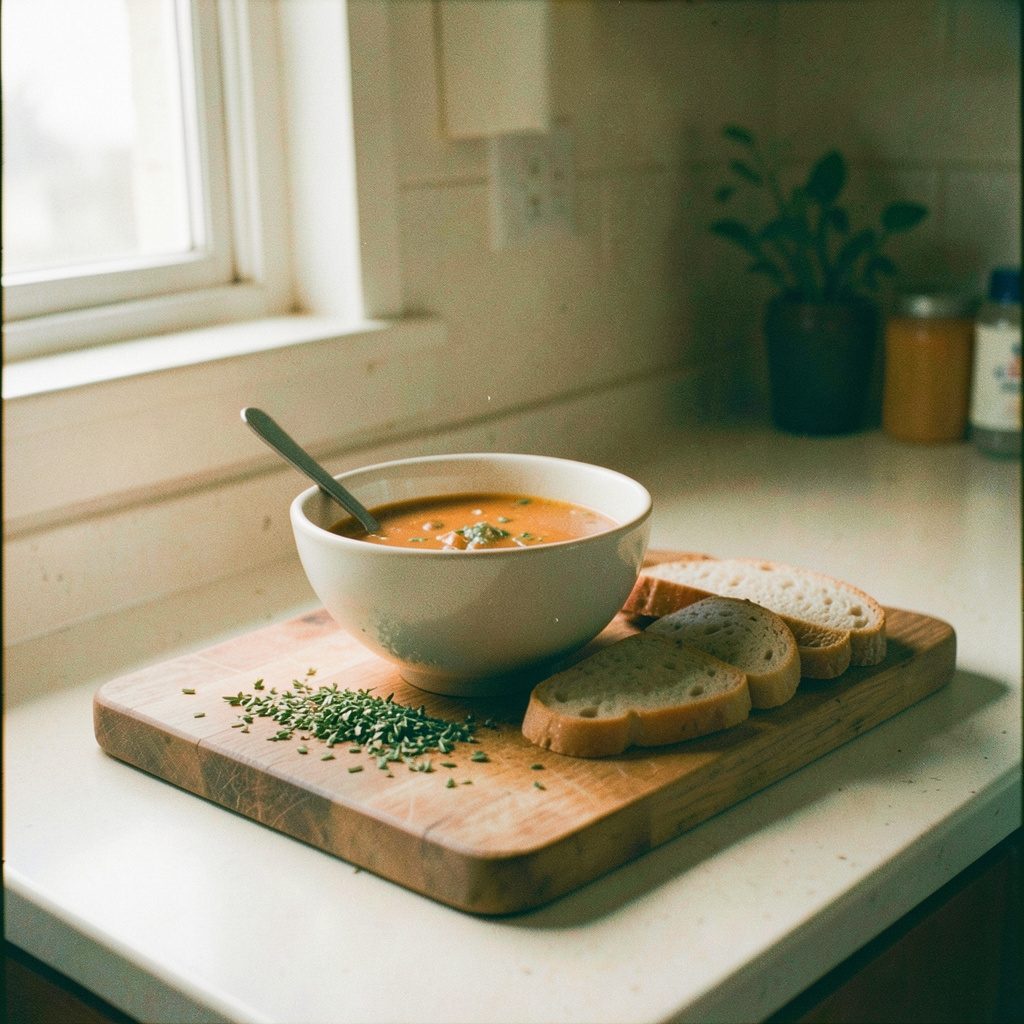
From the kitchen
A few of the meals we've been making lately.
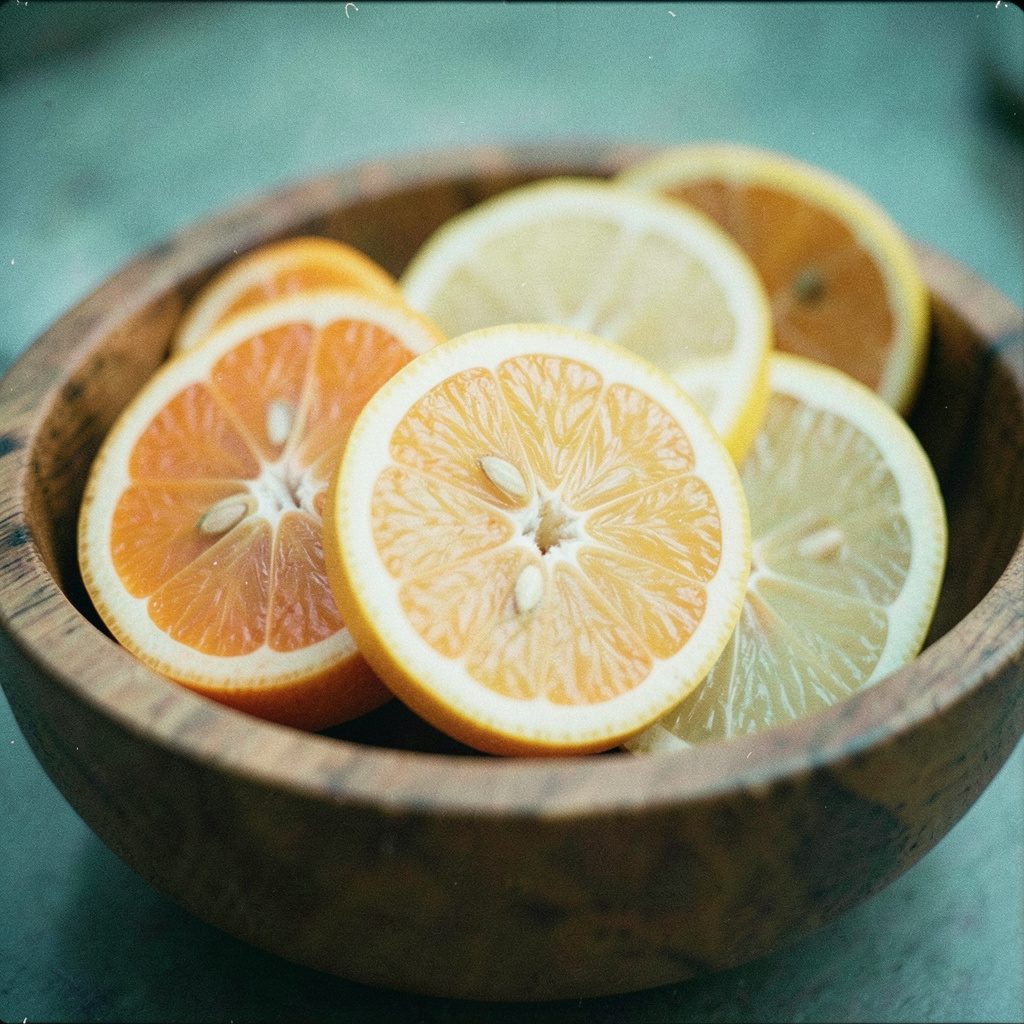
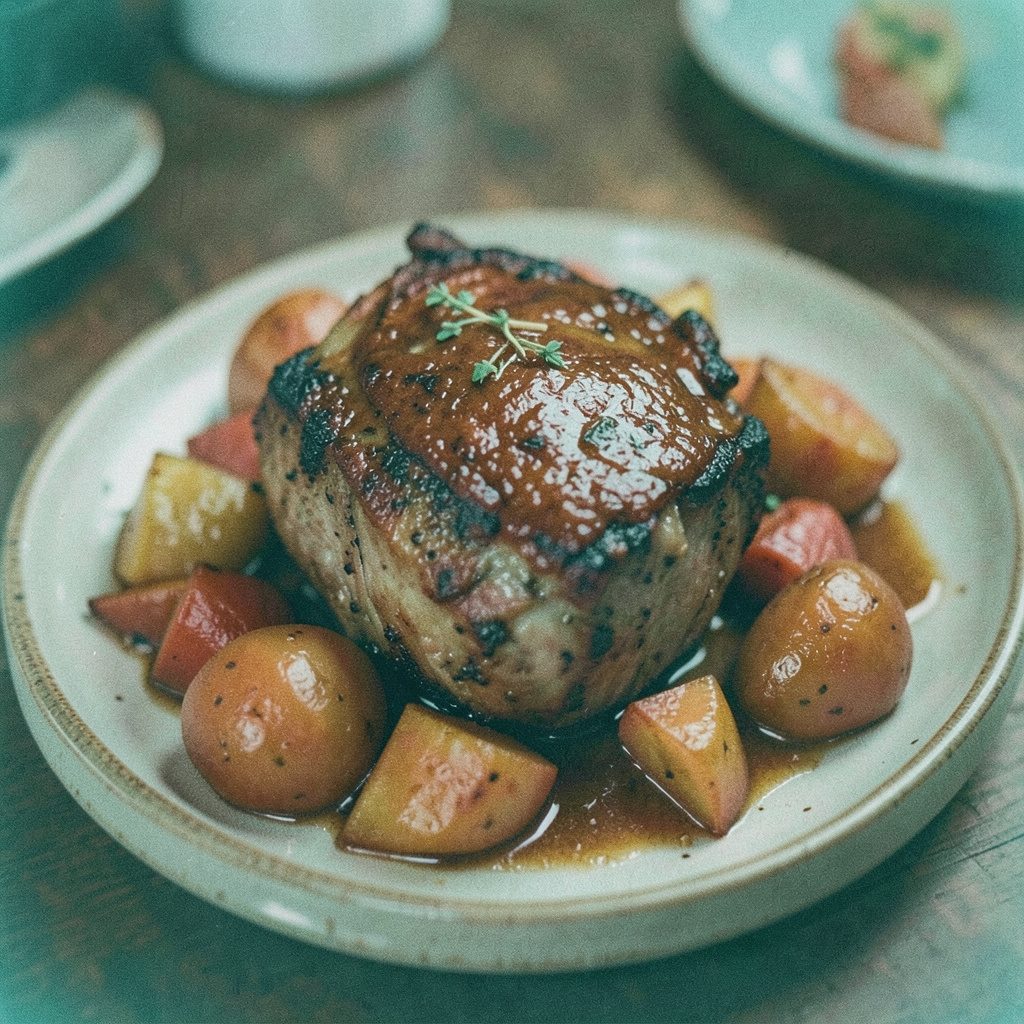
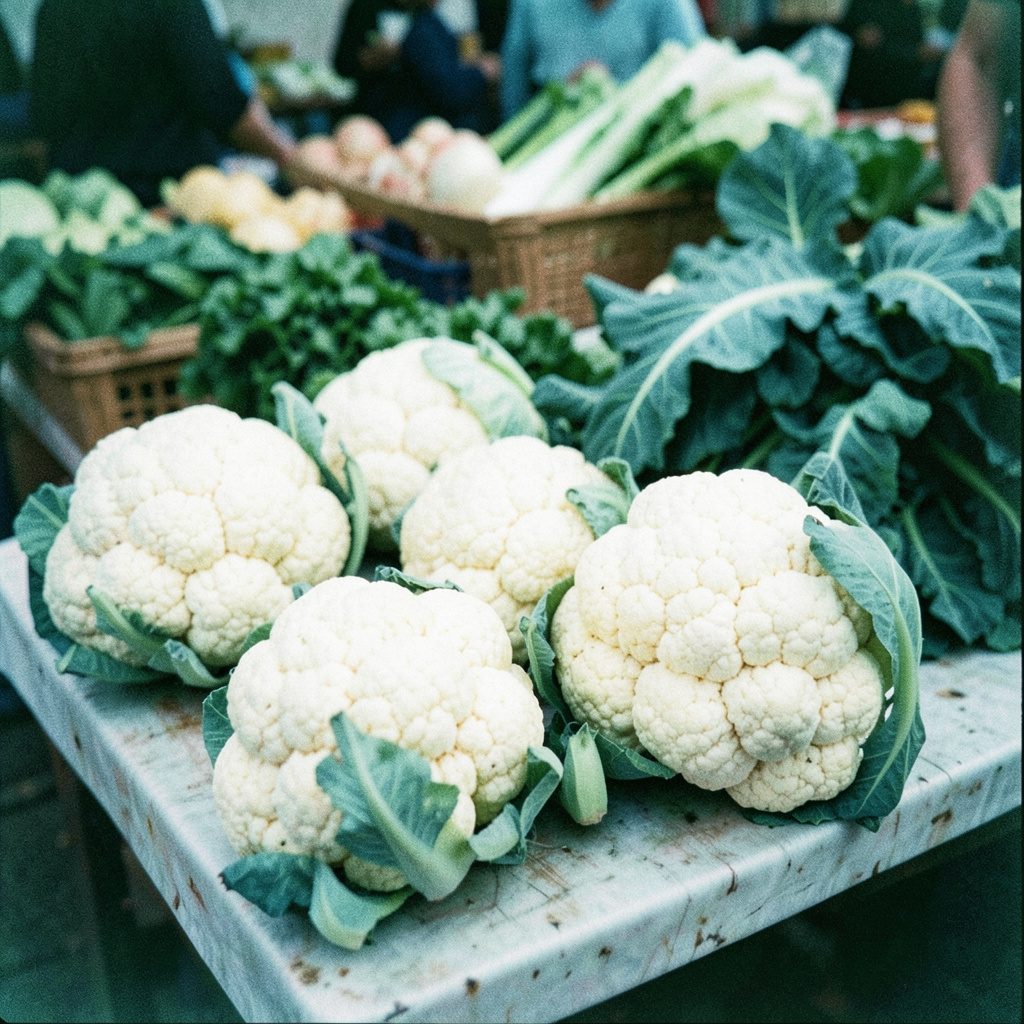
Watch & cook
Short clips from the kitchen.
 ▶
Surf and Turf in a Soup
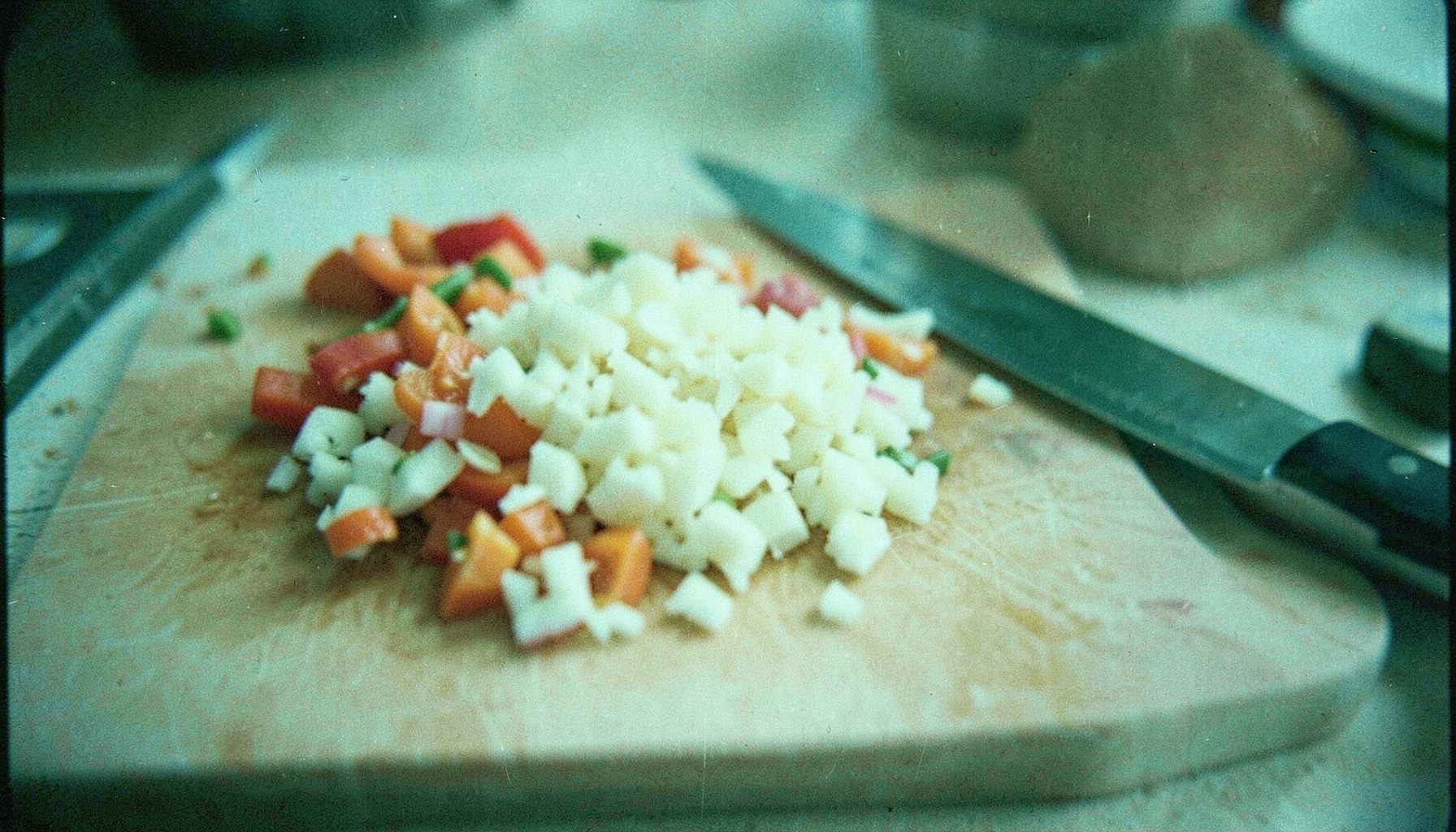 ▶
Clarifying Clarified Butter
 ▶
Blueberry Dumplings
How to Make a Perfect Vinaigrette Every Time
A memorable salad dressing is less about a secret ingredient than balance. Oil carries aroma, vinegar supplies acidity, and a little salt or mustard rounds the edges. When those parts are measured rather than guessed, a vinaigrette becomes repeatable: bright enough for leaves, rich enough for roasted vegetables and stable enough to coat grains, beans or seafood.
Start with a simple ratio, then adjust for the ingredients and the meal. This guide covers everything from supermarket basics to produce found at a local Australian market, with practical tips for whisking, storing and rescuing a dressing that separates in the fridge.
Start with the right ratio
The most dependable starting point is three parts oil to one part vinegar, measured by volume. For a small batch serving four, combine 60 mL olive oil with 20 mL vinegar, then add salt to taste. An Australian tablespoon is 20 mL, so three tablespoons of oil and one of vinegar gives the same clean 3:1 ratio. This simple proportion is a framework, not a rigid law.
For tender leaves, fruit and seafood, use 3:1. Move toward 2:1 for tomatoes, roast vegetables or grains, and 1:1 only when the salad needs pronounced acidity. If a dressing tastes harsh, it may need more oil; if it feels greasy, a spoonful of vinegar or a splash of water can restore balance. Always taste after each addition.
Choose vinegar and oil
Vinegar sets personality. Red wine vinegar suits roast meat, tomatoes and bean salads; white wine vinegar is lighter with poultry, fish and green salads. Cider vinegar adds gentle fruit, while rice vinegar brings clean acidity for cucumber, herbs or sesame-flavoured dressings. Balsamic is intense, so use it sparingly rather than treating it like a mild everyday vinegar.
Fresh lemon or lime juice works beautifully, especially in warmer weather, but add it near serving because its aroma fades with time. Orange juice can soften a bitter olive oil. For the oil, choose extra virgin olive oil for herbs, tomatoes and Mediterranean dishes, or a mild olive, canola or grape-seed oil when you want the vinegar and seasonal produce to lead. A toasted sesame oil can provide depth in small doses.
Build flavour in layers
Begin with acid, then add salt, a little sweetness and any emulsifier before the oil. Dijon mustard is useful because it helps the dressing cling to leaves; honey or caster sugar rounds sharp vinegar, while a pinch of sugar can make tomatoes taste more vivid. Cracked pepper and flaky sea salt give a finished restaurant-style texture, but both should still be added by taste.
Aromatics belong in measured layers. Finely grated garlic, grated ginger, chopped shallot or a spoonful of capers can make a basic vinaigrette feel tailored. Fresh basil, parsley, mint and coriander work best when chopped just before use. Dried herbs have greater concentration, so add less. Bruising herbs with a little salt in the mortar first releases their oils and fragrance.
Too many strong ingredients will hide the fresh ingredients rather than enhance them. Treat the vinegar as the backbone, choose one or two accents, and keep the result in balance. Taste with a clean spoon, then wait a minute: flavours become clearer after a brief rest.
Emulsify for a silky texture
Whisking is the simplest way to emulsify oil and vinegar. Put the vinegar, salt, mustard and other water-based ingredients in a bowl, whisk until the salt dissolves, then stream in the oil while whisking continuously. The mixture should gradually thicken into a creamy, cohesive dressing. Adding oil too quickly or in one large pour leaves visible pools, even when the final flavour is correct.
A screw-top jar is useful for a quick lunchbox dressing. Shake the acid and seasonings first, add the oil, and shake hard for 20 to 30 seconds. Some separation is normal; shake again before pouring. For a smoother result, blend the mixture briefly, or add a teaspoon of mustard before whisking. A small amount of xanthan gum, available from specialist food suppliers, can also improve cling and stability.
If the dressing is too thick, loosen it with a teaspoon of water or citrus juice. If it is too thin, whisk in another spoonful of oil slowly. Emulsified vinaigrette keeps better than a simply shaken one, but it should still be refrigerated and used promptly.
Match the dressing to the dish
For lettuce, rocket, watercress and soft herbs, use the 3:1 ratio and keep the texture light. A lemon vinaigrette with olive oil works particularly well with cucumber, radish and fennel. With tomatoes, add a little extra salt and choose balsamic or red wine vinegar; the acidity and sweetness will make the fruit taste riper without making the salad watery.
Heartier salads need more body. A 2:1 ratio suits chickpeas, lentils, brown rice, grilled halloumi and roast pumpkin. For a summer barbecue in Australia, a mustard-and-vinegar dressing can dress sliced cabbage, potato salad or grilled prawns. Grain bowls benefit from enough acid to season every component, while seafood needs a gentler touch so delicate flavours are not overwhelmed.
For an international variation, replace part of the vinegar with rice vinegar and add grated ginger, soy sauce and a little sesame oil. This makes a punchy dressing for noodles, crunchy vegetables or tofu. Keep the original vinegar as part of the base, then adjust sweetness and salt after the stronger ingredients have mixed.
Make it suit Australian kitchens
Australian supermarkets such as Coles and Woolworths stock dependable everyday vinegar, mustard and oils, but a farmers’ market can offer fresher herbs, citrus and regional extras. At Melbourne or Sydney markets, look for seasonal produce, local honey and small-batch vinegars, then build the dressing around what smells freshest. When Australian citrus is abundant, its juice and fragrance can give a simple vinaigrette extra brightness.
Everyday routines shape the format as much as the recipe. A dressing mixed in a jar suits work lunches and school lunchboxes, while a bowl-and-whisk method gives finer control for dinner. Summer salads need enough acidity to stay lively, and a vinaigrette with mustard travels well to picnics and backyard barbecues. Metric measures and the 20 mL Australian tablespoon make small batches especially easy to repeat.
Food sold commercially must comply with the Australia New Zealand Food Standards Code, including clear ingredient lists and allergen information where relevant. Home cooks can use clear ingredient notes as good practice, and anyone selling food should also check state and territory requirements. Some people also stretch a weekend food budget by comparing dining rewards, such as this 15 percent cashback offer, before choosing a restaurant meal over extra ingredients at home. Check the terms and use any promotion only if it genuinely suits your plans.
Make, adjust and serve
For the most consistent result, combine the acid, salt and mustard first; whisk in the oil; add fresh aromatics; then rest the dressing for five minutes before tasting. Use the ratio guide below as a starting point, and adjust for the acidity of the vinegar and the moisture of the salad ingredients. A dressing for a crisp cucumber salad can stand on its own, while one for buttery lettuce benefits from another teaspoon of oil.
| Oil to vinegar | Character | Best suited to |
|---|---|---|
| 3:1 | Light and balanced | Tender leaves, seafood, fresh fruit |
| 2:1 | Silky and fuller | Tomatoes, grains, roast vegetables, beans |
| 1:1 | Bold and tangy | Chickpeas, cabbage, strongly seasoned salads |
Make a small batch now, then keep a larger one for the week. Refrigerate the vinaigrette in a sealed jar for up to three days, label it with the date, and add delicate herbs just before serving. If the oil looks yellow or the aroma seems flat, discard it rather than risking a poor-tasting dressing.
Whisk, taste and adjust with confidence: first the acid, then the salt, then the oil. Keep a jar of your preferred 3:1 blend in the fridge and use it on vegetables, grains, fish and simple greens whenever dinner needs a fresh finish.
Meet the cooks
Two friends, two kitchens, one shared notebook.

Jessica
"I write down what worked, what flopped, and what to try next week."

Kathrin
"Recipes should leave room for the fridge and the season."
Get in touch
We read every message.