Easy, Fresh and Colorful Meals
A friendly food journal by Jessica and Kathrin, gathering simple soups, bright vegetables, and quick weeknight fixes for cooks who want to put a good meal on the table without fuss.
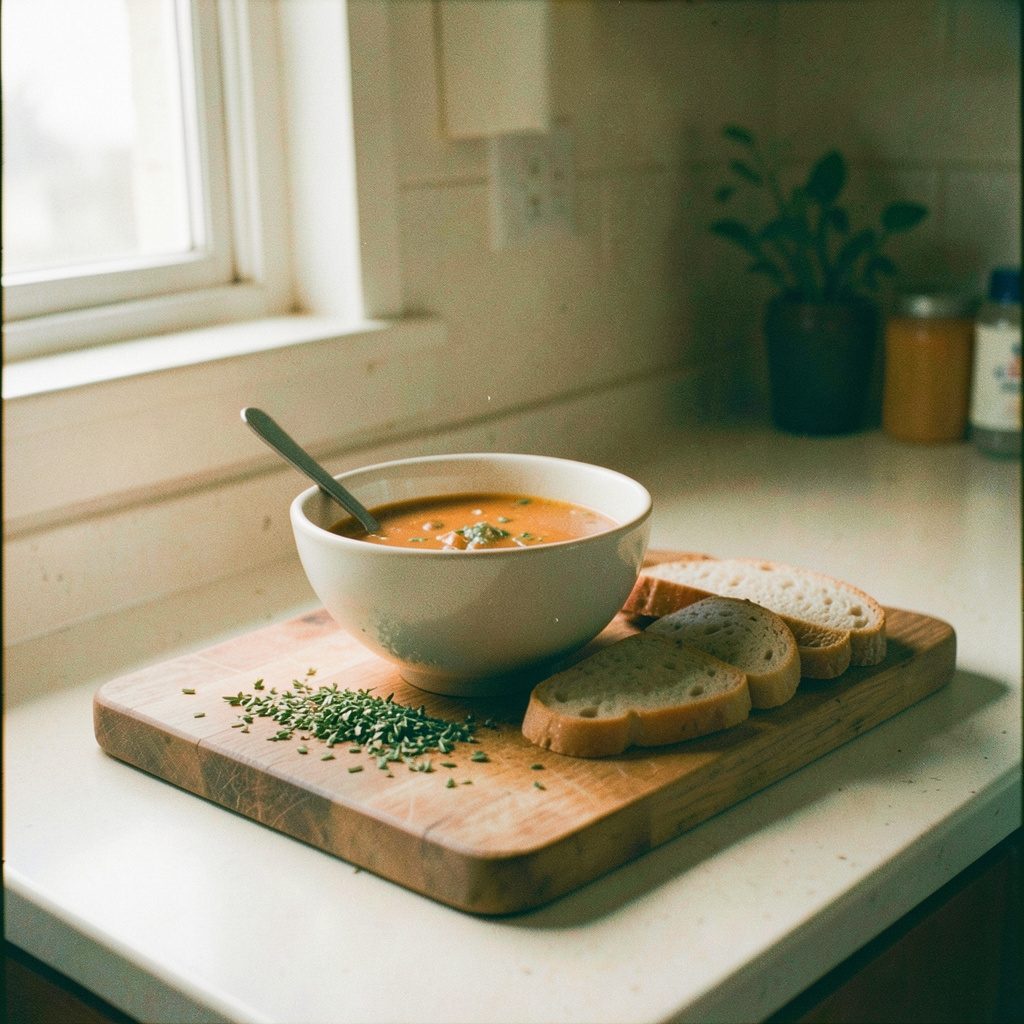
From the kitchen
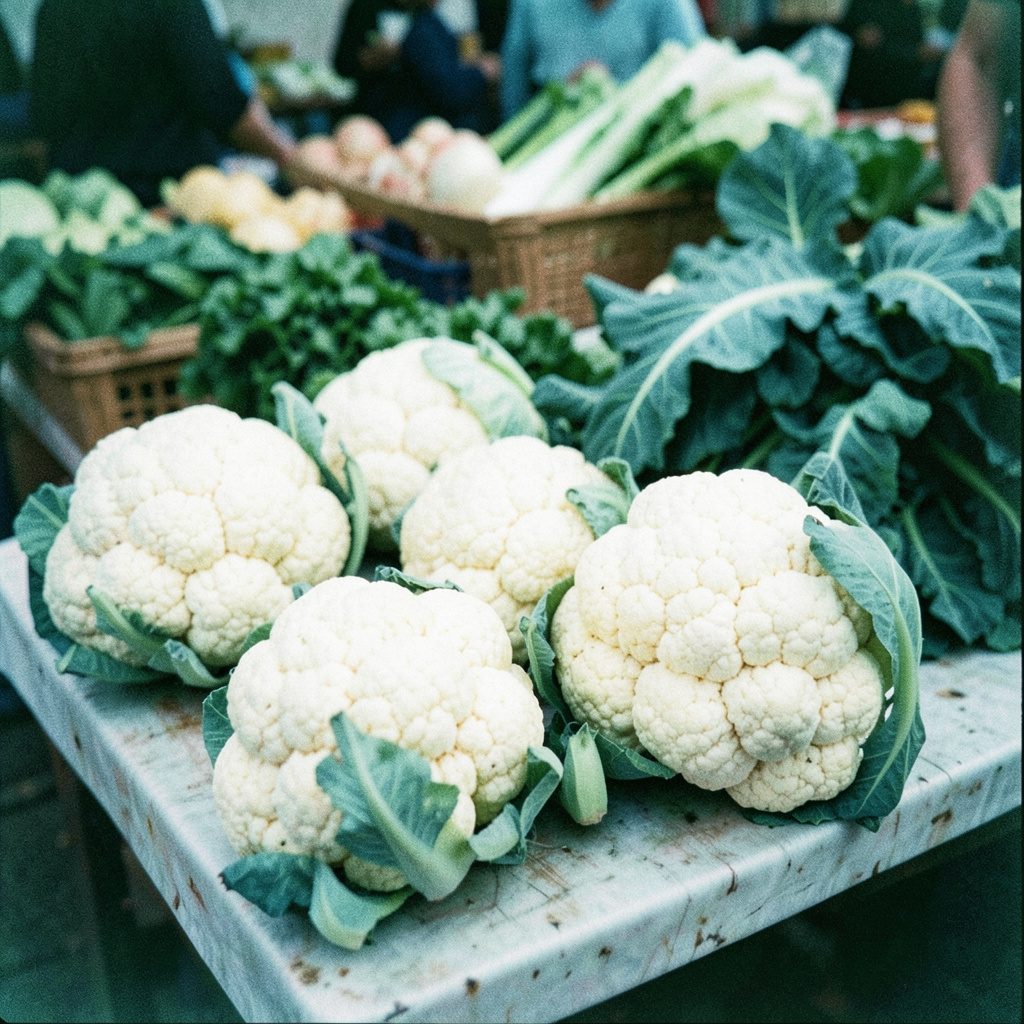
A few of the meals we've been making lately.
Watch & cook
Short clips from the kitchen.
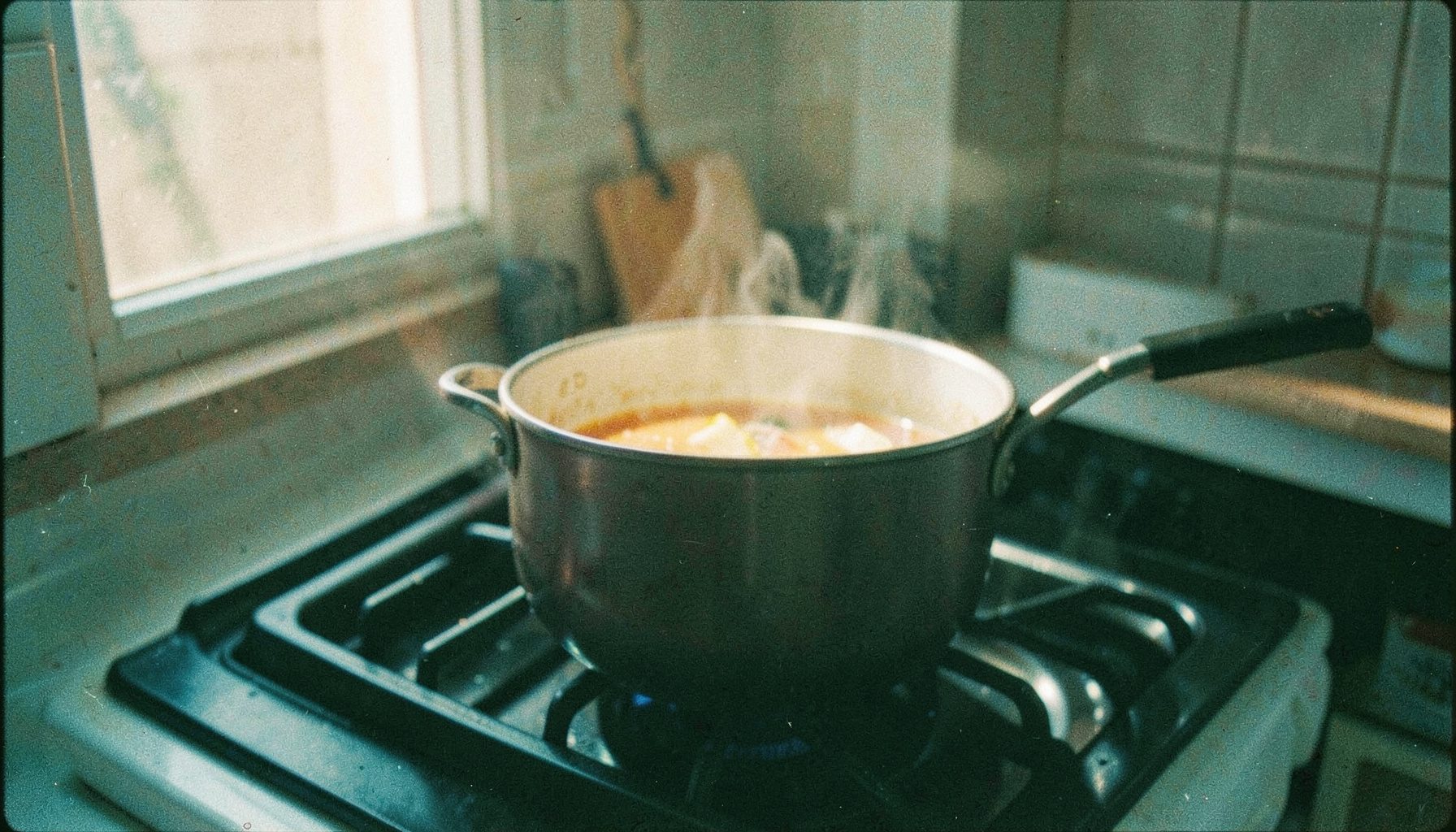 ▶
Surf and Turf in a Soup
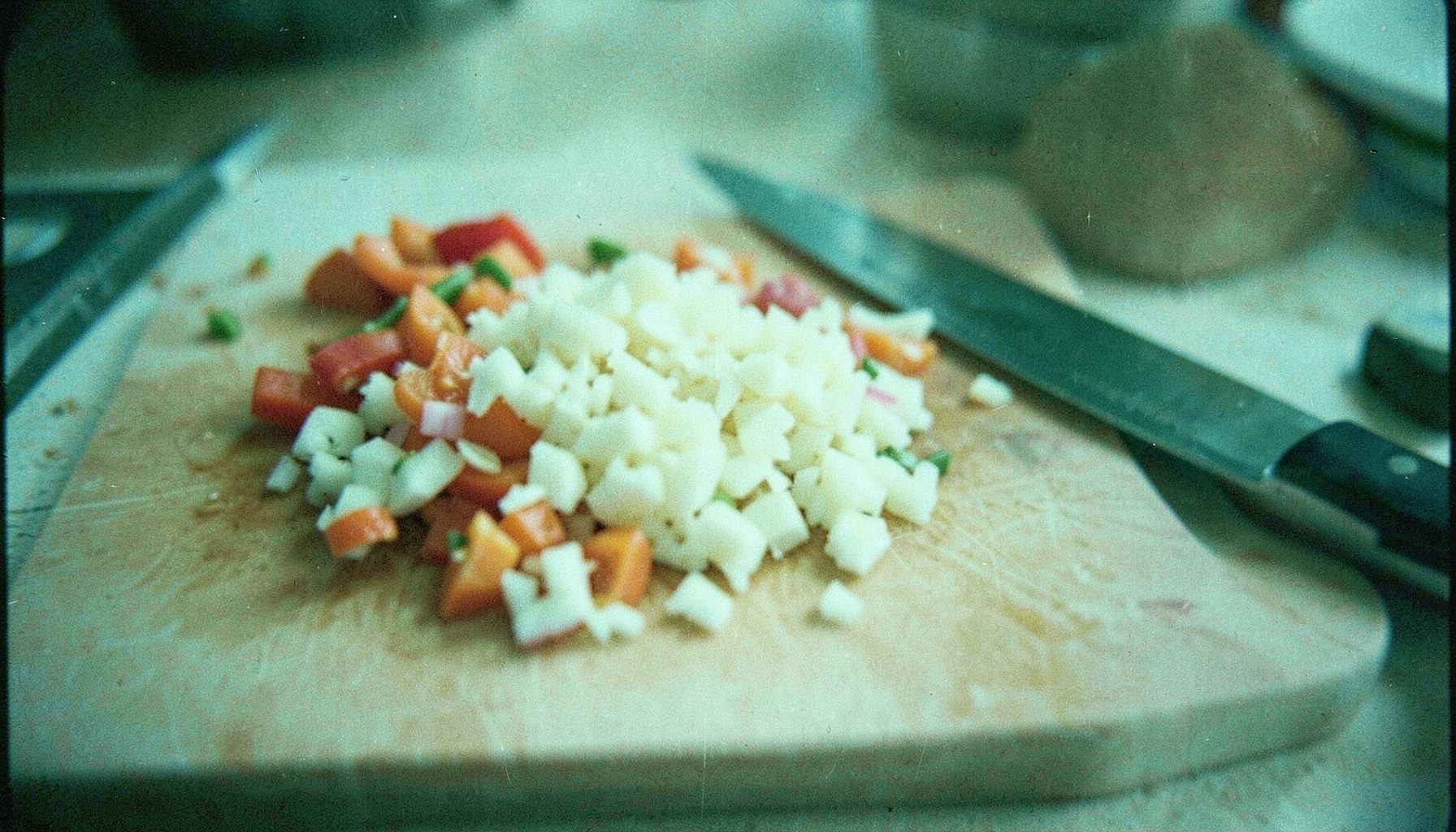 ▶
Clarifying Clarified Butter
 ▶
Blueberry Dumplings
Kathrin’s beginner’s guide to cooking with tofu
Learning to cook with tofu starts with a simple kitchen rule: treat it as a dependable ingredient, not a complicated one. Kathrin’s approach is relaxed and practical: buy it fresh, choose the texture that suits the dish, season it before cooking and give it enough heat to become savoury and tender. A block of tofu can become the centre of a weeknight dinner without a special shopping trip or a long list of equipment.
Tofu is especially useful for Australian home cooks because it is inexpensive, versatile and naturally high in plant protein. It takes on sauces quickly, works well in rice bowls and stir-fries, and lets a meal feel substantial without relying on meat. For anyone easing into plant-based cooking, the goal is not perfection at first; it is learning one method, repeating it and adjusting the flavour.
Why tofu belongs in an Australian kitchen
Australian supermarkets such as Coles and Woolworths stock tofu in the chilled section, while Asian grocery shops around Melbourne’s Richmond and Sydney’s Haymarket often offer several textures and pack sizes. Fresh tofu is widely available, but the labels vary. Look for a use-by date, a sealed pack and a product name that tells you whether it is firm, extra firm, soft or silken. Vacuum-packed tofu usually keeps longer than unpacked fresh tofu and is convenient for beginners.
It also fits familiar Australian routines: lunchbox snacks, quick dinners after work and vegetables thrown onto a weekend barbecue. Tofu can be added to a salad, crisped in a pan or marinated for the next evening’s meal. Nutritionally, it provides all the essential amino acids, is generally low in saturated fat, and may contain calcium when made with calcium sulfate. Check the pack rather than assuming one block matches another.
Choosing tofu without getting overwhelmed
Begin with the texture rather than the brand. Firm tofu is the easiest all-rounder because it holds its shape when pan-fried, baked or added to a stir-fry. Extra-firm tofu is denser and ideal for cubes, while silken tofu is soft, spoonable and best stirred through soup or rice at the end. Fresh tofu can be very moist, so use it soon after buying and press it well before cooking.
Read the ingredient panel as well as the front label. Plain tofu is usually made from soybeans, water and a coagulant, but ready-marinated and pre-fried varieties may include extra salt, oil or wheat. Under Australian food labelling rules administered by Food Standards Australia New Zealand, soy and wheat are mandatory allergens and must be declared when present. Keep unopened tofu chilled at 5°C or below, follow the use-by date, and refrigerate any leftovers promptly.
A practical tofu toolkit for beginners
A beginner does not need every product in the refrigerated aisle. Buying one firm block and one small pack of silken tofu covers noodles, rice bowls, stir-fries and a quick soup. Fresh herbs and a jar of chilli paste can provide more variation than buying several kinds of tofu at once.
- Firm tofu is the best first choice for pan-frying, baking and bowls because it keeps a tidy shape.
- Extra-firm tofu is a drier block that browns well and suits chunky stir-fries, although it can taste chalky if overcooked.
- Silken tofu is soft and spoonable, ideal for soups, sauces and creamy dressings; it needs very little cooking.
- Soft tofu is a versatile middle ground that can be scrambled, steamed or served with rice.
Choose the texture by the job the tofu needs to do, then add flavour rather than trying to hide the ingredient. Strong seasonings penetrate firmer tofu more readily, while delicate herbs and citrus work especially well with silken tofu.
- Ginger, garlic and soy sauce create a warm, savoury base that suits rice and noodles.
- Miso and honey add sweetness and depth; use a little because both become pronounced quickly.
- Lemon or lime brightens fried tofu and balances its heavier, crisped surface.
- Chilli, cumin or curry paste bring heat and fragrance to tofu baked with vegetables.
Use one main seasoning direction for the first meal and save the others for later. Tofu absorbs flavour readily, so a small amount of miso, soy or sesame oil often has more impact than a heavy, salty sauce poured over at the table.
Preparing tofu for a better texture
Draining is the simplest way to improve texture. Unpack the tofu, pat it dry with kitchen paper and place it between two clean tea towels or two plates. Put a light weight on top and leave it for 10 to 15 minutes. You are removing surface water, not trying to squash the block; the aim is less moisture and better browning.
Cut the chilled tofu into cubes, thick slices or triangles. For crisp edges, toss the pieces lightly in cornflour and cook in a non-stick pan over medium-high heat for roughly three to four minutes per side. Baking is easier for a hands-off dinner: coat the tofu at 200°C for 20 to 25 minutes, turning once. Add tofu to a stir-fry near the end, or fold soft tofu through hot rice and soup gently so it does not break apart.
Seasoning tofu without overwhelming it
A useful tofu sauce balances salt, acid, sweetness and fat. Soy or miso supplies salt and depth, rice vinegar or citrus supplies acid, honey or maple syrup rounds things out, and a small amount of sesame oil or neutral oil carries the aroma. These ingredients are stocked by Australian supermarkets and Asian grocers, and several keep for weeks, so they make practical weeknight staples.
For a firm 300 to 400 gram block, try a quick marinade of two tablespoons light soy sauce, one tablespoon miso, one teaspoon sesame oil and a thumb-sized piece of grated ginger. Leave it for 15 to 30 minutes, then drain and reserve the liquid. Sear the tofu until golden and add the reserved marinade for the final minute; boiling miso for a long time dulls its flavour. Spoon the glaze over rice with quickly cooked greens or add a spoonful of chilli crisp at the table.
Tofu dinners for busy Australian weeks
Turn the method into a meal by adding a base and something fresh. Crispy tofu over steamed rice with pak choi and a sesame dressing is a complete dinner, while baked tofu with potatoes and broccoli suits a relaxed weekend table. Tofu also works in noodle soups, green salads and wraps. Cook a batch of firm tofu on Sunday and use some cold in lunchboxes and some hot in dinner bowls.
For a useful comparison, Kathrin’s one-pan pesto method shows the value of a short ingredient list and one pan. The same principle works with tofu: sear it first, then add bright sauce and vegetables. It keeps cleanup manageable and gives a first-time cook a clear sequence.
A local market can supply the vegetables and herbs that make the meal colourful. At Melbourne’s Prahran Market, look for seasonal greens, spring onions and bunches of coriander, then add soy, miso or sesame dressing from an Asian grocery nearby. For a lunchbox, pack tofu and vegetables separately from any wet dressing, include an ice pack, and keep the meal chilled until it is eaten.
Make one delicious tofu meal this week
Keep your first dinner deliberately simple: one firm block of tofu, steamed rice, a bag of greens and the ginger-sesame marinade. Having everything ready before the tofu hits the pan makes the process easier and removes the temptation to add too many competing flavours. Firm tofu is forgiving, and the first pieces may not all brown evenly, but they will still be tender and full of flavour.
Buy a block of firm tofu, press it while the rice cooks, cut it into bite-sized cubes and give each side a proper sear. Add the reserved glaze at the end, set out the greens and serve everything immediately. Once this familiar method feels easy, the same basic ingredient can become part of curry, pesto pasta, soup or a colourful rice bowl.
Meet the cooks
Two friends, two kitchens, one shared notebook.

Jessica
"I write down what worked, what flopped, and what to try next week."

Kathrin
"Recipes should leave room for the fridge and the season."
Get in touch
We read every message.