Easy, Fresh and Colorful Meals
A friendly food journal by Jessica and Kathrin, gathering simple soups, bright vegetables, and quick weeknight fixes for cooks who want to put a good meal on the table without fuss.
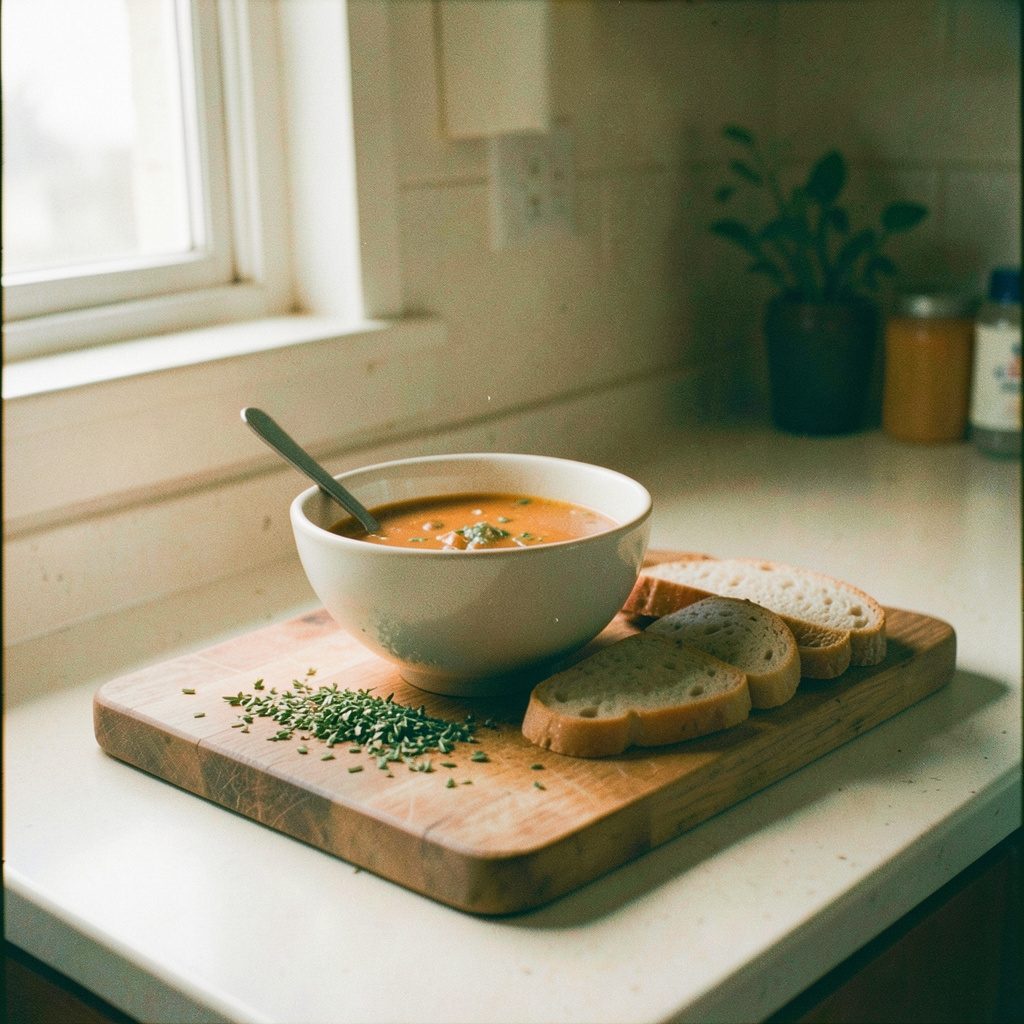
From the kitchen
A few of the meals we've been making lately.
Watch & cook
Short clips from the kitchen.
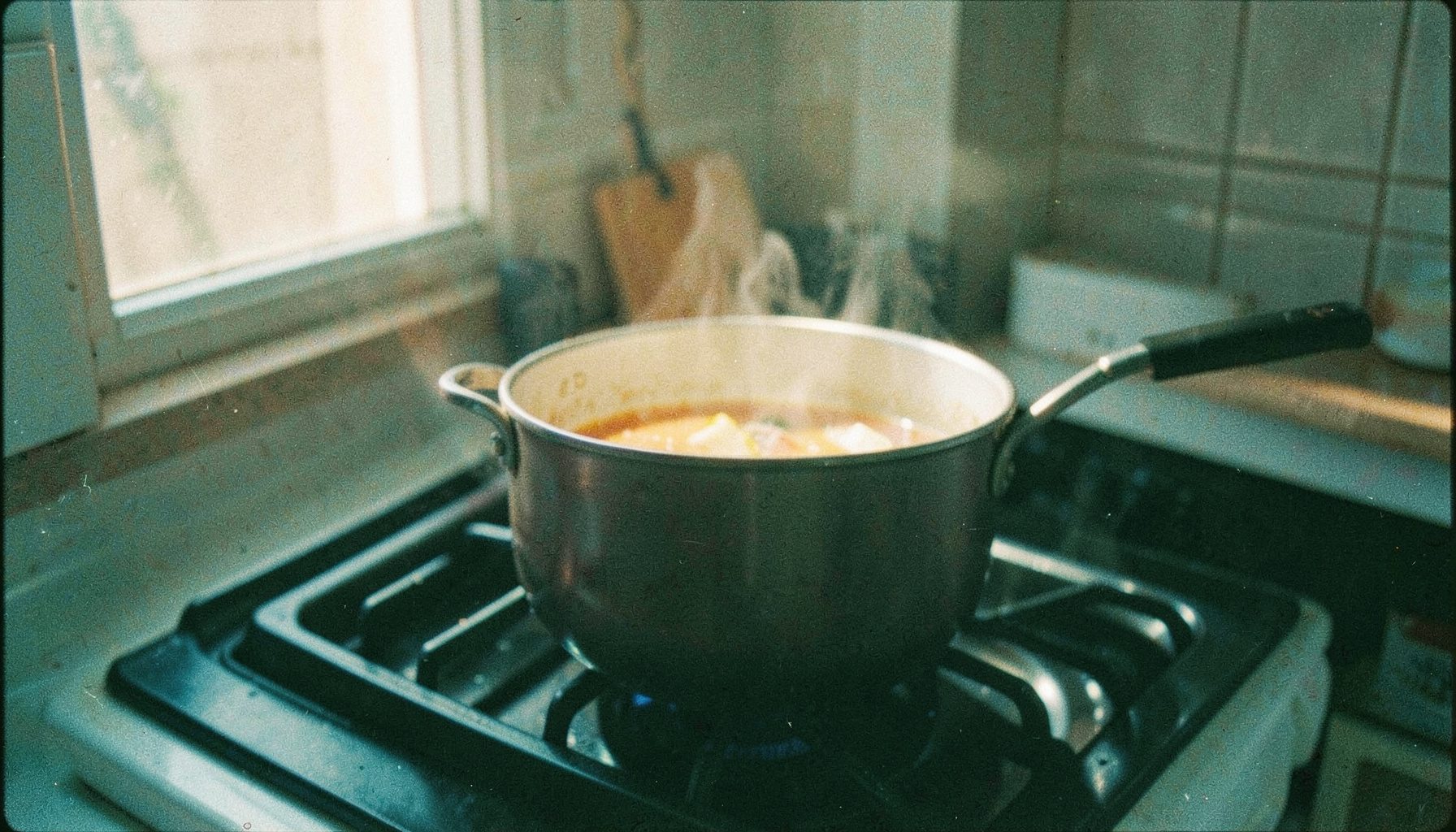 ▶
Surf and Turf in a Soup
 ▶
Clarifying Clarified Butter
 ▶
Blueberry Dumplings
One-pot Mediterranean orzo with spinach and feta
One-pot cooking suits the rhythm of an Australian household, where dinner often needs to move from workbench to family table without a pile of washing up. This One-Pot Mediterranean Orzo with Spinach and Feta is built for that kind of evening: quick, colourful and assembled from ingredients most supermarkets stock.
Rice-shaped orzo simmers until tender, then catches cherry tomatoes, garlic and oregano in the same pan. Wilted spinach adds freshness, crumbled feta supplies a salty tang, and lemon keeps the finished bowl bright enough for a relaxed lunch or dinner with friends.
A weeknight meal with generous Mediterranean flavour
The dish works because every component earns its place. Orzo gives the meal substance, while tomatoes bring sweetness and moisture. Spinach wilts down to a soft green ribbon, and feta melts just enough to cling to the pasta rather than disappearing into it. Lemon, olives and fresh herbs stop the result from tasting flat.
Using one pot also keeps the method calm. There is no need to boil pasta separately, drain it and then combine it with vegetables. The stovetop version suits kitchens in Sydney, Melbourne, Brisbane and other busy cities, where a dinner may begin with homework, a gym class or a late train ride. Only one saucepan needs washing afterwards.
Although the name sounds restaurant-inspired, the cooking is entirely manageable for a home cook. The recipe uses a wide saucepan, basic knife work and pantry staples, with optional extras that can wait until another time. Serve it as a main, add a green salad for a larger lunch, or let guests top their own bowls.
Gather ingredients from an Australian kitchen
At Coles and Woolworths, as well as many local greengrocers, the useful staples are easy to find: dried orzo, cherry tomatoes, baby spinach, feta, kalamata olives and a lemon. Australian shops also stock jars of chopped tomatoes, frozen spinach and vegetable stock when fresh produce is not at its best. During warmer months, tomatoes and spinach can be especially plentiful, although prices and availability vary by city and season.
For this 300-gram batch, gather 300 g dried orzo, one small brown onion, two garlic cloves, 400 g cherry tomatoes, 200 g baby spinach, 80 g feta, 60 g pitted kalamata olives, one teaspoon of dried oregano, 800 mL vegetable stock and the zest and juice of one lemon. Fresh parsley or dill is useful, but not essential. Have another 100 mL of stock hot in case the orzo needs more liquid.
Australian recipes rely on metric measures, so a standard Australian tablespoon is 20 mL and a cup is 250 mL. Packaged orzo and stock carry nutrition and ingredient information under the Food Standards Australia New Zealand Food Standards Code. Check the label when serving someone with a milk, gluten or other allergy, as feta contains dairy and most orzo contains wheat.
Cook the orzo, tomatoes and greens in one pot
Start by heating one tablespoon of olive oil in a wide saucepan. Add the finely diced onion and cook over medium heat for three to four minutes, then stir in the garlic for 30 seconds. Add the halved tomatoes and cook for another two minutes, pressing a few of them with the back of a spoon so their juices flavour the base.
Stir in the orzo and toast it for one minute, stirring often so the grains colour lightly rather than catch. Pour in about 700 mL of the hot stock, add the oregano and half the chopped olives, then bring the mixture to a gentle simmer. Cook uncovered for nine to twelve minutes, following the packet timing, and stir every minute or two. Add the remaining stock a splash at a time if the pan looks dry before the orzo is tender.
Turn off the heat, pile in the spinach and leave it for 30 seconds to wilt. Fold through most of the feta, the lemon zest, half the juice and the rest of the olives. Taste before adding salt because the olives and feta may already provide plenty. Keep the pot over low heat for a minute, then serve with extra feta, lemon wedges and herbs on the side.
Choose the orzo that gives the texture you want
Regular dried orzo usually gives the most convincing result here because it holds its shape while absorbing stock. Instant orzo is useful when time is extremely tight, but it can turn soft quickly. Wholemeal versions provide a nuttier flavour and are worth trying if you enjoy a fuller grain taste.
| Orzo choice | Texture and flavour | Practical result |
|---|---|---|
| Regular dried | Smooth with distinct grains | Best all-round choice for simmering with tomatoes and stock |
| Instant | Softer and less defined | Ready sooner; watch the final cooking minutes closely |
| Wholemeal | Firmer bite and nutty flavour | Cook until tender and add stock carefully to preserve the texture |
The packet directions should guide the final cooking time, as brands and grain sizes vary. For a silkier finish, stir the orzo continuously near the end; for a more casual rustle, stop while a few grains still have a slight bite. Resting the covered pan for five minutes before serving lets the remaining liquid settle into the orzo.
Shift the flavour to suit the season and your table
In spring and summer, fresh dill and flat-leaf parsley suit the lemon and feta. Basil is also good, especially with cherry tomatoes, while mint gives the dish a cooler edge. Add delicate herbs by hand at the table so they stay fresh rather than cooking into the sauce.
For a more substantial dinner, fold through a drained tin of chickpeas or white beans just before serving. Their starch helps bind the orzo, while extra protein makes the bowl more satisfying. To stretch the meal further, serve with charred bread or a large salad topped with olive oil.
Adjust the recipe rather than making it needlessly complicated. For a gluten-free version, use certified gluten-free orzo and check that the stock and other ingredients are suitable for the diner’s needs. For a vegan version, choose plant-based feta and confirm that the stock contains no animal products. Neither substitution is essential; the original combination is simple and balanced.
Use a dependable checklist for a smooth finish
A short preparation routine prevents the familiar last-minute scramble. Set out the ingredients, measure the stock and put a wide pan on the heat before starting to chop.
- Toast the orzo briefly for a lightly nutty base and extra flavour.
- Add hot stock gradually, keeping the mixture gently simmering rather than boiling hard.
- Stir often during the final minutes so the orzo stays separate and glossy.
- Add the spinach off the heat to preserve its colour and prevent scorching.
- Taste before salting because feta and olives already bring plenty of seasoning.
- Serve extra lemon and herbs separately so each diner can adjust the finish.
Plan for leftovers before serving. Refrigerate them within two hours, keep the container in the fridge at 5°C or below and reheat to 75°C. Australian state and local council rules also apply to food sold at markets, festivals and public events, so check local requirements if the dish will leave your kitchen. At home, regular hygiene and prompt refrigeration are the essential safeguards.
Bring everyone together over a shared meal
Turn the finished orzo into a shared meal by setting the saucepan in the centre with lemon wedges, herbs and extra feta nearby. Guests can help themselves, which suits a casual family dinner as easily as a weekend lunch with friends. The vivid greens, red tomatoes and white cheese make it welcoming before anyone takes a spoonful.
Make this one-pot orzo on the next ordinary evening, using what is already in the cupboard and adding a handful of fresh spinach at the end. Save the method for the nights when dinner needs to be quick without feeling plain, then bring the pot to the table while the lemon is still bright.
Meet the cooks
Two friends, two kitchens, one shared notebook.

Jessica
"I write down what worked, what flopped, and what to try next week."

Kathrin
"Recipes should leave room for the fridge and the season."
Get in touch
We read every message.