Easy, Fresh and Colorful Meals
A friendly food journal by Jessica and Kathrin, gathering simple soups, bright vegetables, and quick weeknight fixes for cooks who want to put a good meal on the table without fuss.
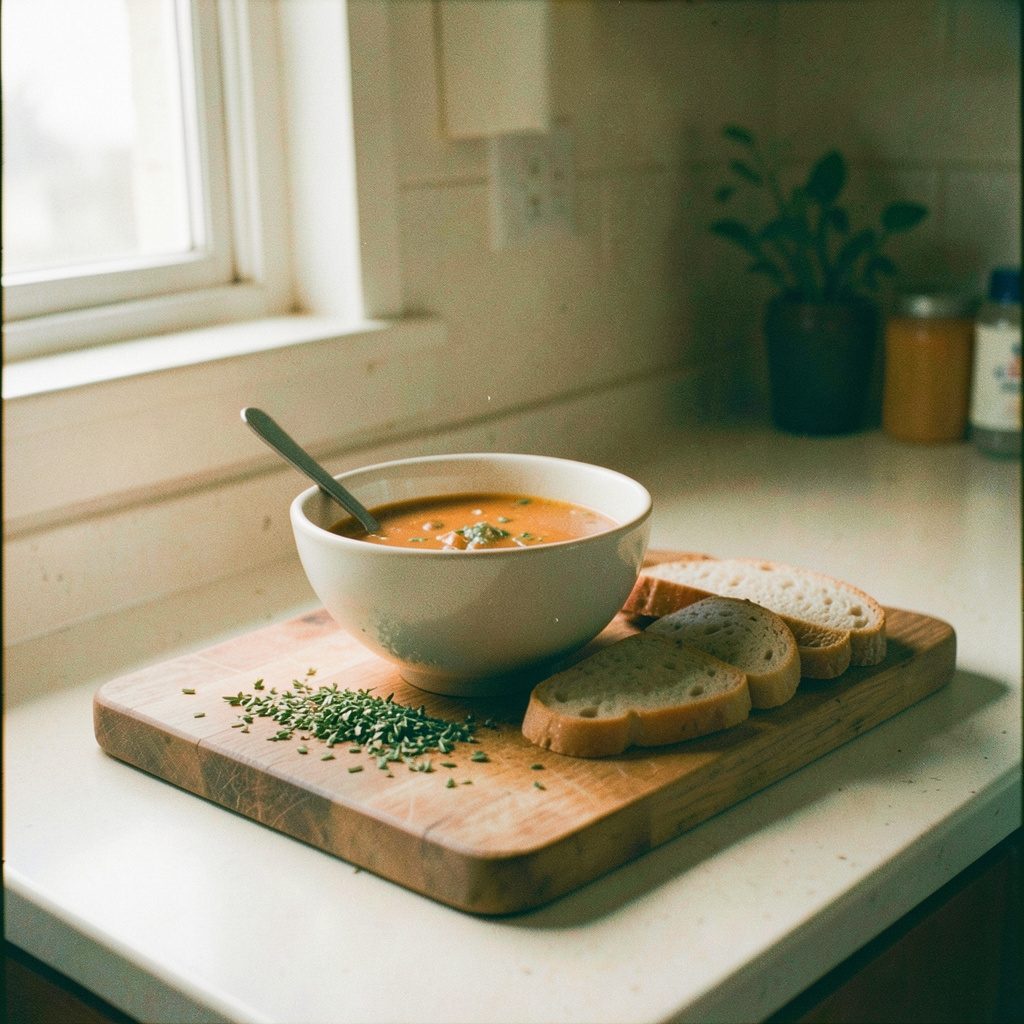
From the kitchen
A few of the meals we've been making lately.
Watch & cook
Short clips from the kitchen.
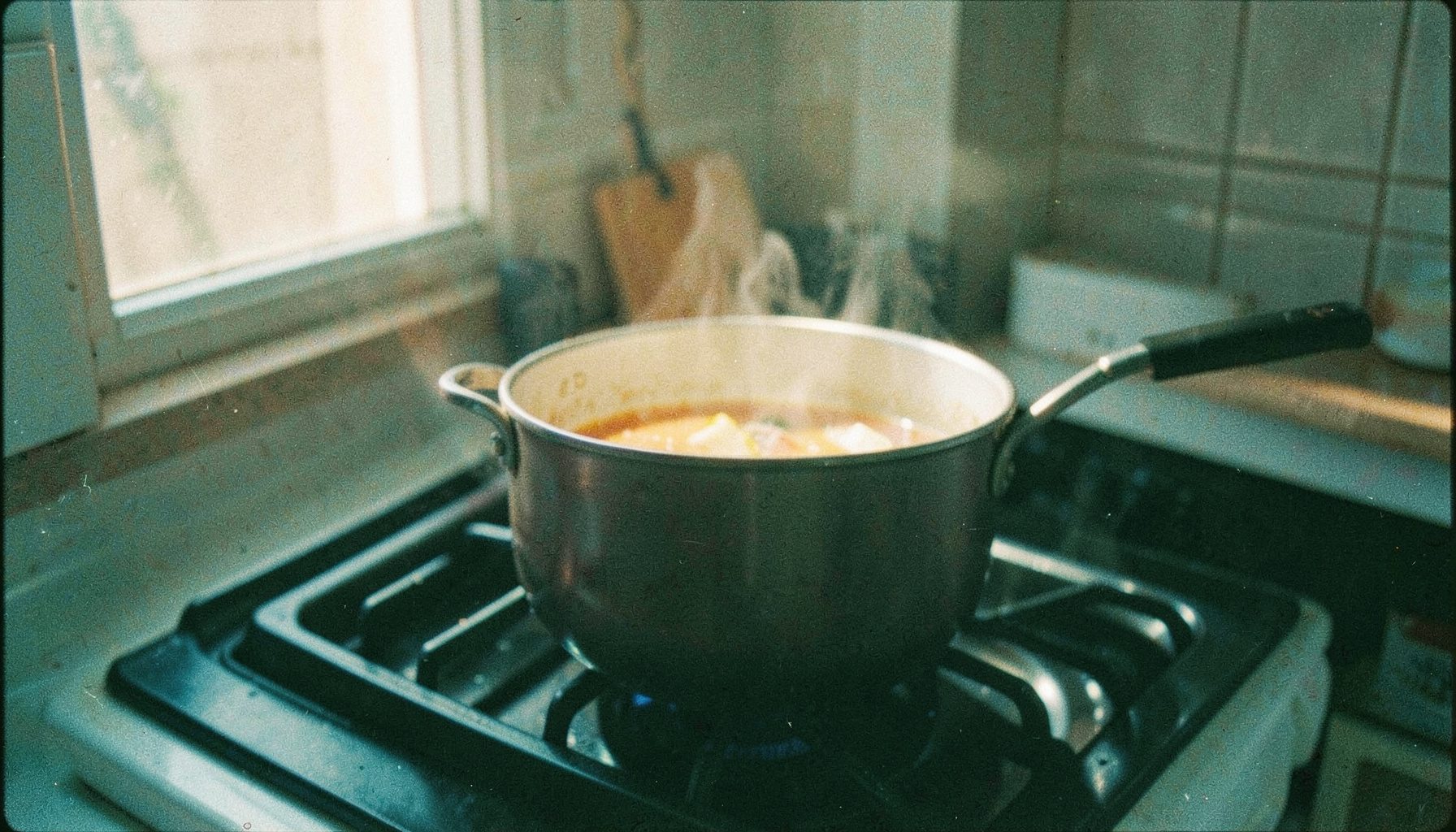 ▶
Surf and Turf in a Soup
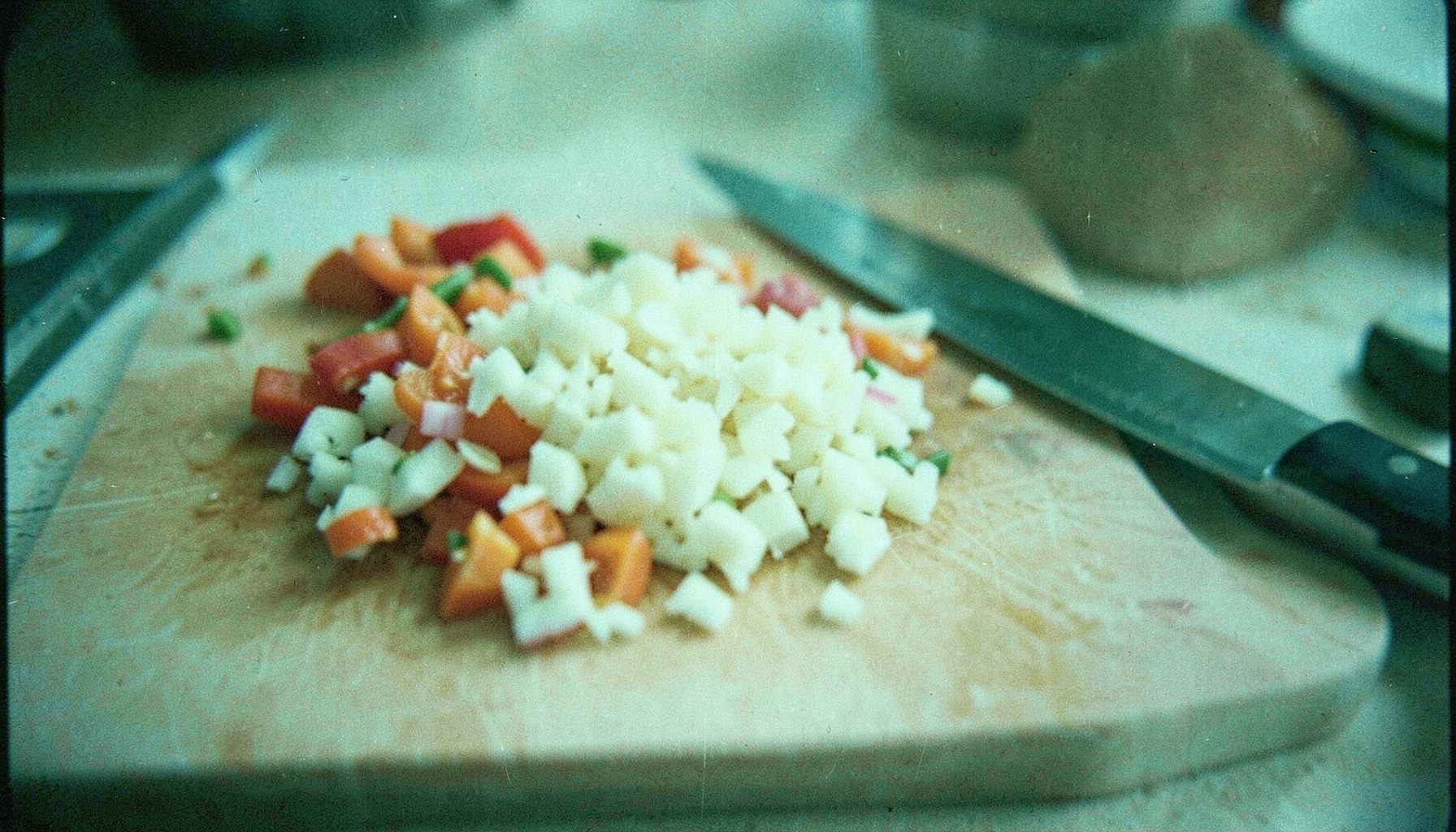 ▶
Clarifying Clarified Butter
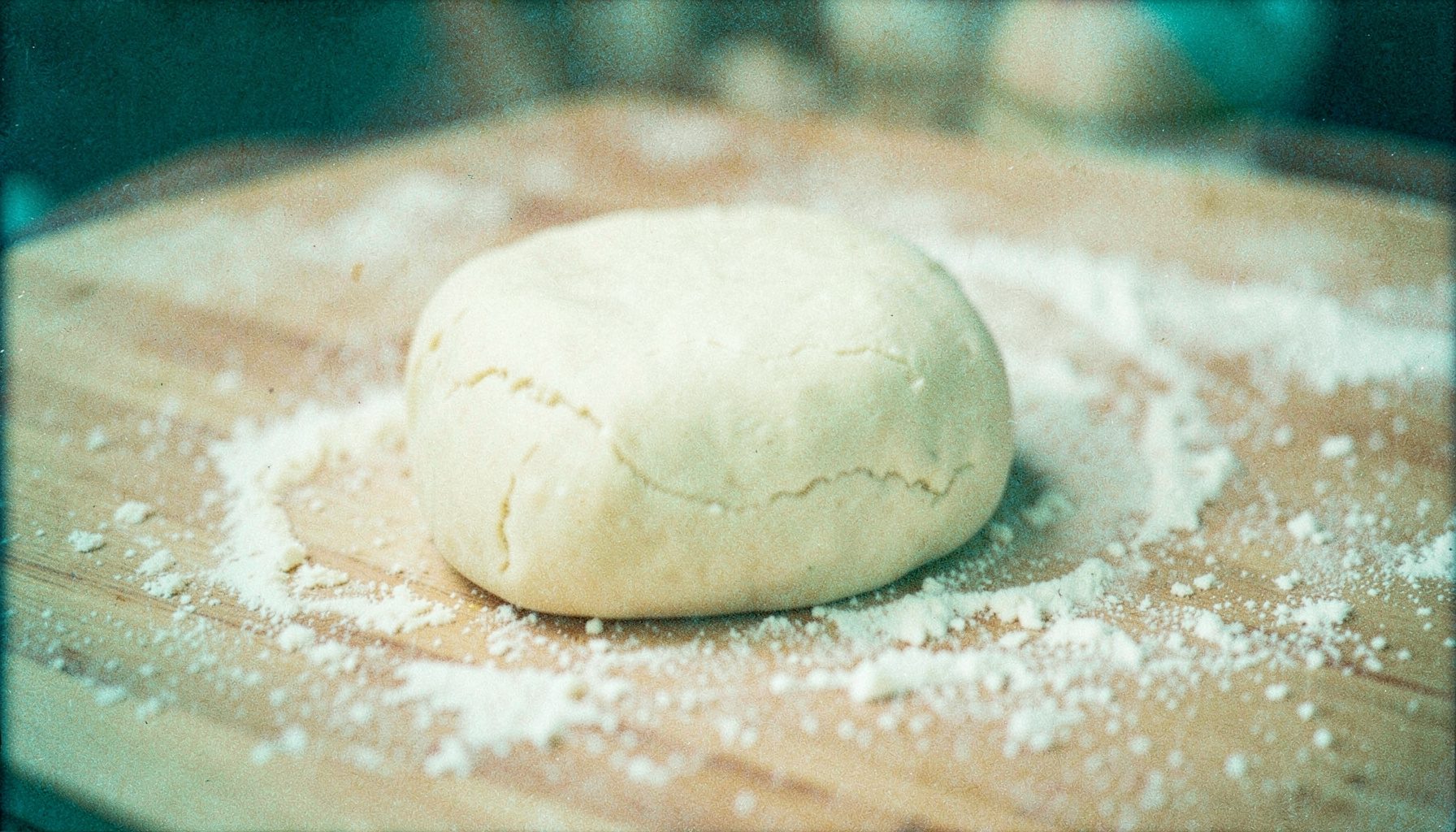 ▶
Blueberry Dumplings
Garlic and herb roasted baby potatoes
Garlic and herb roasted baby potatoes bring crisp skins, tender centres and a rich aroma to the dinner table. They work equally well as a side for roast chicken, fish or lamb, and as the main event beside a fresh salad and a spoonful of Greek yoghurt. The small potatoes need little preparation, making them ideal for busy weeknight meals, relaxed weekends and backyard gatherings alike.
The secret lies in starting with moist, firm potatoes, coating them well with oil and giving them enough oven space to brown. Garlic, rosemary and thyme build a savoury flavour, while parsley added at the end keeps the dish bright. A tray of golden roast potatoes also travels conveniently to picnics, community lunches and shared dinners around Australia.
Why baby potatoes roast so well
Baby potatoes have thin skins and a high ratio of surface area to flesh. As they roast, their skins wrinkle and crisp while the inside becomes soft and buttery. Unlike larger potatoes, they usually need no peeling or lengthy parboiling, so they suit cooks who want a rewarding result with little effort.
A hot oven encourages the cut surfaces to caramelise and the edges to become deeply golden. Olive oil carries the garlic and herb flavours into every bite, while a short rest after roasting allows the potatoes to finish steaming in their own juices. Serve them straight from the oven or use them later to make a warm potato salad.
Picking potatoes and herbs close to home
Australian supermarkets such as Woolworths and Coles commonly stock baby potatoes in 500 g or 1 kg bags, while independent greengrocers often sell them loose by the kilogram. At Melbourne’s Queen Victoria Market, Adelaide Central Market or a Sydney produce shop, look for small, firm potatoes with clean skins and no dark patches or soft areas. Similar potatoes can be called new, baby or fingerling potatoes depending on the grower.
The supply changes through the year, but Australian growers in Tasmania, Victoria, Queensland and South Australia help make baby potatoes available throughout much of the year. Seasonal conditions affect their size and moisture content, so choose the best-looking batch rather than relying on a particular label. Potatoes stored in a cool, dark and well-ventilated place at home should remain firm for several days.
For herbs, choose flat-leaf parsley, common thyme and fresh rosemary. Coriander, chives and dill also work well, although their flavours are brighter and more distinct. Australian recipes generally use metric measurements, so a 750 g packet is useful for four generous servings. Check the date and storage instructions on pre-packed potatoes, and keep loose potatoes away from onions, as the two can speed up spoilage.
Preparing the tray for even roasting
Use 750 g baby potatoes, three tablespoons of olive oil, four garlic cloves, one tablespoon of rosemary leaves, one teaspoon of thyme leaves and plenty of freshly ground black pepper. Finely slice the garlic so it mellows without becoming bitter. Chop a handful of parsley for the finish.
Heat the oven to 200°C conventional or 180°C fan-forced. Scrub the potatoes under cold water and dry them thoroughly with a clean towel. Halve larger potatoes and leave very small ones whole. Moisture on the surface can interfere with browning, so getting them properly dry is an important part of creating crisp skin.
Toss the potatoes with the olive oil, rosemary, thyme, salt and pepper. Use your hands to coat each piece evenly, then arrange them on a metal baking tray in a single layer. Leave some space between them; crowded potatoes steam instead of roasting. Put the tray in the preheated oven and roast for about 25 minutes before adding the sliced garlic.
Roasting, testing and serving
After the first stage, turn the potatoes so the newly exposed surfaces can colour. Scatter over the garlic and return the tray for another 10 to 15 minutes, depending on the size of the potatoes. The garlic should be lightly golden and fragrant rather than blackened. Remove the tray when the skins are crisp and the smaller potatoes yield easily to a fork.
Let the potatoes rest for five minutes, then fold through the chopped parsley and a final drizzle of olive oil if desired. Taste one before serving and adjust the salt. They pair well with roast vegetables, grilled salmon, tender steak or baked chicken, and they also make a colourful addition to a lunch salad with rocket, cherry tomatoes and a lemon dressing.
For leftovers, cool the potatoes promptly and refrigerate them in a sealed container. Cooked potatoes should generally be eaten within three to four days, and they should not remain at room temperature for more than two hours. Australian food businesses must follow the Food Standards Australia New Zealand Food Standards Code and relevant state or territory hygiene laws, while home cooks should apply the same sensible cooling and storage practices.
Your dependable potato-roasting plan
A few small decisions help turn the tray into crisp, evenly browned potatoes with a balanced garlic and herb flavour:
- Choose firm, unblemished baby potatoes and scrub them thoroughly before drying.
- Heat the oven fully before the potatoes go in, using 200°C conventional or 180°C fan-forced.
- Coat the potatoes generously with olive oil so the herbs and seasoning cling to the skins.
- Space the potatoes on the tray to prevent steaming and encourage caramelised edges.
- Add sliced garlic during the final part of roasting to keep it fragrant without burning.
- Scatter fresh parsley after baking for colour, freshness and a clean herbal finish.
- Rest the finished potatoes for five minutes before serving so their centres become tender and juicy.
Once the oven is hot and the potatoes are coated, the remaining work is mostly hands-off. Put the tray in, enjoy the garlicky aroma that fills the kitchen and gather everyone around while the potatoes turn golden. This reliable roast belongs in your regular dinner rotation and is perfect for filling a serving bowl at the next shared meal.
Meet the cooks
Two friends, two kitchens, one shared notebook.

Jessica
"I write down what worked, what flopped, and what to try next week."

Kathrin
"Recipes should leave room for the fridge and the season."
Get in touch
We read every message.