Easy, Fresh and Colorful Meals
A friendly food journal by Jessica and Kathrin, gathering simple soups, bright vegetables, and quick weeknight fixes for cooks who want to put a good meal on the table without fuss.
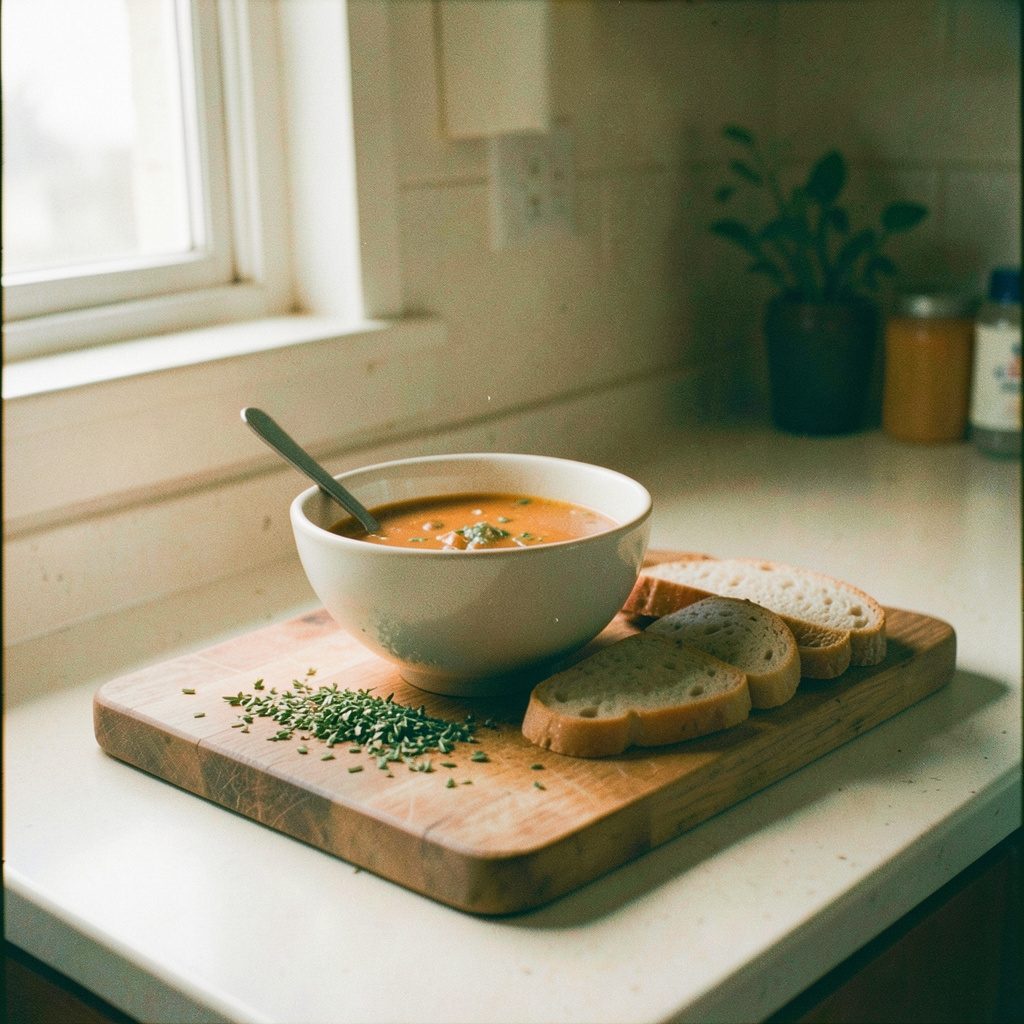
From the kitchen
A few of the meals we've been making lately.
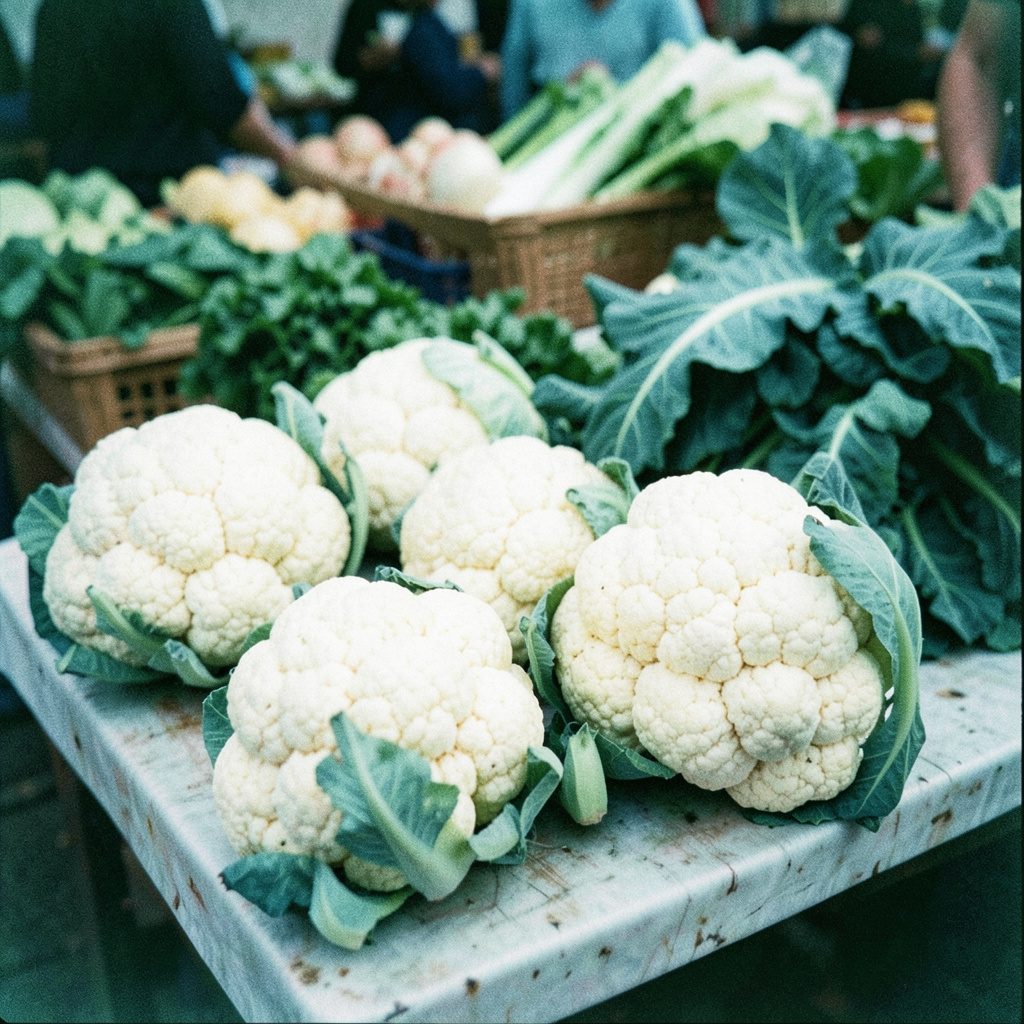
Watch & cook
Short clips from the kitchen.
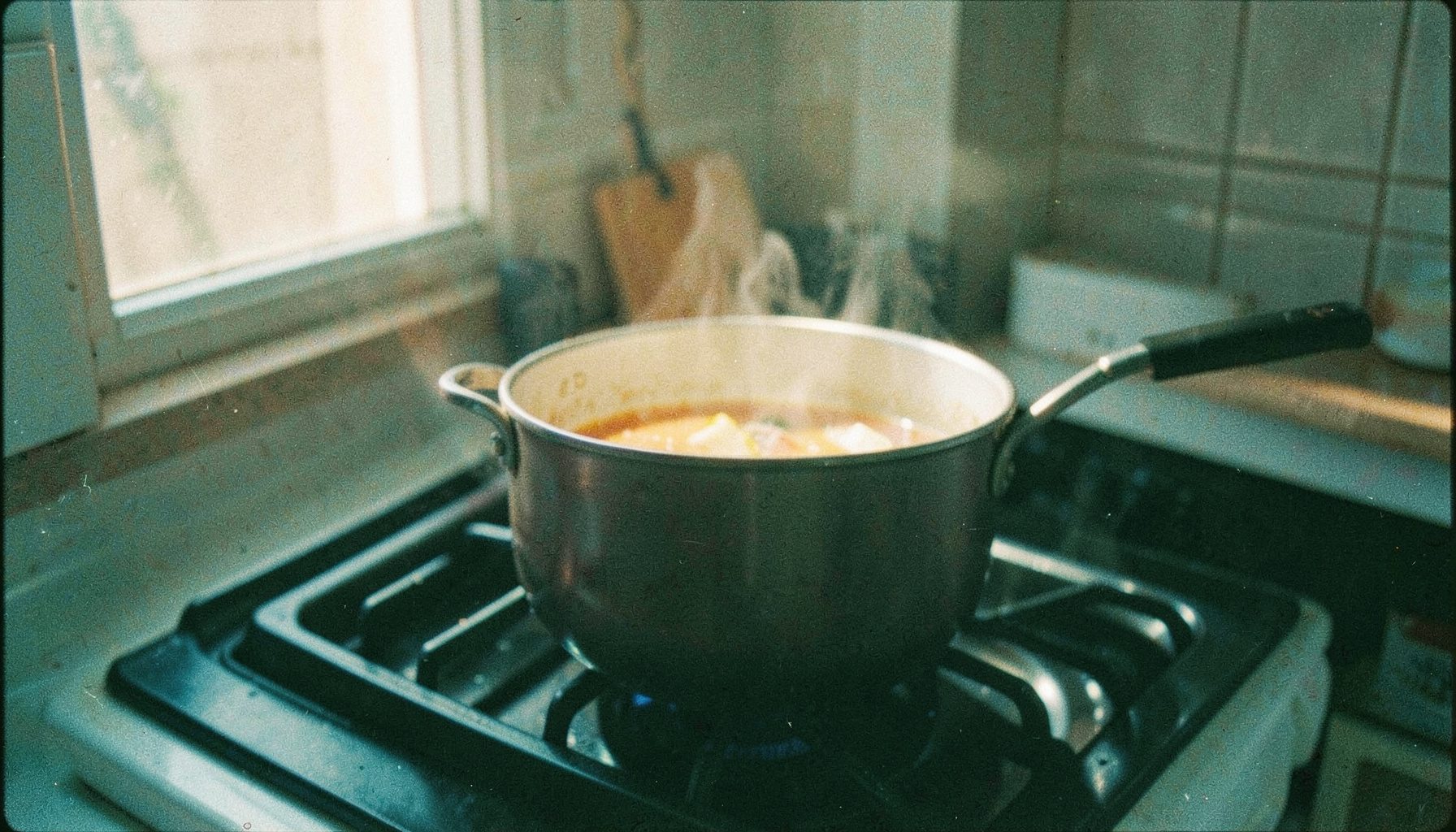 ▶
Surf and Turf in a Soup
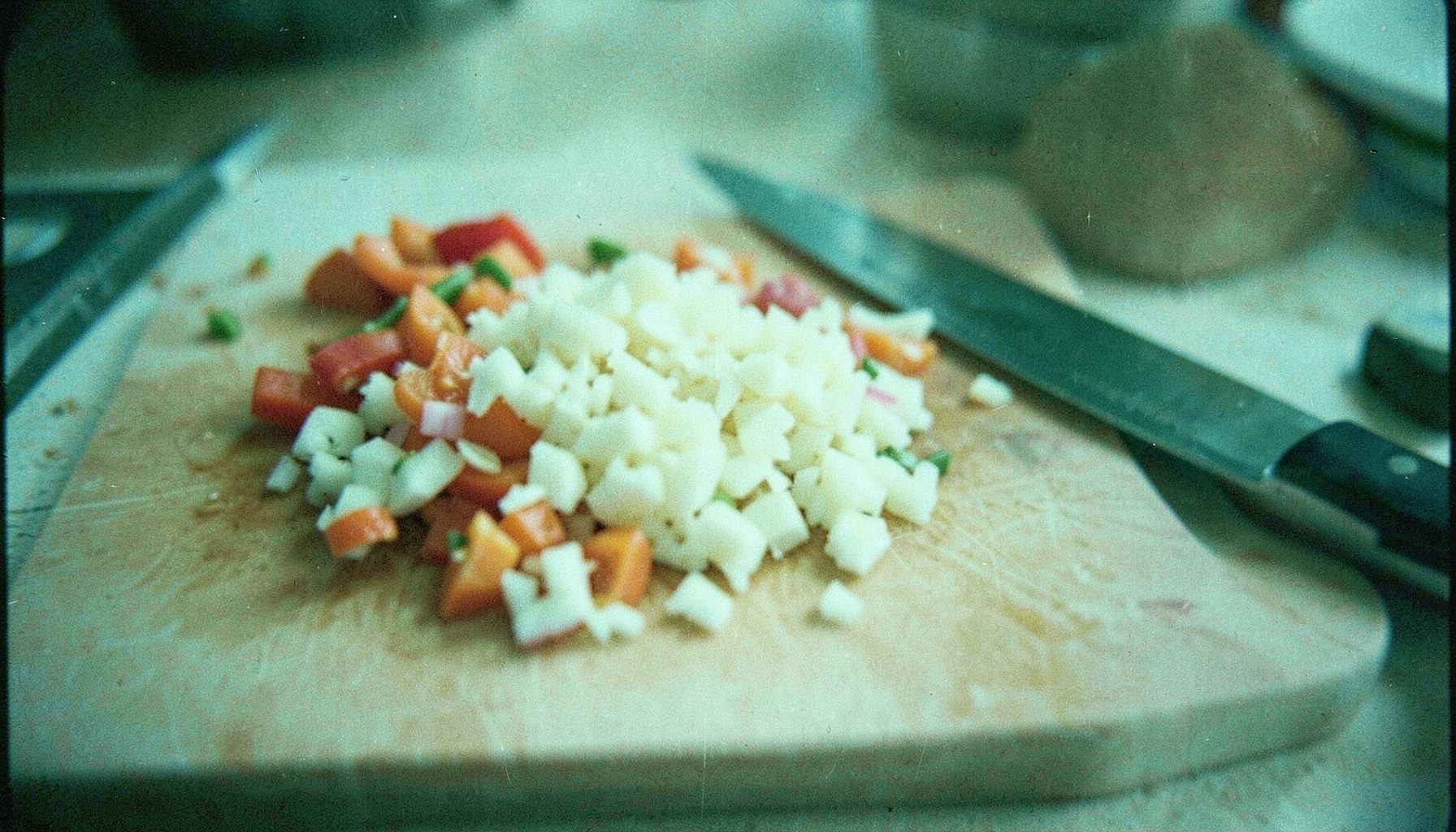 ▶
Clarifying Clarified Butter
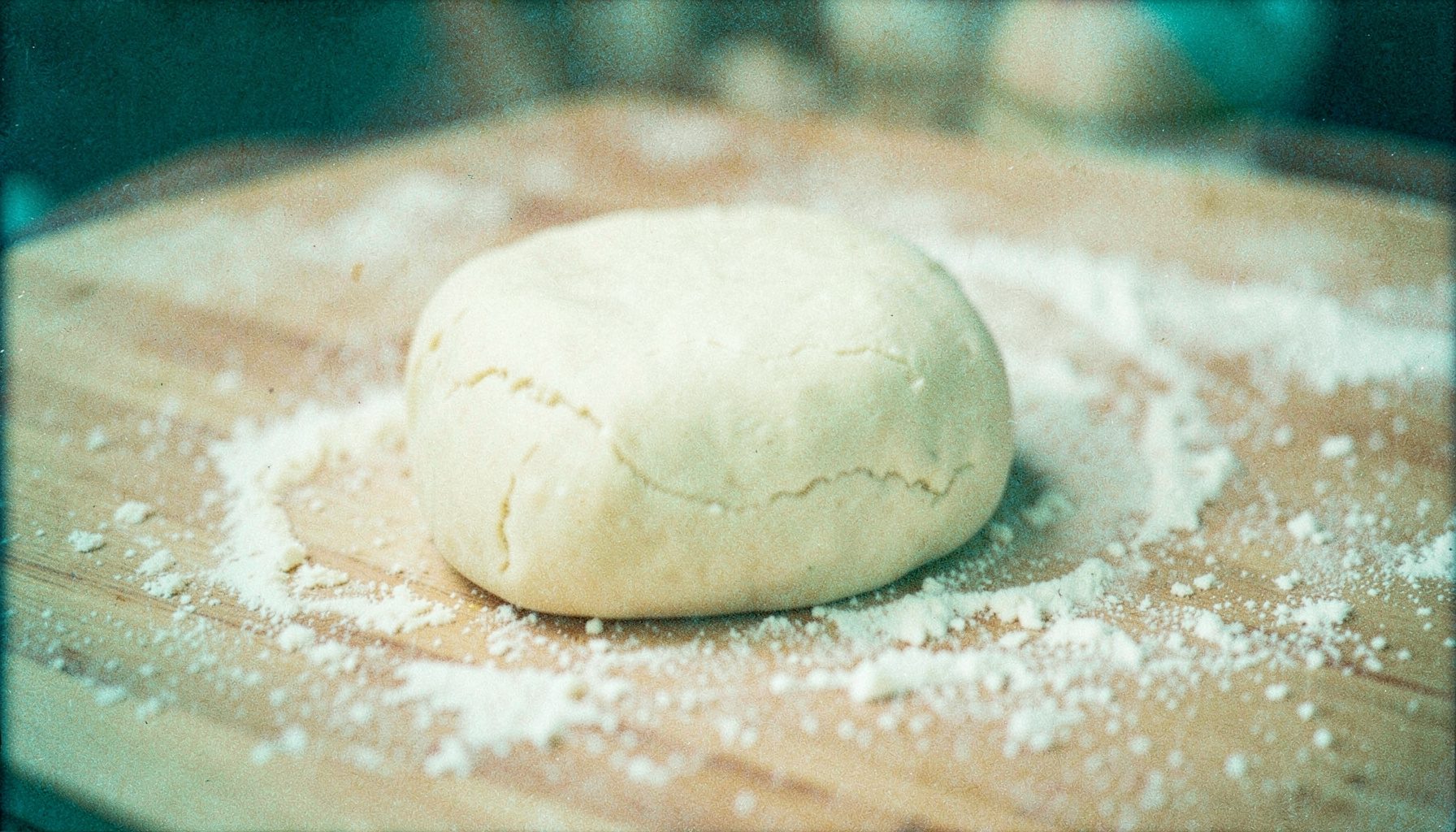 ▶
Blueberry Dumplings
Pan-seared scallops with simple brown butter sauce
Scallops are one of the quickest seafood dinners to put together, yet they can feel restaurant-worthy without a complicated plan. Their sweet, delicate flavour needs very little adornment: a hot pan, a short sear and a glossy sauce are enough. Because the cooking happens in minutes, having every ingredient ready before the first scallop hits the pan makes the difference.
Brown butter, also called beurre noisette, is the key to this simple sauce. Heating butter until its milk solids turn deeply golden gives it a warm, nutty flavour that complements the sweetness of the scallops. A squeeze of fresh lemon keeps the result balanced and bright. This version serves four and takes about 20 minutes from counter to plate.
Scallops come in several sizes, so check the label before buying. Large sea scallops are ideal for a dramatic sear, while smaller Australian scallops cook just as quickly and can be especially sweet. Whatever size you find, dry-packed scallops sear better because excess moisture slows the browning.
Shopping is part of the cooking process. At Sydney Fish Market or among the seafood counters around Melbourne’s Queen Victoria Market, ask the fishmonger which scallops are freshest and how they have been packed. Australian kitchens use metric measurements, so no unit conversion is needed. The finished dish also fits beautifully into a summer barbecue menu alongside crisp salad, fresh herbs and good crusty bread.
Choosing scallops at the seafood counter
Look for plump scallops with a firm, pearly centre and no discoloration around the edges. If they are sold in their shells, choose ones that are closed or only slightly open and feel heavy for their size. A fishmonger can also tell you whether they are fresh, previously frozen or frozen at sea, which is common practice for protecting quality during transport.
Fresh and frozen-at-sea scallops are both good choices. Frozen scallops should be thawed under refrigeration rather than at room temperature, then patted thoroughly dry before cooking. If you can only find small queen or sand scallops, use them confidently; they need less time in the pan and often have a softer, more delicate texture.
Ask about cross-contamination when the fishmonger also sells prawns or other shellfish. Scallops, prawns and lobster are different from molluscs such as clams and mussels, but anyone with a shellfish allergy should follow the supplier’s advice about shared equipment and processing.
Prepare the scallops for a clean sear
Take the scallops out of the refrigerator 10 to 15 minutes before cooking. If the side muscle is still attached, peel it away carefully; it is tough and chewy. Place the scallops between clean kitchen towels or paper towels and press gently to remove surface moisture.
Patting them dry is the most important preparation step. Moisture trapped against the hot pan turns to steam, preventing the scallops from developing a golden crust. Season them with a small pinch of sea salt just before they go into the pan, rather than salting them hours ahead.
Keep the seasoning simple. Black pepper, lemon and the browned butter provide plenty of flavour without hiding the scallops’ natural sweetness. If using frozen scallops, check the pack instructions and cook them fully thawed unless the supplier specifically recommends another method.
Brown the butter without burning it
Melt 30 grams of unsalted butter in a small, light-coloured saucepan over medium heat. As it melts, the foam will subside and the milk solids will settle at the bottom. Continue cooking, swirling the pan occasionally, until those solids turn amber to deep golden brown and the butter smells of toasted nuts.
A light-coloured pan makes it easier to judge the colour. Pale foam is only the first stage, while a rich hazelnut colour signals the desired flavour. If the butter becomes dark brown or smells acrid, discard it and begin again; burnt butter tastes bitter and cannot be fixed by adding more lemon.
Remove the pan from the heat before stirring in the lemon juice. Add a teaspoon of warm water if the sauce is too thick to spoon over the scallops. Taste and add a small pinch of salt if needed, then keep the sauce warm while you cook the seafood.
Sear in batches for a golden crust
Heat a heavy frying pan over medium-high heat and add a tablespoon of light olive oil. The oil should shimmer, but it should not begin smoking aggressively. Put the scallops in with enough space between them; crowding the pan lowers the temperature and makes the scallops stew in their own moisture.
Leave the scallops undisturbed for about two minutes. Resist the urge to move them, since the first side needs time to form a deep golden crust. Use a fish slice or thin spatula to turn them carefully, then cook the second side for another one to two minutes, depending on their size.
The scallops are ready when the outside is browned and the centres are just opaque. If they remain glassy or translucent in the middle, give them another 30 seconds. Transfer them to a warm plate rather than leaving them in the hot pan, where the residual heat can quickly overcook them.
Turn the browned butter into a bright sauce
Warm the brown butter gently, then stir through the fresh lemon juice, chopped parsley and rinsed capers. The capers add a gentle salty sharpness, while the parsley brings colour and a fresh, grassy note. Loosen the mixture with a teaspoon of warm water if it needs to run more freely across the plate.
Spoon a small pool of sauce onto each warm plate and arrange two scallops over it. Add a handful of crisp salad leaves and cucumber, then finish with a little more parsley. The sauce should frame the scallops rather than cover them, allowing the browned edges to remain visible.
For a summer barbecue, serve the scallops straight from the pan with crusty sourdough for mopping up the butter. They also work beautifully with crushed new potatoes, green beans or a spoonful of creamy mashed potato. Fresh seasonal produce from an Australian greengrocer keeps the plate colourful and balanced.
Gather fresh ingredients for the pan and plate
A short shopping list helps prevent the last-minute scramble that can turn beautifully seared scallops into rubbery edges. Choose a sturdy fishmonger or a reputable seafood counter, and ask when the scallops were delivered or thawed.
For the pan
- 8 large sea scallops, preferably dry-packed and chilled
- 30 grams unsalted butter
- 1 tablespoon light olive oil
- 1 fresh lemon
- Sea salt and freshly ground black pepper
For the plate
- 2 cups baby salad leaves
- ½ small cucumber, thinly sliced or ribboned
- 1 tablespoon capers, rinsed and drained
- 1 tablespoon chopped flat-leaf parsley
- Thick slices of sourdough, toasted
Choose salad leaves that are dry when washed, since watery leaves will dilute the sauce. Cucumbers with thin, crisp skin work particularly well because they add crunch without needing much preparation. Allow the sourdough to toast while the scallops are resting so it is ready when the plates are assembled.
Bring everything together in the right order
The size and packing of the scallops affect the cooking time, so use these timings as a guide rather than a rigid rule. A large scallop needs longer to develop a substantial crust, while a smaller one may be ready before the first side has darkened very much.
| Scallop size | Preparation | Approximate hot-pan time | Expected result |
|---|---|---|---|
| Large, about 30–35 grams | Pat very dry and season | 2–3 minutes first side, 1–2 minutes second | Deep golden crust with a tender centre |
| Medium, about 18–25 grams | Pat very dry and season | About 90 seconds each side | Sweet flavour with a lightly caramelised exterior |
| Small, under 15 grams | Pat dry and watch closely | About 45–60 seconds each side | Quick-cooked texture with delicate browning |
Begin by warming the sauce, then heat the frying pan while the scallops finish drying. Sear them in batches if necessary, transfer them to the warm plates and spoon over the brown butter immediately. Taste the sauce before adding the final pinch of salt, since capers and salted butter may already provide enough seasoning.
Make this fresh, colourful dinner part of your next seafood night and serve it with plenty of lemon and bread. The golden scallops and nutty brown butter sauce are simple enough for a weeknight, yet special enough to share when friends gather around the table.
Meet the cooks
Two friends, two kitchens, one shared notebook.

Jessica
"I write down what worked, what flopped, and what to try next week."
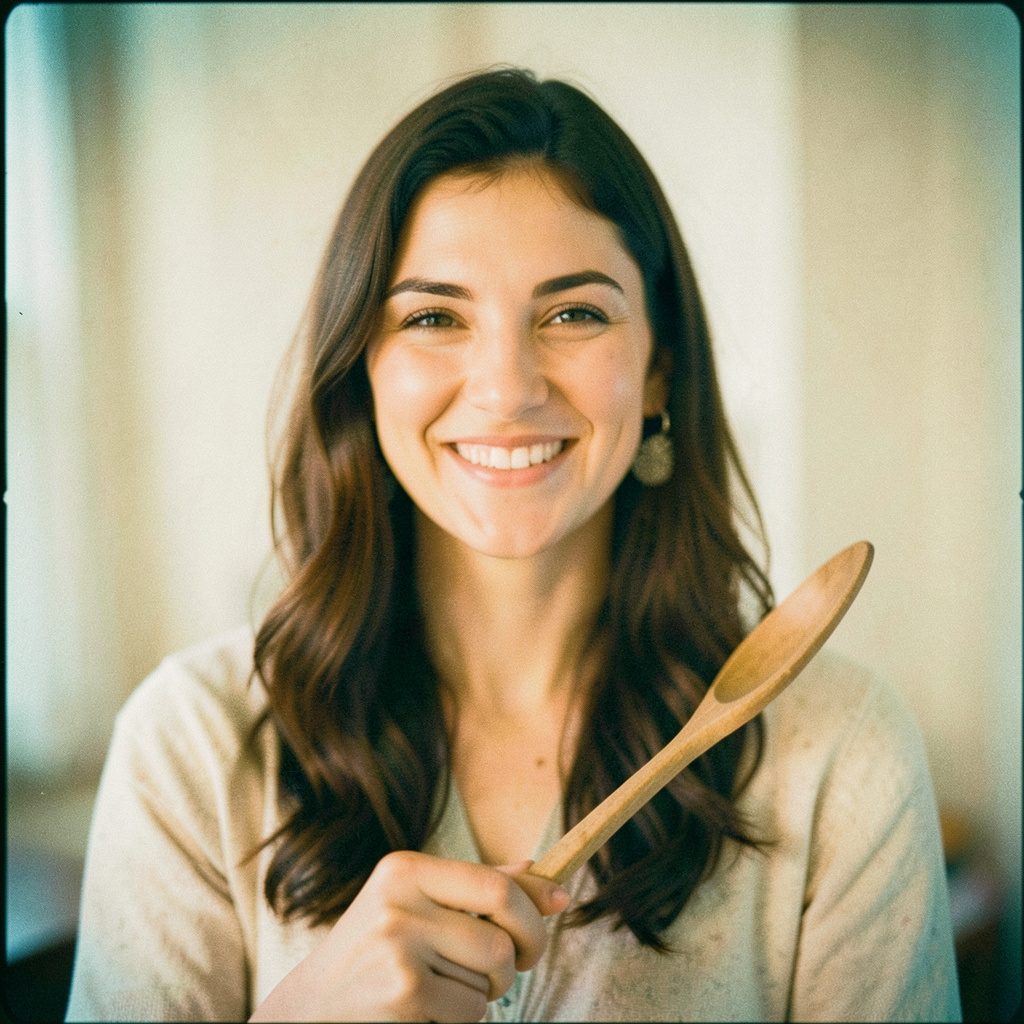
Kathrin
"Recipes should leave room for the fridge and the season."
Get in touch
We read every message.