Easy, Fresh and Colorful Meals
A friendly food journal by Jessica and Kathrin, gathering simple soups, bright vegetables, and quick weeknight fixes for cooks who want to put a good meal on the table without fuss.
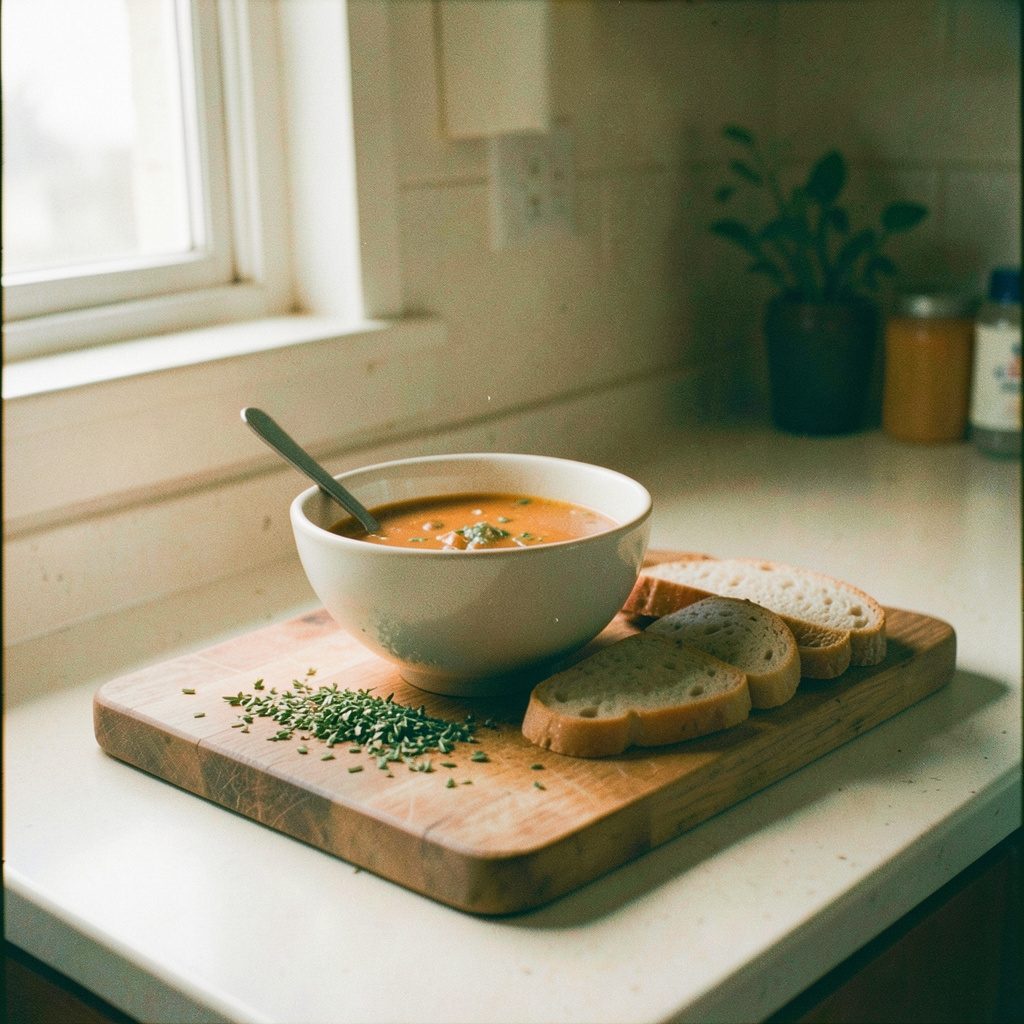
From the kitchen
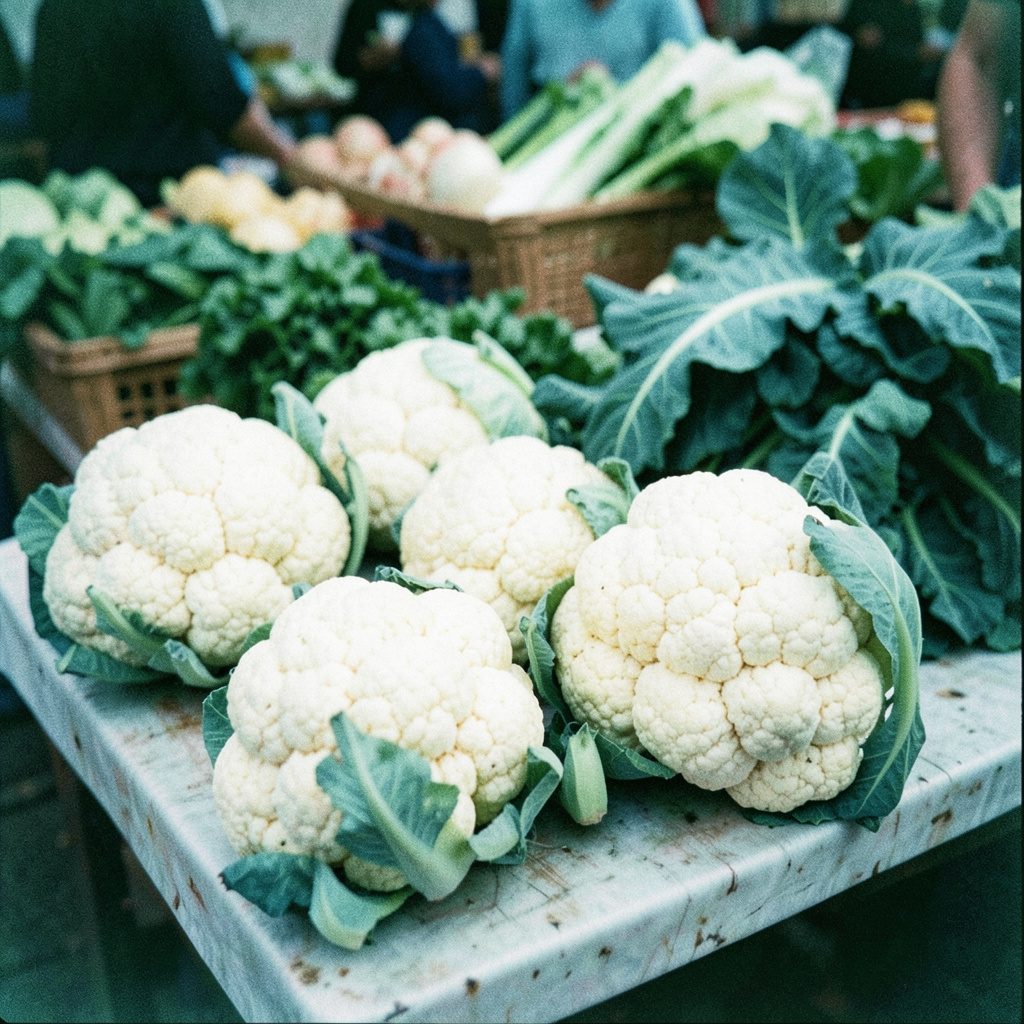
A few of the meals we've been making lately.
Watch & cook
Short clips from the kitchen.
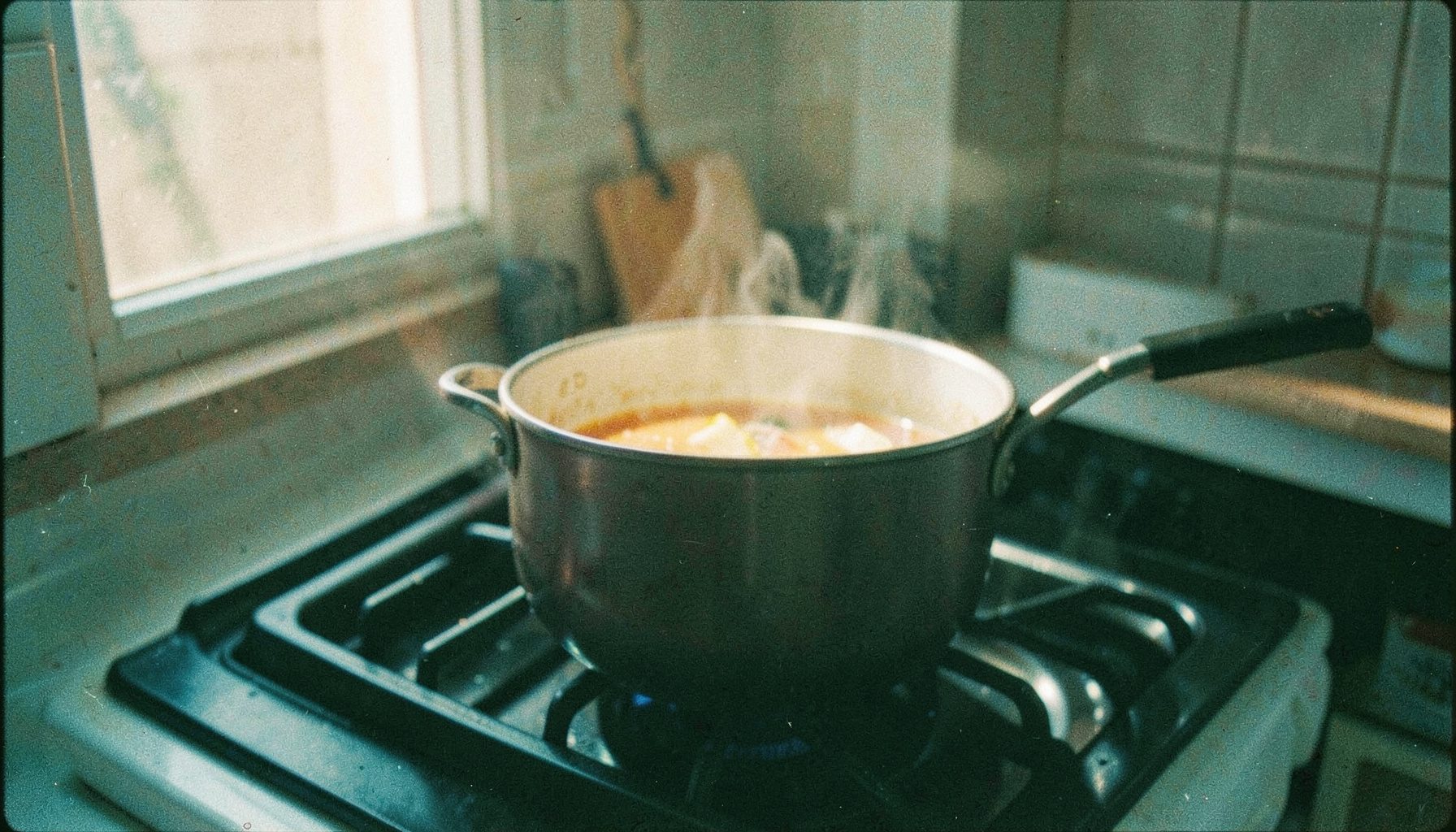 ▶
Surf and Turf in a Soup
 ▶
Clarifying Clarified Butter
 ▶
Blueberry Dumplings
Five-minute fresh salsa that beats anything from a jar
Jarred salsa is useful when dinner needs to happen in a hurry, but the best supermarket versions often taste rounder, softer and more heavily seasoned than a salsa made moments earlier. A fresh batch gives you control over every element, from the crunch of capsicum to the final squeeze of lime. It also lets ripe tomatoes speak for themselves rather than hiding behind vinegar, sugar and a long pantry rest.
A five-minute recipe is less about rushed cooking than smart preparation. If the onion is already diced and the tomatoes are ripe, you can chop, season and serve this cool, jewel-coloured salsa before the barbecue potatoes are done. Its balance of heat, acid and fresh herbs makes it equally at home on tacos, toast, eggs or a plate of grilled fish.
Why fresh salsa comes out ahead
Fresh and jarred salsa look similar in a bowl, but the differences appear immediately. Fresh salsa keeps tomatoes firm, capsicum crisp and coriander bright. A jarred salsa may be perfectly pleasant, yet its produce has usually travelled farther and softened in the jar. The fresh version also lets you dial in salt, which is useful when the tomatoes are especially sweet.
| Point of comparison | Fresh five-minute salsa | Jarred salsa |
|---|---|---|
| Preparation | Chop, toss and serve | Open, spoon and serve |
| Texture | Firm tomatoes and crisp vegetables | Softer, more uniform pieces |
| Flavour | Bright herbs, sharp lime and fresh chilli | Rounded, often milder or heavily spiced |
| Seasoning | Adjusted to taste | Fixed by the recipe |
| Cost | Low when produce is in season | Convenient but priced per jar |
| Storage | Refrigerate and eat within a few days | Long, unopened pantry life |
The strongest case for chopping is flavour. Bruised herbs, crushed garlic and cut fruit release aromatic compounds that a sealed jar cannot preserve. Chilling also firms the mixture, so every bite tastes cool and clean rather than watery. Make the salsa shortly before guests arrive and serve it in a small bowl with tortilla chips; the extra minutes are worthwhile.
The five-minute method
Use three ripe tomatoes, about 450 g, half a small red onion, half a red capsicum, one jalapeño, two tablespoons of coriander leaves, the juice of one lime, a pinch of salt and one small clove of grated garlic. Add a teaspoon of olive oil only if you like a slightly richer finish. Have the onion and capsicum diced beforehand, and choose tomatoes that feel heavy and smell floral at the stem end. Ripe is essential because watery tomatoes dilute the dressing and dull the flavour.
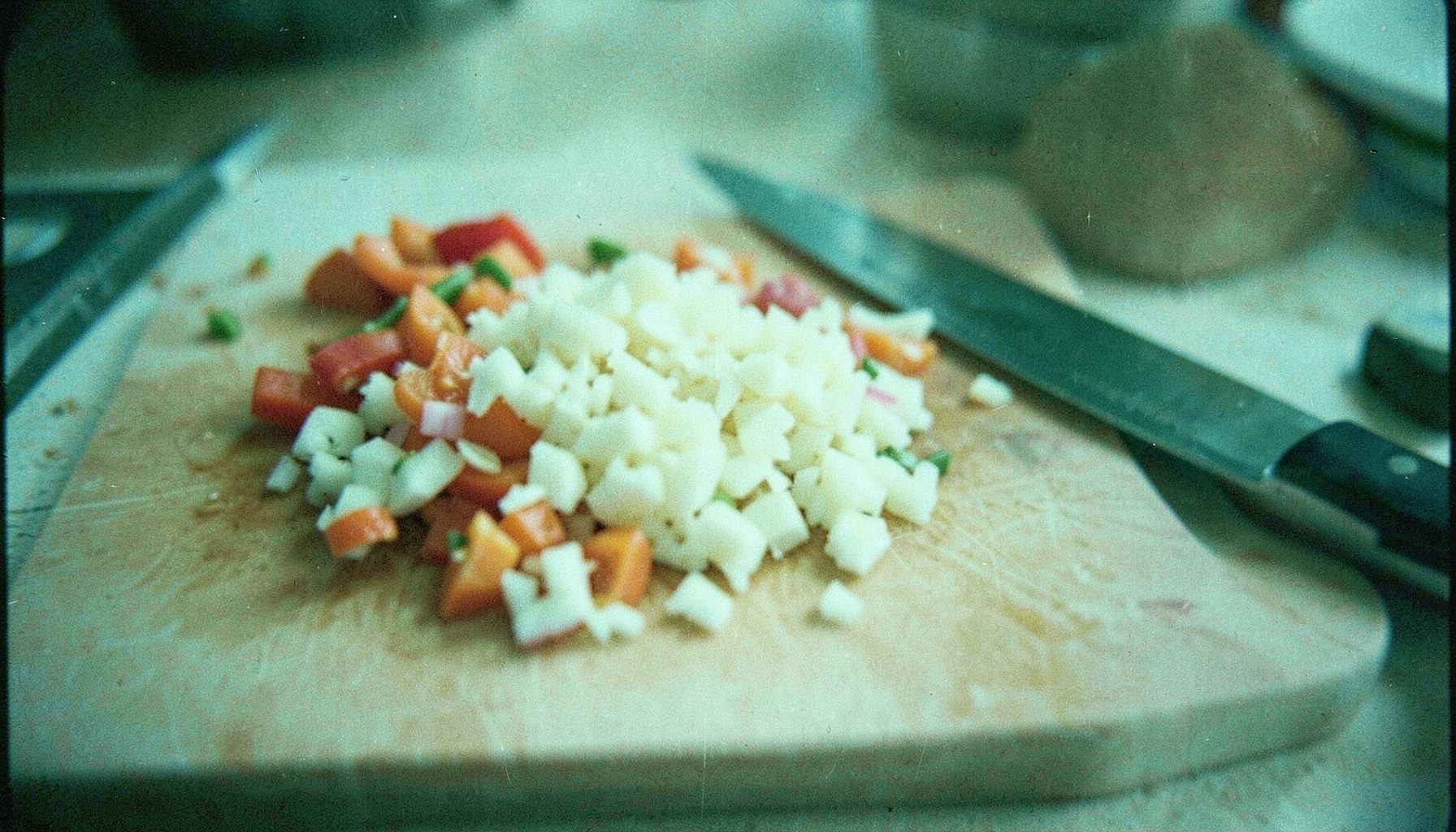
Dice the tomatoes directly over a bowl so none of their juice is lost. Cut the onion and capsicum into small, even pieces, roughly the size of a pea; smaller pieces create a salsa that feels cohesive. Slice open the jalapeño lengthwise, scrape out the seeds for gentler heat, then finely chop the flesh. For a hotter result, keep some seeds or add a sliced bird’s-eye chilli. Combine everything with the coriander, garlic, lime juice and salt, then stir gently so the tomatoes stay intact. Taste with a crisp tortilla chip and adjust before serving.
Balance is a matter of small corrections. If the salsa tastes flat, add another squeeze of lime; if it is sharp but bland, a pinch more salt will round it out. Resting the bowl for five minutes in the fridge improves the flavour without adding any cooking time. If you are chopping during a quiet break, the site's free spins for Aussies page offers another quick distraction for Australian readers.
Australian produce and flavour variations
Shopping at Adelaide Central Market or Melbourne’s Queen Victoria Market is a good way to find tomatoes with real flavour and coriander that smells of citrus. Sydney growers’ markets also offer local stone fruit in season, including peaches and mangoes that can replace half the tomato for a sweeter salsa. Wash everything under cool running water, then pat it dry. Buy smaller quantities often rather than one large batch, because fresh salsa is at its best within a few hours.
Change one ingredient at a time and the basic recipe moves easily across cuisines. Add diced mango and a pinch of chilli powder for a tropical version suited to prawns and grilled fish. Swap the lime for lemon and include a little grated ginger for a brighter, more zingy profile. Cucumber and mint make a light summer salsa for bread or mezze, while chopped avocado and a squeeze of lime create a creamy variation without losing the chopped vegetables. Keep the additions small so the salsa still feels fresh rather than heavy.
At an Australian backyard barbecue, salsa often arrives beside grilled sausages, lamb chops and a tray of onion, not in a decorative bowl of rice and beans. Put the salsa in a shallow dish, surround it with corn chips and let people spoon it over everything. In midsummer, a small ice bowl keeps the tomatoes cool without making them watery. A squeeze of lime at the table is handy for guests who prefer something sharper.
Serving, storing and party ideas
Think of the salsa as a way to season everything, not just a dip. Spoon it over scrambled eggs, grilled bread or baked potatoes, and add a spoonful to tuna or white bean salads for moisture and colour. It pairs especially well with grilled prawns, fish and roast lamb. For a casual lunch, serve it with strong cheddar on sourdough toast and a handful of rocket.
Keep the salsa in an airtight container in the coldest part of the fridge, and use it within two or three days. If you make a double batch, keep one portion undressed and add the lime and salt just before serving. This protects the texture while letting the second batch stay bright. Do not leave it at room temperature for more than two hours, or one hour in hot weather, especially on a warm patio.
For a playful dinner-party finish, pair a spoonful of mild salsa with a simple cupcake; quick cupcake ideas can help you choose a bake whose sweetness balances the tomato and lime. The combination is unexpected, but a little chilli against vanilla or chocolate works well. Keep the salsa in a separate bowl so each guest can decide how much to try.
Your five-minute salsa checklist
Use this checklist to make the result repeatable even when the cooking is moving fast. The best batches are assembled in order, with the most important flavour checks happening just before the first guest takes a chip.
- Dice the tomatoes over a bowl to catch every drop of juice.
- Cut the onion and capsicum into similarly sized pieces for even flavour.
- Remove the jalapeño seeds for milder heat, or retain some for extra punch.
- Add the lime juice gradually, tasting after each small squeeze.
- Check the salt after combining all the vegetables and herbs.
- Chill the finished salsa for a few minutes to firm the texture and sharpen the flavour.
Make the batch now and let the fresh tomato, lime and coriander do the work that blending, preservatives and long storage do in a jar. Dice, season, taste and serve it cold with tortilla chips, or scatter it over tonight’s barbecue plates. Once the tomatoes are cut and fragrant, this is the moment when a five-minute fresh salsa genuinely beats anything from a jar.
Meet the cooks
Two friends, two kitchens, one shared notebook.

Jessica
"I write down what worked, what flopped, and what to try next week."

Kathrin
"Recipes should leave room for the fridge and the season."
Get in touch
We read every message.