Easy, Fresh and Colorful Meals
A friendly food journal by Jessica and Kathrin, gathering simple soups, bright vegetables, and quick weeknight fixes for cooks who want to put a good meal on the table without fuss.
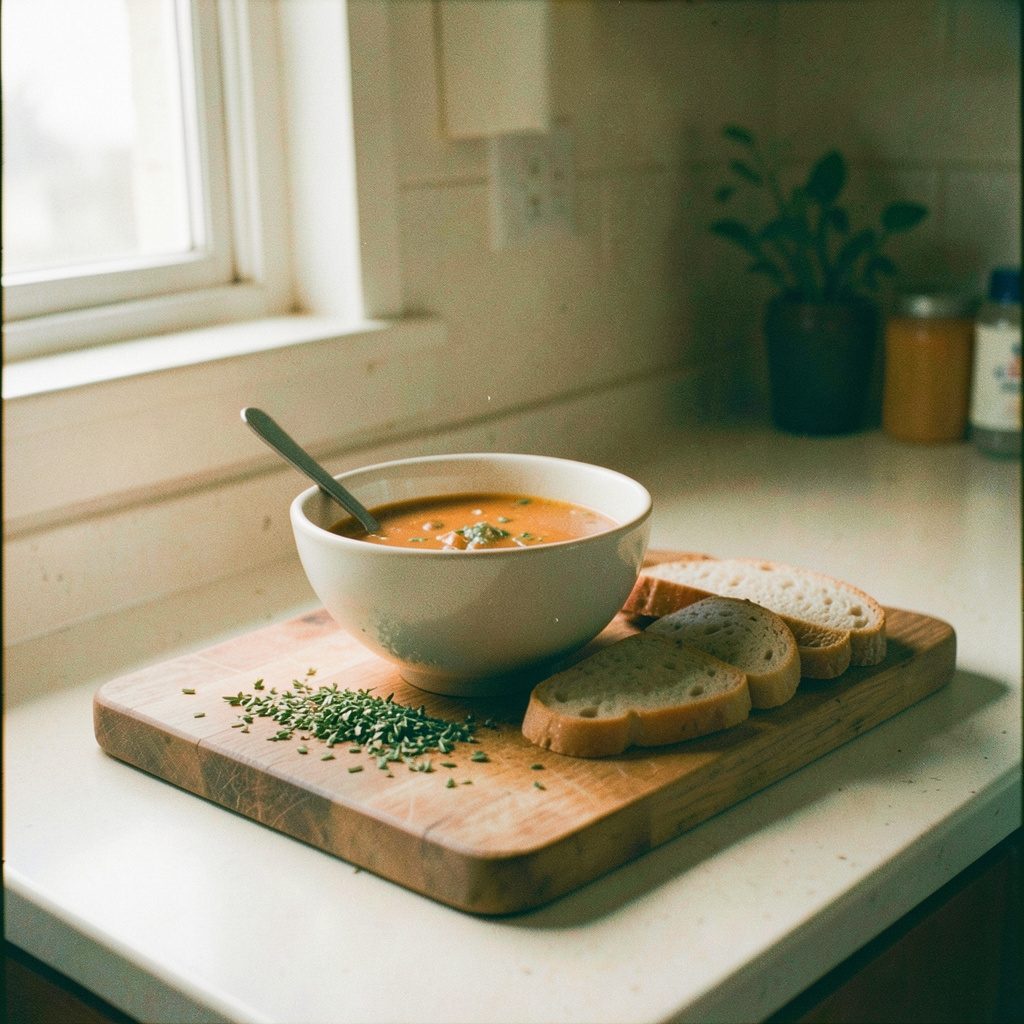
From the kitchen
A few of the meals we've been making lately.

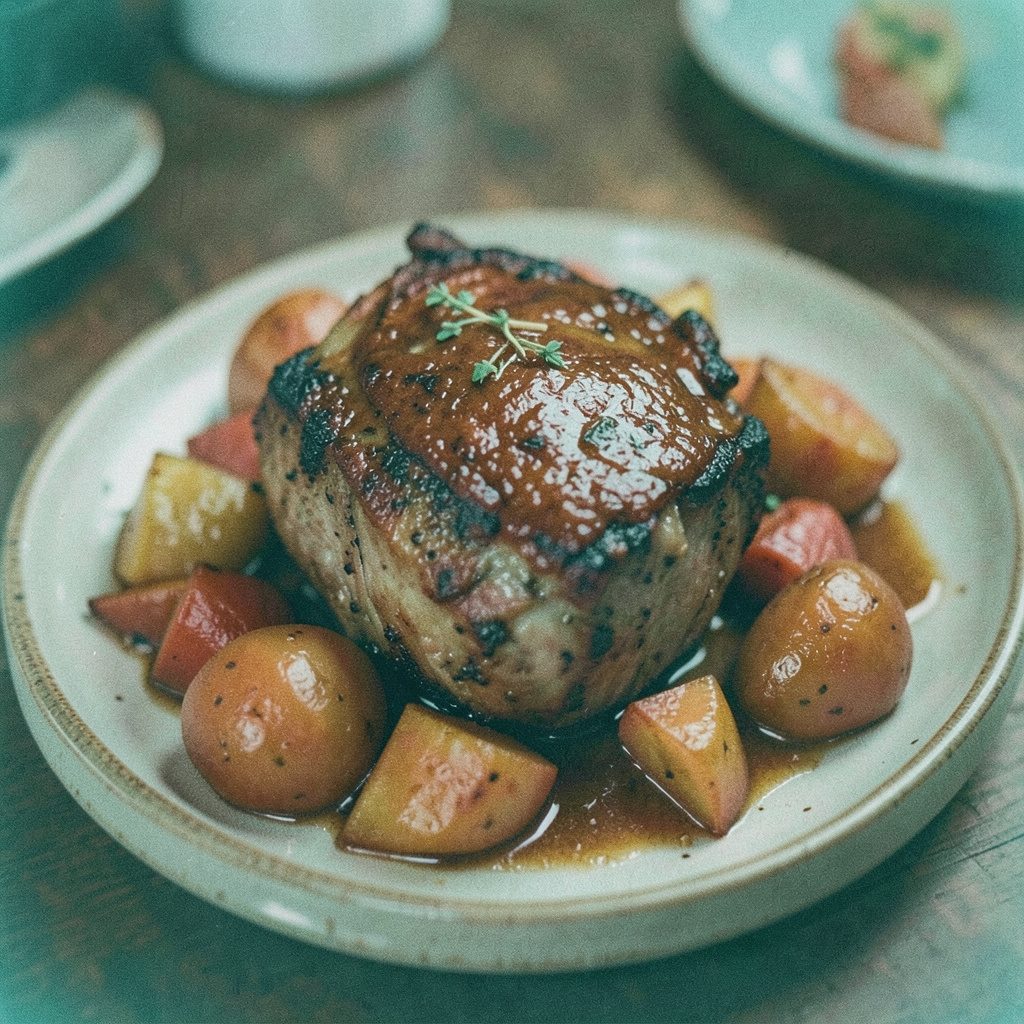

Watch & cook
Short clips from the kitchen.
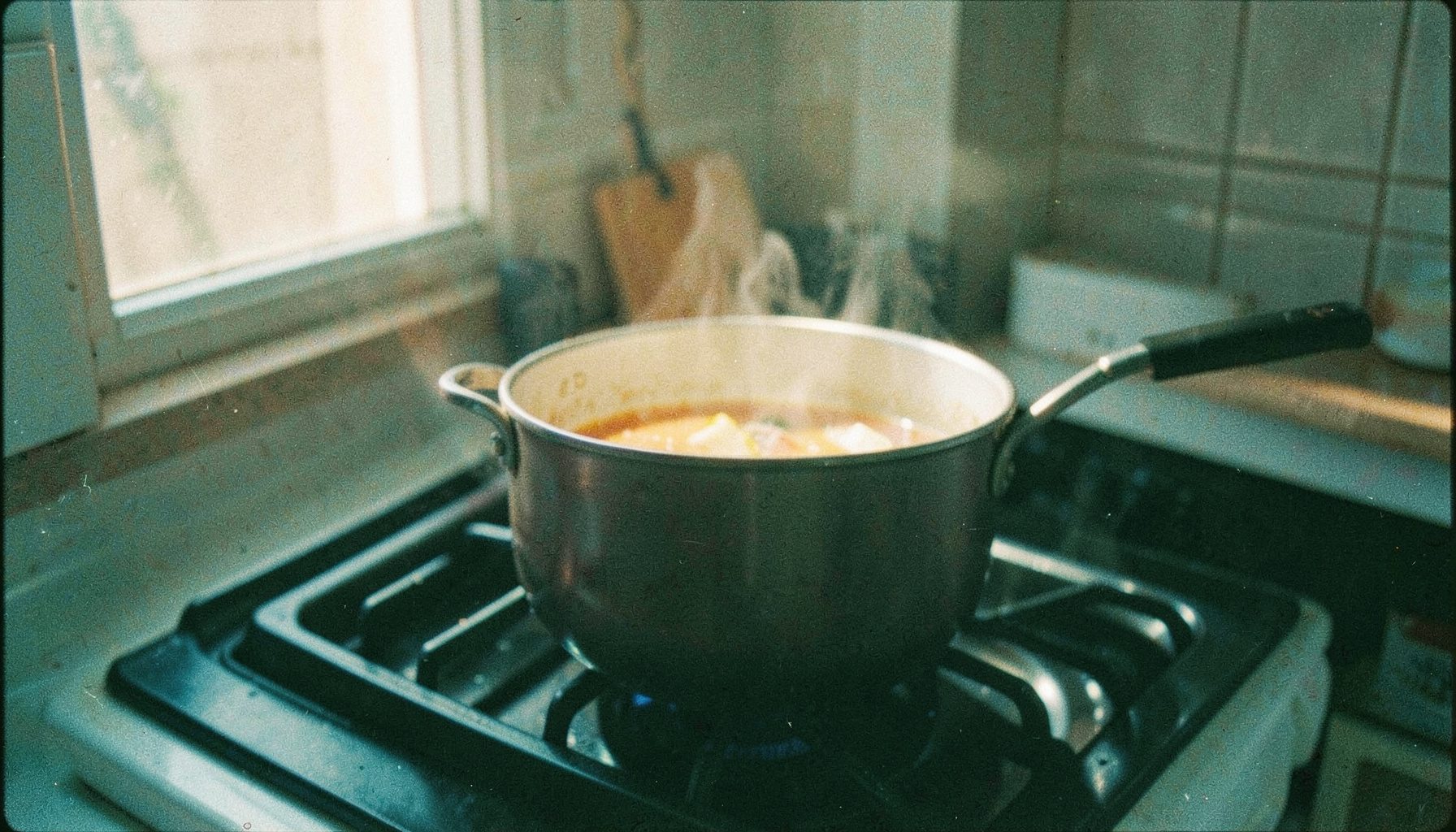 ▶
Surf and Turf in a Soup
 ▶
Clarifying Clarified Butter
 ▶
Blueberry Dumplings
How To Master The Perfect Omelette
A well-made omelette is one of the quickest ways to turn a few everyday ingredients into a satisfying meal. The eggs should be tender and softly set, the centre should stay moist, and the filling should add flavour without weighing down the delicate fold. Once the timing feels familiar, this simple dish becomes a reliable breakfast, lunch or light dinner.
The best results come from controlling three things: ingredient temperature, pan heat and movement. Fresh eggs, a little butter and a well-heated non-stick pan will take you most of the way. From there, a few small techniques will help you create a golden, neatly folded omelette with a creamy interior.
Choose Fresh Ingredients
Eggs are the foundation, so choose good-quality eggs with intact shells and a use-by date well ahead. Free-range eggs from an Australian supermarket or local farmers’ market often have rich yolks and firm whites, although freshness matters more than the label alone. For one generous omelette, use two or three eggs, depending on the size of your pan and your appetite.
Keep the filling simple. A small amount of grated cheddar, crumbled feta, sautéed mushrooms, baby spinach, spring onion or roasted capsicum can add plenty of flavour. Australian-grown avocados, tomatoes and herbs are easy choices in summer, while mushrooms and silverbeet work beautifully during cooler months.
- Two or three fresh eggs
- A teaspoon of butter or olive oil
- One small handful of grated or crumbled cheese
- A modest portion of cooked vegetables, herbs or meat
- Sea salt and freshly ground black pepper
Eggs cook quickly, so all fillings should be ready before they enter the pan. Raw onion, bacon, mushrooms and watery vegetables release moisture and can leave the omelette loose. Cook them separately, drain excess liquid and allow them to cool slightly before adding them.
Prepare The Pan And Heat
A non-stick frying pan measuring about 20 centimetres is ideal for a two-egg omelette. A smaller pan makes the mixture too thick, while a large pan spreads the eggs thinly and makes folding difficult. Keep a flexible silicone spatula nearby, along with a warm plate for serving.
Preheat the pan over medium-low heat for a minute or two. Add the butter and watch closely: it should melt and foam gently without turning brown. If the butter sizzles aggressively or darkens immediately, the pan is too hot. Reduce the heat before adding the eggs.
A gas cooktop in a warm Brisbane kitchen may heat the pan faster than expected, while an electric hob can take longer to respond when the temperature is lowered. Learn how your own stove behaves rather than relying only on a recipe timer. Gentle, steady heat gives the eggs time to set evenly.
Beat The Eggs Properly
Crack the eggs into a bowl and beat them with a fork until the whites and yolks are fully combined. You do not need to whisk in lots of air. Excessive beating creates a foamy mixture that can cook unevenly and produce a spongy texture.
Season the eggs just before they go into the pan. A pinch of salt and a little pepper are enough, especially if the filling includes feta, smoked salmon, bacon or a strongly flavoured cheese. For a softer texture, add a teaspoon of milk, cream or water, though fresh eggs cooked gently usually need no extra liquid.
Pour the mixture into the foaming butter and immediately tilt the pan so the eggs cover the base. Wait a few seconds, then use the spatula to draw the cooked edges towards the centre. Tilt the pan again so the uncooked egg runs into the gaps.
Control The Cooking Texture
Continue moving the egg gently until the base is mostly set but the surface remains glossy. This stage is the key to a tender omelette. If the egg is completely firm before the filling is added, the finished result will be dry and may crack during folding.
Lift the edges occasionally to check the colour underneath. A pale golden base is ideal. Deep browning brings a toasted flavour but can overpower the delicate egg. If the base is colouring too quickly, briefly remove the pan from the heat or lower the burner.
- Stir the eggs gently during the first few seconds
- Leave the surface slightly glossy before adding the filling
- Use low to medium-low heat rather than a fierce flame
- Remove the pan from heat if the base browns too quickly
For a French-style omelette, keep the surface almost pale and soft, with little or no browning. For a more rustic Australian café-style version, a light golden underside is perfectly appealing. The important point is to avoid firm, rubbery curds.
Add Filling With Restraint
Place the filling across the centre or over one half of the omelette. Resist the temptation to add everything in the refrigerator. Too much cheese, meat or vegetables makes the omelette heavy and prevents a clean fold.
Cheese should have a moment to soften from the heat of the eggs. A little mature cheddar, goat’s cheese or grated mozzarella is enough for two eggs. Add delicate herbs such as chives, parsley or coriander at the end, so their flavour stays fresh.
Cooked leftovers are useful here. Roast pumpkin, grilled zucchini, shredded chicken or a spoonful of leftover ratatouille can become a colourful filling. In Sydney or Melbourne, seasonal produce from a weekend market can give a simple omelette a distinctly fresh character without requiring a complicated recipe.
Fold And Serve Neatly
Slide the spatula around the edge to loosen the omelette. Tilt the pan towards the plate and use the spatula to fold one side over the filling. You can fold it in half for a classic crescent shape or roll it gently for a longer, softer finish.
Move confidently but gently. The omelette continues cooking from residual heat, so it is better to plate it while the centre still looks slightly soft. A few seconds on the warm plate will finish the eggs without drying them out.
Serve immediately with sliced tomato, dressed rocket, toasted sourdough or a crisp green salad. For an Australian breakfast or brunch, avocado and grilled mushrooms make satisfying additions. A spoonful of tomato relish or chilli oil can provide brightness, while fresh herbs keep the plate colourful.
Fix Common Omelette Problems
A dry omelette usually means the pan was too hot, the eggs cooked for too long or the mixture was left in the pan while the filling was prepared. A torn omelette often contains too much filling, or the eggs were folded before the base had set enough to support them.
If the centre remains liquid while the base is firm, lower the heat and gently push the cooked egg towards the middle. You can also cover the pan for 20 to 30 seconds, allowing steam to set the surface. Avoid turning up the heat, which will burn the underside before the middle is ready.
When the omelette sticks, the pan may be worn, insufficiently heated or too dry. Use a small amount of butter or oil and make sure the cooking surface is clean. A quality non-stick pan should release the eggs easily, but it still benefits from careful heat control and gentle utensils.
Explore Easy Omelette Variations
Once the basic method is consistent, vary the flavour according to the season. Try corn, spring onion and cheddar; mushrooms with thyme and goat’s cheese; or spinach with feta and roasted capsicum. Leftover roast vegetables can be chopped finely and warmed before they are added.
For a heartier meal, add a small amount of smoked trout, shredded roast chicken or crisp bacon. Keep protein portions modest so the egg remains the main feature. A pinch of smoked paprika, cumin or Australian native pepper can change the character of the dish without complicating the method.
Sweet omelettes are also possible, although they need a separate pan and clean utensils. Cook the eggs with minimal salt, then add ricotta, berries and a little honey after folding. This makes a gentle breakfast option for a relaxed weekend in Perth, Adelaide or anywhere a simple market haul inspires the menu.
The perfect omelette is defined by softness, balance and timing rather than elaborate equipment. Prepare the fillings first, use moderate heat and remove the pan while the eggs still look tender. With a little practice, you can make a fresh, colourful omelette whenever a quick homemade meal is needed.
Gather a few fresh Australian ingredients, warm the pan and practise the fold today. Small adjustments in heat and timing will quickly turn this everyday dish into a dependable favourite for breakfast, lunch or dinner.
Meet the cooks
Two friends, two kitchens, one shared notebook.

Jessica
"I write down what worked, what flopped, and what to try next week."

Kathrin
"Recipes should leave room for the fridge and the season."
Get in touch
We read every message.