Easy, Fresh and Colorful Meals
A friendly food journal by Jessica and Kathrin, gathering simple soups, bright vegetables, and quick weeknight fixes for cooks who want to put a good meal on the table without fuss.
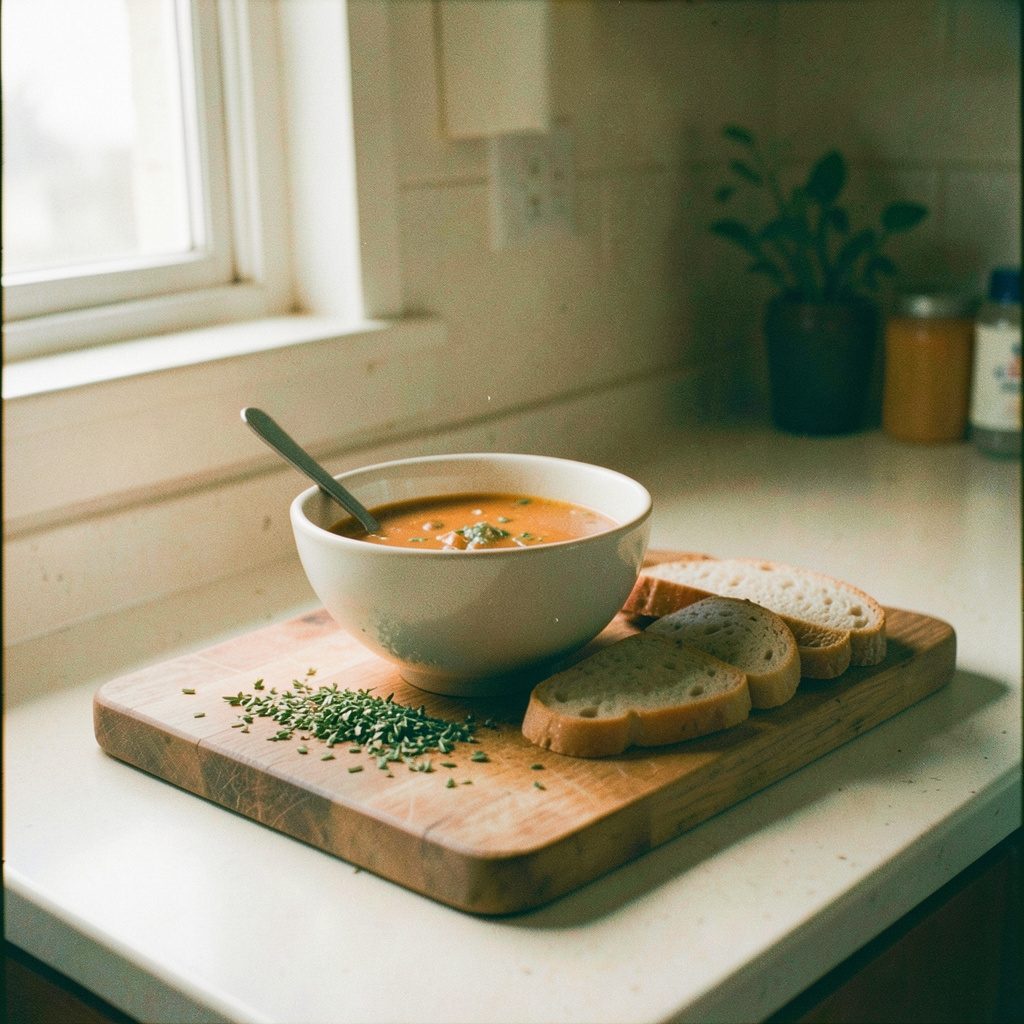
From the kitchen
A few of the meals we've been making lately.
Watch & cook
Short clips from the kitchen.
 ▶
Surf and Turf in a Soup
 ▶
Clarifying Clarified Butter
 ▶
Blueberry Dumplings
Steamed artichokes with bright garlic lemon butter
Globe artichokes bring a quiet luxury to the table, yet they are much easier to cook than their prickly appearance suggests. The leaves peel away to reveal a tender, faintly sweet centre, and warm garlic lemon butter turns a simple vegetable into a satisfying shared dish.
Our favourite method steams them gently, seasons the pot and lets everyone dip each leaf in extra butter. It is elegant enough for Easter lunch, relaxed enough for a Tuesday dinner and ideal when you want something colourful without a long ingredient list. The quantities here make four servings.
Choose artichokes at their seasonal best
Fresh globe artichokes are at their best in much of Australia from March into June, although local harvests vary between the eastern states and Western Australia. This is the window to visit a produce stall at Melbourne’s Queen Victoria Market or Adelaide’s Central Market and buy them by the piece. Woolworths and Coles also carry globe artichokes, sometimes in smaller, pre-trimmed form that is useful for cooking for one or two.
Choose heads that feel heavy for their size, with tightly packed green or purple-green leaves. Avoid any that look dry, brown around the edges or have begun to open wide. A small artichoke is not necessarily a poor choice: its centre may be especially tender, and smaller pieces steam more quickly. Very young artichokes can be cooked whole, while fuller heads usually need their tops and tough outer leaves removed.
Trim the leaves and prepare the centres
Start by rinsing each artichoke under cold water. Cut off the stem at the base, then use a serrated knife to remove the top third, including the prickly tips. Rub the exposed surfaces with a cut lemon to slow browning. This matters in a busy kitchen, but it also gives the finished vegetable a fresh citrus note.
Pull off the tough outer leaves, snapping them downwards at their base, until only two or three layers of pale, compact leaves remain. Cut the artichoke in half lengthways and use a small spoon to scrape away the fuzzy choke in the centre. For a more leisurely presentation, leave the artichoke whole and simply trim away the top. Halving it exposes more of the centre to steam and shortens the cooking time.
A brief soak in cold water with a squeeze of lemon helps keep the cut surfaces green. Use it if you are preparing several batches, but drain the artichokes before they go into the steamer. The goal is clean, intact centres rather than waterlogged leaves.
Steam the artichokes until tender
Fill a saucepan with about 1 litre of water, then squeeze in the juice of half a lemon. Add a few thin lemon slices and bring the water just to a simmer. A vigorous boil can make the leaves and fibres tough, so keep the bubbles small and gentle.
Place the artichokes in a steaming basket, cut side up, or in a heatproof bowl set on a trivet above the water. Cover tightly and steam halved artichokes for 12 to 18 minutes. Whole, small artichokes usually need 15 to 20 minutes, while large ones can take 25 to 30. If the pot is crowded, use two batches rather than stacking the pieces unevenly.
Check the thickest part near the base with the tip of a knife. It should slide into the centre with little resistance, while the leaves remain attached. If the knife meets hard resistance, give the artichokes another five minutes and test again. Drain them well and keep them warm while you finish the butter.
Make the garlic lemon butter
Warm 60 ml of unsalted butter in a small pan with two crushed garlic cloves and one teaspoon of finely grated lemon zest. Let the butter foam gently for a minute, then remove it from the heat so the garlic does not darken. Stir in the juice of a second lemon, about one tablespoon, and a pinch of fine salt until the sauce looks creamy and smells rich rather than burnt.
For a lighter finish, whisk the lemon juice into the warm butter instead of cooking the garlic in it. You can also stir in a spoonful of olive oil for a deeper colour and a slightly grassy edge. Keep the butter in a small bowl at the table and let everyone spoon it over the hot artichokes as they eat.
Pair them with an Australian table
The best accompaniment is something simple: crusty bread for catching the butter, a bowl of dressed salad leaves and perhaps a plate of antipasti. We also like steamed artichokes beside lamb cutlets fresh off a backyard barbecue, where the cool, sweet centres balance the salty meat. The vegetables are substantial enough to stand on their own at a casual gathering.
For an Easter lunch, add braised lamb or slow-cooked beef and let the artichokes begin the meal. In warmer weather, serve them with green beans and a chilled Australian white. Sparkling water with lemon works just as well as wine, and the dish stays light enough for a long afternoon outdoors.
Finish with chopped parsley, mint or chives if you have them. Fresh herbs are plentiful at weekend produce markets, while dried chives can provide a similar colour and a concentrated onion note. Taste the butter before serving and add more lemon if the garlic has softened its sharpness.
Compare the cooking methods
Steaming is the gentlest method, but boiling and roasting offer useful alternatives. A pressure cooker is another fast option for a whole head, provided the artichoke sits upright and the cooking liquid does not rise over the vegetables. These choices change both the texture and the amount of attention the dish needs.
Compare the results before deciding which suits the meal. Lemon in the steaming liquid keeps the centres bright, while dry heat encourages a more caramelised flavour.
| Method | Texture and flavour | Approximate cooking time | Best for |
|---|---|---|---|
| Steaming | Tender leaves and a moist, delicate centre | 12–18 minutes for halves | A clean, vegetable-forward result |
| Boiling | Softer and more uniformly tender | 12–16 minutes for halves | Speed and minimal attention |
| Roasting | Charred edges with a firmer, sweeter centre | 35–45 minutes at 200°C for halves | Caramel and crisp contrast |
| Pressure cooking | Very soft centres with compressed leaves | 10–12 minutes at high pressure, then release | Whole heads on busy days |
Make the dish a relaxed shared meal
For simple serving, set the pot in the middle of the table with the garlic lemon butter in a jug, a small fork for pulling away the leaves and a bowl for discarded fibres. Encourage diners to work from the outside in: scrape the leaves with a fork, dip them in butter and leave the hairy choke behind. A little preparation makes the experience calm rather than fiddly.
Keep these practical choices in mind when shopping and cooking:
- Choose compact, heavy artichokes with fresh green or purple leaves, especially between March and June.
- Rub cut surfaces with lemon and soak them briefly if you need to prepare ahead.
- Keep the steaming water at a gentle simmer rather than a hard boil.
- Test the thickest part near the base before serving.
- Warm the butter gently, add the lemon off the heat and taste for balance.
- Serve immediately with bread, herbs and enough napkins for happy leaf-peeling.
Make a double batch, invite friends around and serve the artichokes with a generous pour of warm garlic lemon butter. Fresh seasonal produce, careful trimming and a little patience are all you need for a memorable meal.
Meet the cooks
Two friends, two kitchens, one shared notebook.

Jessica
"I write down what worked, what flopped, and what to try next week."

Kathrin
"Recipes should leave room for the fridge and the season."
Get in touch
We read every message.