Easy, Fresh and Colorful Meals
A friendly food journal by Jessica and Kathrin, gathering simple soups, bright vegetables, and quick weeknight fixes for cooks who want to put a good meal on the table without fuss.
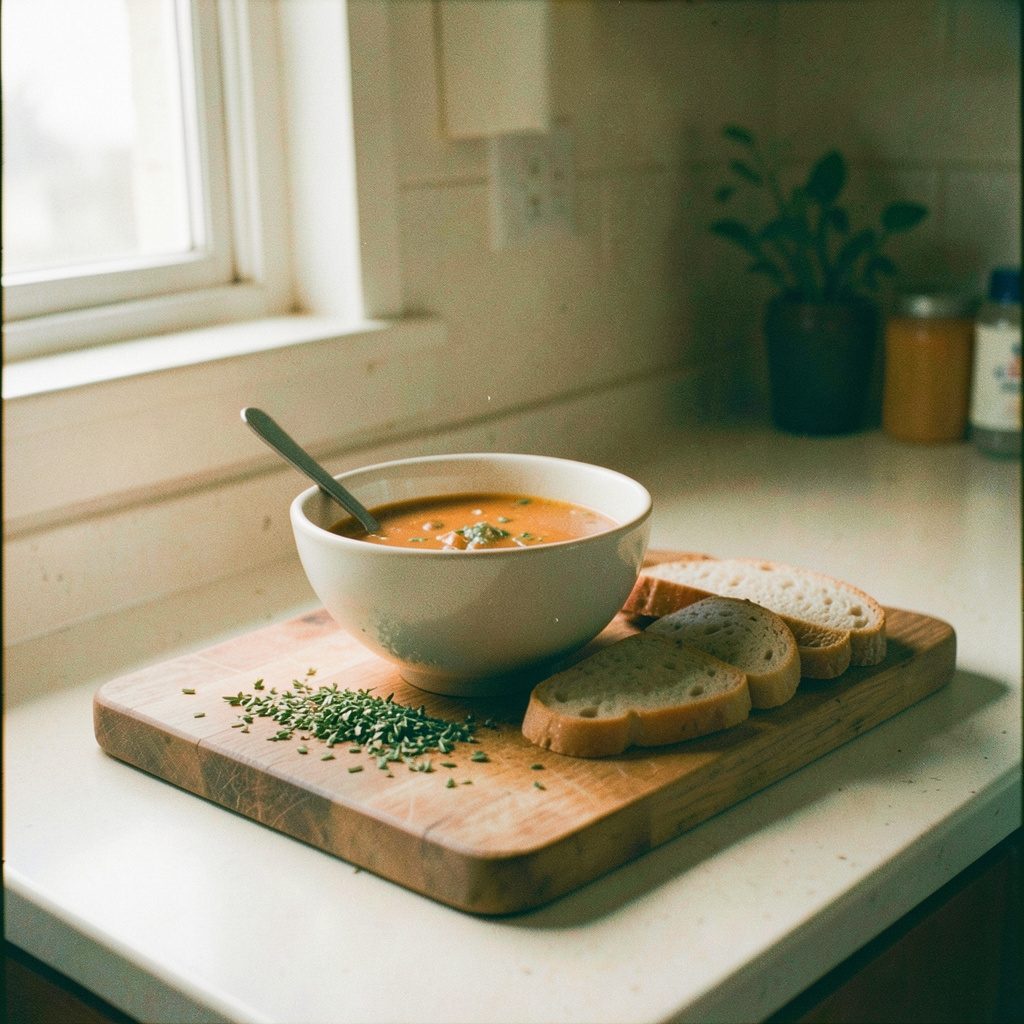
From the kitchen
A few of the meals we've been making lately.
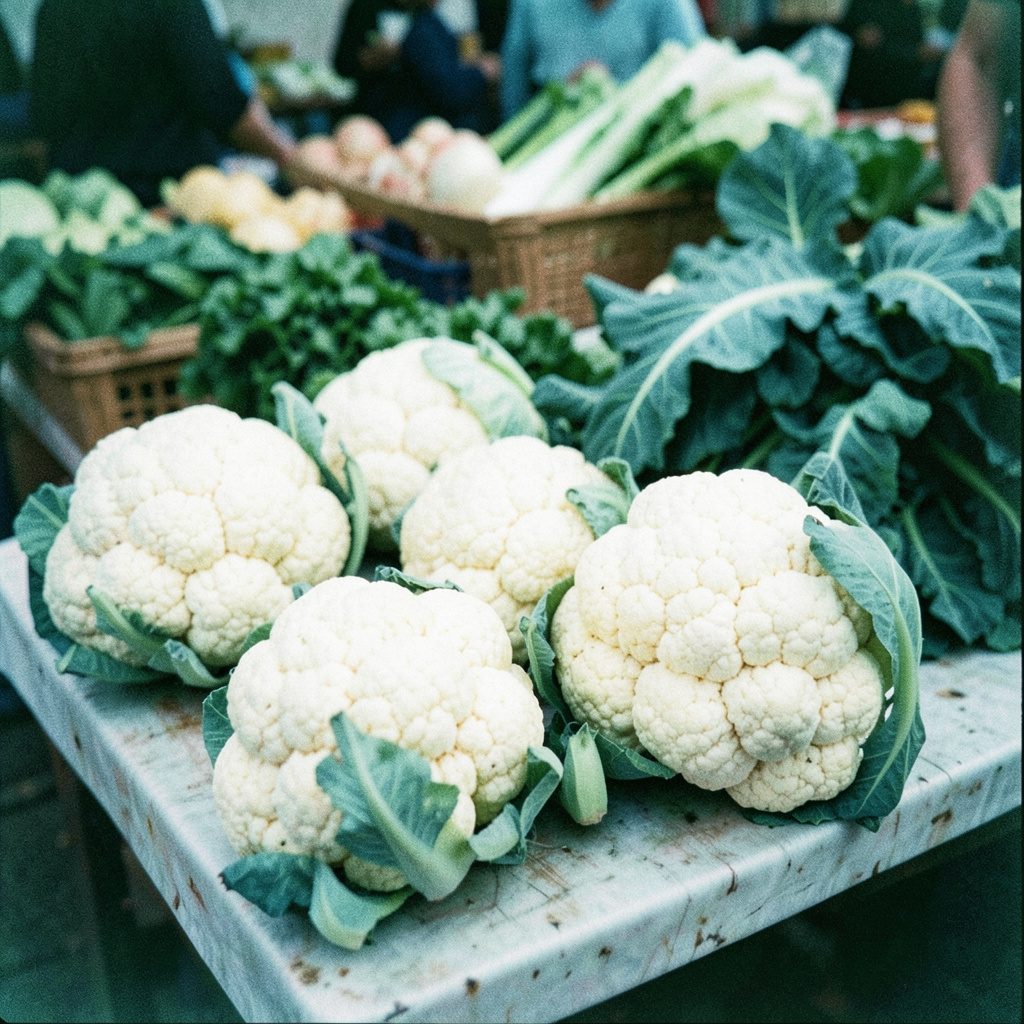
Watch & cook
Short clips from the kitchen.
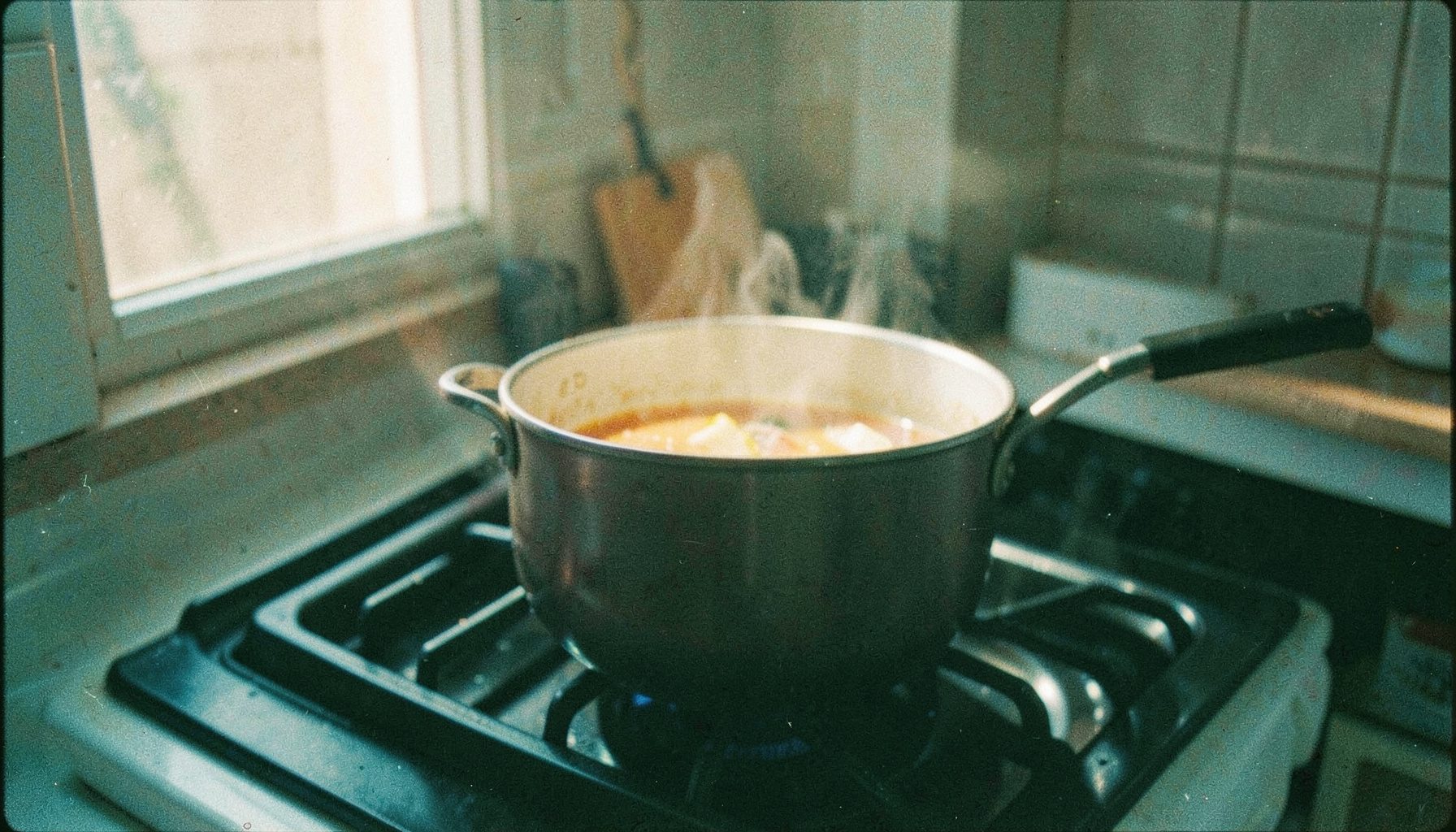 ▶
Surf and Turf in a Soup
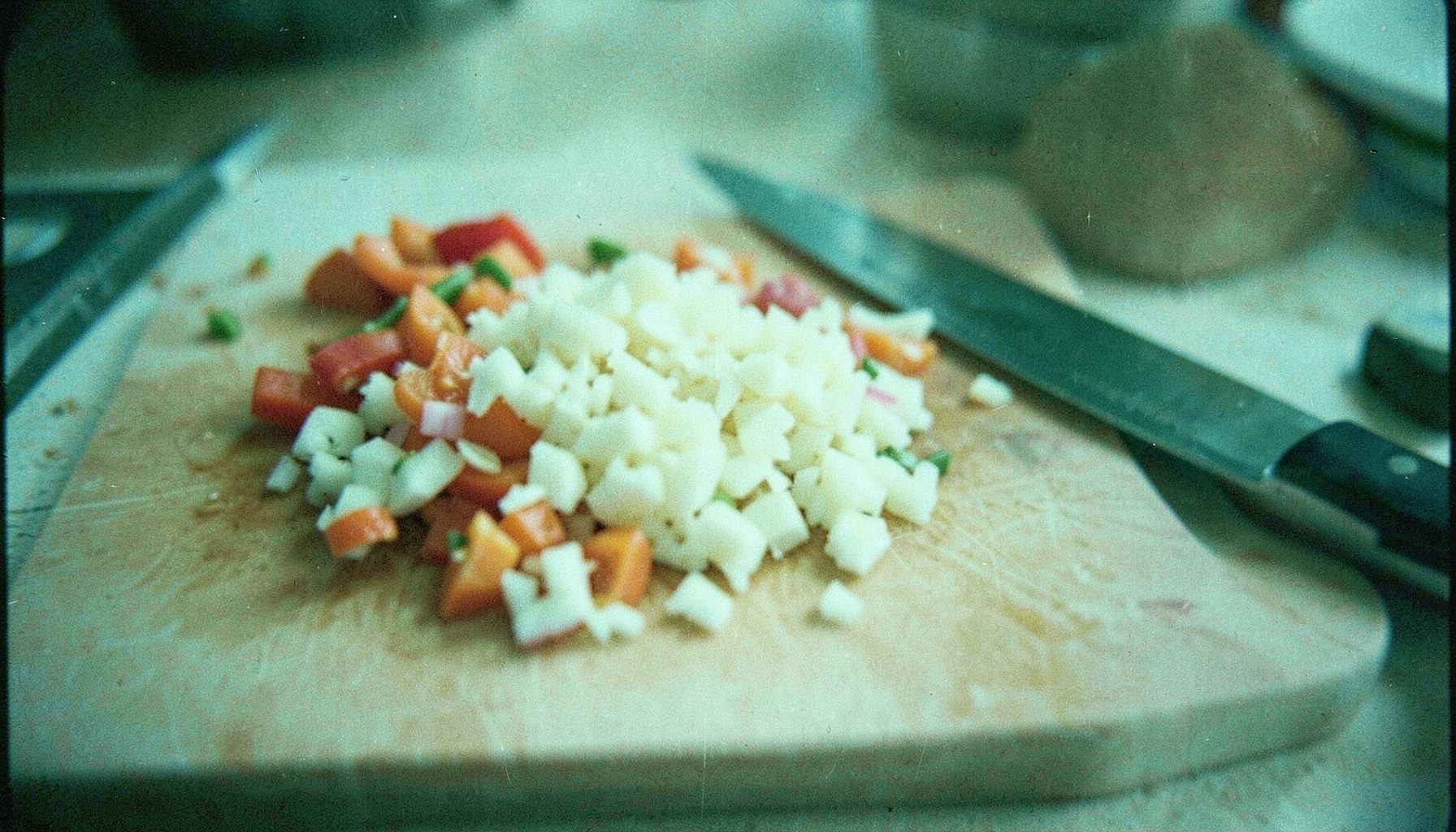 ▶
Clarifying Clarified Butter
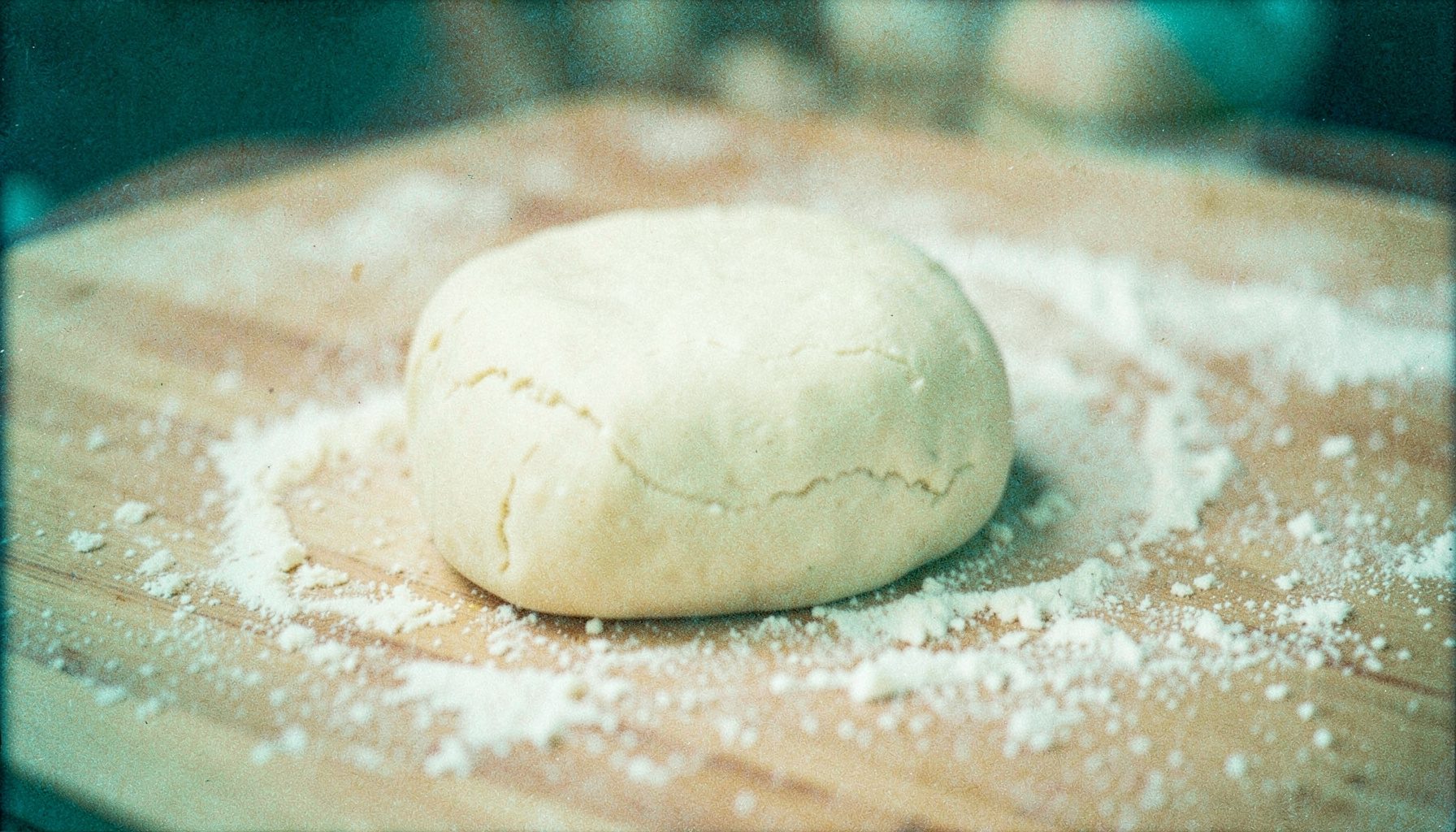 ▶
Blueberry Dumplings
Crunchy oven-baked chicken tenders with honey mustard
Few dinners earn the same reaction as a hot, properly crisp chicken tender. The secret lies in a smart coating and a hot oven. These tenders develop a satisfying crunch while the centre stays juicy and tender. They suit busy Australian weeknights and relaxed weekend tray bakes alike.
Honey mustard brings sweet depth and gentle sharpness without making the crust heavy. Brushing it onto the chicken before adding breadcrumbs seasons each strip from the inside out and helps lock in moisture. The result is golden, savoury and easy to serve with fresh vegetables.
A crispy dinner for busy Australian kitchens
Chicken tenderloins are naturally quick to cook because they are thin and tender. Their shape also gives them plenty of surface area for a generous coating. Unlike larger chicken breasts, they rarely need long cooking, making them useful when dinner needs to be ready before everyone finishes their activities.
A wire rack set over a baking tray is ideal because hot air can circulate beneath each piece. It keeps the underside from steaming and helps the crumbs stay crisp. If you do not own a rack, a lightly oiled tray still works, although the bottom coating may be slightly softer.
Choose the chicken and set up the coating
Buy about 500 g of chicken tender strips, which serves four as a main meal. Woolworths and Coles commonly label these pieces as chicken tenderloins, chicken strips or chicken fingers, so check the description rather than relying on one product name. Weigh the pack if the sizes differ, as very thick pieces will need several extra minutes.
For the coating, you need 75 g of plain flour, 90 g of panko or plain breadcrumbs, 2 tablespoons of honey, 1 tablespoon of wholegrain mustard and 1 tablespoon of milk or water. Smoked paprika, garlic powder, salt and black pepper provide the seasoning. Australian bakers often favour panko for its coarse, airy crumbs, while fine breadcrumbs create a smoother shell. Choose Australian honey from a local market or regional producer when you want a more pronounced floral flavour.
Layer the honey mustard crust
Whisk the honey, mustard and milk or water in a shallow bowl until smooth. Add a pinch of salt and black pepper, then set the mixture aside. The mustard should remain slightly grainy if using wholegrain mustard; that texture works particularly well against the crunchy crumbs.
Place the seasoned flour in another shallow bowl and the breadcrumbs in a third. Pat each chicken piece dry with paper towel, then coat it lightly in flour. Shake away the loose flour before moving the chicken into the honey mustard mixture, turning and pressing it so every side is covered.
Lift the chicken from the wet bowl and press it firmly into the breadcrumbs. Turn it once more and press the crumbs onto any exposed areas. This firm layer is what creates a substantial crust. Arrange the pieces on the rack with space between them, then spray lightly with cooking oil for deeper colour and extra crispness.
Bake for maximum crunch
Preheat the oven to 220°C conventional or 200°C fan-forced. Bake the chicken for 10 minutes, then turn each piece with tongs and spray the exposed coating lightly with oil. Continue cooking for another 10 to 14 minutes, depending on thickness, until golden and crisp.
A food probe inserted into the thickest part should read at least 74°C. This follows Food Standards Australia and New Zealand guidance for safely cooking poultry. Colour is useful for judging the crumbs, but the internal temperature is the reliable check. Transfer the tenders to a plate and rest them for three minutes before serving so the juices settle.
If the crumbs darken before the chicken reaches the required temperature, move the tray to a lower shelf or reduce the oven temperature slightly. Continue cooking until safe, then re-crisp the coating under the grill for a minute if needed. Avoid adding extra honey at the end because it can burn and make the crust sticky.
Add fresh sides for a complete meal
Serve the tenders with a crisp salad of rocket, cucumber, radish, cherry tomatoes and a simple lemon dressing. The fresh vegetables balance the rich honey mustard coating and add colour to the plate. Roasted pumpkin, green beans or crushed potatoes also work well, especially on a cooler evening.
These strips fit the rhythm of Australian households, from a compact Sydney apartment to a busy Melbourne family kitchen. In Brisbane’s warmer months, serve them with salad or wrap them in flatbread with yoghurt and herbs. Their bite-sized shape also makes them convenient for after-school lunchboxes and park picnics. Refrigerate leftovers promptly and use them within three to four days.
Compare coating choices
The coating you choose affects the final texture, colour and cooking time. The options below range from a light, craggy crust to a softer, more familiar breadcrumb shell.
| Coating | Texture and flavour | Best for | Useful note |
|---|---|---|---|
| Panko breadcrumbs | Light, extra-craggy and neutral | The crispest everyday result | Press firmly onto the wet chicken; often wheat-based |
| Fine breadcrumbs | Even golden shell with a softer crunch | A familiar family-style texture | Light oil helps the coating brown evenly |
| Crushed cornflakes | Very crisp with a faint sweetness | Adding variety to the menu | Pulse coarsely so the pieces do not turn into powder |
| Rolled oats | Nutty and moderately crisp | Using ingredients already in the pantry | Pulse finely and mix with breadcrumbs for better structure |
Australian packaged-food labels must declare ingredients such as wheat, soy and sesame when they are present or derived from listed allergens. Check the labels on breadcrumbs, oats and cooking sprays, especially when serving someone with an allergy. Oats can also carry gluten contamination, so they may not suit someone avoiding gluten.
Make it a repeatable family favourite
Turn this method into a simple routine and the result becomes dependable rather than complicated. Measure the dry ingredients by weight, keep the three coating bowls in order and use the same shallow dishes each time. They can then work like a small home assembly line without leaving a pile of dirty plates.
- Use a wire cooling rack over a baking tray so the underside of each tender stays dry and crisp.
- Pat the chicken thoroughly before coating it, since surface moisture softens flour and crumbs.
- Press the breadcrumbs on firmly rather than sprinkling them loosely, as a thicker crust holds better.
- Double the honey mustard mixture when cooking for a crowd, but prepare the second batch of crumbs just before baking.
- Keep uncooked coated chicken chilled while the first tray cooks so the coating does not absorb moisture.
- Reheat leftovers on a rack at 200°C for eight minutes, turning once, until the edges crisp again.
Tonight, preheat the oven, set out the flour, mustard and crumbs, and let the oven’s heat build while you coat the chicken. Serve the tenders straight from the tray with a fresh salad, then keep any extras for a quick lunchbox lunch or crisp reheated dinner.
Meet the cooks
Two friends, two kitchens, one shared notebook.

Jessica
"I write down what worked, what flopped, and what to try next week."

Kathrin
"Recipes should leave room for the fridge and the season."
Get in touch
We read every message.