Easy, Fresh and Colorful Meals
A friendly food journal by Jessica and Kathrin, gathering simple soups, bright vegetables, and quick weeknight fixes for cooks who want to put a good meal on the table without fuss.
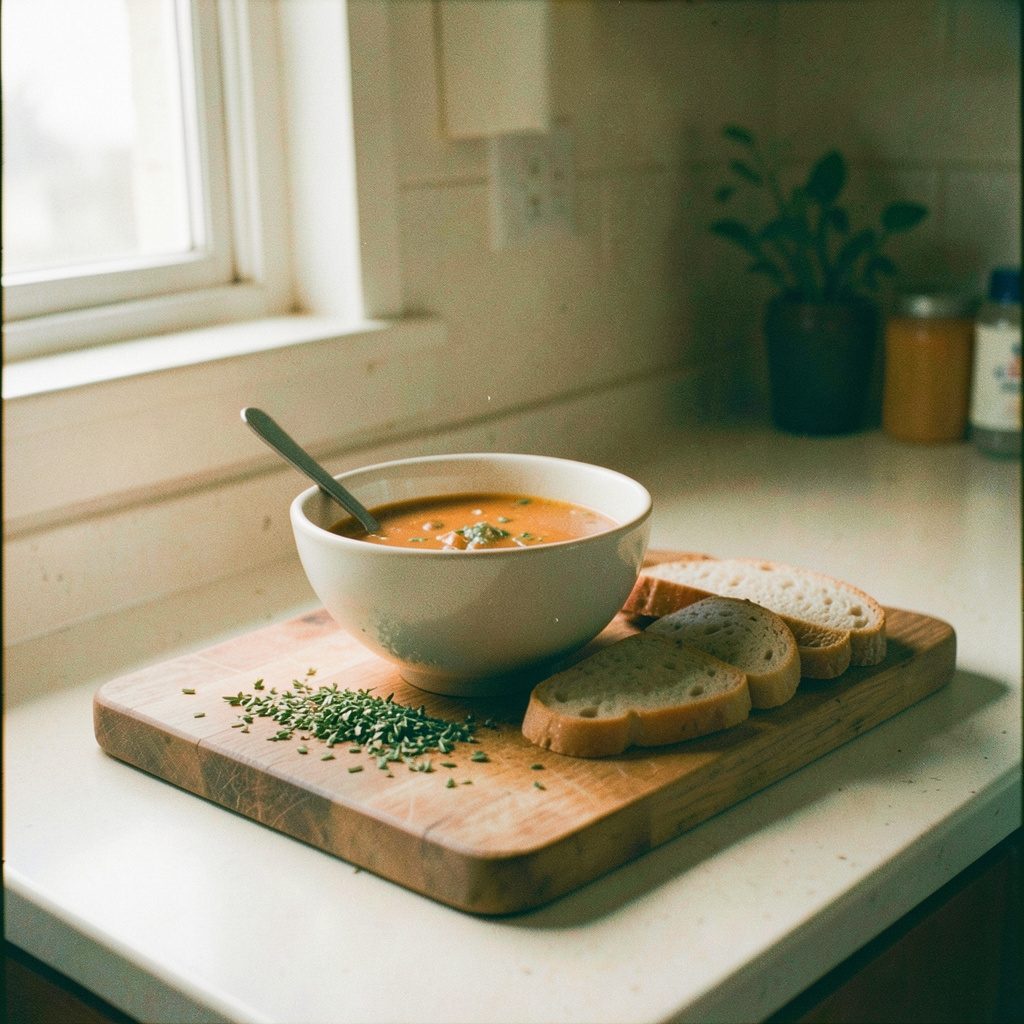
From the kitchen
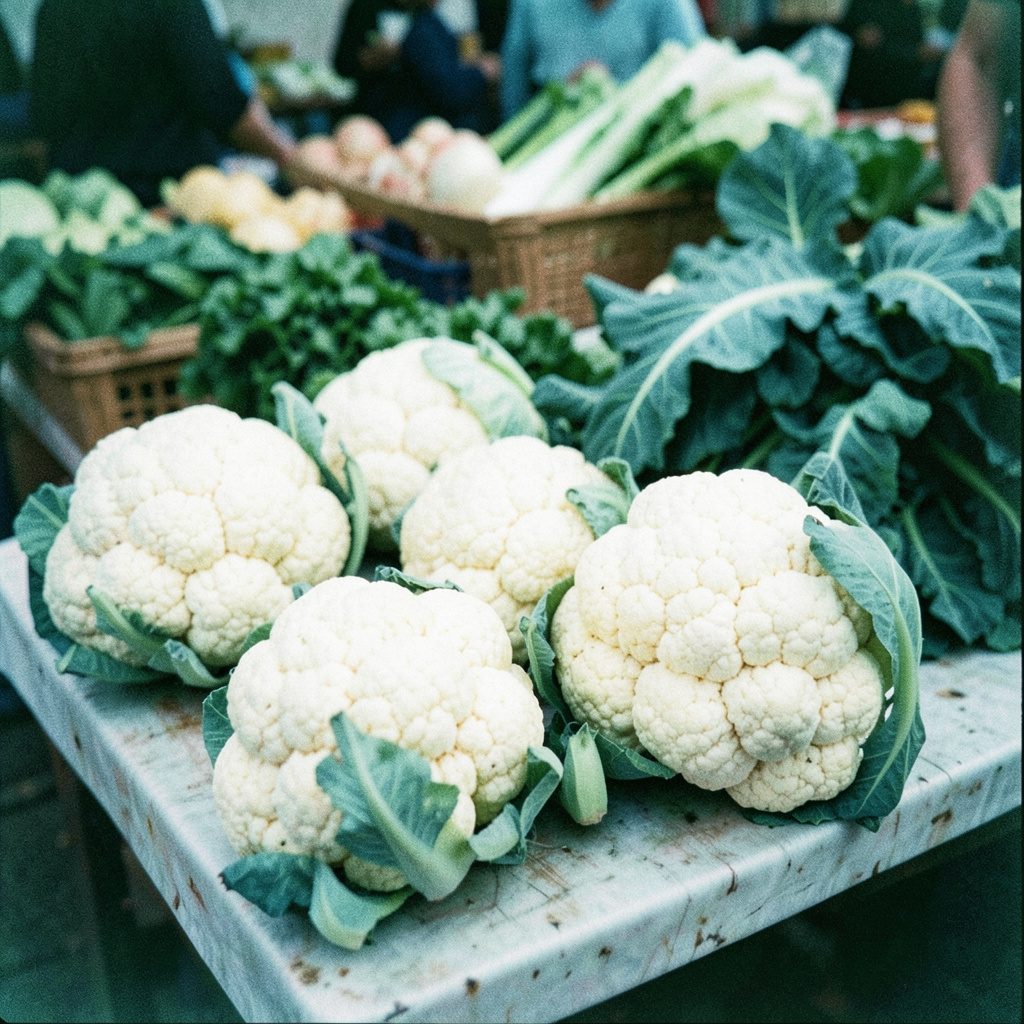
A few of the meals we've been making lately.
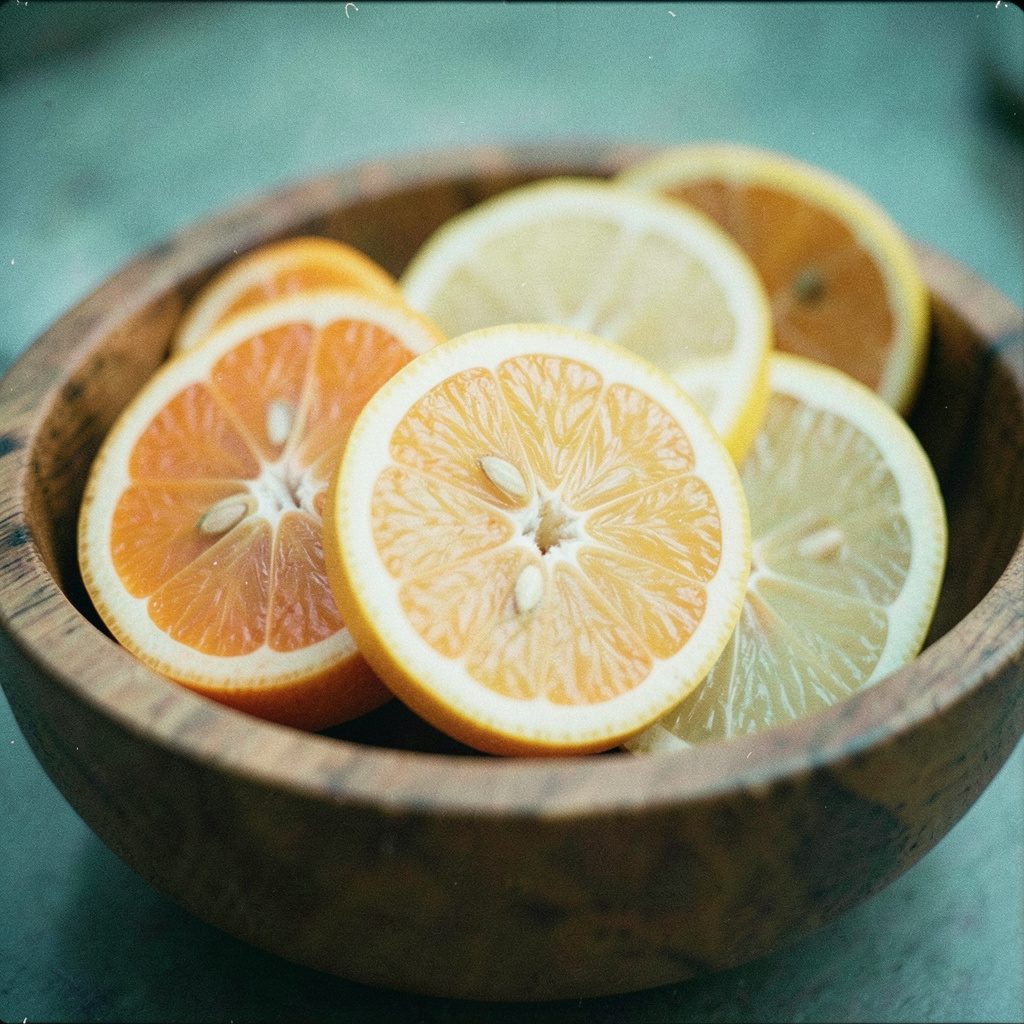
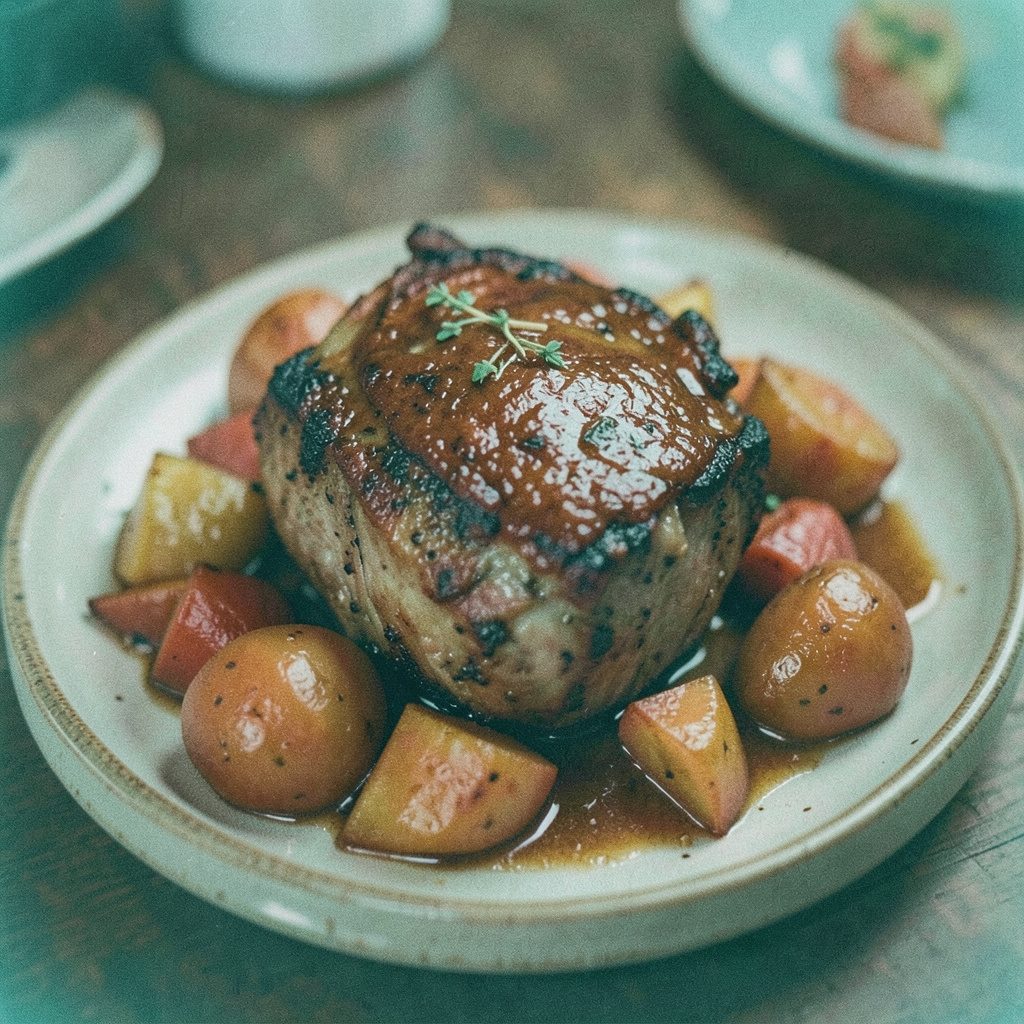
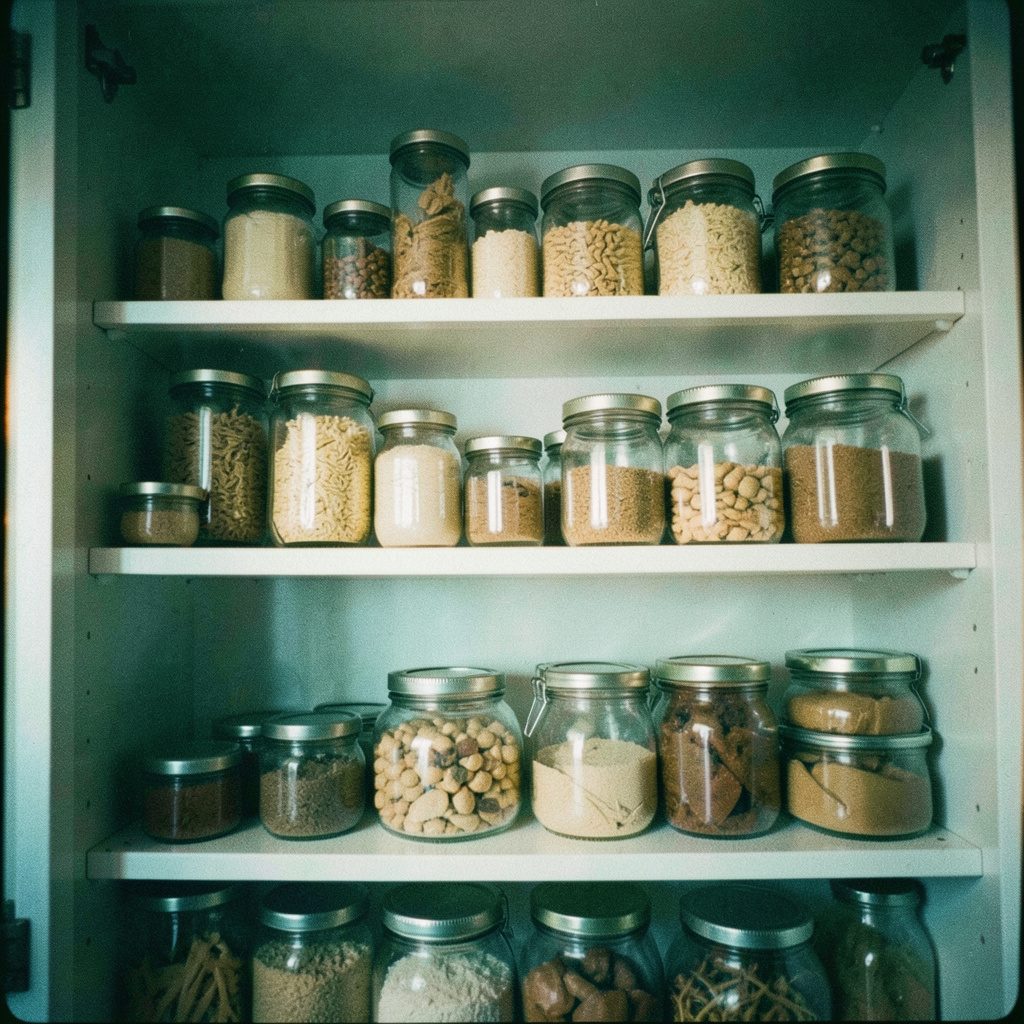
Watch & cook
Short clips from the kitchen.
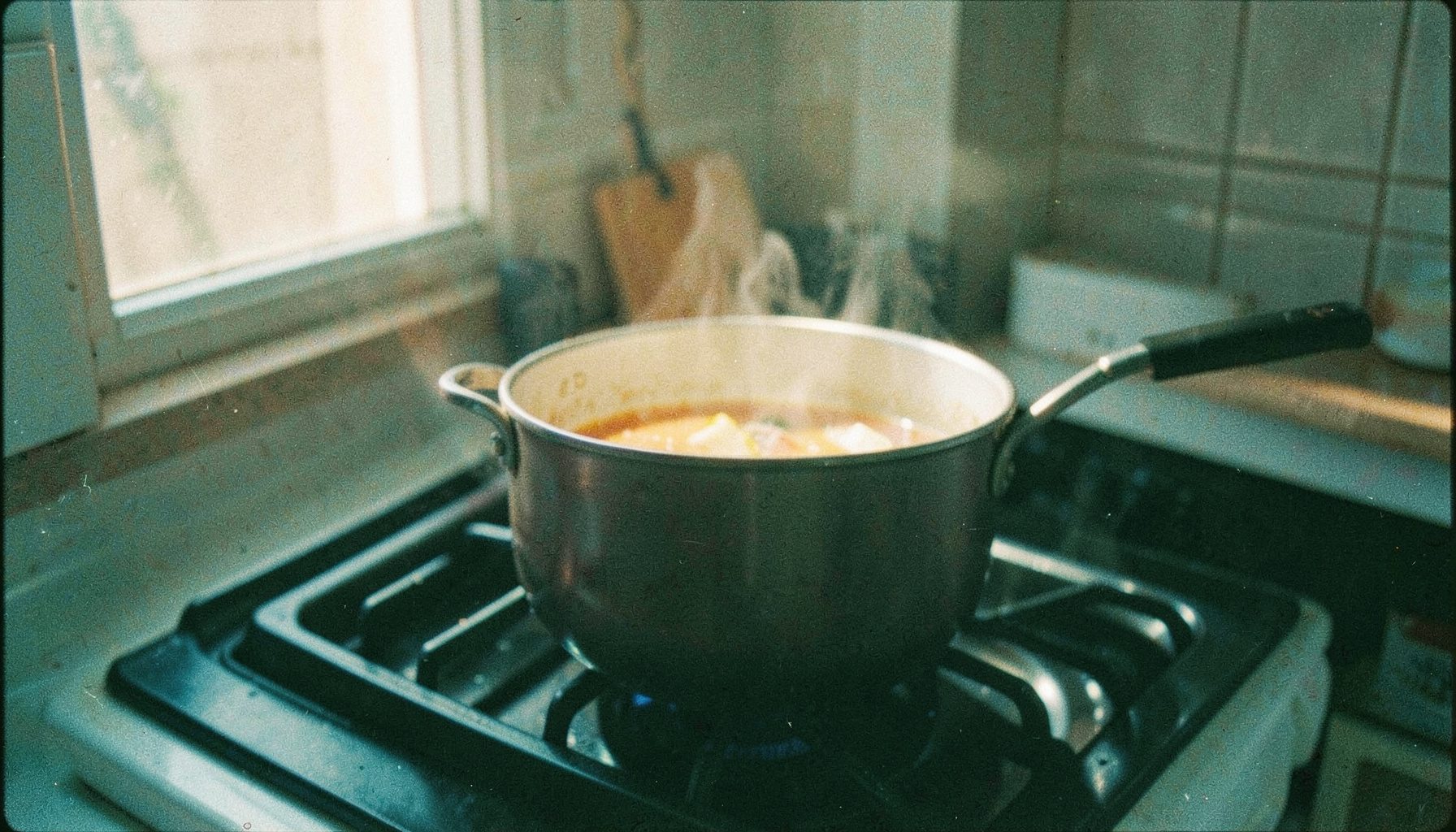 ▶
Surf and Turf in a Soup
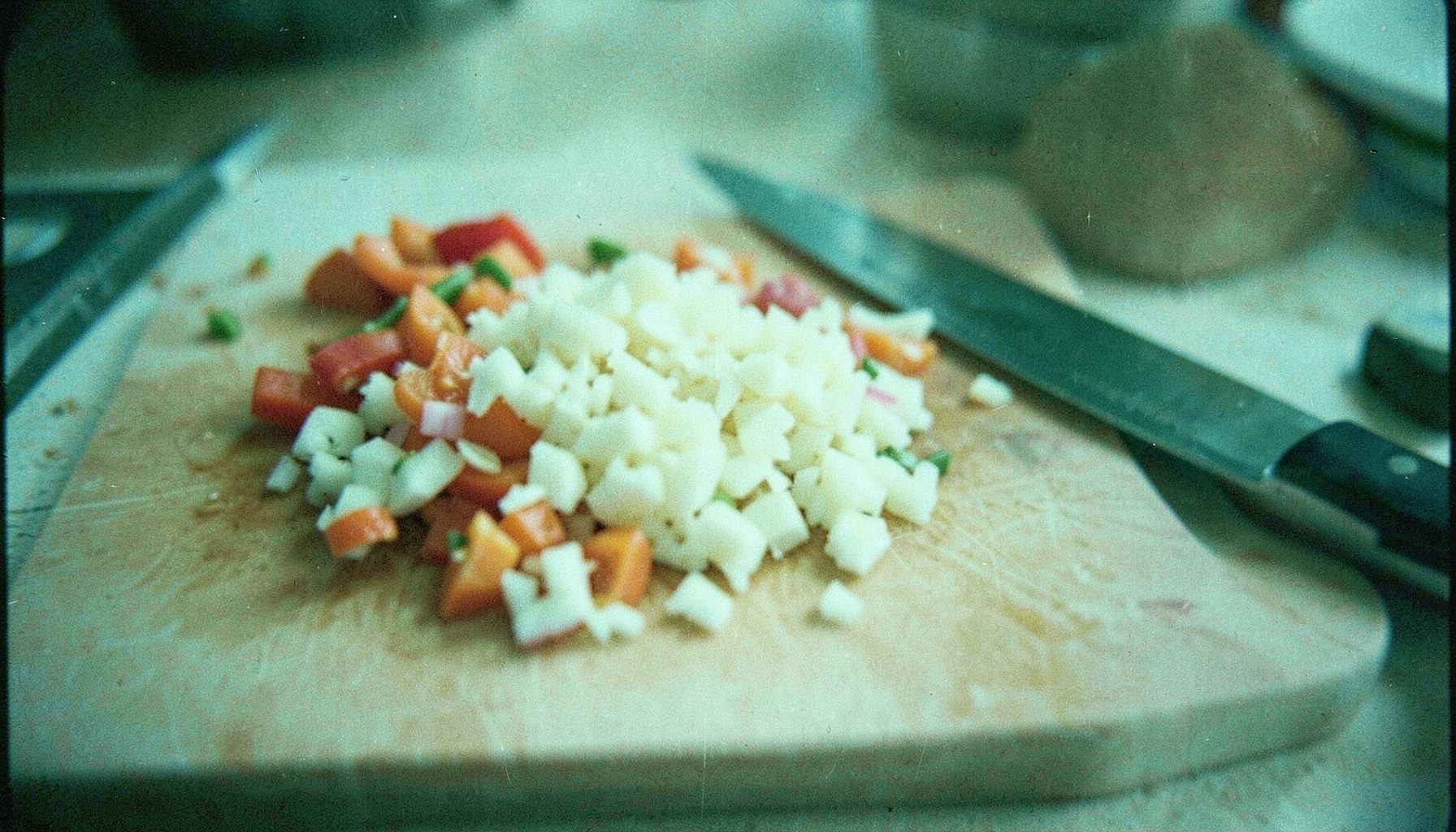 ▶
Clarifying Clarified Butter
 ▶
Blueberry Dumplings
How to make your own salad dressing bar
A home dressing bar turns an ordinary salad into a meal where everyone can choose their own flavours. Instead of serving one bottle of dressing, set out small bowls of vinaigrettes, creamy sauces and punchy condiments, then let guests combine them with fresh leaves, vegetables and grains.
It works especially well for relaxed lunches, dinner parties and shared salads. The same ingredients can handle very different plates: a sharp citrus vinaigrette suits cucumber and greens, while a creamy herb dressing works beautifully with roasted pumpkin or warm chickpeas.
The best setup is simple rather than elaborate. Choose a balance of bright, rich and savoury flavours, use ingredients you genuinely enjoy, and keep the quantities small enough for everything to stay fresh. A few labels and serving spoons make the station easy to use without taking over the kitchen.
Plan in metric measurements, as Australian recipes and supermarket packaging do, and buy fresh produce from the fruit and vegetable aisles at Woolworths or Coles. You can also find excellent herbs, salad leaves and seasonal ingredients at Adelaide Central Market or Melbourne’s Queen Victoria Market.
Choose a balanced range
A useful dressing bar offers different textures and intensity. Include something sharp and refreshing, one rich option and a bold dressing with extra flavour.
| Dressing style | Typical blend | Especially good with |
|---|---|---|
| Citrus vinaigrette | Olive oil, lemon juice, Dijon mustard and pepper | Leaves, cucumber, fennel and beans |
| Balsamic dressing | Olive oil, balsamic vinegar, shallot and honey | Tomatoes, beetroot and figs |
| Creamy herb dressing | Yoghurt, mayonnaise, lemon and fresh parsley | Potato salad, roast vegetables and grains |
| Ginger-sesame dressing | Rice vinegar, soy sauce, sesame oil and grated ginger | Cabbage, noodles and grilled vegetables |
| Salsa verde | Olive oil, parsley, capers, lemon juice and anchovy | Grilled meat, white beans and potatoes |
For six people, three dressings are usually enough: two vinaigrettes and one creamy option. Add a savoury dressing if you are serving barbecue meat, burgers or a substantial grain bowl. Small 100-millilitre bowls or jars help you control quantity and reduce waste.
Label each dressing, especially if it contains mustard, dairy, nuts or soy. Offer a separate simple olive oil and lemon juice for guests with allergies or preferences. Keep separate spoons in every bowl so flavours do not mix unintentionally.
Select oils, acids and fresh extras
Oil provides body and carries the other flavours. Extra-virgin olive oil creates a classic, peppery vinaigrette, while a neutral oil such as canola or sunflower gives sesame and ginger dressings a lighter finish. Avocado oil suits a lush herb dressing, and toasted sesame oil is best used sparingly for aroma.
Acidity keeps the dressing lively. Lemon and lime juice are the easiest everyday choices, but cider vinegar, rice vinegar, sherry vinegar and balsamic can create different results. Rice vinegar is mild and clean for Asian-inspired dressings, while balsamic brings a sweet, tangy depth that pairs naturally with tomatoes.
Shop for herbs and salad leaves close to the day you plan to serve them. Parsley, mint, basil and coriander are useful choices, although they each have a distinct personality: mint is lively, basil is sweet and coriander is intense. Australian growers offer excellent produce through much of the year, with tomatoes, capsicum and cucumbers at their best during summer.
Fresh extras add depth without requiring complicated cooking. Finely grated ginger, crushed garlic, sliced spring onion, chopped capers and Dijon mustard all balance oil and acidity. Tahini, miso and a small spoonful of honey can turn a basic dressing into something more memorable.
Whisk dressings with reliable ratios
A useful starting point for a straightforward vinaigrette is three parts oil to one part acid. Add salt, pepper and mustard to taste, then whisk until the ingredients come together. If the oil tastes heavy, increase the acid by a teaspoon; if it feels sharp, add another spoonful of oil.
A lidded jar is useful for dressings with chopped herbs or ginger. Combine the ingredients, secure the lid and shake vigorously. The warmth and movement help emulsify the dressing, giving it a smoother texture than a quickly whisked mixture.
Try one of these combinations for your bar. For a lemon-Dijon vinaigrette, whisk 60 millilitres of olive oil with 20 millilitres of lemon juice, one teaspoon of Dijon mustard, salt and pepper. For a ginger-sesame dressing, combine 45 millilitres of rice vinegar, one teaspoon of soy sauce, one teaspoon of toasted sesame oil and freshly grated ginger.
For something creamy, stir together 120 grams of Greek yoghurt, two tablespoons of mayonnaise, the juice of half a lime and a handful of chopped parsley. A balsamic shallot dressing can be made by combining equal parts olive oil and balsamic vinegar, then adding one finely sliced shallot and a teaspoon of honey.
Always taste before serving. Add salt if the flavours seem flat, a little more acid if they feel heavy, or a splash of water if the dressing is too thick. Homemade vinaigrettes generally keep for three to four days in the fridge, while creamy dressings are best used within two days.
Set up the station for easy serving
Place the dressings where guests can reach them without blocking the salad. Small glass jars show the colours clearly, while white bowls make pale dressings easier to see. Arrange them in a row, from light to rich, with a plain label or removable tag identifying each one.
Keep perishable ingredients chilled. If the bar will sit out for more than half an hour, place creamy dressings in a bowl of ice or serve them from the fridge. Use clean spoons, avoid dipping directly into the containers and replace dressings that have been sitting out for too long.
The serving order matters. Put the leaves and vegetables first, followed by grains, beans or warm toppings. Add the dressing afterward so the salad does not become watery. Offer sturdy side salads alongside the station, allowing guests to use a little vinaigrette with heavier dishes.
At an arvo barbecue, the bar can cover more than a leafy salad. Put vinaigrettes near the salad bowls and keep a punchier dressing near grilled sausages, steaks and vegetable skewers. A creamy herb sauce works well with coleslaw and potato salad, while a tomato-based salsa is useful for burgers and toasted sandwiches.
Clear the station once the meal is finished. Transfer unused dressing into clean containers, refrigerate it promptly and wipe down the serving area. Fresh herbs keep better if their stems are placed in a glass of water in the fridge, while cut vegetables should be covered to prevent them drying out.
Make the dressing bar a kitchen ritual
Once you have the basics, use the dressings throughout the week. Keep a lemon vinaigrette in the fridge for lunchboxes, add sesame dressing to sliced cabbage or noodle salads, and serve the creamy herb mixture with warm roast vegetables. A small personal jar is often more useful than making a large batch every time.
Seasonal ingredients can guide the menu. During the Australian summer, build a bar around tomatoes, cucumber, capsicum and fresh herbs, with citrus and avocado dressings. In winter, shift towards beetroot, cabbage, spinach, oranges and earthy dressings flavoured with mustard or balsamic.
For inspiration for what to serve alongside your choices, browse the site’s fresh seasonal recipes and select vegetables and dishes that complement the dressings you enjoy.
Tonight, set out two contrasting dressings, add labels and let everyone build a salad that tastes personal. Once that becomes part of your regular meals, you can expand the station whenever a new ingredient or flavour inspires you.
Meet the cooks
Two friends, two kitchens, one shared notebook.

Jessica
"I write down what worked, what flopped, and what to try next week."

Kathrin
"Recipes should leave room for the fridge and the season."
Get in touch
We read every message.