Easy, Fresh and Colorful Meals
A friendly food journal by Jessica and Kathrin, gathering simple soups, bright vegetables, and quick weeknight fixes for cooks who want to put a good meal on the table without fuss.
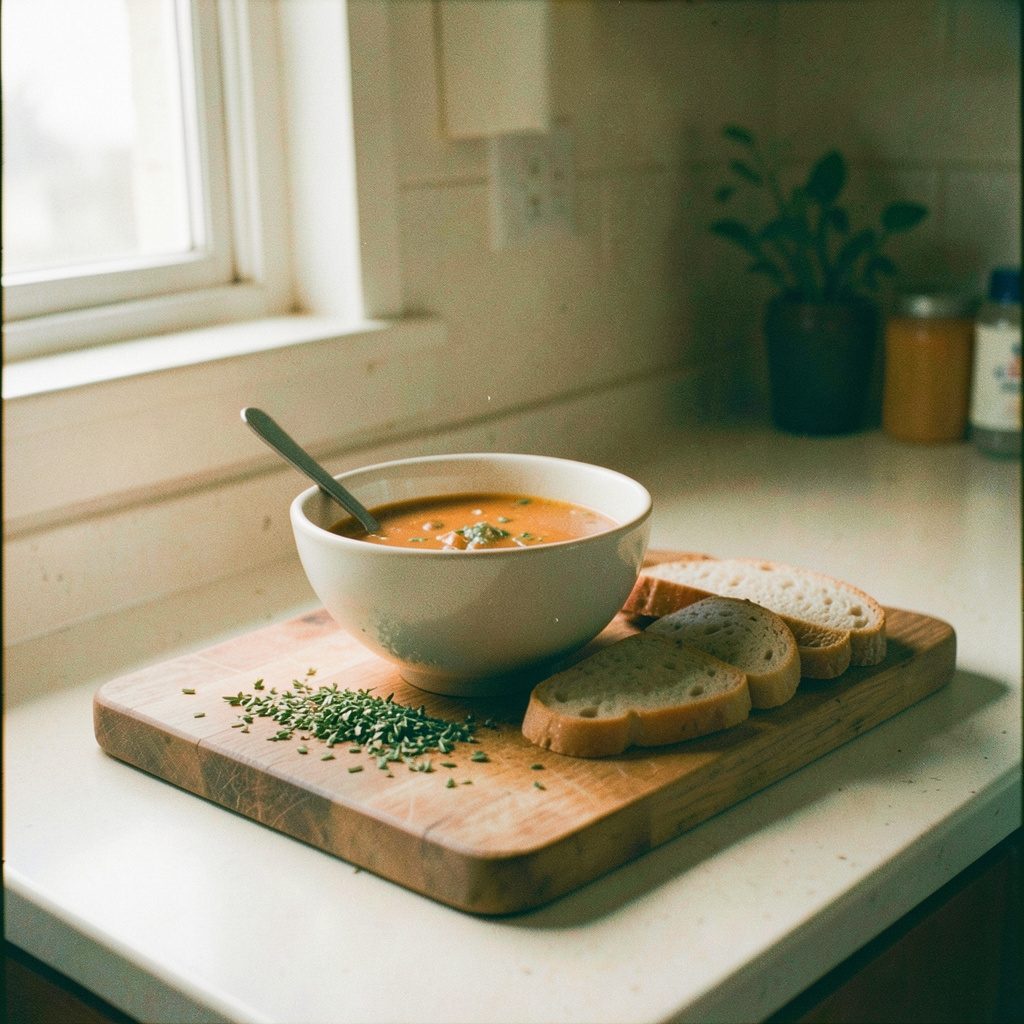
From the kitchen
A few of the meals we've been making lately.
Watch & cook
Short clips from the kitchen.
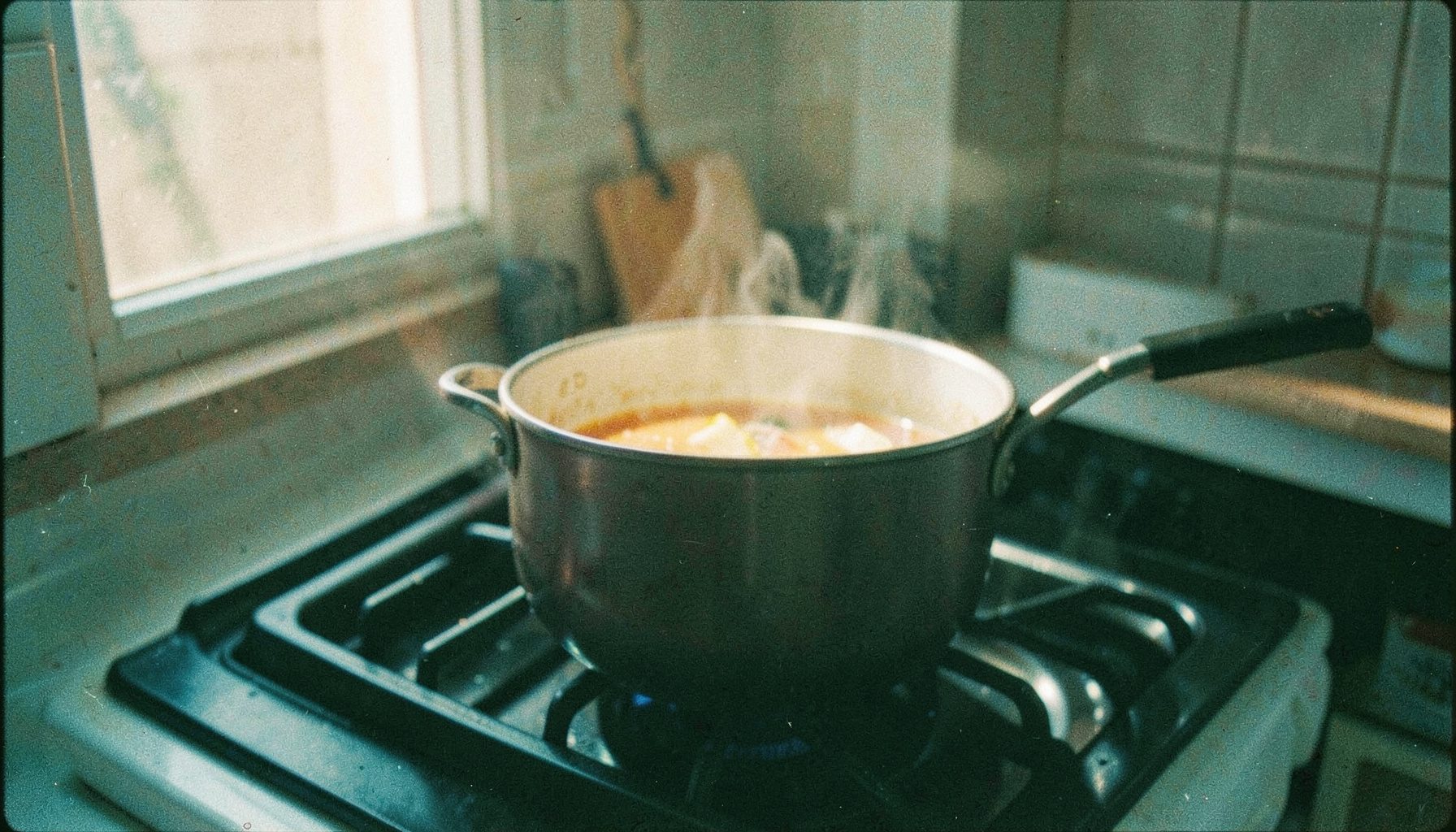 ▶
Surf and Turf in a Soup
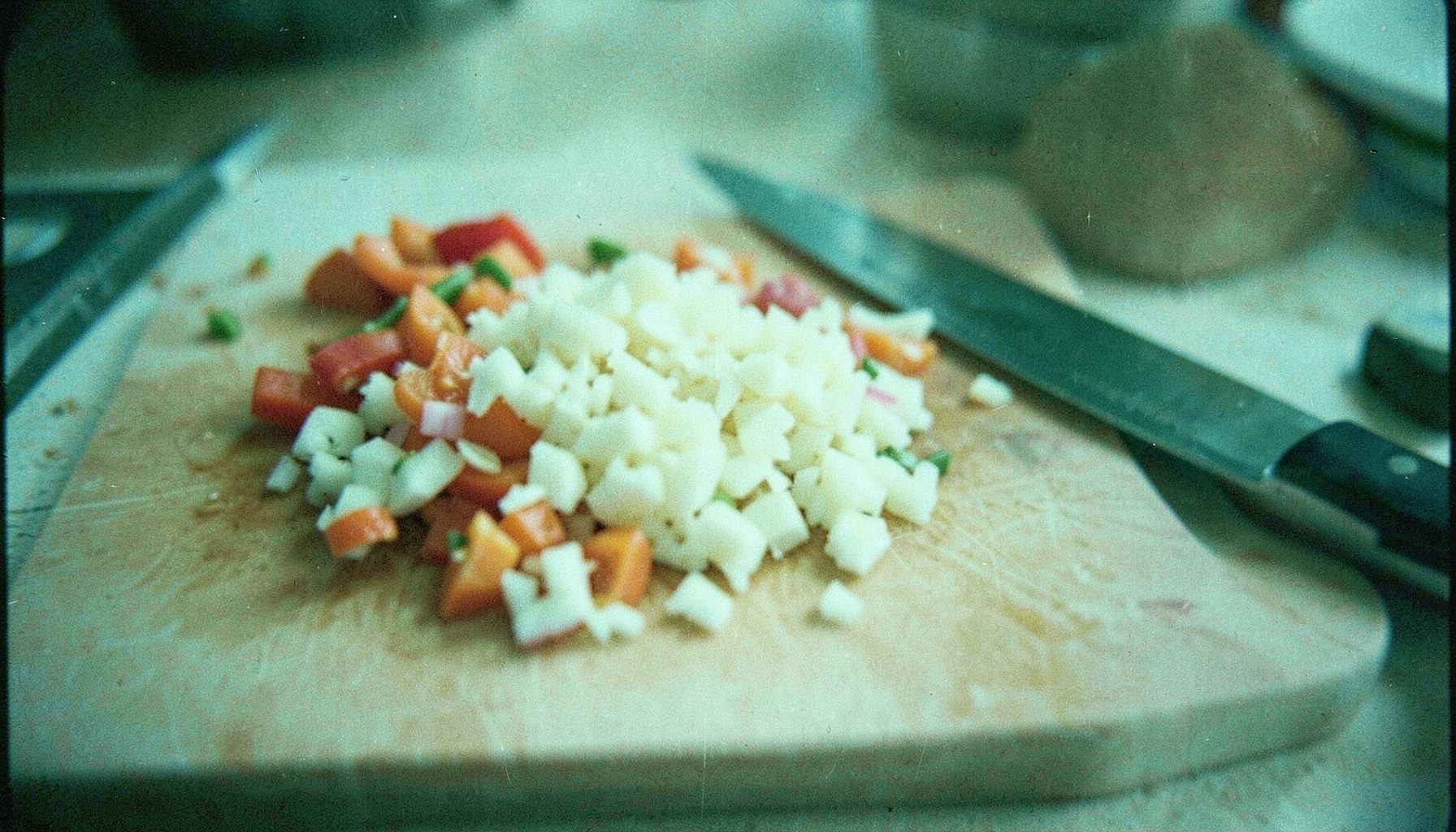 ▶
Clarifying Clarified Butter
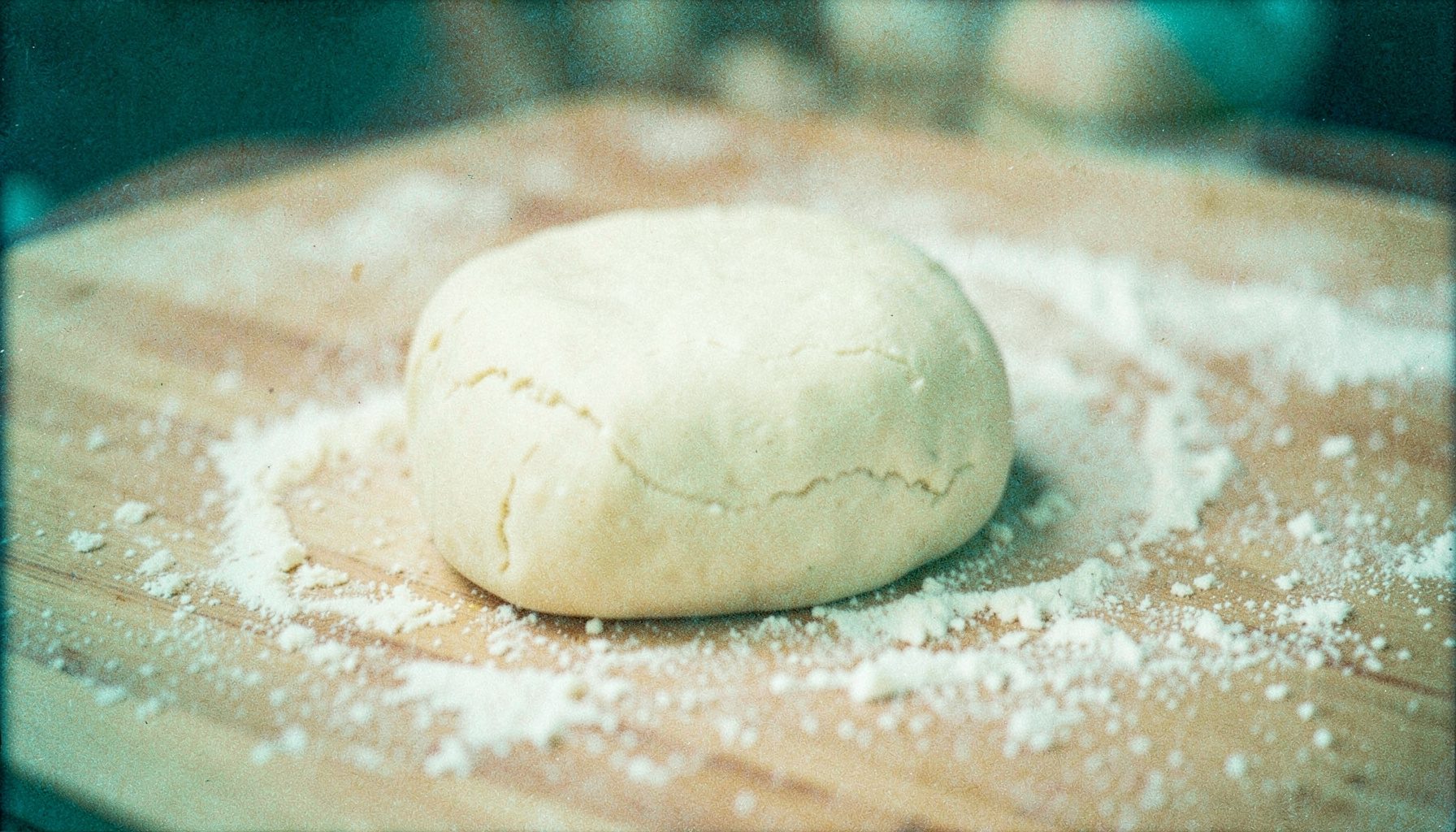 ▶
Blueberry Dumplings
One-pan spicy sausage and kale pasta
There are evenings when dinner needs fewer trips than it has ingredients. This one-pan spicy sausage and kale pasta keeps the sausages, pasta, sauce and greens in the same deep pan, giving you a generous, colourful meal with only one pot to wash. It is the sort of supper that feels special without requiring a long preparation schedule or a second saucepan.
Sausage browned until crisp at the edges gives the dish a savoury foundation. Crushed tomatoes and a little stock turn the pan juices into a silky sauce, while kale softens into the pasta near the end. The result is familiar enough for a family dinner but lively enough for friends around the table.
Because the method works from stove to table, it suits Australian homes where weeknight cooking often happens quickly between school runs, commutes and ordinary household jobs. Serve it in shallow bowls with extra parmesan, or keep a portion for tomorrow's lunch.
Why the one-pan method works
The method is simple because the pan builds flavour in layers. Rendering the sausage first seasons the oil, and the browned bits stay in the sauce. Onion and garlic soften in that fat, turning a basic tomato sauce into something rounded and deeply savoury.
Cooking the pasta directly in the sauce also saves both water and another vessel. As the pasta releases starch, the liquid becomes naturally thicker and clings to the tubes. A splash of hot water during cooking keeps everything moving and prevents the bottom from catching.
A wide, deep pan is more useful here than a small saucepan because there needs to be room for the pasta to lie in a single layer. It also makes serving generous portions easier. For households in Sydney, Melbourne and Brisbane that value quick cleanup, keeping the whole dinner in one vessel is a practical win.
Choosing the ingredients
For four people, start with 450 g raw pork sausages, about 250 g dried rigatoni, one finely diced onion, two garlic cloves, one long red chilli, 1 tablespoon olive oil, 1 tablespoon tomato paste, a 400 g tin of crushed tomatoes, 500 ml vegetable stock, 150–200 g kale, 50 g grated parmesan, parsley, half a lemon and salt to taste. The quantities use Australian metric measures, so 1 tablespoon is 20 ml.
Plain pork sausage is widely available at Woolworths and Coles and gives the best balance of flavour and value, but mild, smoked or hot varieties all work. Australian supermarkets commonly sell 500 g trays, making it easy to cook extra for lunchboxes. If you are buying from a butcher or market stall, ask for a coarse grind; it holds its shape and takes on more colour in the pan.
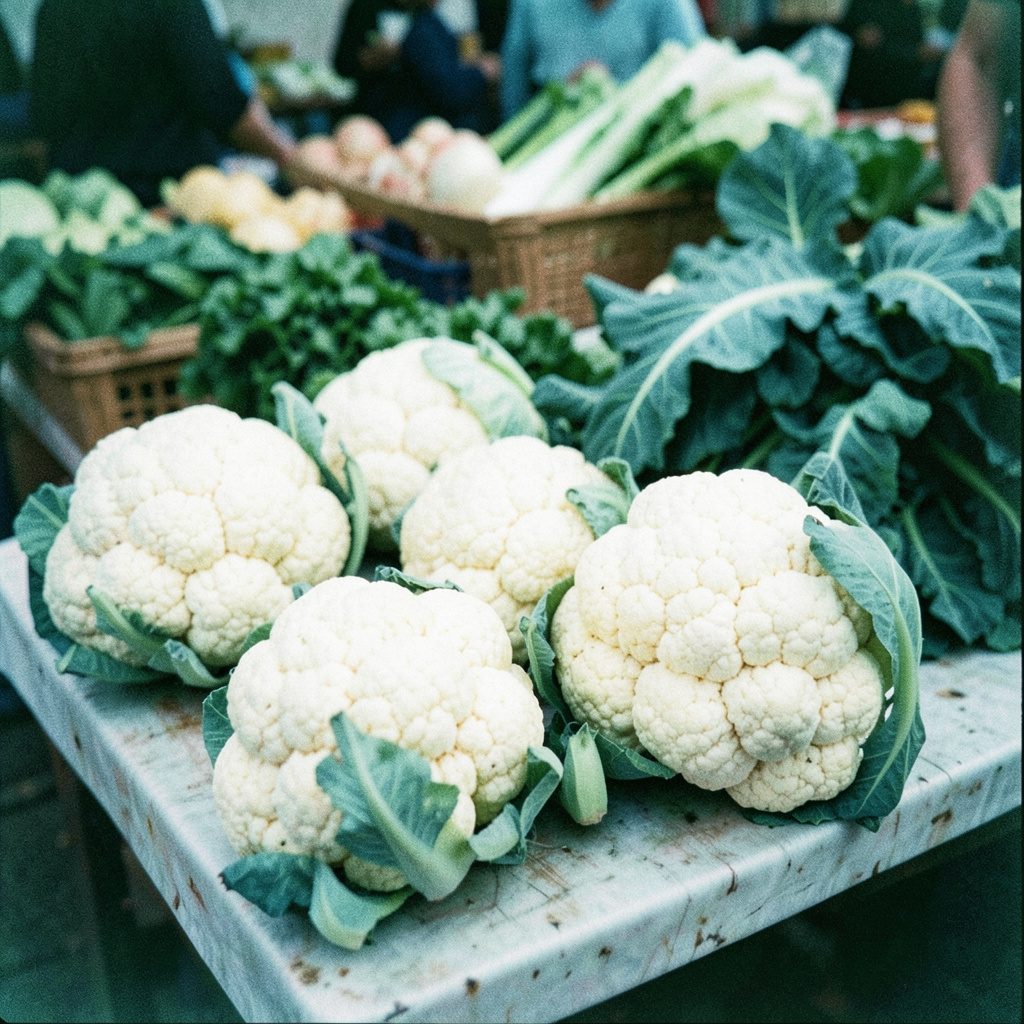
Kale is the star green, so choose bunches with firm leaves rather than tired-looking frills. Tuscan or cavolo nero kale is often available in Melbourne and Sydney, while curly kale is common in many Brisbane greengrocers. At Queen Victoria Market or a local growers market, seasonal bundles can be better value than pre-bagged leaves. For more ideas for the Italian side of the meal, Italian pantry inspiration can help you balance the tomatoes and cheese without overloading the dish.
Browning the sausage and aromatics
Heat the olive oil in a large deep pan over medium-high heat. Add the sausages in a single layer and cook for 5–7 minutes, turning them until browned on several sides. Break them into chunky pieces as they cook, then move them to one side of the pan; there is no need to wash or change the pan.
Let the heat drop to medium. Add the onion to the cleared centre of the pan and cook for 3–4 minutes until soft and translucent. Stir in the garlic, sliced chilli and 1 teaspoon fennel seeds, if using, then cook for 30 seconds. The fennel is optional, but its mild anise note works beautifully with pork.
Food safety standards, including Food Standards Australia New Zealand guidance and state legislation such as New South Wales’s Food Act 2008, set the benchmark for raw meat: cook the sausages until the centre reaches at least 71°C and no pink remains.
Stir the tomato paste through the pan and let it bubble for a minute, coating the onion and sausage. Add the crushed tomatoes and stock, then bring the mixture to a gentle simmer. Taste the sauce before adding salt; seasoned sausage, cheese and the final parmesan can make a salted batch much saltier than expected.
Cooking the pasta and kale
Add the dry rigatoni to the simmering sauce and stir immediately so the pieces do not clump. Keep the pan uncovered and simmer for about 10 minutes, or according to the pasta instructions, stirring every minute or two. The sauce should look loose at first because the pasta will absorb liquid as it cooks.
If the pan bottom begins to dry, add ¼ cup of boiling water at a time and stir. Once the pasta is just tender but still firm at its centre, add the kale. Chop the leaves roughly, toss them through the sauce and simmer for another 4–6 minutes until tender but still vividly green.
Take the pan off the heat, then fold through most of the parmesan, the juice of half a lemon and a handful of parsley. Taste before adding more salt. Rest for two minutes so the sauce settles, then ladle it into warm bowls with the remaining parmesan and a few chilli slices if you like.
Adjustments for your preferred flavour
The base recipe is deliberately flexible, so you can adapt it to the ingredients already in your cupboard. Keep the proportions of sausage, tomato and pasta close, then adjust the extras according to taste. These changes preserve the one-pan balance rather than turning it into a crowded bowl.
- Choose sturdy pasta such as rigatoni, penne or paccherri; it survives simmering and holds the chunky sauce.
- Use mild sausage plus chilli when you prefer control over the heat; it keeps the family meal approachable.
- Include the kale stems, finely sliced, for extra texture; remove only the toughest woody ends.
- Add grated parmesan off the heat to preserve its flavour and prevent the sauce from clumping.
- Brighten the finished bowl with lemon juice, a splash of pasta water or a little extra stock.
- Finish with parsley, basil or rocket for freshness and a contrasting green colour.
Whichever variation you choose, serve the pasta hot and refrigerate leftovers within two hours. In warm weather, cool the pan briefly before storing it in a shallow container, then reheat until steaming throughout. Kale can wilt and soften overnight, but the sauce usually keeps its character well.
Comparing the main choices
A quick comparison makes the most useful swaps easier:
| Choice | Best for | Practical note | Flavour result |
|---|---|---|---|
| Plain pork sausages | An all-rounder | Brown well; season cautiously | Rich, mild base |
| Hot Italian-style sausages | A fiery dinner | May be pre-cooked; follow the label | Chilli, herb and spice |
| Chicken sausages | A lighter meal | Higher moisture; cook through carefully | Subtler, more delicate |
| Rigatoni | Holding chunky sauce | Simmer until just tender | Excellent sauce grip |
| Penne | A quicker cook | Less surface for catching sauce | Smooth and easy to eat |
| Tuscan or curly kale | A robust green | Slice or chop the stems | Deep, earthy flavour |
Pork is the most forgiving choice because its fat gives the sauce body. Chicken sausage can make the meal lighter, but it contains more water, so brown it thoroughly and do not crowd the pan. Whatever you use, check the label and follow the cooking directions for that product.
Bring the pan to the table
Spoon the pasta into wide, shallow bowls while the sauce is glossy. Warm the bowls first if you have time, and add small handfuls of parmesan and herbs at the table. A crisp side salad or some crusty bread is useful, but the pan contains a complete meal on its own.
Any leftovers are practical for Australian lunch routines: pack a portion in a container for work or school, or reheat it in a covered pan with a splash of water. Keep the cooked sausage and pasta chilled until the next meal, following state and territory food safety guidance for storage and reheating.
Tonight, tie on your apron, brown the sausages and let the kitchen fill with the scent of garlic, chilli and tomato. Then bring everyone to the table and serve this generous pasta straight from the pan.
Meet the cooks
Two friends, two kitchens, one shared notebook.

Jessica
"I write down what worked, what flopped, and what to try next week."

Kathrin
"Recipes should leave room for the fridge and the season."
Get in touch
We read every message.