Easy, Fresh and Colorful Meals
A friendly food journal by Jessica and Kathrin, gathering simple soups, bright vegetables, and quick weeknight fixes for cooks who want to put a good meal on the table without fuss.
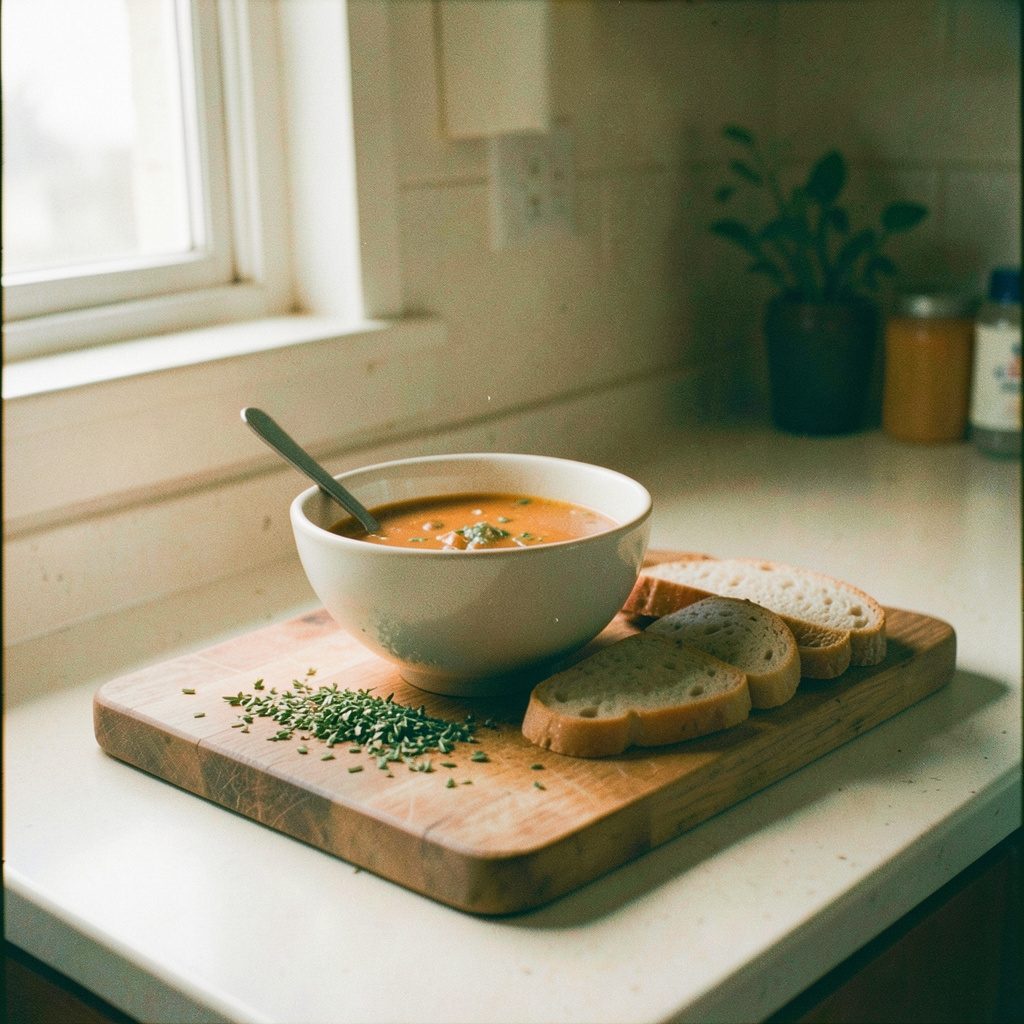
From the kitchen
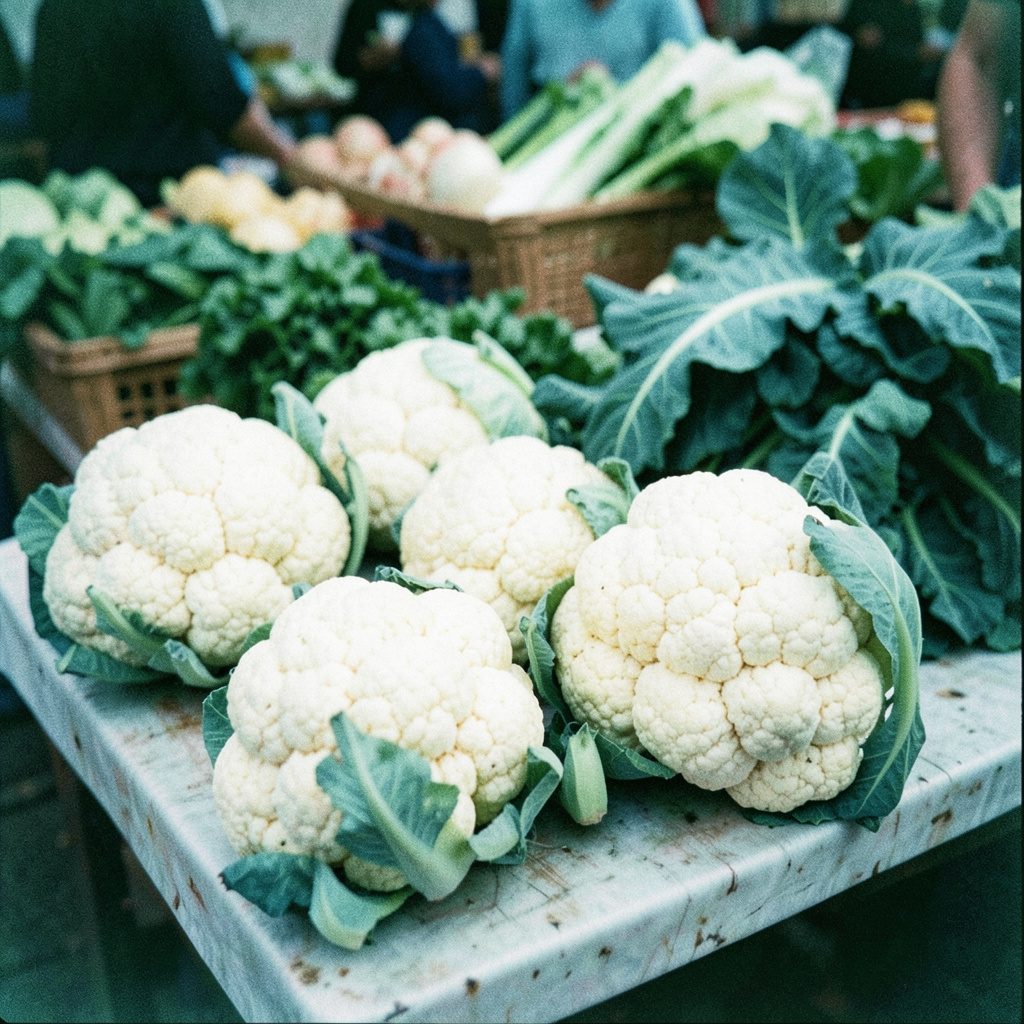
A few of the meals we've been making lately.
Watch & cook
Short clips from the kitchen.
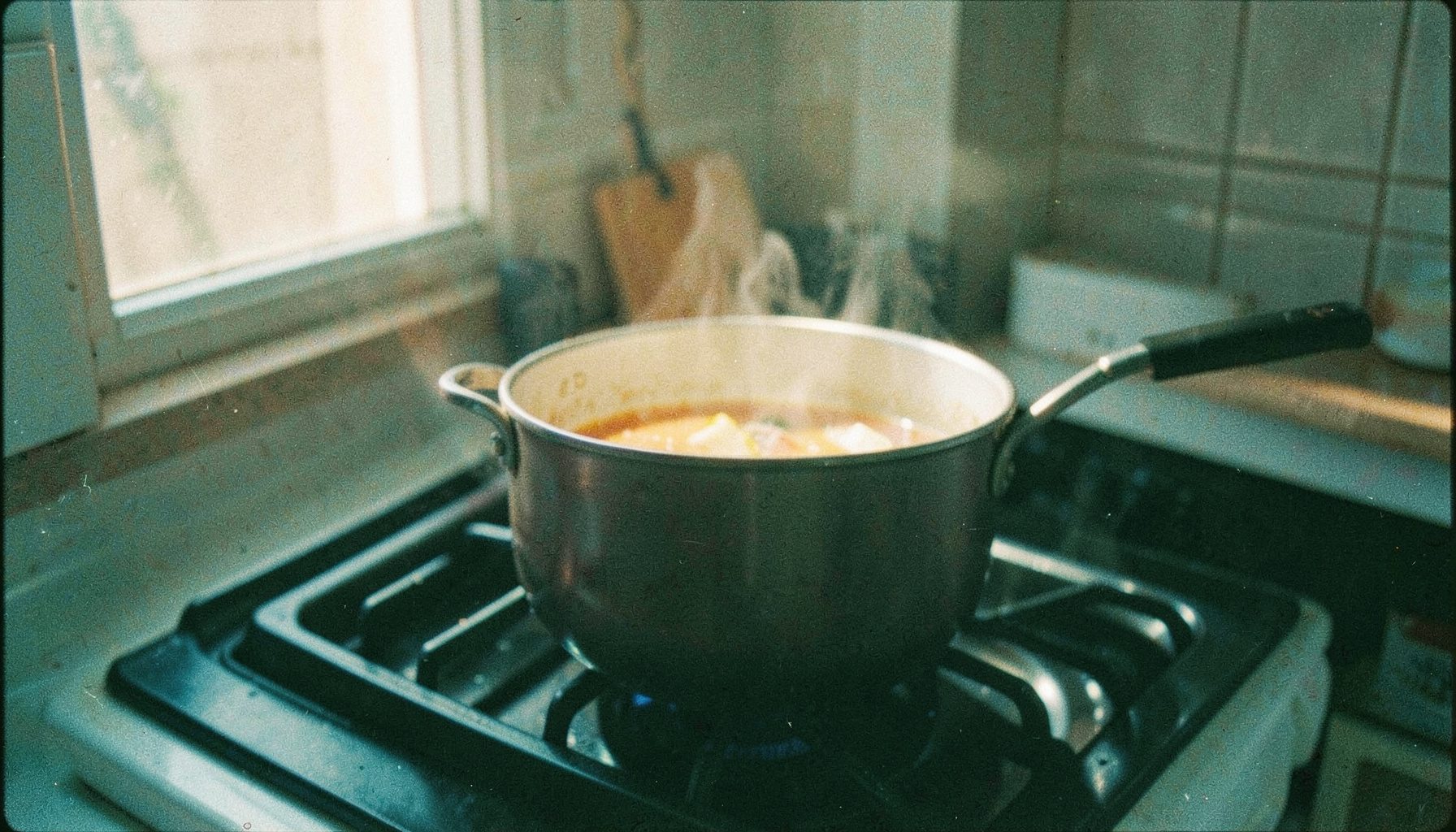 ▶
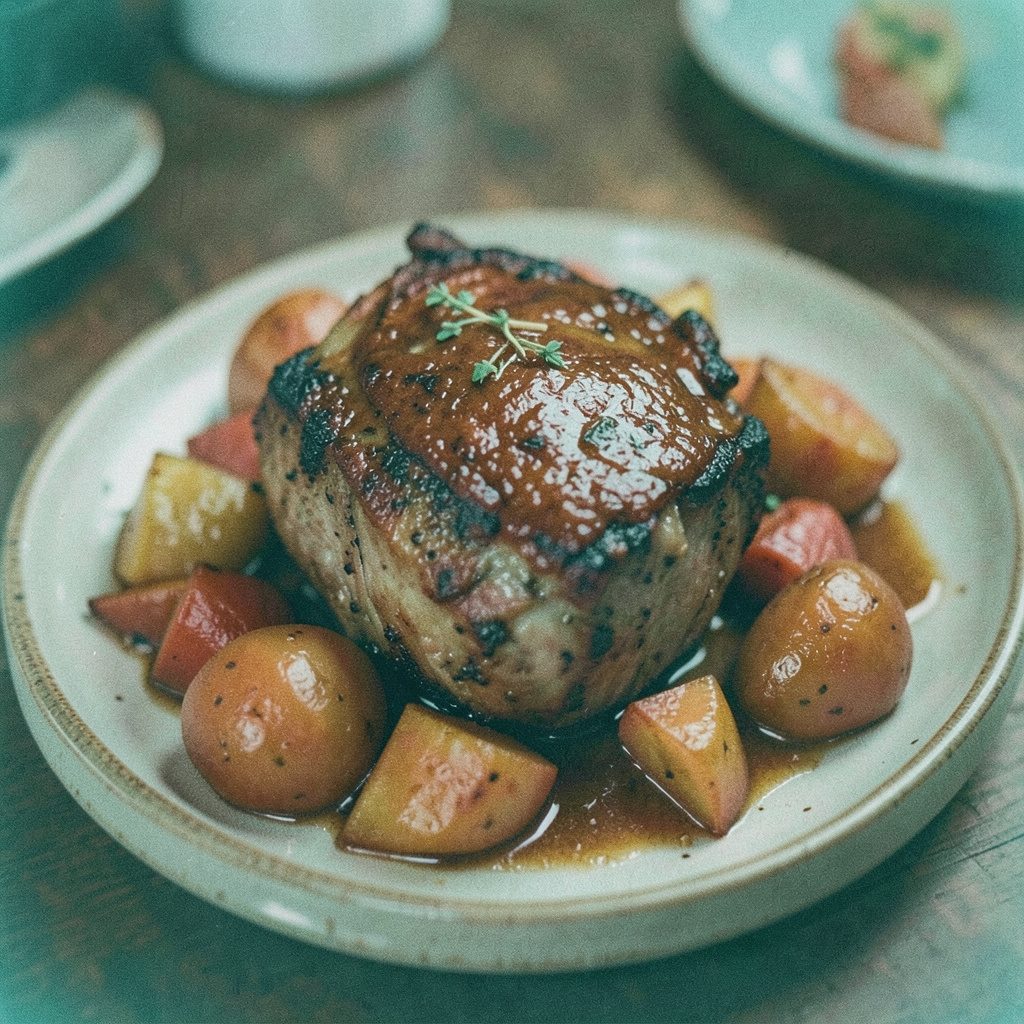
Surf and Turf in a Soup
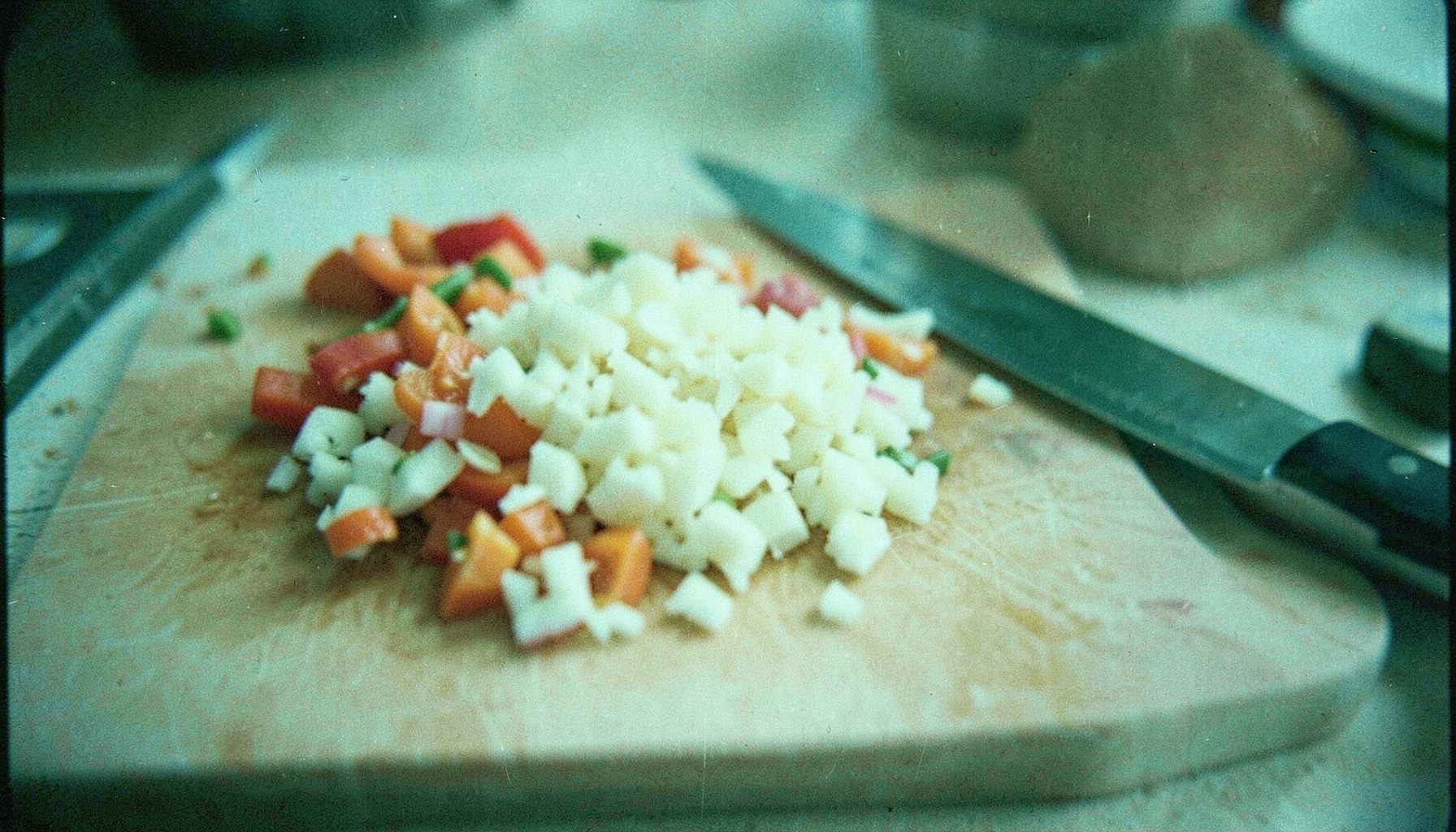 ▶
Clarifying Clarified Butter
 ▶
Blueberry Dumplings
Easy Blueberry Compote for Pancakes, Yogurt, and Ice Cream
A warm blueberry compote turns everyday ingredients into a bright, glossy topping with almost no effort. It is softer and fruitier than jam, quicker than a pie filling, and versatile enough for breakfast, dessert, or an afternoon snack.
This easy blueberry sauce comes together in one saucepan with fresh or frozen berries, a little sugar, lemon juice, and a splash of water. The fruit gently breaks down while its juices thicken into a spoonable sauce that is sweet, tangy, and full of colour.
Serve it over pancakes on a relaxed Saturday morning, layer it through Greek yoghurt, or spoon it onto vanilla ice cream after dinner. In Australia, frozen blueberries from the supermarket make this recipe practical all year, while fresh berries are especially tempting during the warmer months.
The method is flexible, too. You can keep some berries whole for texture, mash the mixture for a smoother finish, or add warming spices for a winter dessert. It is the sort of simple kitchen staple that suits the fresh, generous cooking approach described in these home cooking principles.
Why This Fruit Sauce Works
Blueberries naturally contain enough pectin to help their juices thicken as they simmer. The result is a compote with body, although it remains looser than preserves. Lemon juice sharpens the flavour and keeps the sweetness balanced, making the sauce taste distinctly fruity rather than sugary.
Fresh blueberries give the compote a clean, lively flavour and hold their shape well. Frozen berries release more liquid and often create a deeper purple sauce, but they are just as useful. There is no need to defrost them first; add them straight to the saucepan and allow an extra minute or two for the mixture to come to a simmer.
For Australian cooks, availability changes with the season and region. Blueberries grown in Queensland and New South Wales are often easy to find when local fruit is plentiful, while frozen berries are a reliable choice in Melbourne or Hobart during colder weather. Check a farmers’ market for fragrant fresh berries, then freeze any extras for later.
Ingredients And Useful Swaps
For about 375 ml of compote, use 300 g blueberries, 50 g caster sugar, 1 tablespoon lemon juice, and 2 tablespoons water. A small pinch of salt makes the fruit taste fuller. If the berries are very tart, add another tablespoon of sugar; if they are particularly sweet, start with less and adjust after cooking.
Vanilla extract is a lovely addition, especially when the compote is destined for pancakes or ice cream. A little finely grated lemon zest adds freshness, while ground cinnamon, cardamom, or ginger gives the sauce a warmer character. Use one flavour at a time so the blueberry remains the star.
You can replace some or all of the blueberries with raspberries, blackberries, or chopped strawberries. Mixed berries create a more complex sauce, although strawberries may need a little extra cooking because of their size. For a lower-sugar version, reduce the sweetener and serve the compote with naturally sweet yoghurt or ripe banana.
Cornflour is optional rather than essential. If you need a thicker topping for a layer cake or tart, mix 1 teaspoon cornflour with 1 tablespoon cold water and stir it into the simmering fruit. Cook for another minute, until glossy. For pancakes and yoghurt, the natural reduction usually provides the best texture.
How To Make Blueberry Compote
Place the blueberries, sugar, lemon juice, water, and salt in a small heavy-based saucepan. Set it over medium heat and stir gently until the sugar dissolves and the berries begin to release their juice. Frozen fruit may take slightly longer to soften, but avoid turning the heat too high.
Bring the mixture to a gentle simmer, then cook for 8 to 12 minutes. Stir every minute or so, pressing a few berries against the side of the pan with the back of a spoon. Leave plenty of whole berries if you enjoy texture, or mash more of them for a smoother blueberry topping.
The compote is ready when it coats a spoon but still flows easily. Remember that it will thicken as it cools. Take the pan off the heat and stir through vanilla or lemon zest, if using. Taste carefully and adjust the sugar or lemon while the sauce is warm.
For a polished finish, use an immersion blender briefly, stopping before the sauce becomes completely smooth. A small amount of texture makes it feel homemade and gives each serving attractive flecks of fruit. Let it stand for 10 minutes before serving so the juices settle.
Pancakes, Yoghurt, And Dessert Ideas
Spoon warm compote over buttermilk pancakes, ricotta hotcakes, or simple pikelets. Add a dollop of thick Greek yoghurt and a scattering of toasted almonds for a satisfying breakfast. This combination works especially well for a leisurely Sydney brunch, when a bowl of fruit and a warm stack of pancakes can take centre stage.
For a lighter breakfast, layer the sauce with natural yoghurt and crunchy muesli in a glass. The cool creaminess of the yoghurt balances the warm berries, while oats and seeds add texture. A little honey is usually unnecessary, though a drizzle of Australian honey can suit a particularly tart batch.
At dessert time, pour the compote over vanilla ice cream, panna cotta, cheesecake, or a slice of plain butter cake. It also makes a quick filling for crêpes and a colourful topping for pavlova. For more ideas about using fruit with baked treats, explore these cake-baking ideas and adapt the flavours to suit what is in your pantry.
Blueberry compote can also bring savoury balance to breakfast dishes. Try a small spoonful beside baked brie, soft cheese, or a slice of toasted sourdough. A version made with less sugar, extra lemon, and a pinch of black pepper works particularly well with creamy cheeses.
Storage, Comparisons, And Practical Tips
Cool the compote promptly, transfer it to a clean airtight jar, and refrigerate it for up to one week. Reheat only the amount you need, or serve it chilled. If the sauce thickens too much in the fridge, loosen it with a teaspoon of water and warm it gently in a saucepan or microwave.
For longer storage, freeze the cooled compote in small containers or ice-cube trays for up to three months. Small portions are convenient for weekday breakfasts and prevent waste. Thaw overnight in the refrigerator, then stir well before serving.
| Choice | Best Texture | Flavour Result | Convenient Use |
|---|---|---|---|
| Fresh blueberries | More whole berries | Bright and clean | Summer breakfasts and market fruit |
| Frozen blueberries | Softer, juicier sauce | Deep, rich berry flavour | Year-round cooking |
| Mixed berries | Varied texture | Sweet, tart, and complex | Desserts and cheesecakes |
| Blended compote | Smooth and glossy | Concentrated fruit flavour | Crêpes, cakes, and fine desserts |
Small Choices For Better Results
- Use a wide saucepan so excess moisture evaporates evenly.
- Taste after cooking, since berries vary widely in sweetness.
- Keep the simmer gentle to protect the fruit’s fresh flavour.
- Add vanilla after removing the pan from the heat.
- Reserve a few whole berries to stir through at the end.
- Cool the sauce before judging its final thickness.
A batch can be made while pancakes cook or while the kettle boils, which makes it useful for busy Australian mornings as well as relaxed weekend meals. Keep the ingredients simple, use the fruit available at your local shop or market, and adjust the sweetness to match the way you plan to serve it.
Make this bright blueberry compote part of your regular breakfast and dessert routine. Spoon it over a stack of pancakes, swirl it through yoghurt, or let it melt into ice cream, then save a little for tomorrow’s snack.
Meet the cooks
Two friends, two kitchens, one shared notebook.

Jessica
"I write down what worked, what flopped, and what to try next week."

Kathrin
"Recipes should leave room for the fridge and the season."
Get in touch
We read every message.