Easy, Fresh and Colorful Meals
A friendly food journal by Jessica and Kathrin, gathering simple soups, bright vegetables, and quick weeknight fixes for cooks who want to put a good meal on the table without fuss.
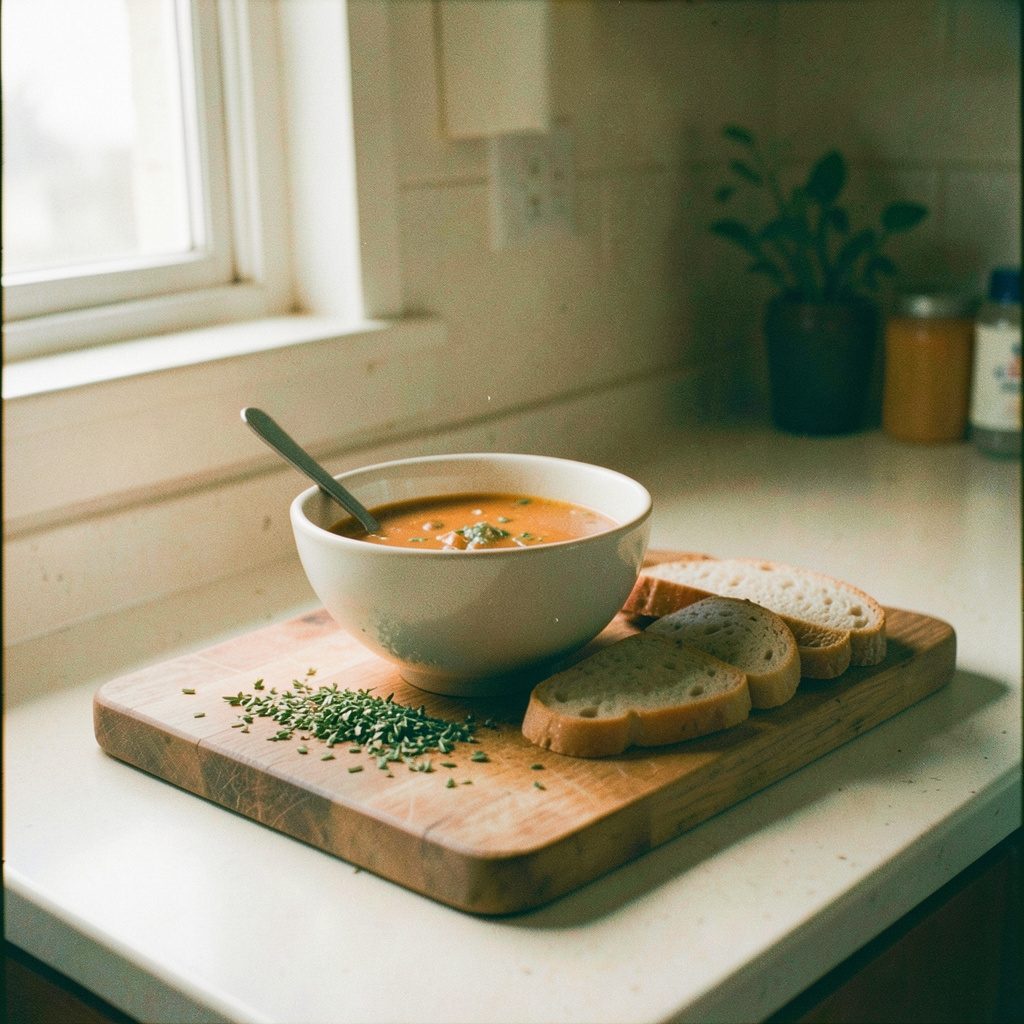
From the kitchen
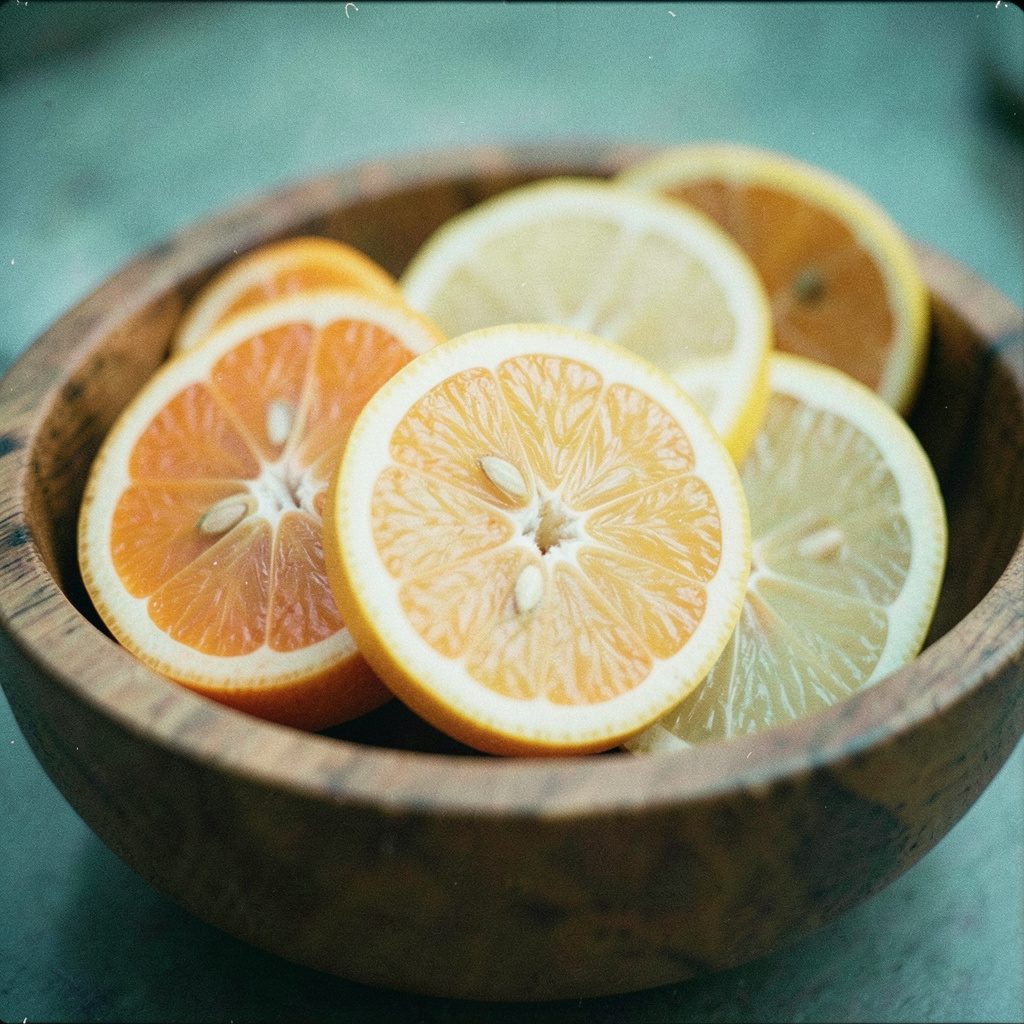
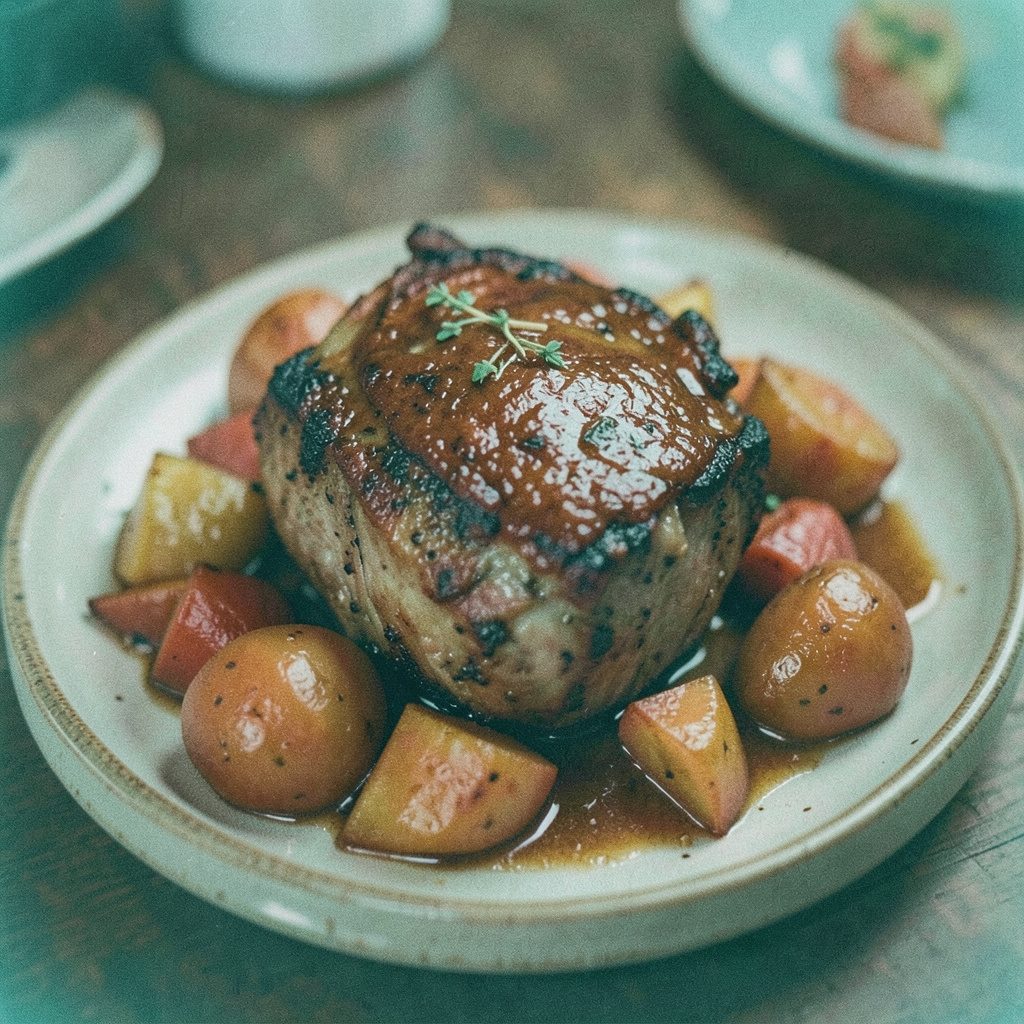
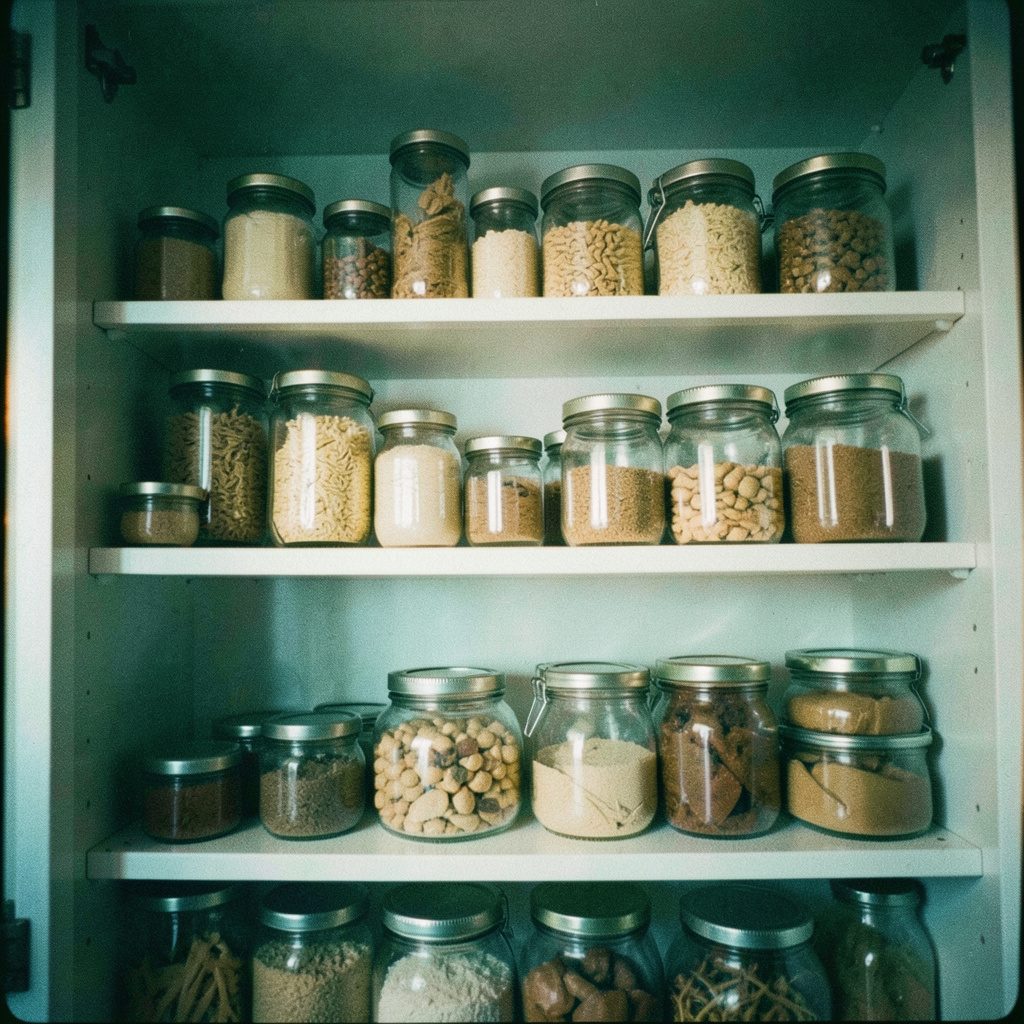
A few of the meals we've been making lately.
Watch & cook
Short clips from the kitchen.
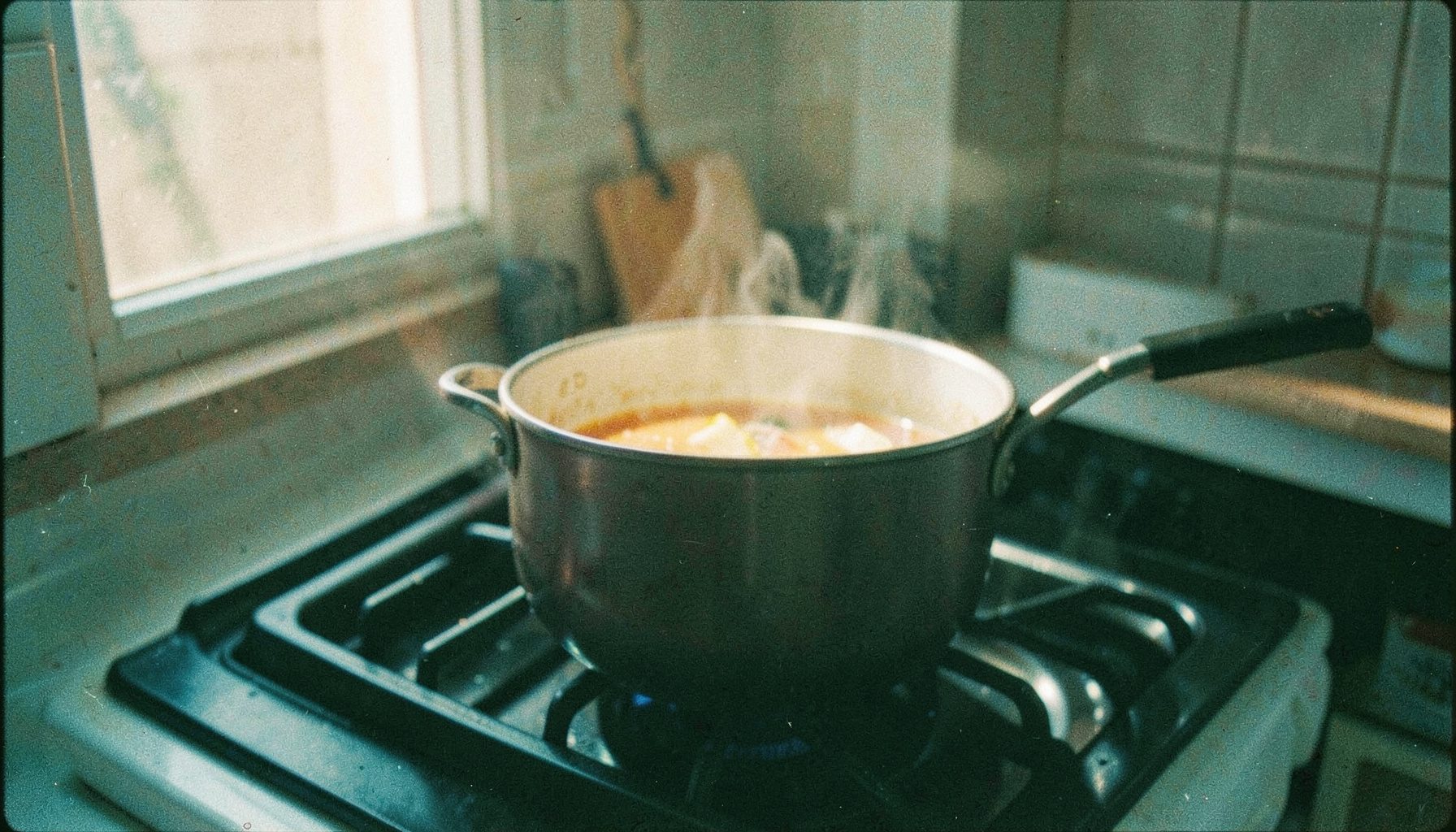 ▶
Surf and Turf in a Soup
 ▶
Clarifying Clarified Butter
 ▶
Blueberry Dumplings
How to cook perfect brown rice every time
Brown rice is a nutty, nourishing pantry staple that keeps its bran and germ, delivering the fibre and satisfying texture people seek from whole grains. It also gives weeknight dinners a useful base: tender enough for bowls and curries, sturdy enough for fritters, and colourful when folded through vegetables.
Perfect brown rice should be tender without collapsing, with separate, chewy grains and no hard centres. The outcome changes with the variety, age of the rice, amount of water and heat applied. A dependable absorption method removes the guesswork: measure, cook gently, then let the finished rice steam in its own residual moisture.
Australian home cooks often have a rice cooker, use metric measurements and want a method that works alongside busy work and school routines. Stovetop and cooker versions share the same essentials, so you can choose convenience or control without relearning the process. The key is knowing when to adjust the water rather than altering the heat, stirring or cooking time at random.
Why brown rice behaves differently
Brown rice contains the outer bran and germ found in the whole grain. These layers give the kernels their colour, nuttiness and firm texture, but they also need more time and moisture than polished white rice. Once cooked, the exterior becomes tender while the centre retains a pleasant chew.
Long-grain brown rice is the easiest place to begin because the grains separate more readily. Short-grain varieties absorb more liquid and produce a stickier result, making them better for risotto-style dishes or sticky rice. Some Australian rice labels use the term “natural rice” for long-grain varieties, so check the pack carefully when you want wholegrain brown rice.
Older brown rice has had more time to become hard, particularly along the edges of each kernel. It may need extra water and a slightly longer cooking period. Fresh rice, proper measurements and a tight-fitting lid usually solve most problems before they appear.
Choose the grain and measure it consistently
Brown rice is easy to find in the rice aisles at Woolworths and Coles, as well as in health-food stores and bulk-food shops. Most varieties contain only brown rice, but check the ingredients if you are buying a quick-cooking or seasoned product. Short-grain, long-grain and wholegrain brown rice can all produce excellent results, but their absorption characteristics differ.
A reliable starting point is 200 grams of dry brown rice with 360 millilitres of cold water. An Australian standard measuring cup holds 250 millilitres, so use a measuring jug rather than estimating with a cup. Adjust the liquid toward 340 millilitres for very firm grains or 375 millilitres for softer rice. If the rice is old or particularly tough, add another 30 millilitres.
Rinsing is optional for most packaged brown rice. A quick rinse under cold water can remove surface debris and starch, especially if the rice has been stored in a reused container. Soaking for 20 minutes helps older grains soften more evenly; reduce the water by 30 to 40 millilitres after soaking and begin checking the rice a few minutes early.
Set up for stovetop and rice cooker success
Treat the rice and water as a matched pair, and adjust that pair according to the grain rather than making changes midway through cooking. Have everything ready before the pot goes on the heat.
- 200 grams of dry brown rice
- 360 millilitres of cold water, adjusted for the grain and soaking
- A heavy saucepan with a tight-fitting lid for stovetop cooking
- A fork for fluffing and a fine sieve if you plan to rinse the rice
Drain the rice thoroughly if it has been rinsed or soaked. Shake away excess water, then place it in the saucepan or rice cooker. Toasting the grains before adding liquid creates a deeper, nuttier flavour and can make the finished texture slightly more resilient.
- Stovetop: Bring the water to a boil, add the rice, cover and reduce to a gentle simmer for about 25 minutes, then leave it off the heat for 10 minutes.
- Rice cooker: Add the measured rice and water, use the brown-rice setting if available, and rest the rice for 10 minutes after the cooker switches to warm.
- Toasted rice: Heat the dry grains in a saucepan for two minutes until they smell nutty, carefully add boiling water, cover and simmer as usual.
- Soaked rice: Soak for 20 minutes, reduce the measured water, and check the grains five minutes before the standard cooking time.
Keep the lid closed throughout the main cooking period so the rice finishes in its own steam. Avoid stirring, which can break the grains and turn the surface sticky. After the resting period, fluff gently with the fork, lifting from the bottom rather than pressing or grinding the rice together.
Fix texture and store leftovers safely
Hard centres usually mean insufficient liquid, unusually old rice or heat that was too aggressive. Add about 30 millilitres of hot water to the cooked grains, cover the pan and let it stand for another five to ten minutes. Test again before adding more liquid, as repeated reheating can eventually make the rice paste-like.
Mushy or swollen grains generally come from too much water, a vigorous simmer or frequent lid lifting. For the next batch, reduce the liquid by 30 millilitres and maintain a steady simmer. If cooked rice is already too wet, spread it across a tray for a few minutes; the surface moisture will evaporate while the centres remain intact.
Uneven cooking can result from a loose lid, an uneven burner or grains that were not drained after soaking. Short-grain rice will naturally be stickier than long-grain rice, so use that variety when a cohesive texture is wanted. Rice with a strange smell should be discarded rather than masked with herbs or seasoning, as poor storage and spoilage do not reverse through reheating.
Australia’s Food Standards Code, maintained by Food Standards Australia New Zealand, and state and territory food-safety laws provide the framework for safe food handling. Refrigerate cooked rice promptly in shallow containers, preferably within two hours, or within one hour when temperatures exceed 32 degrees Celsius. Keep it below 5 degrees Celsius, use it within three to four days and reheat it to at least 74 degrees Celsius. Keeping cooked rice warm for hours creates ideal conditions for harmful bacteria to multiply.
Turn brown rice into colourful everyday meals
Brown rice works especially well in generous bowls. Add roasted pumpkin, broccoli and carrots, then finish with chickpeas, grilled chicken, fish or a spoonful of green tahini. Fresh produce from a Melbourne or Sydney food market can bring colour and crunch, while brown rice adds a warm, fibre-rich base that keeps the meal satisfying.
Cooked leftovers are equally useful. Fold them through an egg-fried rice with peas and spring onions, pack them into lunchboxes with salad vegetables, or combine them with herbs, lemon and grilled eggplant for a quick grain salad. They can also form patties, fill roasted capsicums or provide bulk in soups without needing a separate starch.
Cook a batch using the 200-gram rice and 360-millilitre water starting point, then keep an extra portion for tomorrow’s lunch. Turn the rest into a colourful bowl or salad while the kitchen is already warm, making wholesome home cooking easier on the busiest evenings of the week.
Meet the cooks
Two friends, two kitchens, one shared notebook.

Jessica
"I write down what worked, what flopped, and what to try next week."

Kathrin
"Recipes should leave room for the fridge and the season."
Get in touch
We read every message.