Easy, Fresh and Colorful Meals
A friendly food journal by Jessica and Kathrin, gathering simple soups, bright vegetables, and quick weeknight fixes for cooks who want to put a good meal on the table without fuss.
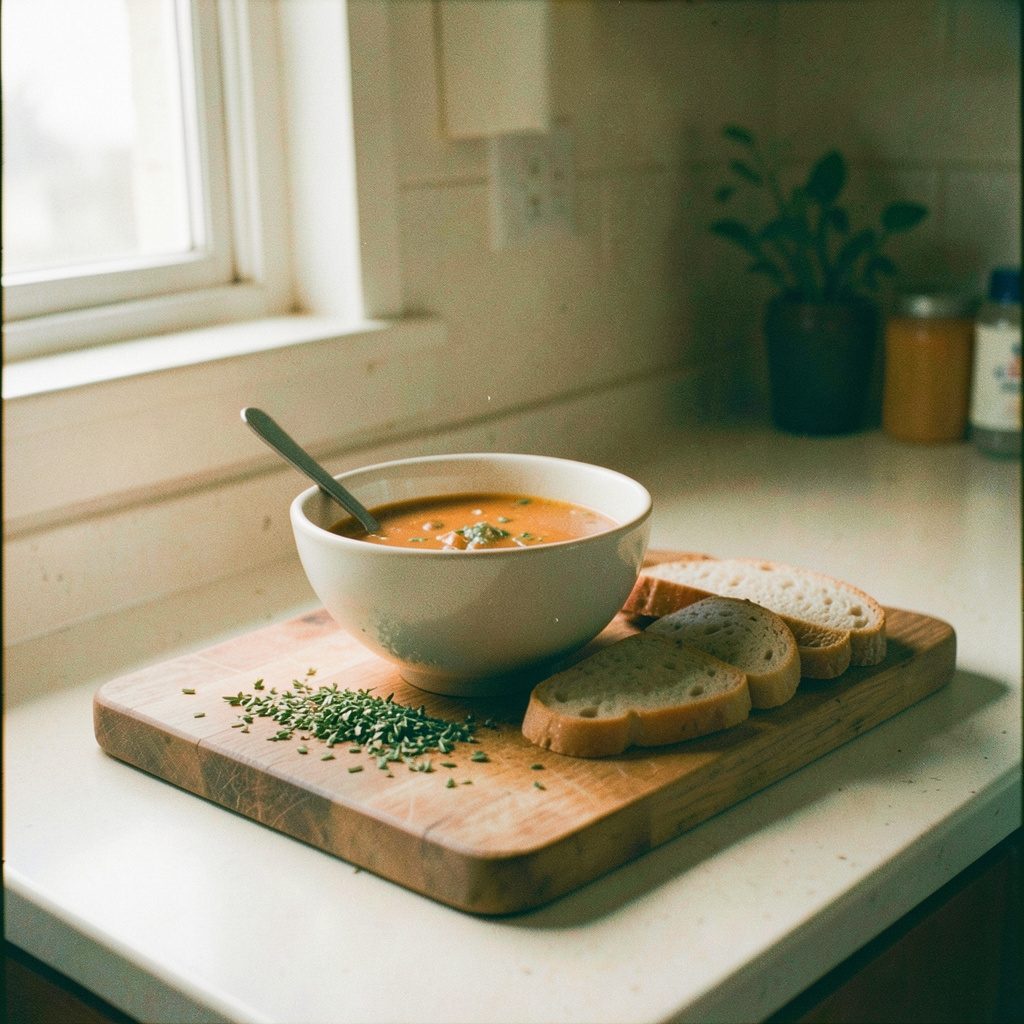
From the kitchen
A few of the meals we've been making lately.
Watch & cook
Short clips from the kitchen.
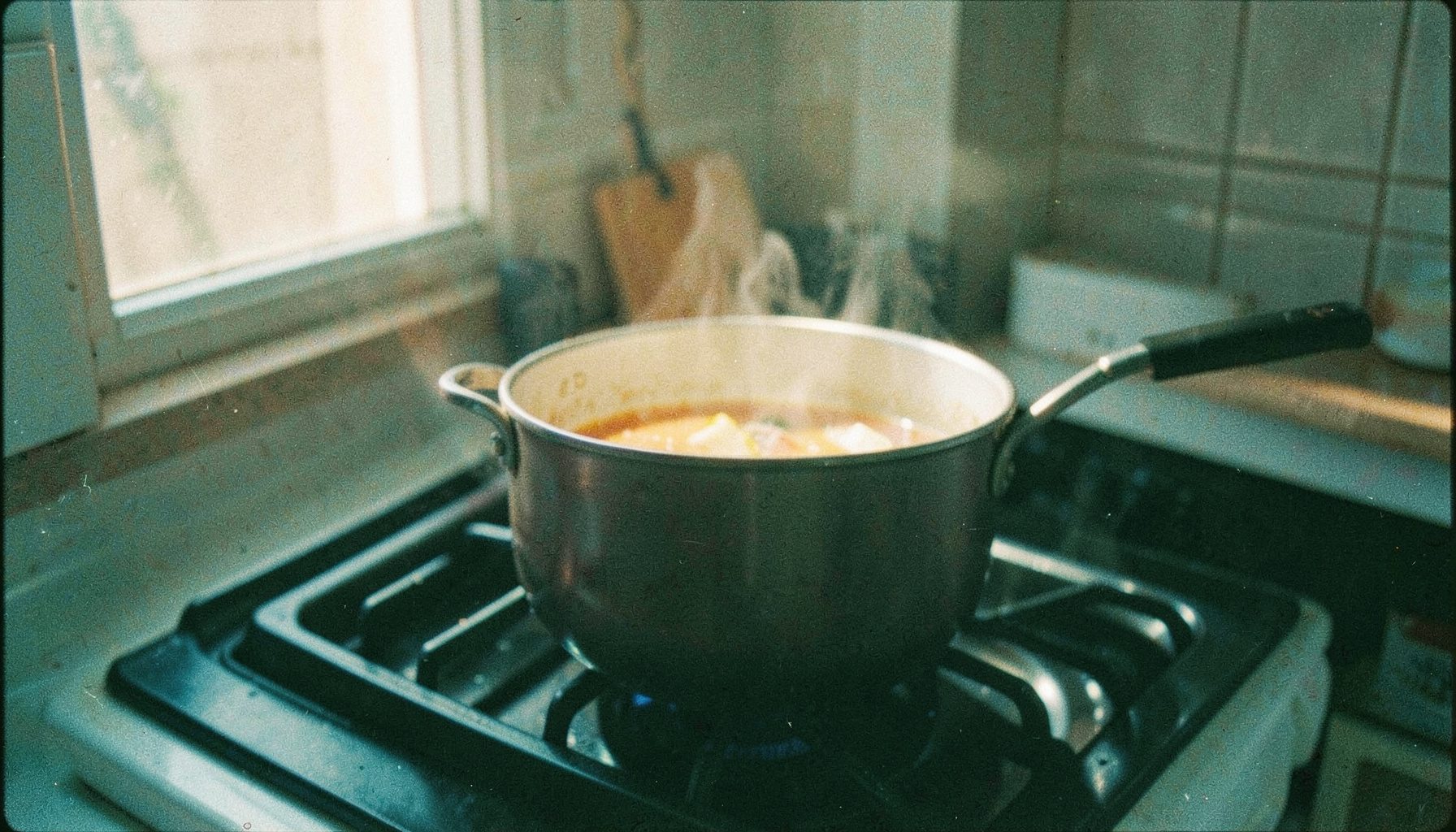 ▶
Surf and Turf in a Soup
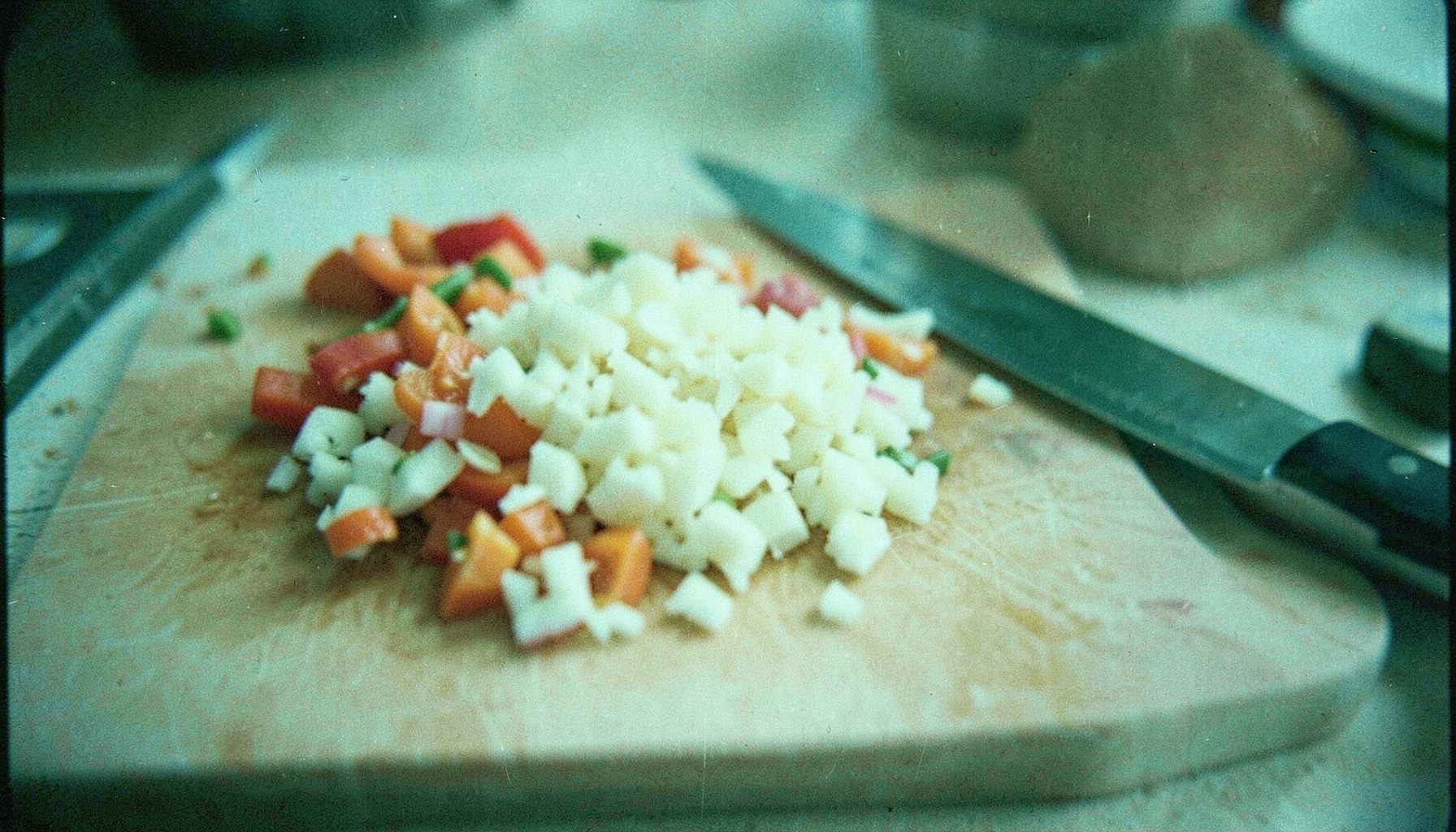 ▶
Clarifying Clarified Butter
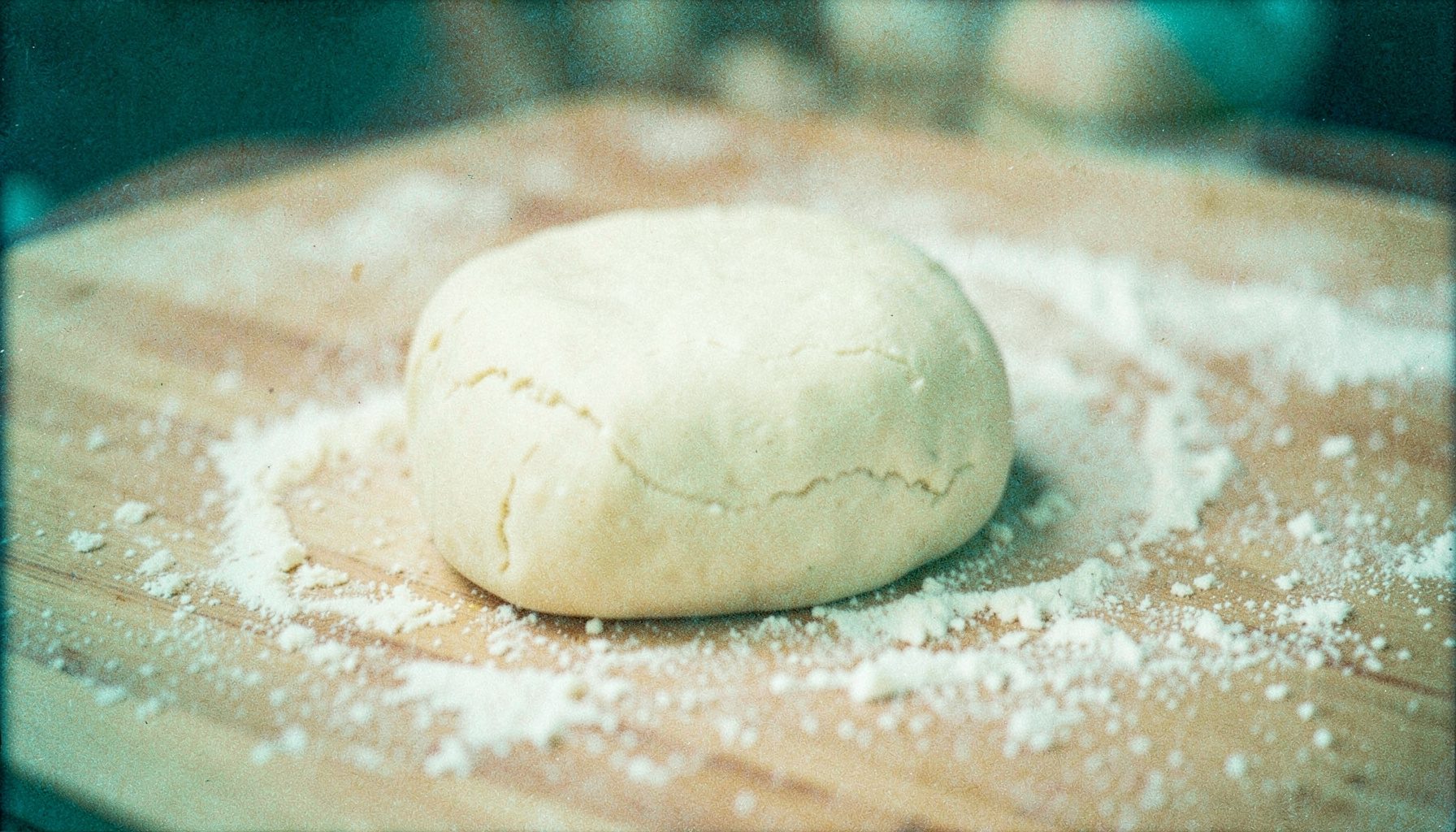 ▶
Blueberry Dumplings
Quick Chicken and Vegetable Stir-Fry with Ginger
There are nights when the last thing anyone wants to do is stand at the stove for an hour, and there are nights when the answer is a wok, a splash of soy and something sharp and fresh to lift the whole plate. This quick chicken and vegetable stir-fry with ginger sits neatly in the middle of both: dinner on the table in roughly half an hour, with real crunch, warm aromatics and none of the mush that so often sneaks into a rushed stir-fry.
The technique is not complicated. It comes down to cutting everything the same size, getting the pan properly hot, and mixing the sauce before the chicken goes anywhere near the oil. Do those three things and the rest is mostly stirring, plus the time it takes to boil the rice. The measurements below are metric, the way we cook down here, and the whole thing scales without drama from two people to a family table.
Why This Stir-Fry Earns a Place at the Dinner Table
A weeknight dinner in Australia has to survive a lot of competing demands. There are school pickups, footy practice, swimming lessons, a car that needs servicing and a spouse who gets home later than you do. A meal that comes together in one pan, in the time it takes to make a cup of tea, is not a compromise. It is relief.
This stir-fry also solves the leftover problem, which is half of real household cooking. Cook a double batch and tomorrow's lunchbox is already sorted, or slice extra chicken and keep it in the fridge for a flatbread on a busy Friday. The flavour holds better than most, because ginger and soy keep working their quiet magic in the background rather than turning the chicken rubbery.
From a nutrition point of view, it is a genuinely good plate: lean protein, three or four vegetables, a handful of fresh herbs and a sauce built from soy, vinegar and a little honey rather than a jar of something heavy. Colour matters too, and a stir-fry lets you use whatever the market has given you that day, so the plate changes without the method changing.
Choosing Chicken and Vegetables the Australian Way
Start with a supermarket run, whether that means Coles, Woolworths or the little IGA around the corner. Look for chicken breast or thigh fillets in the chilled section, and if you have a butcher nearby, ask them what is freshest that day. Breast cooks quickly and takes on the sauce cleanly; thigh is a little richer and more forgiving if you tend to overcook. Both work here. Buy around 400 grams for four people, and trim off any excess fat before you start.
For vegetables, keep it simple and keep it colourful. Broccoli florets, sliced capsicum, carrot cut into thin coins or matchsticks, snow peas and a few spring onions all behave well in a hot pan. Broccoli can feel expensive if you buy a whole head, so look for the bagged florets or the trimmed pieces that are marked down late in the day. Red and yellow capsicum bring sweetness and a bit of crunch, and they hold their shape better than cucumber or courgette, which release water and turn the sauce thin.
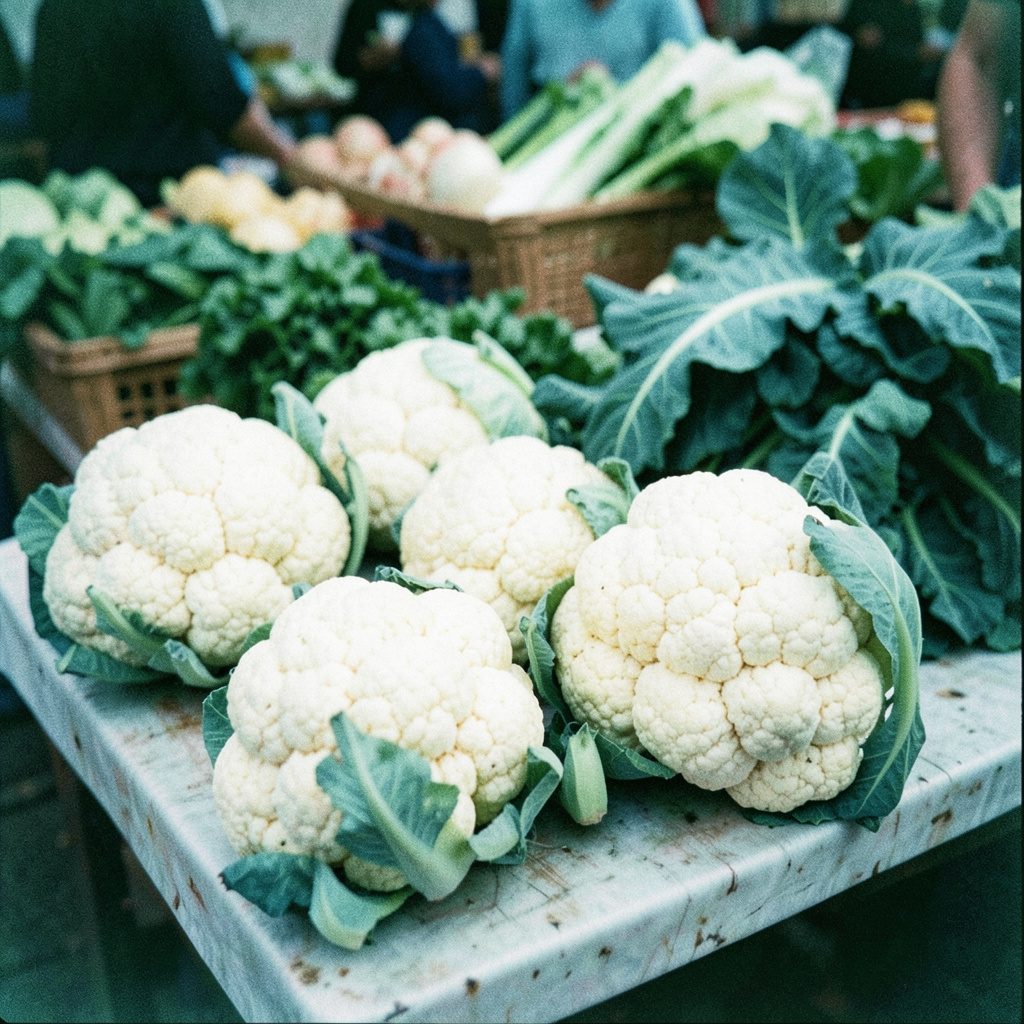
Timing and season matter as much as price. Our growing seasons run opposite to those in the northern hemisphere, which means broccoli and cauliflower are at their best through the winter months of June to August, while snow peas and broad beans shine in spring. If you have access to a growers' market, Queen Victoria Market in Melbourne or a Saturday farmers' market in your city will have produce that has never seen a plastic container. Buy what looks good rather than what a recipe tells you to buy. If you want to plan more dinners before you shop, what to eat today is a useful place to gather fresh ideas.
The Sauce: Where Fresh Ginger Takes Charge
Ginger is the engine of this dish, so treat it with respect. Buy a firm knob with skin that is thin and smooth, then peel it and grate the pale flesh as finely as you can manage. A Microplane does the job in seconds. Grated ginger gives up its flavour faster than slices, which is what you want in a fast stir-fry, and it also settles into the sauce without leaving fibrous bits behind. Grate a whole knob, keep it in a sealed container in the fridge, and it will last three weeks or more. You can also tip some grated ginger into an ice cube tray with a splash of water for the days you only need a small amount.
The sauce itself is a simple balance of salty, sweet, sour and hot. Light soy sauce provides the salt and depth, a teaspoon of honey or brown sugar rounds it off, a splash of rice vinegar sharpens it, and sesame oil adds a roasted note that no substitute quite covers. Chilli flakes or a spoon of sweet chilli sauce handle the heat, and a little cornflour slurry thickened with cold water gives the sauce the gloss and cling you see in a restaurant version. Add the cornflour at the very end, and stir it in off the heat, or it will go gluey.
Taste the sauce on a spoon before it goes near the pan, adjusting with a dash more vinegar or honey until it tastes balanced on its own. It will taste stronger in the finished dish, because the chicken juices and the vegetable water dilute it slightly.
Cooking the Wok Without Wasting a Minute
Everything gets cut and measured before the heat goes on. That single habit is the difference between a calm stir-fry and a frantic one. Put the rice on first, because it takes the longest and needs the least attention. Slice and grate everything, mix the sauce in a bowl, and line up the ingredients in the order they will go in: chicken, then hard vegetables, then softer ones, then aromatics, then sauce.
Heat a wok or a large heavy pan until it is properly hot. A drop of water should skitter across the surface and vanish in a second, not sit there sulking. Add a tablespoon of neutral oil, then the chicken in a single layer and leave it alone for two minutes before stirring. Crowding the pan drops the temperature and starts the steaming that leads to pale, rubbery chicken. Brown it in two batches if your pan is not enormous, then transfer it to a plate.
Next comes the harder vegetables, a minute or two of tossing in the same hot oil, followed by the softer ones and the ginger and garlic for the final thirty seconds. When the vegetables still have bite and the kitchen smells like ginger and soy, return the chicken, pour in the sauce, and toss for another minute until everything is coated and glossy. Take the pan off the heat, stir in the cornflour slurry, and let the residual heat finish the job.
Handy Lists for a Fast Weeknight Meal
Here is a short shopping list to keep the trip to the shops quick, plus some easy substitutions for the nights when the fridge is looking bare. Both lists work with the same method, so nothing needs rethinking at the stove.
What to buy for the stir-fry:
- 400 grams chicken breast or thigh fillets, sliced across the grain
- A knob of fresh ginger, plus three or four cloves of garlic
- Broccoli florets, one capsicum and a couple of carrots
- Light soy sauce, rice vinegar, sesame oil and honey for the sauce
- Spring onions, coriander and a bag of rice to serve alongside
Easy swaps if the fridge is nearly bare:
- Firm tofu or prawns in place of the chicken, with the same timing
- Frozen peas and corn for the vegetables, straight from the freezer
- Canned bamboo shoots or water chestnuts for extra crunch
- Grated parmesan or peanuts over the top instead of sesame seeds
- A splash of mirin or sherry vinegar in place of rice vinegar
Serve It Warm and Keep Coming Back
Spoon the rice into bowls, pile the stir-fry over the top, and finish with sliced spring onion, a scatter of coriander and a teaspoon of toasted sesame seeds if you have them. Eat it while it is hot, because stir-fry waits for nobody and the vegetables lose their snap as they sit. A squeeze of lime over each bowl wakes everything up, especially on a warm evening when the windows are open and the last of the arvo sun is still on the balcony.
If you are cooking for later, keep the sauce and rice separate in the fridge and combine them just before you leave the house, so the vegetables stay crisp through lunch. Grated ginger also freezes happily in small portions, and a double batch of sauce keeps for a week in the fridge, which quietly turns this into a recipe you can pull together on autopilot.
Tonight, pick up a knob of ginger, a good pan and something colourful from the market, and make this the dinner you look forward to all afternoon. Come and Cook with Us has plenty more weeknight recipes, baking guides and fresh ideas waiting, so keep an eye on the table for what to cook next.
Meet the cooks
Two friends, two kitchens, one shared notebook.

Jessica
"I write down what worked, what flopped, and what to try next week."

Kathrin
"Recipes should leave room for the fridge and the season."
Get in touch
We read every message.