Easy, Fresh and Colorful Meals
A friendly food journal by Jessica and Kathrin, gathering simple soups, bright vegetables, and quick weeknight fixes for cooks who want to put a good meal on the table without fuss.
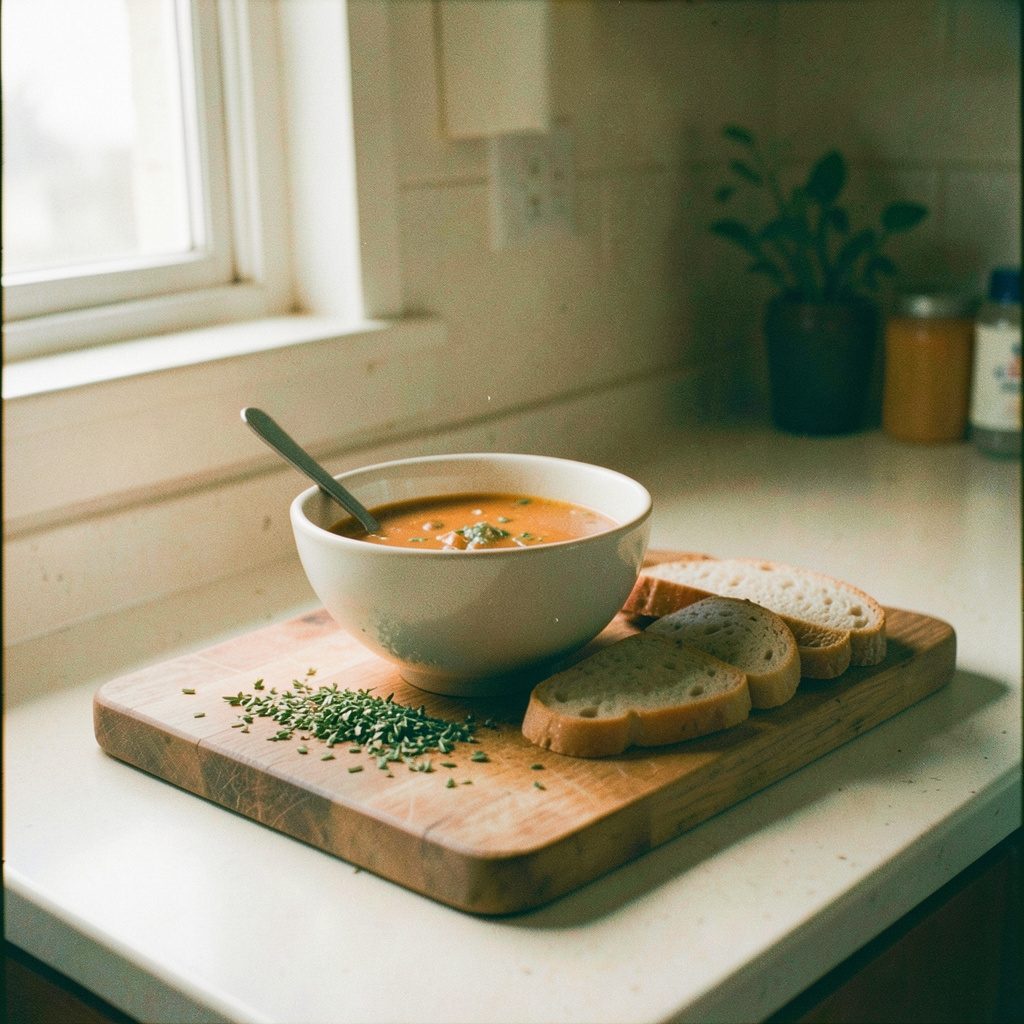
From the kitchen
A few of the meals we've been making lately.

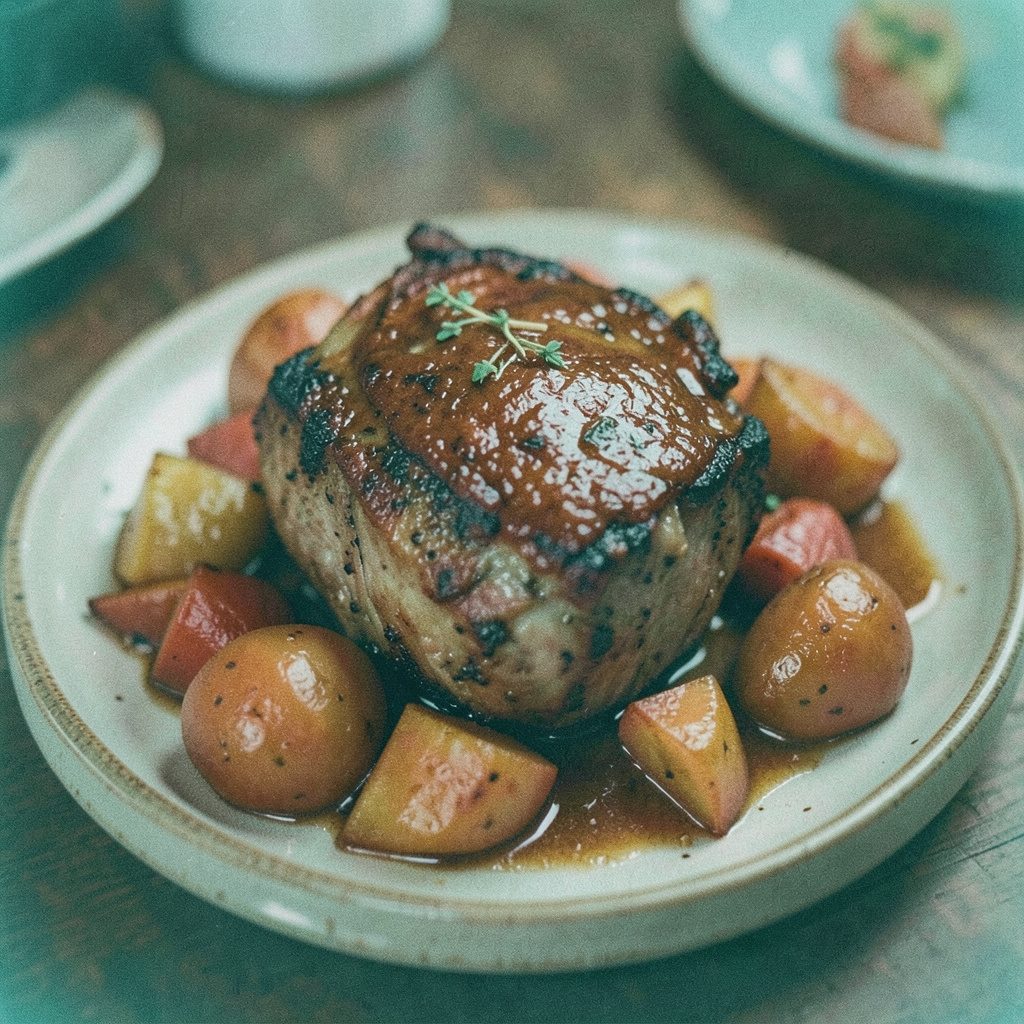
Watch & cook
Short clips from the kitchen.
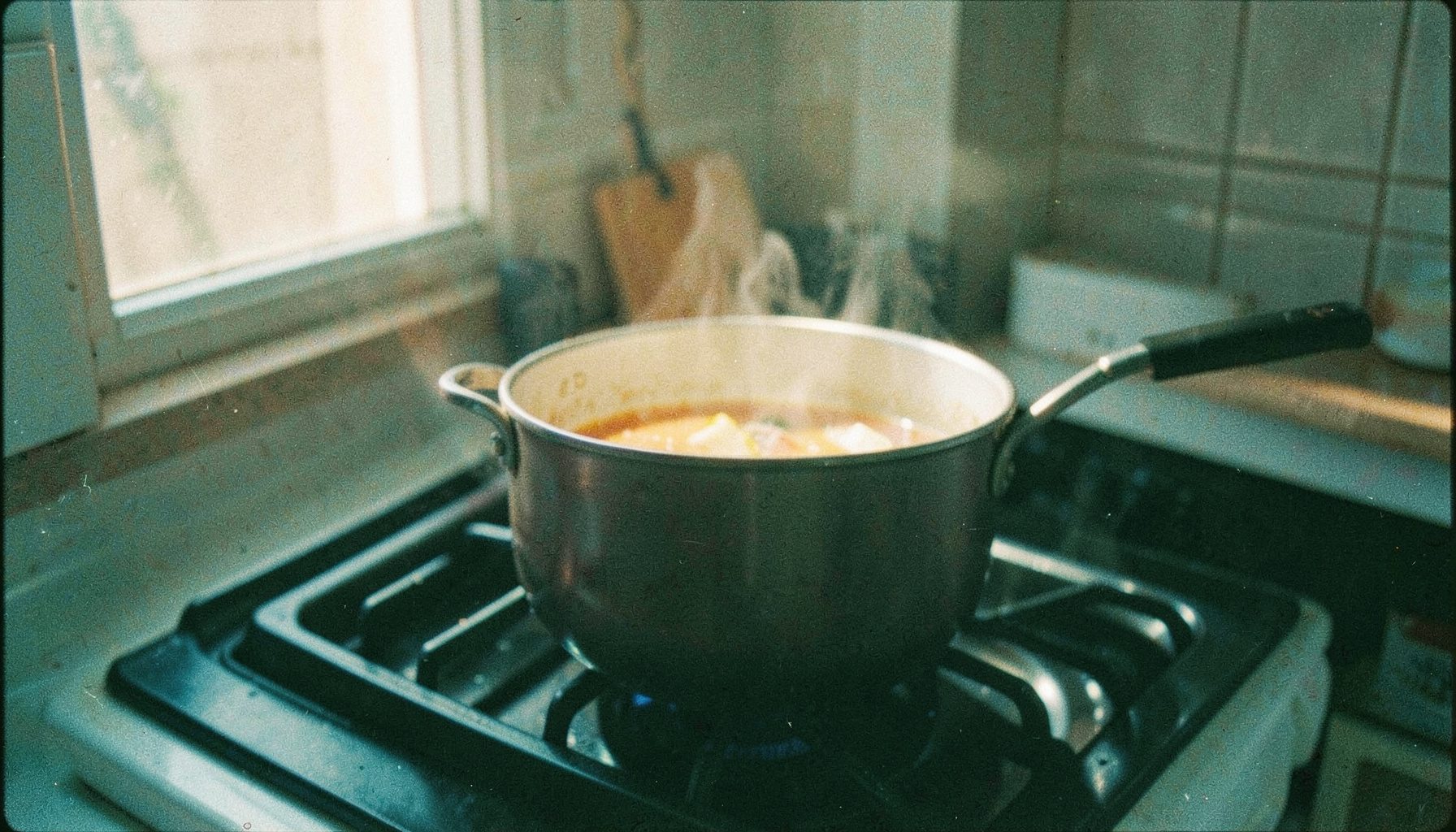 ▶
Surf and Turf in a Soup
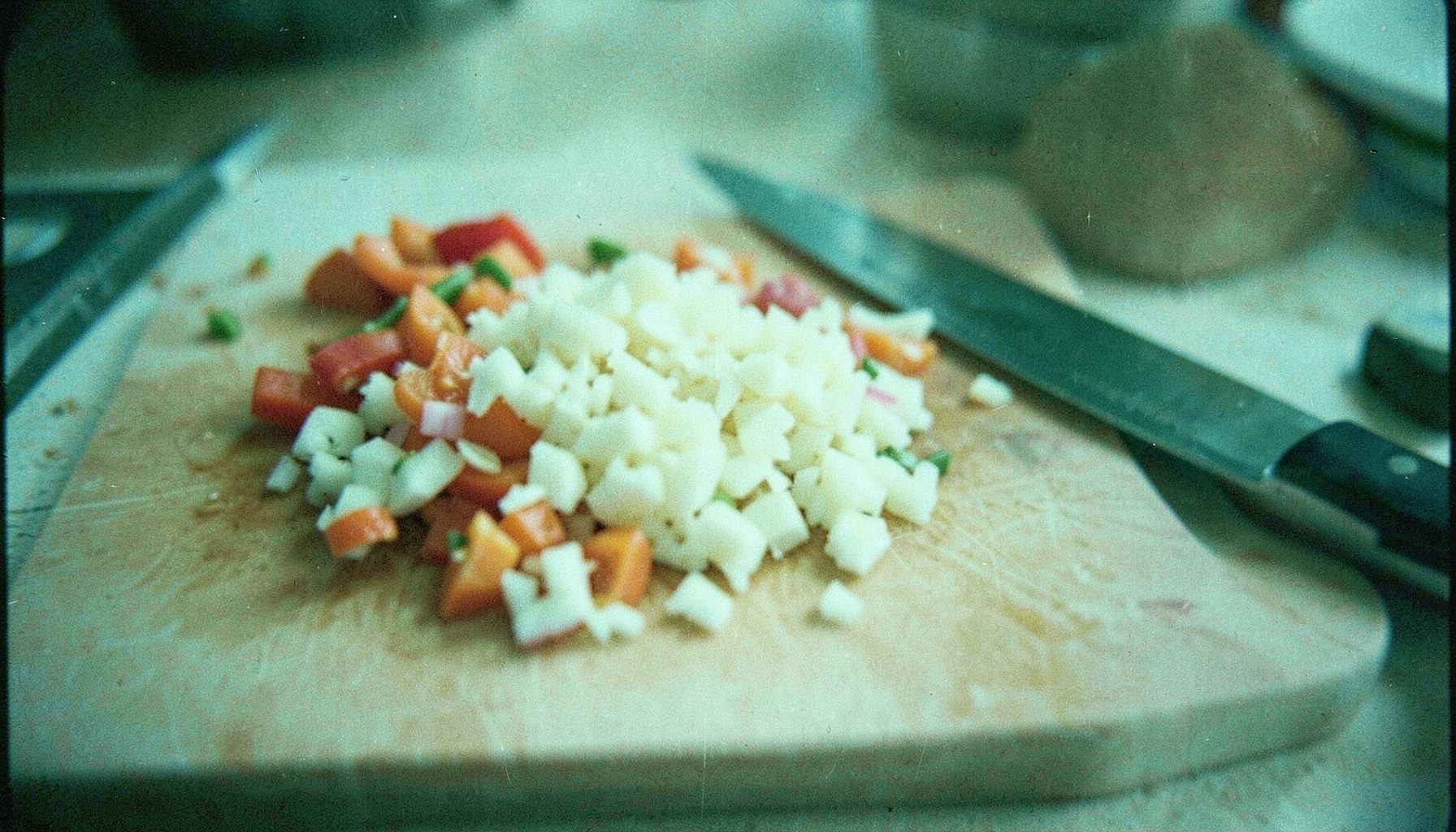 ▶
Clarifying Clarified Butter
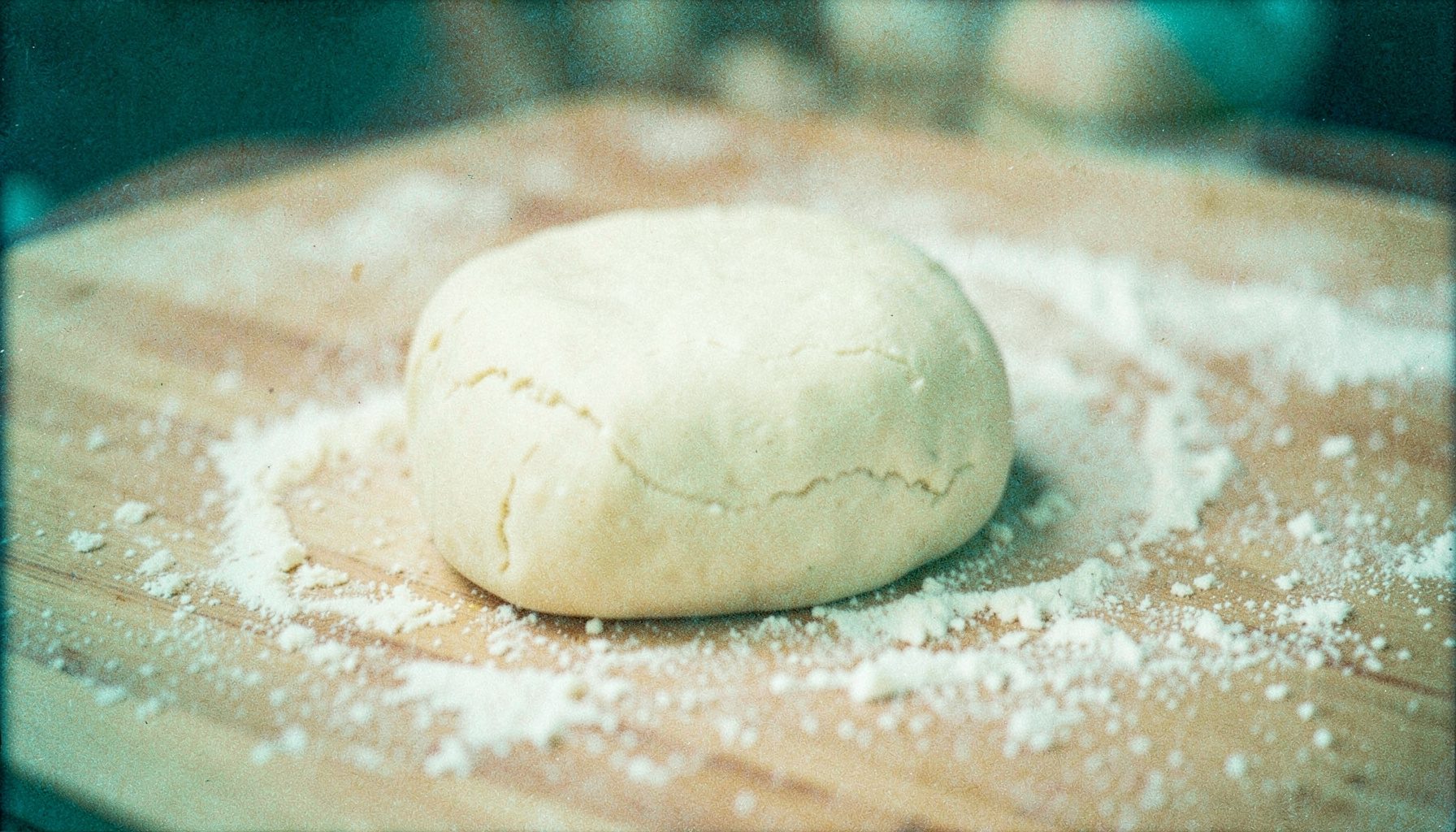 ▶
Blueberry Dumplings
No-knead focaccia with rosemary and sea salt
There are weekends when the kitchen should smell of warm bread rather than last-minute dinner. This no-knead focaccia with rosemary and sea salt turns simple staples into a chewy, olive-oil-rich slab with a burnished base, airy pockets and a scattering of green herbs. The dough rests while you get on with the day, so most of the effort is measured in minutes rather than kneading.
The method suits Australian home cooks because it asks for patience, not strength. Mix the dough before breakfast, let it stand overnight, then stretch and bake it when the household slows down. It works for a Saturday lunch, a family dinner or something extra for the weekend table, and the generous pan makes cutting generous squares easy.
Fresh rosemary brings a piney edge, while flaky salt stays visible on top and seasons the crumb. Serve it warm with soup, fold pieces around cheese, or tear off chunks beside coffee. The result is less like a flat loaf and more like the rustic bread Australians buy from bakeries on market mornings.
Why this bread fits an Australian kitchen
Home baking often moves between school lunchboxes, workday snacks and relaxed dinners, and this loaf can appear in all three without becoming another complicated project. In Sydney, Melbourne and Brisbane, a batch made on Sunday can cover sandwiches through the week; in cooler months, the same dough can proof more slowly on a bench, developing a deeper flavour.
Fresh ingredients are easy to source. Look for strong bread flour and instant yeast in the baking aisle at Coles or Woolworths, then choose rosemary at a greengrocer or a stall such as Queen Victoria Market in Melbourne or Adelaide Central Market. Local herb bunches are often more fragrant than the small plastic pots, and a few stems are enough for the whole pan. This practical, flavour-first approach matches the spirit of Come and Cook with Us, whose guiding principles put fresh food and an approachable kitchen at the centre.
One practical point comes from Australian food labelling law. Food Standards Australia and New Zealand requires wheat to be declared on labels for packaged food sold in Australia. That rule does not change a homemade recipe, but it is worth telling guests and keeping the ingredient list handy when serving someone who avoids gluten.
Ingredients and timing for a relaxed bake
Assemble the dough with the following ingredients:
- 500 g strong white bread flour
- 7 g instant yeast
- 10 g fine sea salt
- 420 g lukewarm water, around 30–35°C
- 4 tablespoons extra-virgin olive oil, divided
- 2 sprigs fresh rosemary, with the leaves picked and finely chopped
The strong flour gives the dough enough structure for a high, irregular crumb. Ordinary flour may still work, but the bread could spread more in the pan. Finely chop the rosemary so its aromatic oils release into the dough during the long rest rather than sitting in whole, woody sprigs.
For the tin and the finish, have these ready:
- A 30 x 40 cm deep, ovenproof baking pan
- 1 tablespoon olive oil for the dough
- 2 tablespoons olive oil for the pan
- 1 tablespoon olive oil for the surface
- 2 teaspoons flaky sea salt
The overnight rest does most of the gluten development that kneading would normally provide. Allow 12–18 hours at a cool room temperature, or chill the covered dough for up to 48 hours. A longer rest produces a more pronounced tang and makes the dough easier to stretch, although it remains quite sticky.
From rested dough to crisp edges
Stir the flour, yeast, salt, rosemary and water together until no dry patches remain, then mix in the reserved tablespoon of olive oil. The mixture will look shaggy and loose rather than smooth, which is exactly what you want. Cover the bowl and leave it undisturbed overnight.
Once the dough has rested, oil the baking pan generously. Turn the dough into it and use oiled hands to press it gently toward the corners. Avoid pulling hard when it resists; let it relax for a few minutes, then continue stretching. Cover and leave at room temperature for another two to three hours, or until the dough looks puffed and fills the pan.
Preheat the oven to 220°C conventional or 200°C fan-forced. Press your fingertips firmly into the risen dough to create deep dimples, then drizzle the surface with the remaining oil and scatter over the flaky salt. Bake for 22–28 minutes, until the top is golden and the edges have darkened. Leave the focaccia in the pan for about 10 minutes before turning it onto a rack, as cutting it while very hot can make the crumb gummy.
Make rosemary, oil and salt sing
Fresh rosemary is at its most aromatic when the leaves are soft and the stems still hold their shape. Use the leaves from two sprigs in the dough, then add a few tiny leaves over the top if you want a stronger herbal finish. If rosemary is unavailable, use one teaspoon of dried leaves, although the flavour will be more woodsy and less bright.
Good olive oil contributes flavour as well as moisture, so choose an extra-virgin oil with a peppery or grassy taste. Fine sea salt works in the dough because it dissolves evenly, while the flaky crystals added before baking provide texture and visible bursts of salt on the crust. Taste the dough before baking if your salt is unusually coarse, since it may need less than the quantity listed.
The bread is equally good without other toppings, but a few additions can suit the season. Add sliced cherry tomatoes and black olives before dimpling, scatter grilled strips of capsicum over the top, or serve the plain loaf alongside roasted eggplant, goat’s cheese and a leafy salad. For a simple family meal, warm slices with butter and soup; for lunchboxes, cut the bread into thick fingers rather than thin sandwich slices.
Bring the focaccia to the table
A full pan gives everyone room to choose a square, a corner piece or a generous torn chunk. Place it in the centre of the table with a bowl of soup, a plate of tomatoes and a small dish of olive oil for dipping. It also makes an informal afternoon bread when sliced onto a board with cheese, fruit and a pot of coffee.
Leftovers keep well because the crumb is moist rather than fragile. Store the focaccia in an airtight container at room temperature for up to two days, then refresh it in a hot oven for five minutes. It can also be frozen in portions and reheated directly from the freezer at 180°C until warm.
Make the dough tonight, bake it when you are ready, and bring the rosemary-scented loaf to the table while it is still warm.
Meet the cooks
Two friends, two kitchens, one shared notebook.

Jessica
"I write down what worked, what flopped, and what to try next week."

Kathrin
"Recipes should leave room for the fridge and the season."
Get in touch
We read every message.