Easy, Fresh and Colorful Meals
A friendly food journal by Jessica and Kathrin, gathering simple soups, bright vegetables, and quick weeknight fixes for cooks who want to put a good meal on the table without fuss.
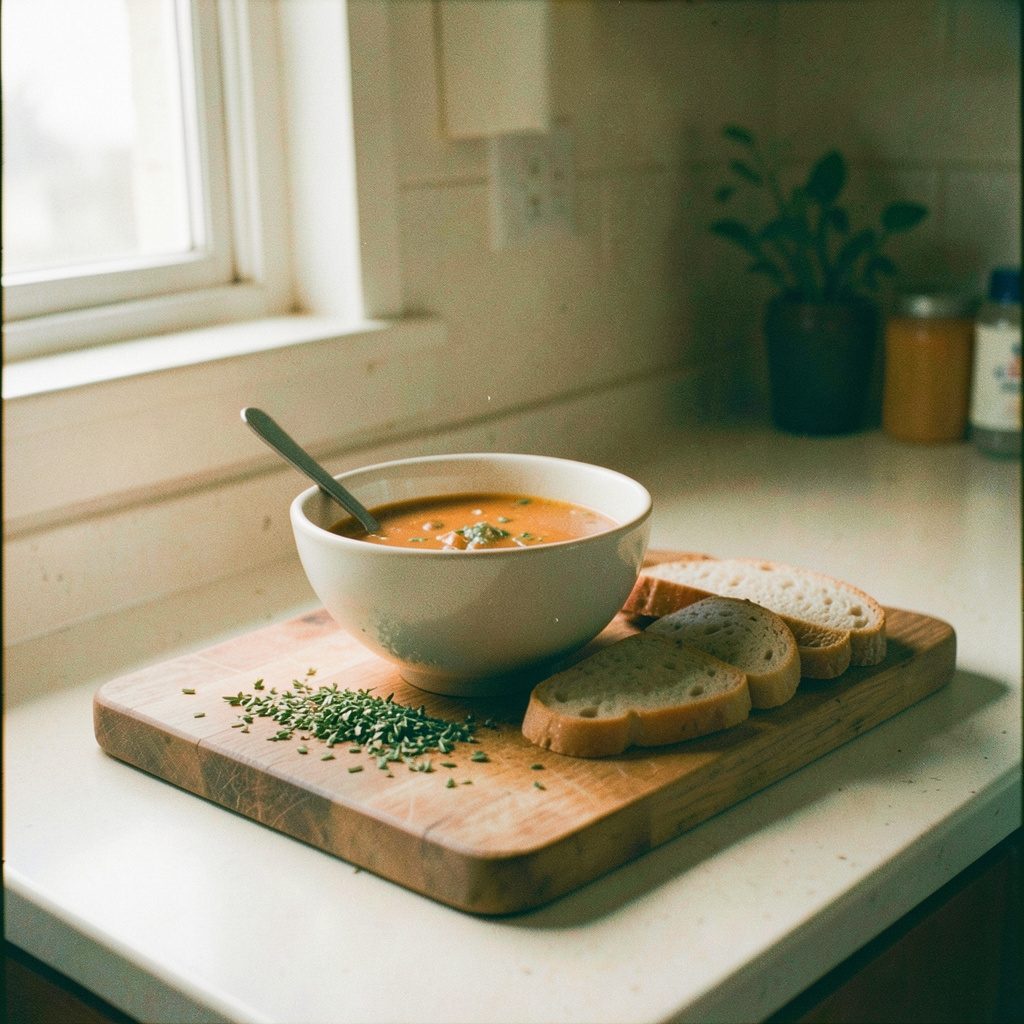
From the kitchen
A few of the meals we've been making lately.
Watch & cook
Short clips from the kitchen.
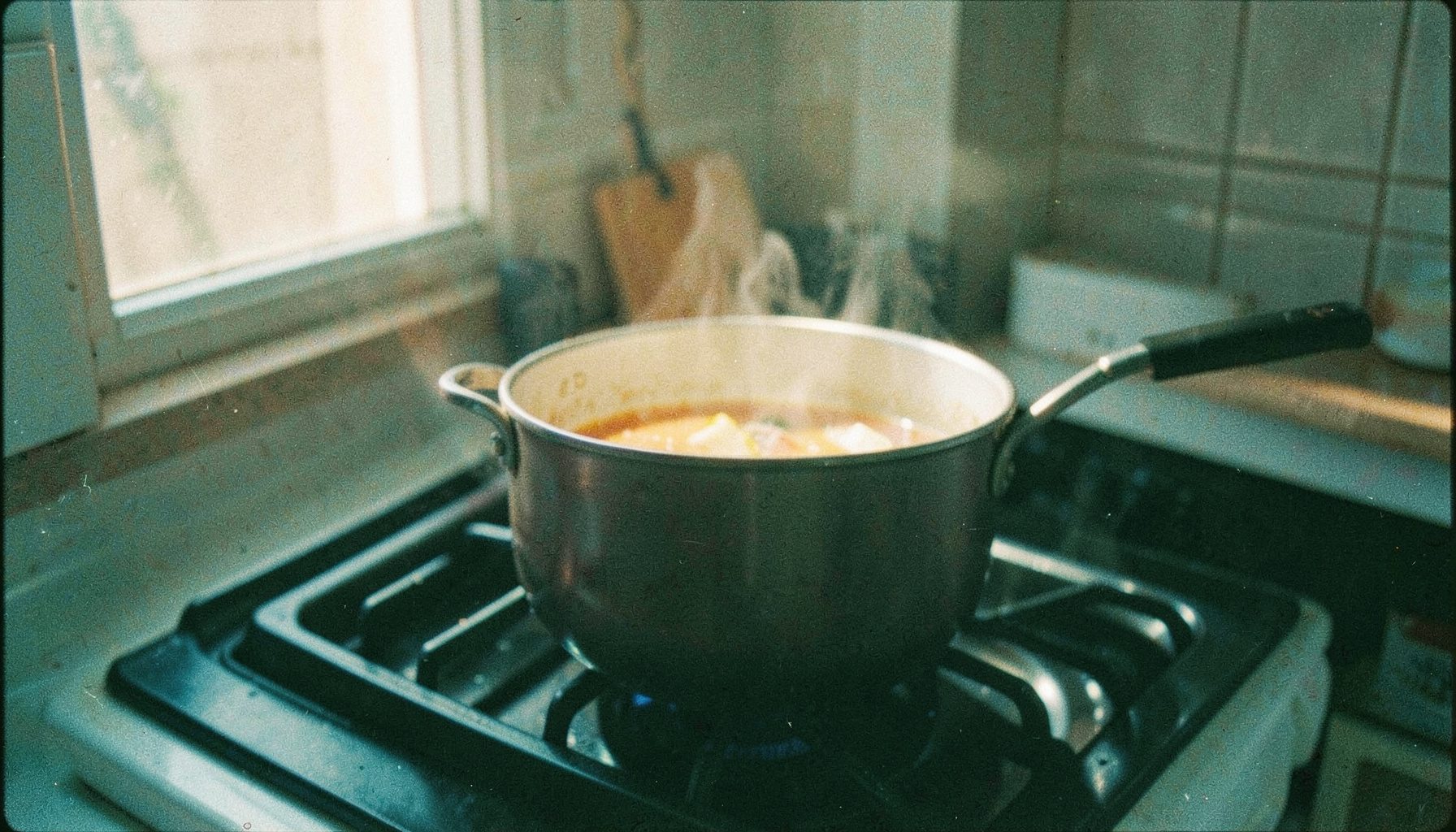 ▶
Surf and Turf in a Soup
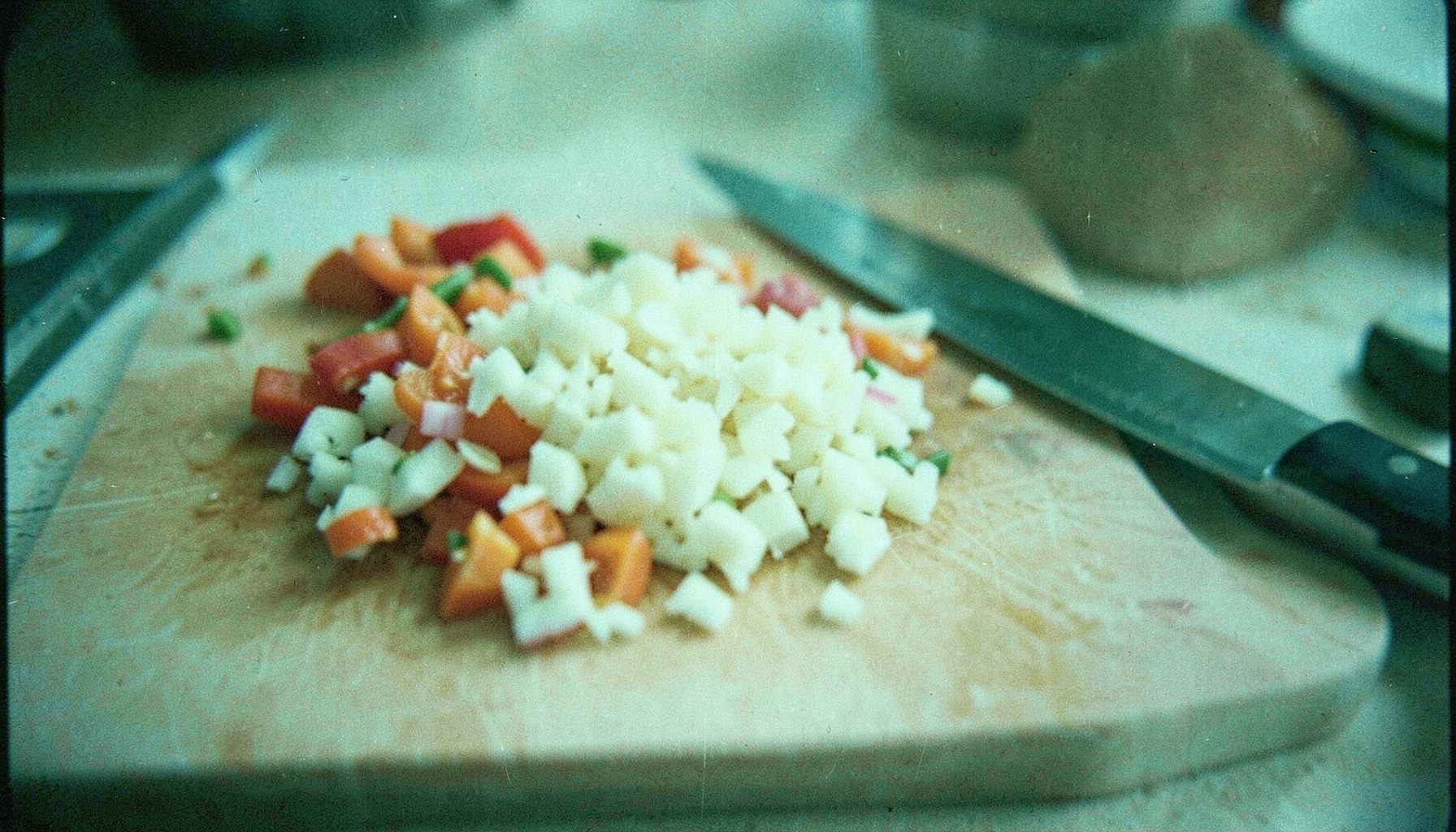 ▶
Clarifying Clarified Butter
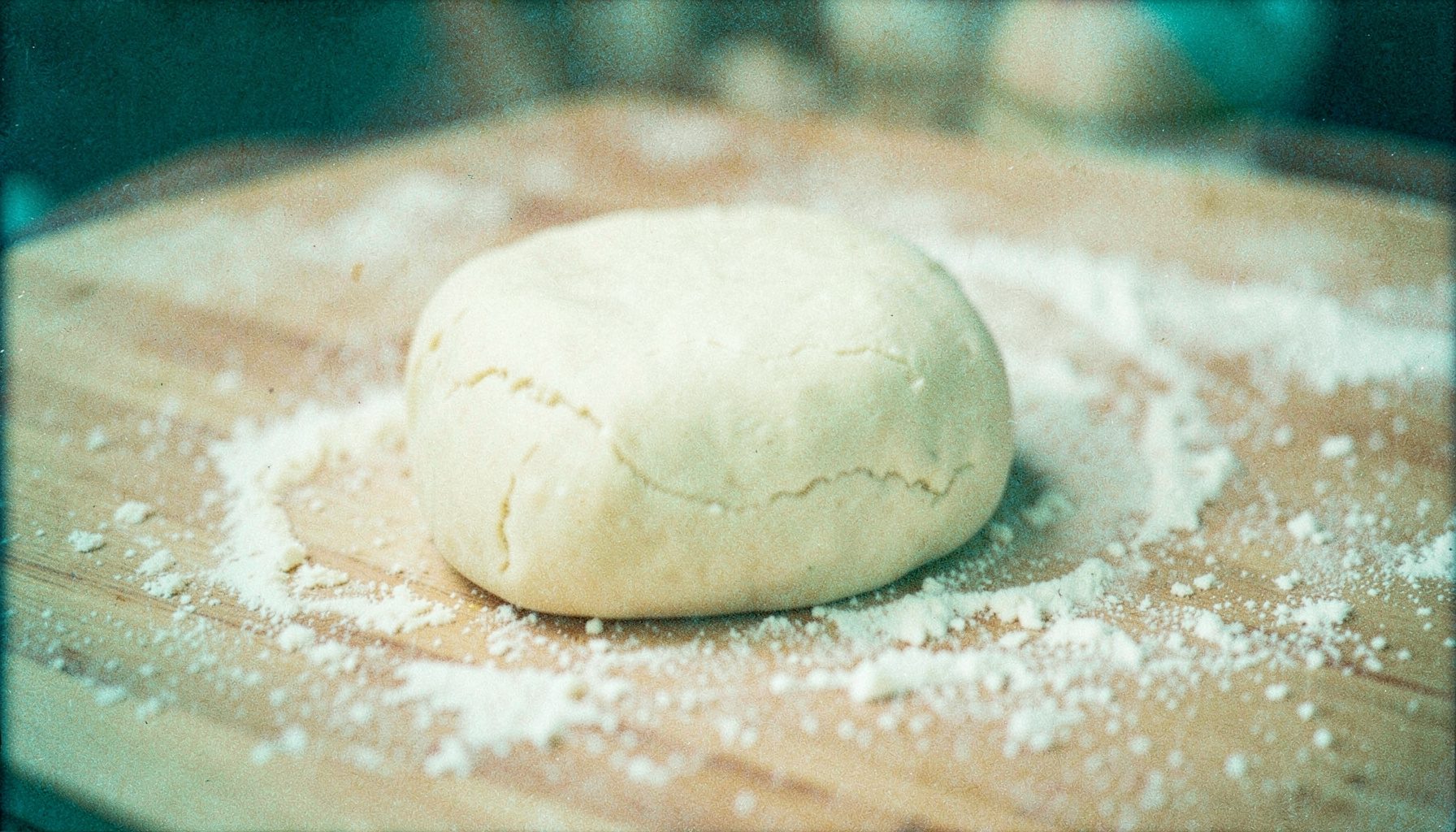 ▶
Blueberry Dumplings
Bright Thai basil chicken for a fast, fragrant dinner
Pad krapow is the kind of dinner that delivers far more than its short cooking time suggests. This bright and spicy Thai basil chicken (Pad Krapow) combines deeply savoury chicken with the peppery fragrance of Thai basil, fiery chilli and a glossy sauce. It is the sort of meal we want when the kitchen is busy but dinner still needs to feel generous, fresh and full of character.
The secret is not an complicated list of exotic ingredients. It is hot cooking, well-balanced seasoning and the timing of the basil. A properly seared wok gives the chicken lightly caramelised edges, while a splash of sauce at the end creates that savoury restaurant-style finish. Add vegetables for colour and serve everything over steaming jasmine rice for a complete dinner in about half an hour.
Thai basil is now easier to find across Australia, although its availability still varies. It may be labelled Thai basil, holy basil or even Thai holy basil at an Asian supermarket in Sydney or Melbourne. If you cannot find it at your local grocer, use regular basil for a milder result, or grow your own in a warm, sheltered position. Just remember that basil belongs at the end of the stir-fry, not the beginning.
Gather the Thai pantry staples
For four servings, start with 600 grams of boneless chicken thighs, thinly sliced across the grain. Thighs stay juicy and pair beautifully with a salty sauce, although breast fillets work well if you slice them evenly. Coarse salt and plenty of ground white pepper help create the peppery aroma associated with classic pad krapow. One tablespoon of cornflour gives the chicken a lightly crisp exterior without making it taste starchy.
Choose your chillies according to the heat you prefer. Fresh bird’s eye chillies are intensely fiery but small, while long red chillies bring a cleaner warmth. One or two are usually enough for four people, especially alongside fish sauce and oyster sauce. Four garlic cloves, finely sliced, provide a pungent foundation. Shallots can be used if garlic is not your preference, but the combination of raw garlic and chilli is especially characteristic of the dish.
The vegetables should be crisp and colourful rather than soft. A red capsicum adds sweetness and visual appeal, while green beans bring welcome crunch. Snow peas, broccoli or Asian eggplant also work, depending on what is fresh in the fridge. Serve the stir-fry with jasmine rice, or add quick-cooked noodles for a change.
A Thai or broader Asian supermarket is the best place to stock the less familiar ingredients. Cabramatta in Sydney and Richmond in Melbourne have excellent choices of Thai chillies, fish sauce and fresh herbs, and many suburban Australian supermarkets now carry Thai basil and jasmine rice. If you are shopping at a local market, ask the greengrocer for small, vibrant basil bunches with firm leaves and purple stems. Those stems are a useful sign of freshness.
For the sauce, combine two tablespoons of fish sauce, one tablespoon of oyster sauce, one teaspoon of light soy sauce and one teaspoon of palm sugar or brown sugar. Fish sauce supplies salt and a rounded savoury note, oyster sauce adds mellow umami, and soy sauce contributes extra depth. A teaspoon of rice vinegar can sharpen the flavour if your basil is mild. Sambal oelek is useful as a chilli paste alternative when fresh chillies are unavailable.
Mix a sauce with savoury depth
Mix all the sauce ingredients in a small bowl before heating the wok. This simple step ensures the chicken, garlic and vegetables are evenly seasoned, rather than relying on fish sauce being poured over an uneven pile of ingredients. It also gives you control over the saltiness: use the full amount of fish sauce if the oyster sauce is salty, but reduce it slightly if your preferred brand has a particularly intense flavour.
Taste the sauce before adding it to the pan. It should taste strongly savoury, faintly sweet and pleasantly sharp, with enough chilli to make the meal exciting. Remember that it will become more intense as it reduces. If it seems too salty, add a tablespoon of water; if it feels flat, a dash more fish sauce or a small pinch of sugar will restore the balance.
White pepper deserves a place alongside the chilli. Its floral warmth is different from the heat of chilli and helps produce the peppery fragrance that makes krapow so memorable. Use freshly ground pepper if possible, as it has a brighter aroma than the flavour already sitting in a jar. Ground coriander can provide a pleasant citrusy variation, but it should not replace the white pepper.
Keep the sauce close at hand once cooking begins. It will bubble rapidly in a hot wok, and having it mixed in advance prevents the pan from cooling while you measure ingredients. You can also prepare the garlic and chillies while the rice is cooking, then treat the stir-fry itself as the final, fast part of the meal.
Give the chicken a hot, seared finish
Heat a wok or large frying pan until it is very hot. Add two tablespoons of a neutral oil with a high smoke point, such as canola or sunflower oil, and swirl it around the surface. If you prefer the nutty aroma of traditional Thai stir-frying, use peanut oil. The chicken should touch the pan in a single layer where possible; crowding the pan lowers its temperature and produces steamed rather than seared meat.
Toss the sliced chicken with the cornflour and a small pinch of white pepper, then spread it out. Leave it undisturbed for the first minute so the edges can develop a light golden crust. Cook for another two to three minutes, turning only once, until the chicken is mostly cooked and browned in patches. If necessary, transfer it to a plate while you cook the vegetables. The chicken will finish cooking in the sauce.
Avoid stirring constantly. Those brief moments of contact with the hot pan are what create flavour through the Maillard reaction, giving krapow its appealing roasted notes. The inside of the wok should be hot enough for a drop of water to sizzle and evaporate almost immediately. A home stovetop may take a little longer to heat than a restaurant burner, so give it time.
Once the chicken has picked up colour, add the sliced garlic and chilli. Fry for about 30 seconds, just until the garlic is fragrant and lightly golden. If the chilli burns, it can make the entire dish bitter, so keep the heat moving at this stage. The aroma released by the garlic, chilli and seared chicken should be enough to signal that dinner is nearly ready.
Add colour, crunch and fresh basil
Return the chicken to the wok, then add the sliced capsicum and green beans. Stir-fry for two to three minutes, keeping the vegetables firm. If you are using tenderstem broccoli, add it with a splash of water and cover the pan briefly; snow peas can go in towards the end so they retain their bite. The goal is to cook the vegetables quickly while preserving their colour, sweetness and crunch.
Pour in the prepared sauce and let it bubble vigorously. Stir to coat the chicken and vegetables, then continue cooking until the chicken is completely cooked through and the sauce looks glossy. The liquid should reduce enough to cling to the pieces rather than pooling at the bottom of the pan. Fresh chicken must reach 74 degrees Celsius internally, so check the thickest pieces if you are unsure.
Now comes the basil. Add a large handful of Thai basil and toss it through the hot sauce for only 15 to 20 seconds. The leaves will wilt and darken slightly, releasing their distinctive peppery, anise-like fragrance. This short cooking time keeps the basil aromatic without turning it into a dull, cooked green. Taste and adjust with a pinch more sugar, fish sauce or chilli as needed.
Regular basil can be used when Thai basil is unavailable, but use it more generously because its flavour is milder. Mint, Vietnamese coriander or a mixture of basil and mint can create a refreshing variation. Avoid dried basil for this dish; it lacks the fragrance and tender texture that make fresh basil essential to a good krapow.
Bring the bowls to the table
Spoon the stir-fry into warm bowls and serve it immediately with fluffy jasmine rice. The sauce should soak lightly into the rice while the chicken remains savoury and the vegetables stay crisp. A fried egg adds richness and turns the dish into an especially satisfying dinner, but it is optional. Lime wedges and extra sliced chilli let each person tune the brightness and heat to suit their meal.
This is also an excellent dish to share around a table. Put the wok in the centre, add serving spoons and let everyone help themselves alongside the rice. The generous, colourful presentation suits a relaxed Friday dinner, yet the short ingredient list makes it equally useful for a busy Tuesday night. Leftovers can be reheated in a hot pan with a splash of water, although the basil will be softer the next day.
For the best result, buy the chicken, basil and chillies on the day you plan to cook. Shop at your local Asian grocer or market for the freshest herbs, choose firm vegetables and have the sauce ingredients ready before the wok gets hot. Make a double batch if friends are coming, because pad krapow is even more welcome the following day for a quick lunch with rice.
Make this bright, fiery stir-fry tonight, then finish it with a generous handful of fresh Thai basil just before it reaches the table. Serve it piping hot with rice, and let the wok-fried aroma fill your kitchen.
Meet the cooks
Two friends, two kitchens, one shared notebook.

Jessica
"I write down what worked, what flopped, and what to try next week."

Kathrin
"Recipes should leave room for the fridge and the season."
Get in touch
We read every message.