Easy, Fresh and Colorful Meals
A friendly food journal by Jessica and Kathrin, gathering simple soups, bright vegetables, and quick weeknight fixes for cooks who want to put a good meal on the table without fuss.
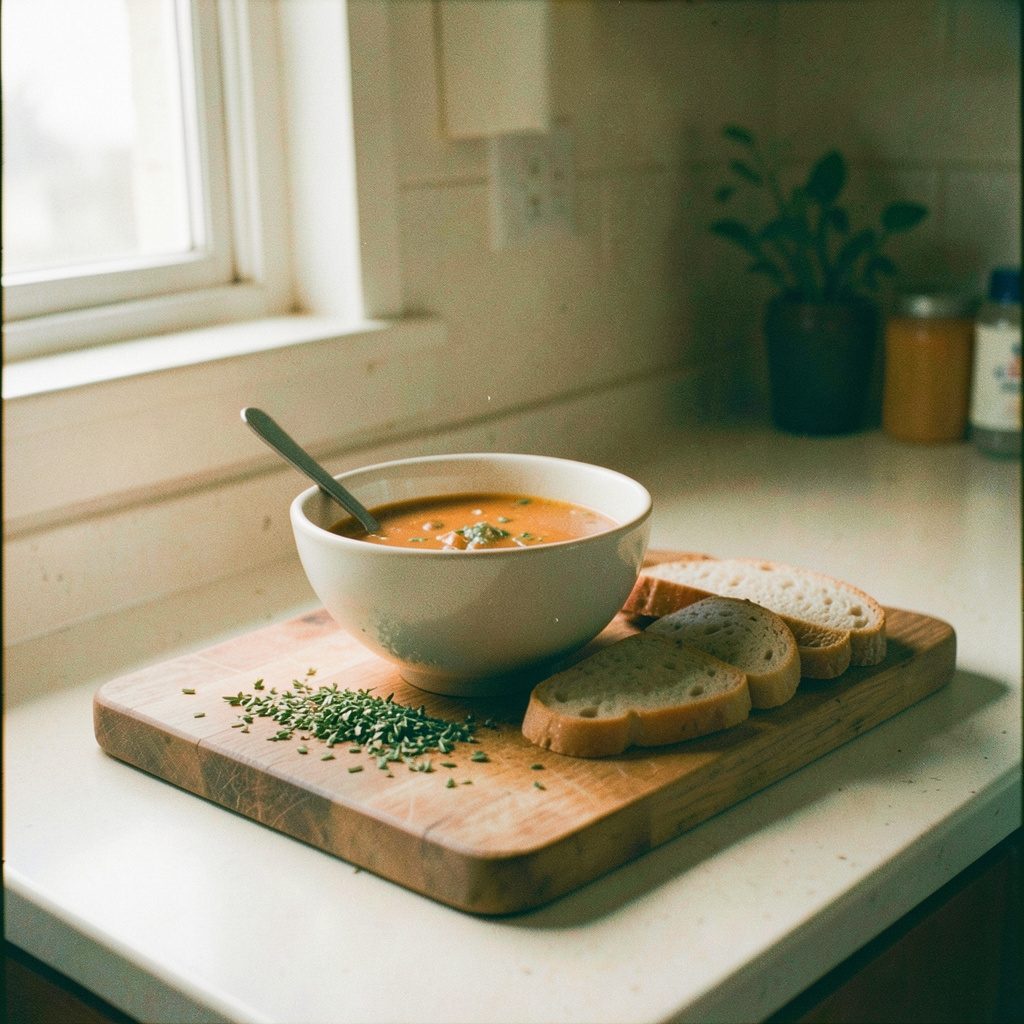
From the kitchen
A few of the meals we've been making lately.
Watch & cook
Short clips from the kitchen.
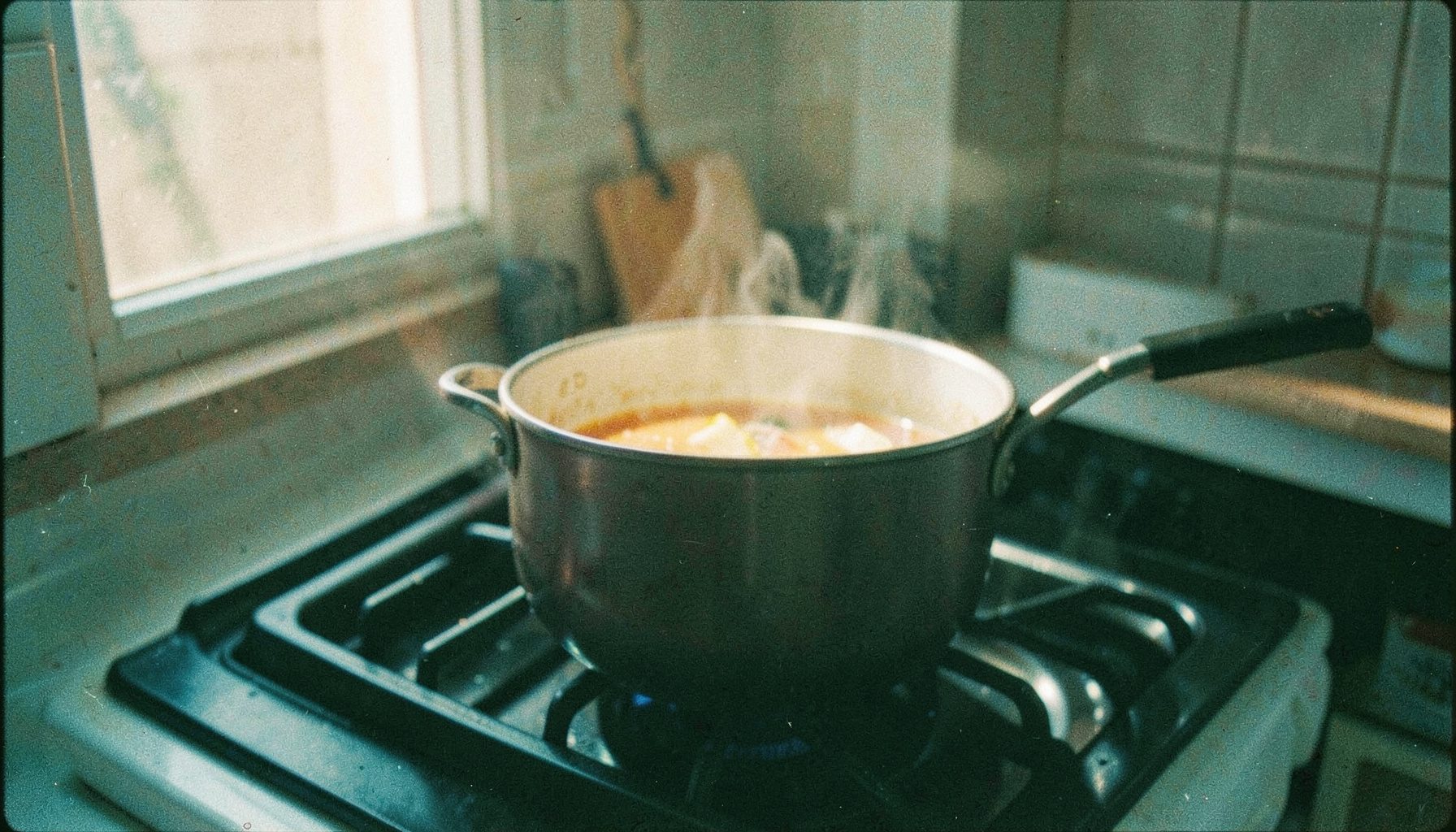 ▶
Surf and Turf in a Soup
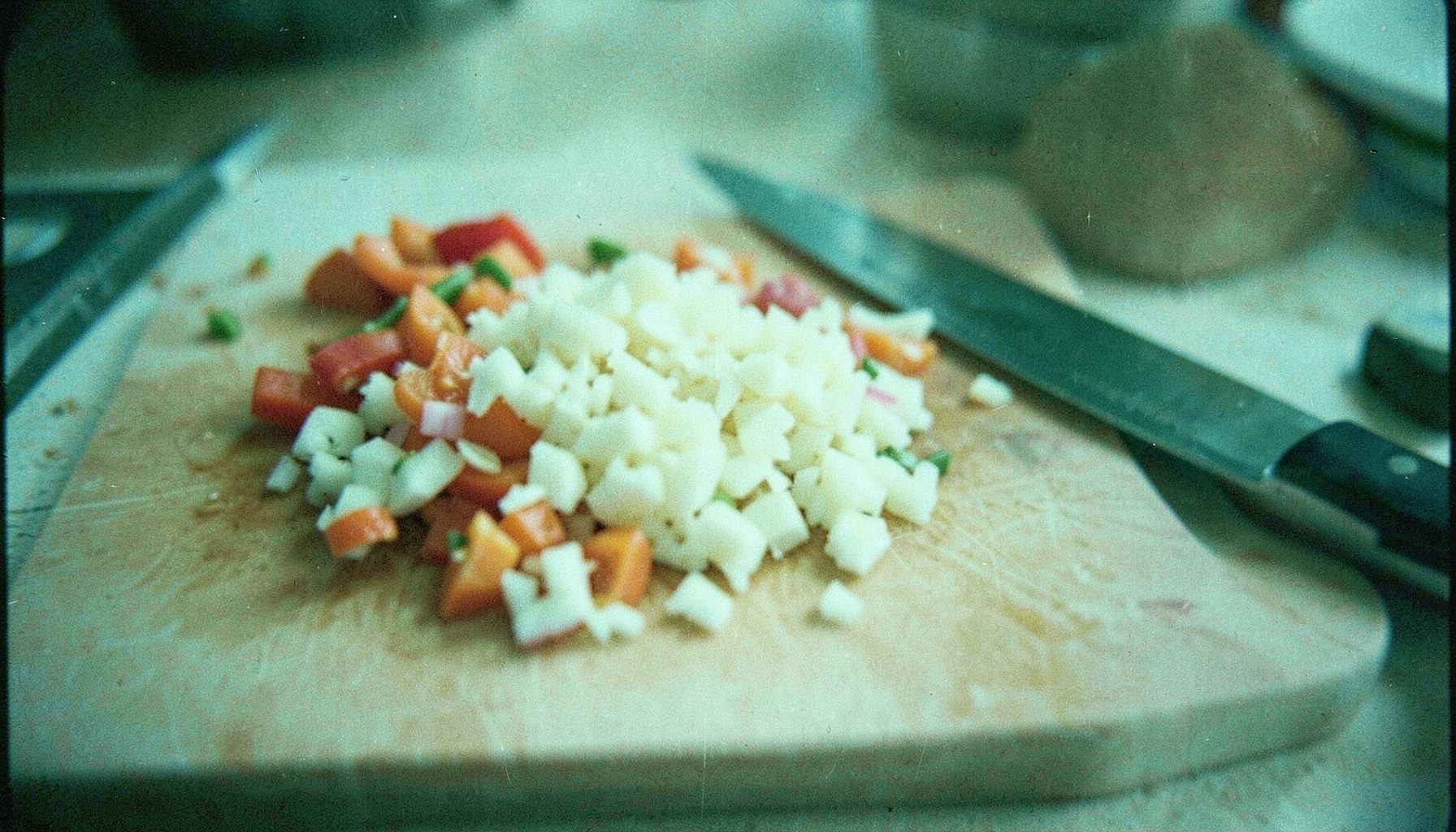 ▶
Clarifying Clarified Butter
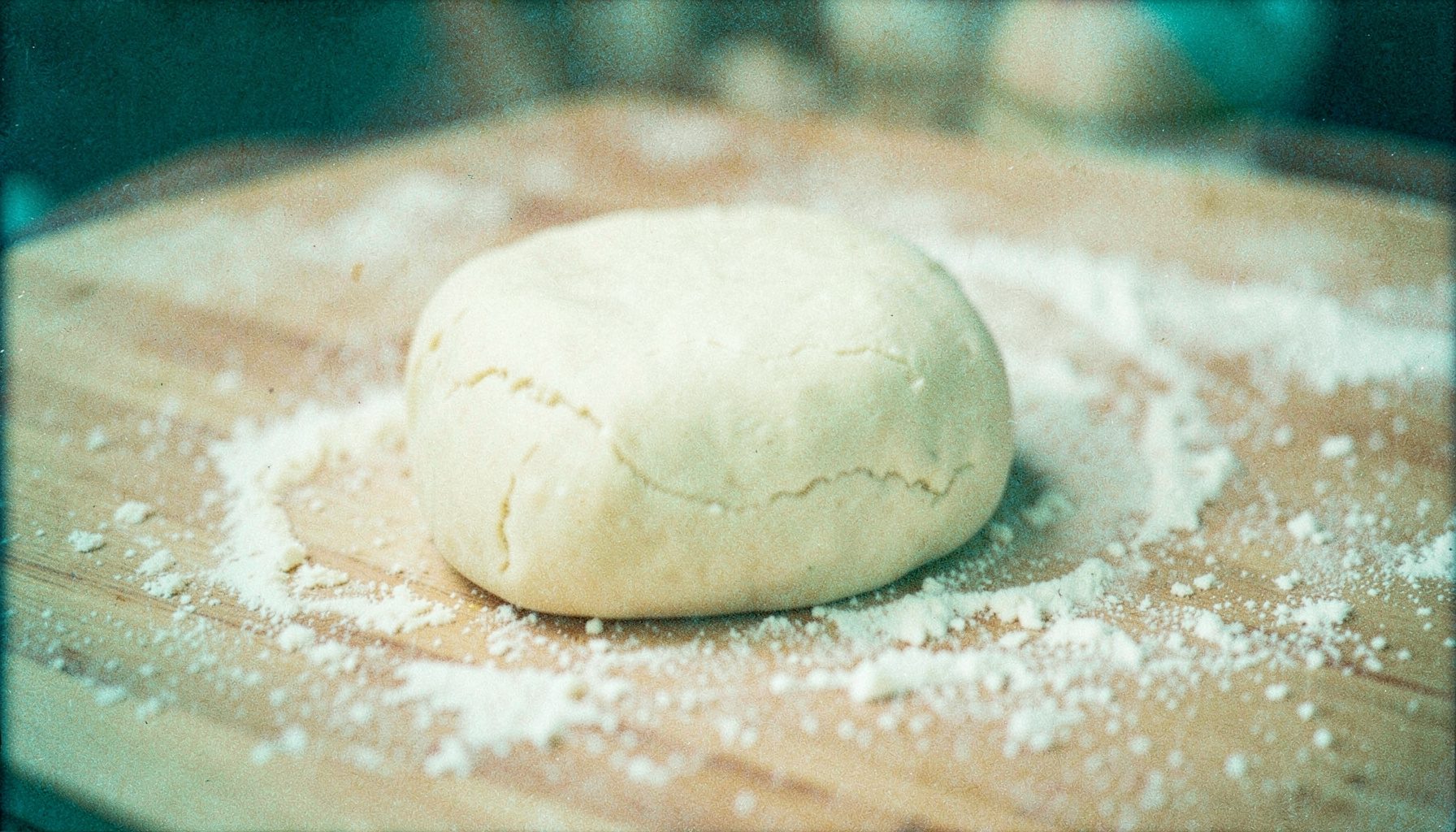 ▶
Blueberry Dumplings
Fluffy whole wheat pancakes made from scratch
Packet mix works because every variable is already measured and the raising agent is pre-blended into the flour. Once you make the batter yourself, you own the whole process, and a handful of small choices decide whether the stack is tall and tender or flat and chewy. Start with the right flour and the rest becomes far easier.
Whole wheat flour makes things coarser, not just browner. The bran and germ sitting inside wholemeal flour are heavier and rougher than refined white flour, and they drink up liquid like a sponge. That is why so many whole wheat pancakes turn out dense on the first attempt: the batter is stiff, the gluten tightens fast, and the lift gets trapped before it can escape.
The good news is that this is fixable. A little more liquid, a lighter hand with the whisk, a proper rest and a gentle pan combine to give you a genuinely fluffy result. You also get a better flavour, nutty and malty, which is exactly what you want when the toppings are simply berries, butter and a pour of syrup.
What follows is a plain home-kitchen method, with metric measures and ingredients you can pick up at Woolworths or Coles. A heavy pan, a whisk and a spatula are all the equipment you need, and the whole batch should be on the table within half an hour.
Why whole wheat pancakes go flat
Two things happen at once when wholemeal flour meets liquid. The bran and germ absorb water faster than white flour, which thickens the batter before you have finished mixing, and the extra protein forms gluten quickly under a heavy hand. Tight gluten plus thick batter gives you a pancake that spreads, cooks ragged at the edges and resists the flip.
A third factor is fat and sugar. Refined white flour pancakes usually get their tenderness from a generous pour of milk and melted butter, and whole wheat needs a little more of both to stay tender. Cut those back and you will notice the difference long before you notice the colour.
None of this is a disaster, it is chemistry doing what it does. The fixes that follow involve loosening the batter, protecting the air you whip into it, and keeping the heat moderate so the outside sets before the middle overcooks.
Shopping and measuring like an Aussie
Australian bakers think in grams and millilitres, and it is worth learning a few shortcuts. A standard cup of flour is 150 grams, a cup of milk is 250 millilitres, a tablespoon is 20 millilitres and a teaspoon is 5. Large eggs here weigh about 60 grams, and milk comes in 600 millilitre and one litre containers, so measure once and pour the rest.
For flour, look for wholemeal or stoneground whole wheat in the bakery section of Woolworths or Coles, or at a bulk food shop such as The Source Bulk Foods if you want a stronger, nuttier grind. If you are cooking for people used to soft white pancakes, a fifty-fifty blend of whole wheat and plain flour is a painless place to start. The raising agent you want is called bicarbonate of soda, shortened to bicarb, and it sits near the self raising flour. Skip it when you use self raising flour, since the flour already contains enough.
| Batter style | Key ingredients | Texture you will get | Best for |
|---|---|---|---|
| Buttermilk style | Milk with a splash of vinegar or lemon juice | Tangy, tall, tender | Classic brekkie stacks |
| Milk and egg | Whole milk and one beaten egg | Rich, slightly denser | Everyday family mornings |
| Yoghurt batter | Thick Greek yoghurt and a little milk | Creamy, close-textured | Rescuing leftover yoghurt |
| Sourdough discard | Starter, water and a splash of milk | Deeply flavoured, rustic | Lazy weekend mornings |
Whichever style you choose, the base quantities for four hungry people are 200 grams of whole wheat flour, 300 millilitres of milk, one egg, 20 grams of butter, two teaspoons of bicarb, a teaspoon of sugar and a pinch of salt. The buttermilk version gets its tang from a tablespoon of vinegar stirred into the milk and left for five minutes before it meets the flour.
Mixing, resting and folding the batter
Whisk the dry ingredients together first, bicarb and sugar included, so the raising agent is evenly distributed rather than sitting in one pocket. Add the wet ingredients gradually, about half at a time, and use a spatula to bring it together. Lumps are fine. A whisk at this stage is where most people overmix and beat the gluten tight, which is the opposite of what you want.
Melt the butter in a small pan and let it cool for a minute. Poured straight from a hot pan it will set the flour on contact, and you end up with a fried edge. Fold it in at the end, along with the buttermilk or yoghurt, and keep the mixing light and deliberate.
Then rest the batter, ten to fifteen minutes at room temperature or overnight in the fridge. Resting hydrates the bran, which is the single best cure for a stiff whole wheat batter, and it relaxes the gluten so the pancakes spread less. Overnight batter develops a pleasant tang, and a spoonful of sourdough discard works beautifully in place of buttermilk if you keep a starter going.
Heat, butter and the art of the flip
Heat a heavy pan over medium-low rather than medium. Whole wheat pancakes need a gentler start than white flour ones because the outside browns faster. When the butter hits the pan it should foam without browning, which usually means the pan sits around 160 to 180 degrees. Too hot and the first pancake scorches before the centre sets.
Ladle in roughly a quarter cup of batter per pancake and resist the urge to correct the shape with the spatula. Wait for bubbles to open on the surface and for the edges to look dry and slightly lifted, then flip once. Flipping early tears the pancake, and flipping late gives you a dark, firm slab.
The second side usually needs half the time of the first. For taller pancakes, keep the heat low and let them cook a little longer so the batter sets through. For fast and light results, run two pans so the next batch is already hot when the first comes out. A splash of water in the pan between batches adds steam and keeps the edges soft.
Adjustments that rescue a flat stack
Most disappointing pancakes can be corrected mid-cook with a few tweaks. Run through these before you blame the flour.
- Loosen the batter with milk, 20 to 30 millilitres at a time, until it pours slowly like thick cream rather than dropping in blobs.
- Give the batter a ten-minute rest before cooking, which lets the bran drink and the gluten relax.
- Whip one egg white to soft peaks and fold it through at the last moment for extra lift without extra raising agent.
- Hold the heat at medium-low and give the pan a couple of minutes to cool between batches.
- Add another half teaspoon of bicarb if the batter has been sitting for more than an hour.
- Keep finished pancakes in a low oven, around 120 degrees, so they do not steam each other soft and damp.
- Accept the first pancake as a tester. It tells you the heat, the batter thickness and the timing, so treat it as a sacrifice rather than a serving.
Small batches are easier to correct than big ones, so cook two at a time and adjust after the first round. Whole wheat pancakes improve with practice rather than precision, and after a few brekkies you will know your pan's sweet spot without thinking about it.
Serving them the way Aussies do
Golden syrup is the classic pour, and in Australia it is a pantry staple, often bought as Lyle's Golden Syrup, sitting alongside maple syrup and honey. Butter and a smear of jam are standard. For something fresher, pull berries from a weekend market, Queen Victoria Market in Melbourne or the Prahran Market if you are lucky enough to live near one, and serve them with yoghurt and a few spoons of ice cream.
The word for a big stack of pancakes in this country is brekkie, and it suits a cool winter morning more than a hot summer one. If you are cooking in the arvo, make the batter the night before and keep it in the fridge. A flat white alongside is not a bad idea either.
Colour on the plate changes the mood of the whole room, and pancakes are a good place to start. Finish them with sliced banana and a dusting of icing sugar, or chop some mint over the fruit for a brighter plate.
Batch cooking, freezing and what to make next
Pancake batter keeps well, so cook a double batch on a Sunday and freeze the extras flat, separated by baking paper, in a snap-lock bag. They freeze better than most people expect and thaw in a few minutes, and a minute or two in a hot pan or a toaster brings them right back.
Fresh is the goal though, and once the base batter is down you can push it in new directions: sliced apples and cinnamon in autumn, lemon and ricotta in winter, or savoury herbs, cheese and spring onion if you fancy a different kind of brekkie entirely.
There is plenty more to cook at the full recipe archive, where seasonal ideas, baking guidance and dinner plans sit alongside each other. Start with one batch of these whole wheat pancakes, change the toppings with whatever the market gave you, and keep the habit of cooking something good from scratch.
Meet the cooks
Two friends, two kitchens, one shared notebook.

Jessica
"I write down what worked, what flopped, and what to try next week."

Kathrin
"Recipes should leave room for the fridge and the season."
Get in touch
We read every message.