Easy, Fresh and Colorful Meals
A friendly food journal by Jessica and Kathrin, gathering simple soups, bright vegetables, and quick weeknight fixes for cooks who want to put a good meal on the table without fuss.
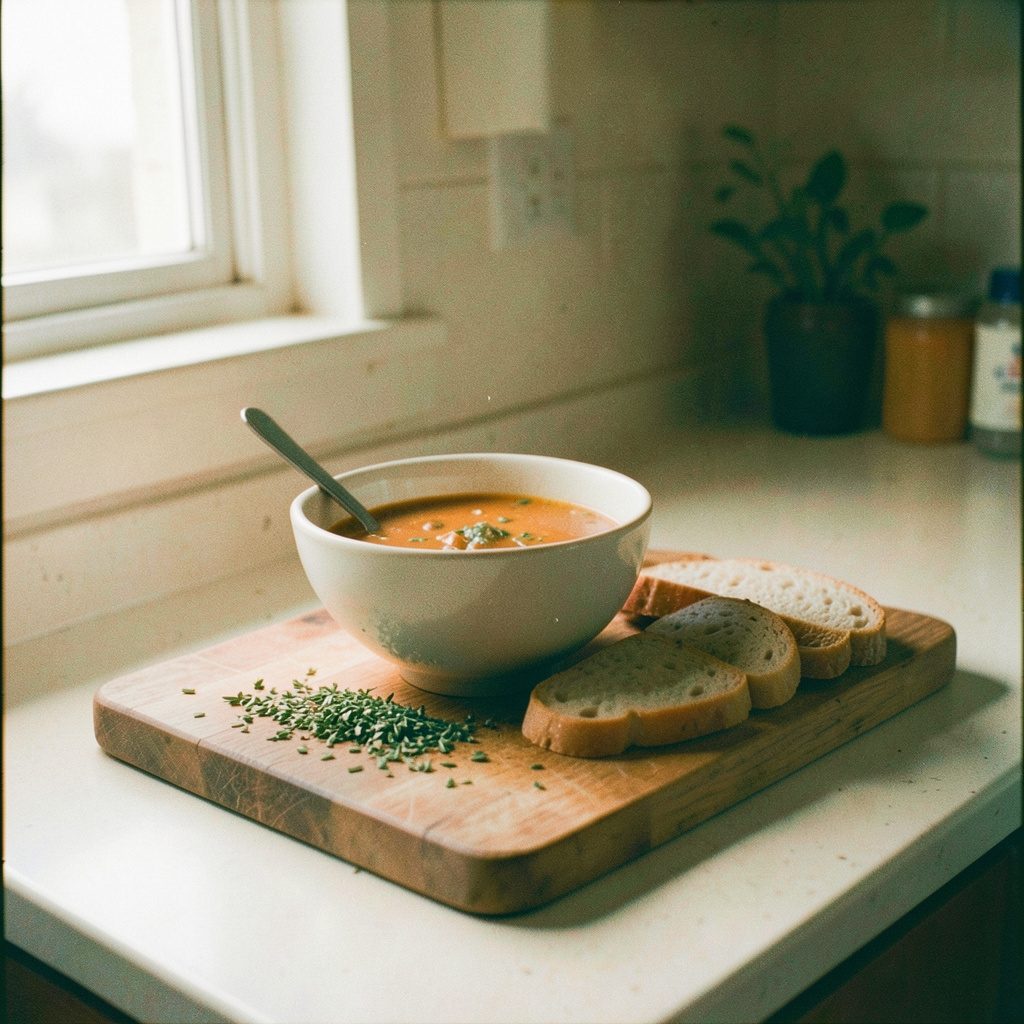
From the kitchen
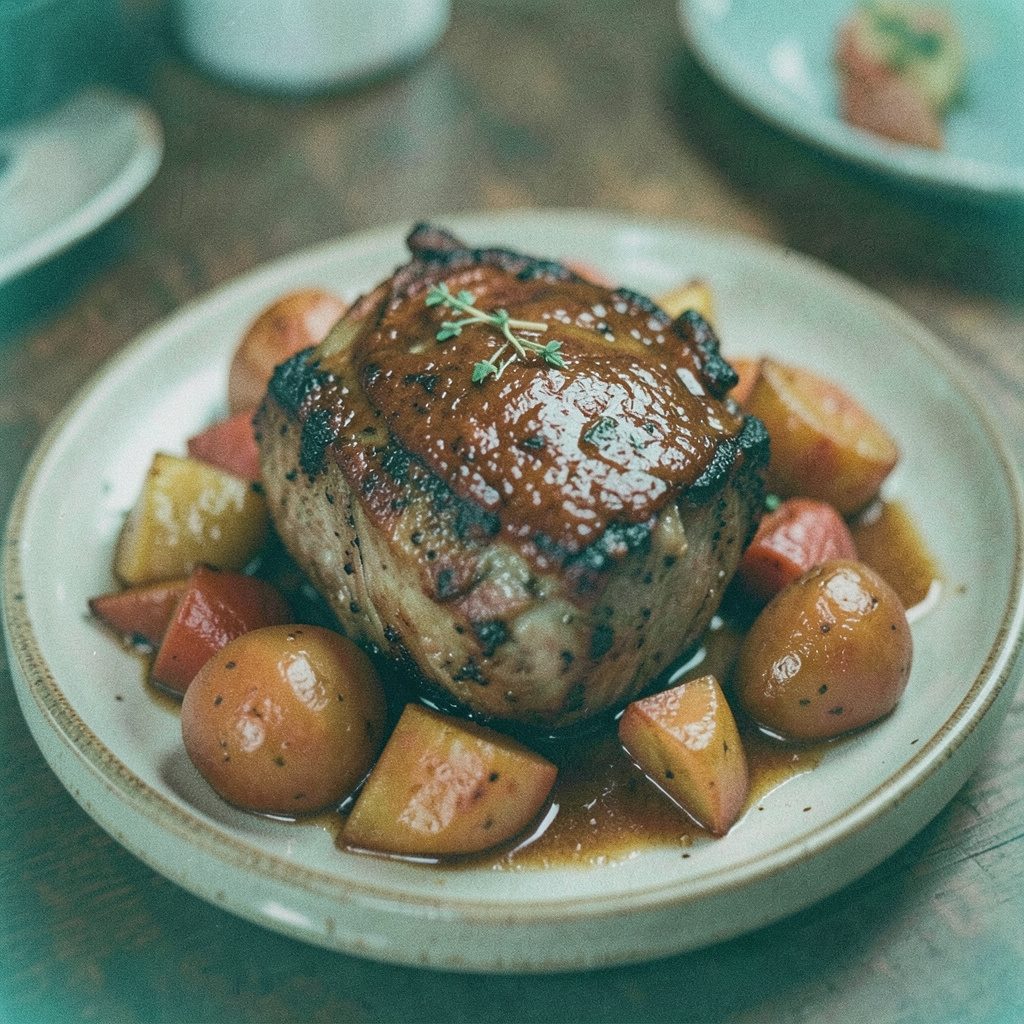
A few of the meals we've been making lately.


Watch & cook
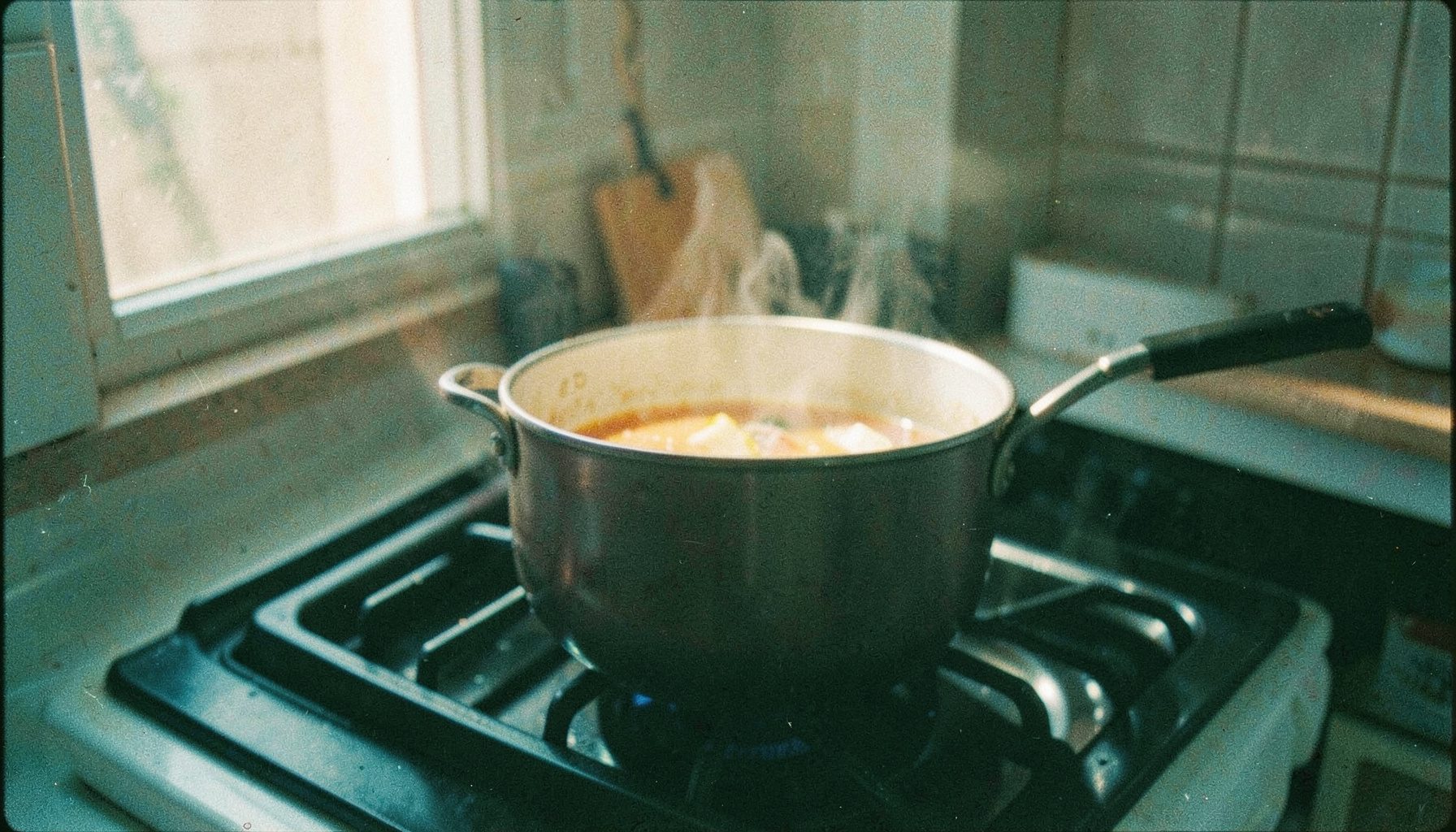
Short clips from the kitchen.
 ▶
▶
Surf and Turf in a Soup
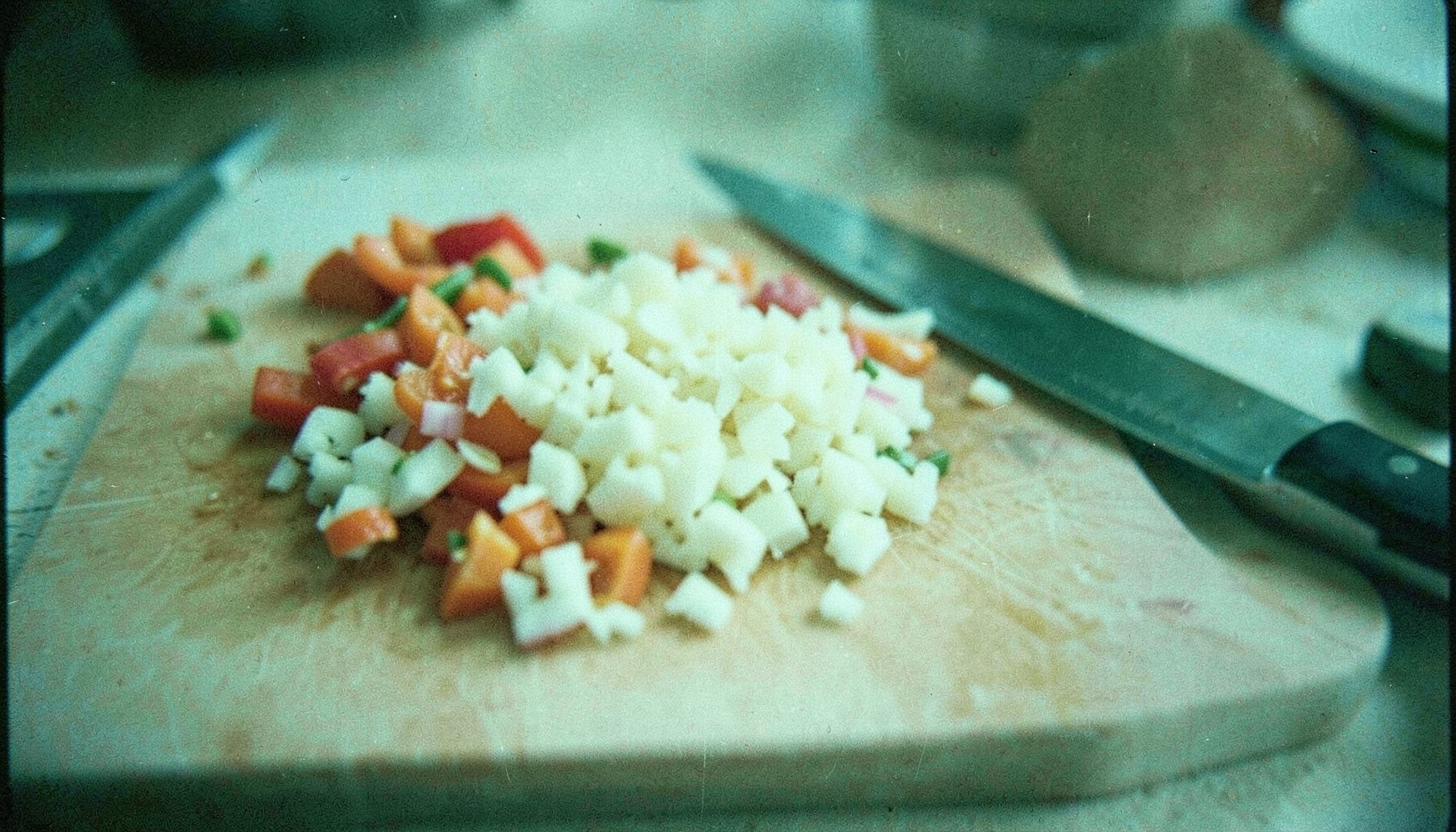 ▶
▶
Clarifying Clarified Butter
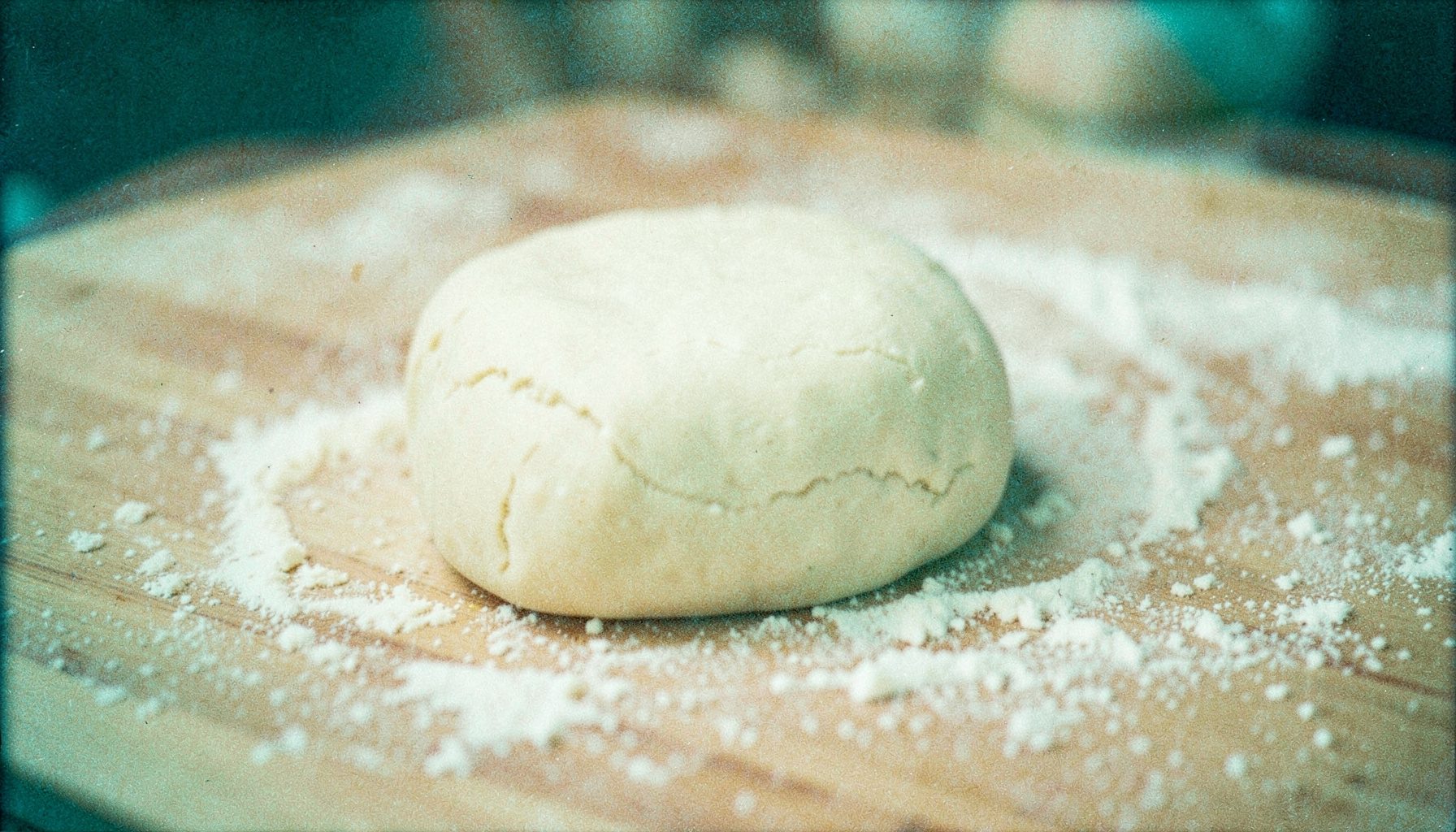 ▶
▶
Blueberry Dumplings
The secret to a golden grilled cheese with a crispy crust
There's something quietly magical about a grilled cheese sandwich. Two slices of bread, a few slices of cheese, and a hot surface are all it takes to produce one of the most satisfying meals on the planet. Yet the difference between a soggy, bland slab and a sandwich with a deeply golden, crackling crust is enormous. A truly great grilled cheese rewards you with buttery crunch, molten cheese, and a toasty aroma that fills the kitchen.
In Australia, the humble toastie has earned a permanent place in lunchboxes, café menus, and beachside picnics from Sydney to Perth. With world-class local dairy and a thriving sourdough scene in cities like Melbourne, the country is practically built for sandwich greatness. Whether you are cooking for one after a long shift or feeding hungry teenagers before a Saturday sport match, mastering the crispy crust is a skill worth pursuing.
Picking a loaf that crunches and holds
The bread does more work than you might think. It needs to brown deeply without burning, stay sturdy enough to hold molten cheese, and offer enough texture to contrast with the soft filling. In Australian supermarkets, you will find plenty of options ranging from supermarket white to dense, naturally leavened sourdough from local bakeries.
For a sandwich that delivers a seriously crispy crust, look for a loaf with a tight crumb and a sturdy crust. Sourdough from a Melbourne bakery like Laurent's or a country-style white from a neighbourhood bakery in Brisbane gives you both structure and flavour. Soft, mass-produced sandwich bread tends to turn limp rather than crisp, even when properly buttered. If you want maximum crunch, slice your bread slightly thicker than you would for lunch, around 8 to 10 millimetres, so the outside has enough mass to caramelise.
Wholegrain and seeded loaves work beautifully, especially when paired with sharp cheese, but be aware that seeds can pop and burn in the pan. Keep an eye on the heat, and consider toasting on medium rather than high when using seedy bread.
Building the cheese layer
Cheese selection is where personality enters the sandwich. A single cheese will give you a clean, predictable melt, while a blend creates complexity. Australians are spoiled for choice: Mainland Tasty is the dependable, flavour-packed backbone of countless toasties, Bega Farmer's Tasty brings a slightly nuttier edge, and boutique options from places like the Adelaide Hills or King Island dairy add real character.
For meltability, you want cheeses high in moisture and fat. Vintage cheddar melts well but can turn grainy if heated too fast. Mozzarella, often sold in Australian delis as fior di latte, gives a beautiful stretchy pull. Gruyère or Swiss-style cheeses from local producers like Section28 add a nutty depth. Combining two cheeses, such as a sharp cheddar with a creamy mozzarella or a Swiss with a smoked provolone, gives you both flavour and that drool-worthy cheese pull.
Here is a quick guide to popular Australian cheeses and how they perform in the pan:
| Cheese | Melt quality | Flavour profile | Best pairing |
|---|---|---|---|
| Mainland Tasty | Smooth, classic | Sharp, savoury | Sourdough and mustard |
| Bega Farmer's Tasty | Creamy, rich | Nutty, slightly sweet | Tomato and ham |
| Mozzarella | Stretchy, soft | Mild, milky | Basil and tomato |
| Vintage cheddar | Firm, slow melt | Bold, sharp | Caramelised onion |
| Gruyère or Swiss | Velvety, glossy | Nutty, earthy | Ham and fig jam |
Grate rather than slice when you can. Grated cheese covers the bread more evenly, melts faster, and reduces the chance of cold spots in the middle. Allow the cheese to come to room temperature for fifteen minutes before assembling, especially in winter, when cold dairy straight from the fridge can slow the melt and leave you with a sandwich that is crispy outside but still firm inside.
The secret behind the crispy crust
The crust is the soul of the sandwich, and the choice of spread matters more than most home cooks realise. Butter is the classic option, and it works beautifully when softened to room temperature so it spreads without tearing the bread. Salted butter adds a welcome savoury edge, and cultured butter, widely available in Australian supermarkets, brings a tangy richness that elevates the whole sandwich.
Mayonnaise is the move for anyone chasing pure crunch. Spread it on the outside of the bread instead of butter, and the oils and egg yolks in the mayo encourage deep browning and an almost fried texture. Some Australian cooks swear by a thin layer of mayo mixed with a pinch of garlic powder or smoked paprika for extra flavour. Olive oil brushed on the outside is another option, especially with focaccia or rustic loaves, giving a slightly softer but still beautifully golden crust.
Whatever you choose, spread it edge to edge. Missed spots on the crust translate directly into pale, soft patches that ruin the contrast. For an extra layer of crunch, try a very light dusting of grated parmesan on the buttered side before the bread hits the pan. The cheese in the crust crisps up into a shattering, golden shell.
Low heat, patience, and the right pan
The biggest mistake home cooks make is cranking the heat too high. A blistering pan burns the outside before the cheese melts, leaving you with a charred sandwich and a firm, disappointing centre. Medium-low heat is the sweet spot. It gives the butter time to soak into the bread and the crust time to develop slowly, while the gentle warmth travels inward and turns the cheese into a puddle.
A heavy pan is your best friend. Cast iron holds heat beautifully and is a staple in many Australian kitchens thanks to its versatility, from damper on the campfire to weeknight toasties. A well-seasoned cast-iron skillet gives even browning and helps form a thick, golden crust. A non-stick pan is more forgiving for beginners but tends to brown less deeply, producing a paler crust.
Cook for roughly three to four minutes on the first side, then flip and cook for another two to three minutes. If the cheese is stubborn, lower the heat slightly, place a lid on the pan for thirty seconds, and let trapped steam finish the melt. Once both sides are deeply golden and the cheese is visibly oozing at the edges, slide the sandwich onto a board and let it rest for a minute. That short rest keeps the molten cheese from sliding out the moment you cut in.
Pairings, variations, and what to serve alongside
A perfect grilled cheese rarely needs much beside it, but a thoughtful side can turn lunch into a memory. A bowl of soup is the classic partner, and a warming bowl of coconut chickpea curry makes a vibrant, nourishing companion that cuts through the richness of the cheese. Other beloved pairings in Australian homes include tomato soup made from ripe truss tomatoes in summer, a simple pickle platter, or even a handful of salt and vinegar chips for a cheeky crunch.
Variations are part of the fun. Add a few slices of roast ham, leftover Christmas turkey, or grilled tomatoes with basil for an Italian twist. Caramelised onions bring sweetness and depth. A smear of fig jam or quince paste turns the sandwich into something elegant enough for a long lunch with friends in Adelaide or a weekend brunch in Hobart. Avocado, pickles, and a few drops of sriracha are popular choices for a more modern, café-style take.
When buying cheese, look for Australian-made options whenever you can. Supporting local dairies, from the family farms of Tasmania to the boutique producers of the Mornington Peninsula, keeps quality high and your toasties unmistakably Australian. A good grilled cheese is a small luxury, and it deserves the best ingredients you can find.
Ready to turn your kitchen into the best toastie bar in the neighbourhood? Pull out a good loaf, grab your favourite Australian cheese, and start practising. The first sandwich will teach you something, the third will be nearly perfect, and by the fourth you will have it down cold. Save this guide for your next comfort-food craving, share it with the cheese lover in your life, and come back to the blog for more easy, fresh, and colourful meal ideas.
Meet the cooks
Two friends, two kitchens, one shared notebook.

Jessica
"I write down what worked, what flopped, and what to try next week."

Kathrin
"Recipes should leave room for the fridge and the season."
Get in touch
We read every message.