Easy, Fresh and Colorful Meals
A friendly food journal by Jessica and Kathrin, gathering simple soups, bright vegetables, and quick weeknight fixes for cooks who want to put a good meal on the table without fuss.
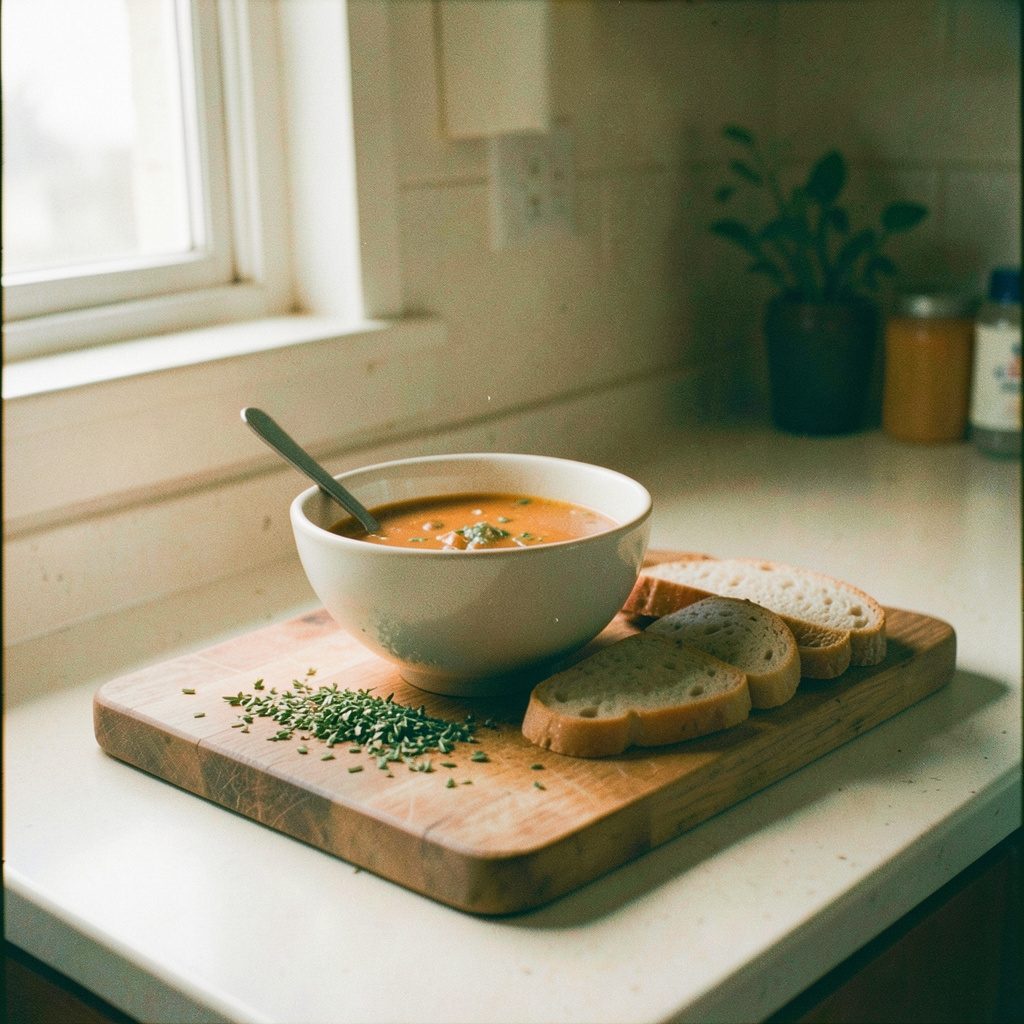
From the kitchen
A few of the meals we've been making lately.
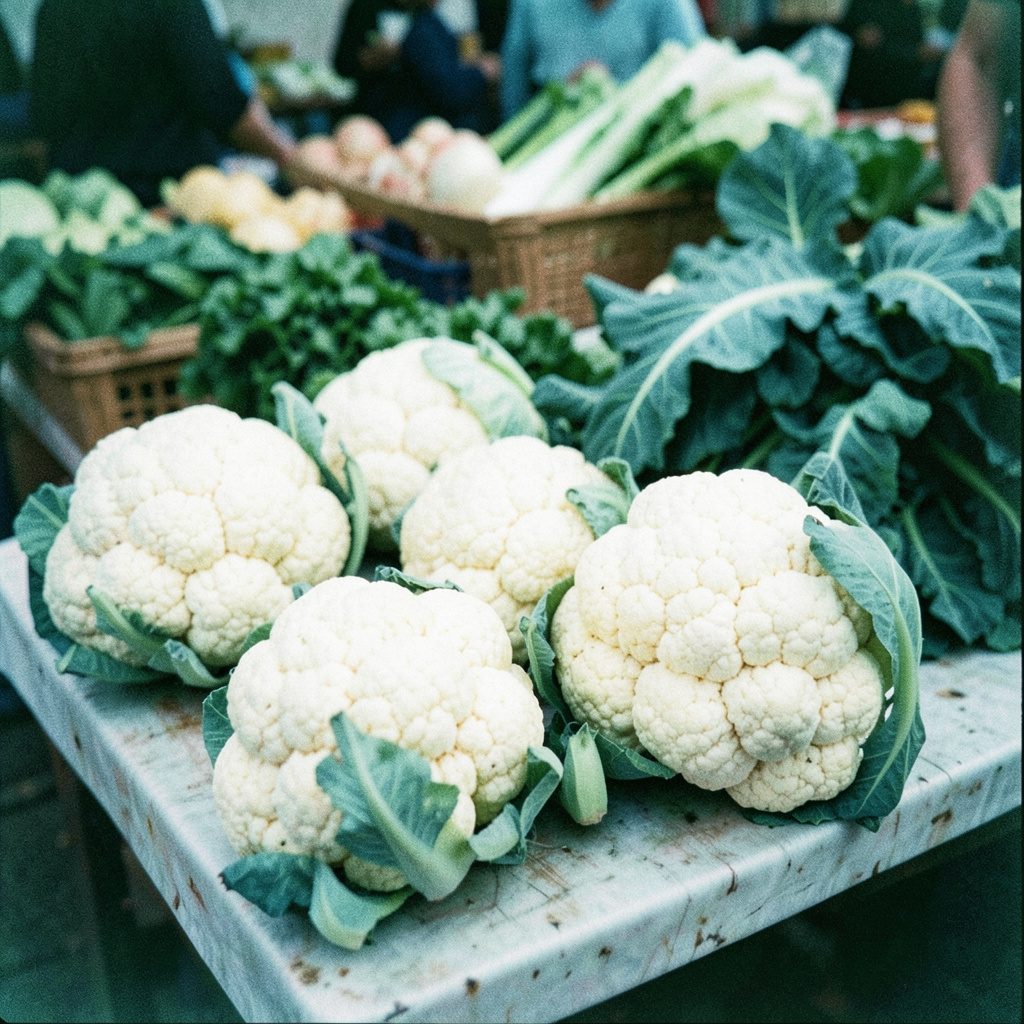
Watch & cook
Short clips from the kitchen.
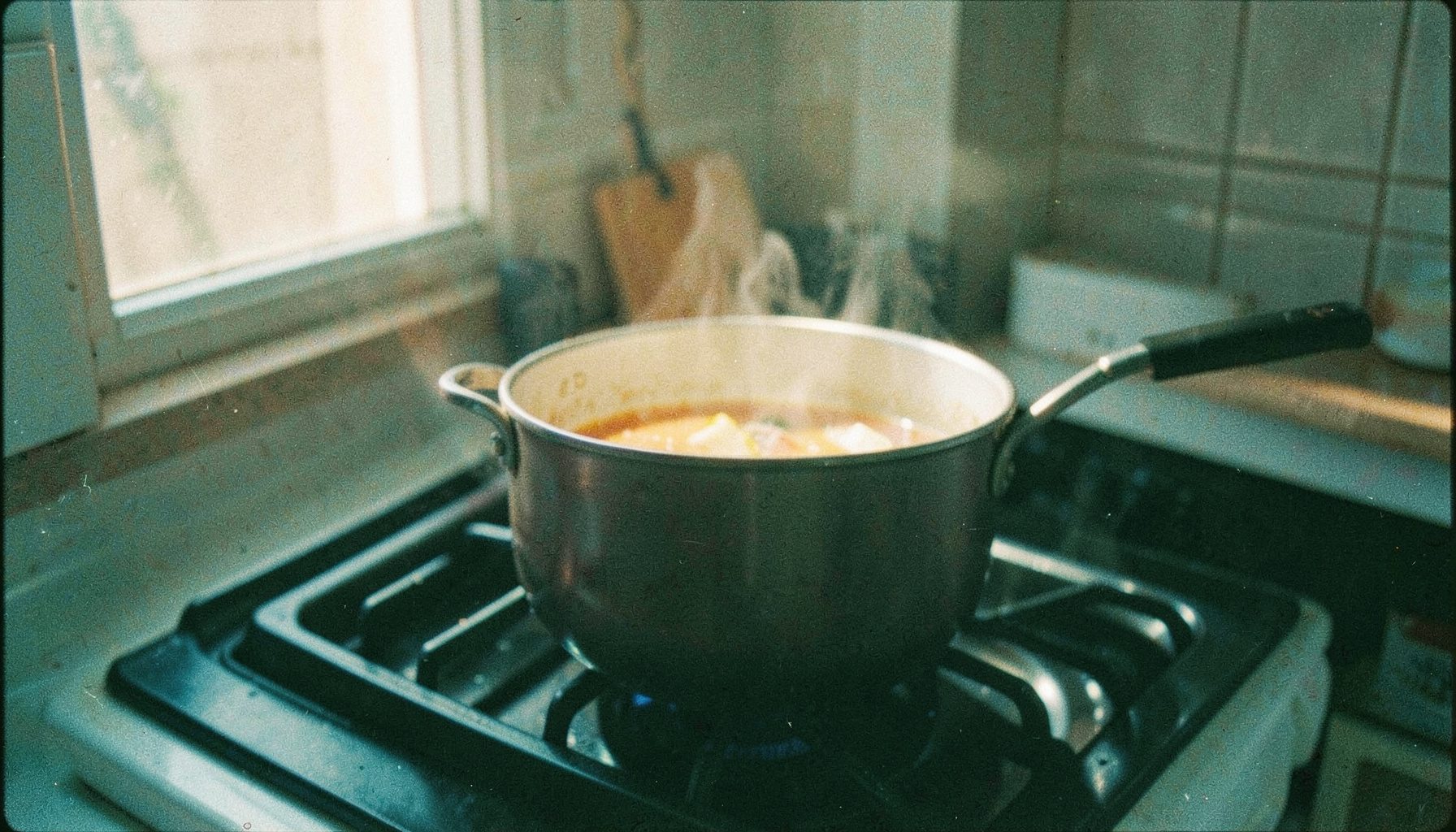 ▶
Surf and Turf in a Soup
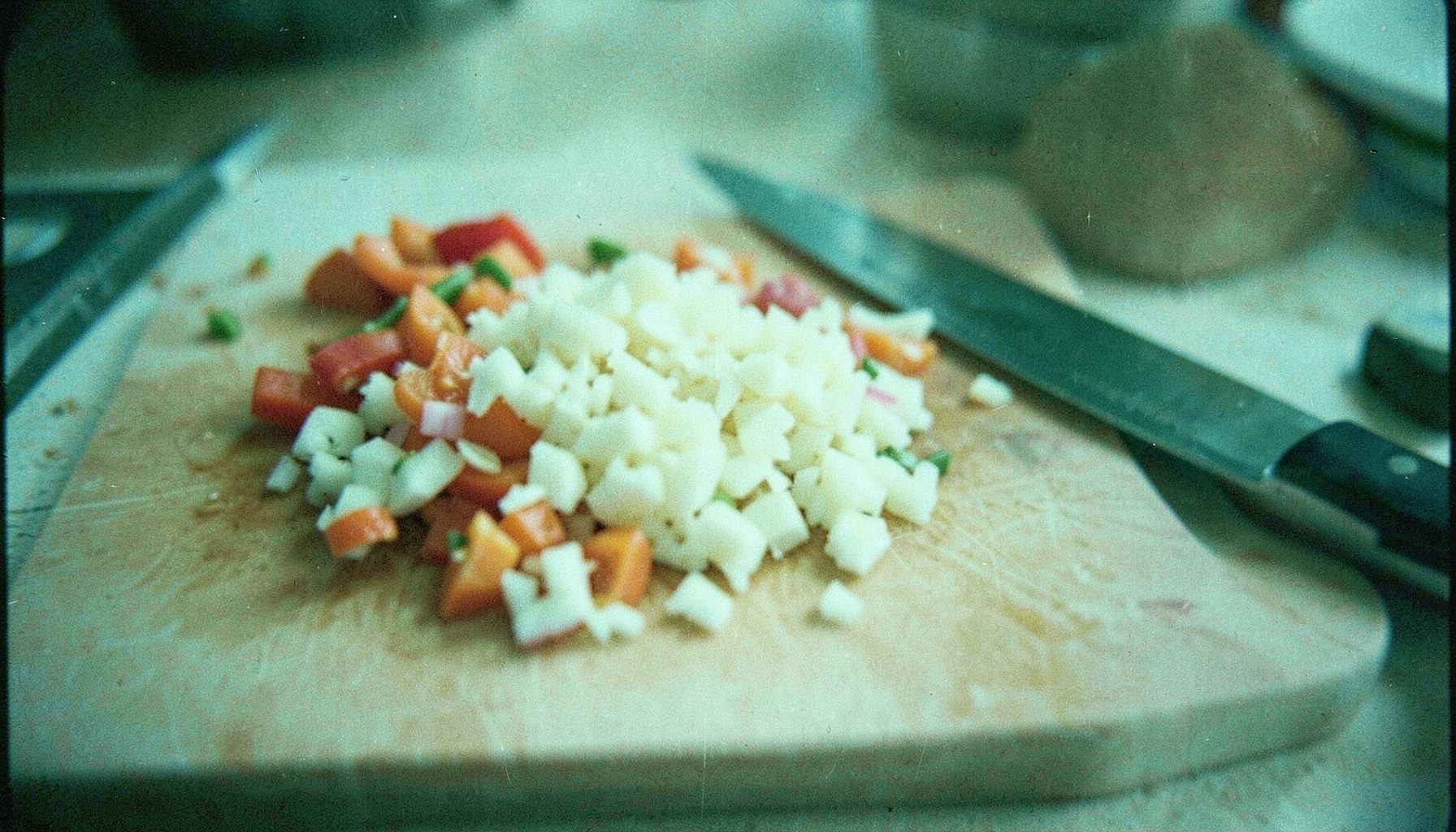 ▶
Clarifying Clarified Butter
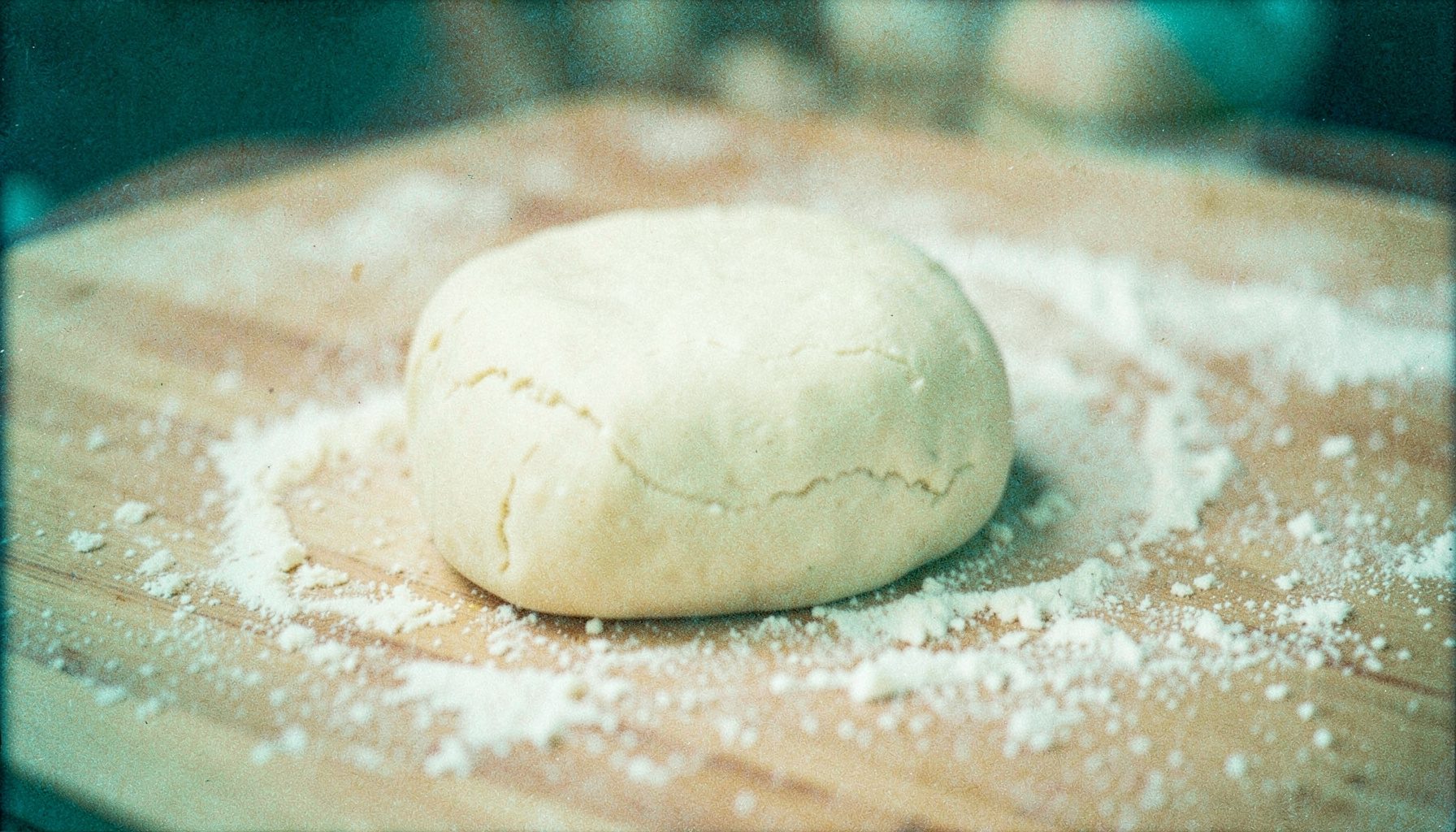 ▶
Blueberry Dumplings
Sheet pan honey mustard chicken with asparagus: a weeknight favourite
There's something quietly satisfying about tipping a single sheet pan onto a serving platter and watching the steam rise. Sheet pan dinners have earned their place in Australian weeknight cooking because they cut down on washing up, keep the oven doing the heavy lifting, and let the ingredients speak for themselves. When the weather is mild and asparagus is at its sweetest, a tray of honey mustard chicken with crisp green vegetables is hard to beat for an easy, nourishing meal.
This particular recipe balances the sweetness of Australian honey with the gentle bite of Dijon mustard, while the chicken juices mingle with the vegetables on the pan. It is the sort of dinner that fits neatly into a busy evening in Sydney or Melbourne, and it gives you leftovers that taste even better the next day. Whether you shop at the local farmers' market or pick up a pre-trimmed bunch at Woolworths, the ingredient list stays refreshingly short.
Why sheet pan dinners work for busy Australian households
Tray bakes suit the way many Australian families eat during the week. The oven does most of the work, which is helpful when the stovetop is already crowded or when the evening is warm enough that firing up extra burners feels unnecessary. A single tray also means less time at the sink, which is a small but real bonus after a long day.
The format is forgiving. You can swap vegetables based on what looks fresh at the markets, or stretch the meal by adding a handful of baby potatoes or some chickpeas directly to the pan. Because everything roasts together, the flavours blend in a way that separate pots and pans rarely achieve. For households juggling after-school sport, late meetings, or the general rush of suburban life, a one-pan dinner removes several steps from the cooking routine.
Picking the chicken for the tray
Chicken thigh fillets are the most forgiving cut for a sheet pan because they stay juicy even if you overshoot the cooking time by a few minutes. Breast fillets cook faster and slice neatly, but they can dry out if the oven runs hot or the pieces are uneven. Drumsticks bring a deeper flavour and look generous on the platter, though they need a longer roast and benefit from being turned halfway through.
By Australian law, no added hormones are permitted in commercial chicken production, so the standard birds at the butcher or supermarket are raised without them. Look for chicken labelled with the country of origin under Australian labelling rules, which makes it easy to support local producers. Free-range and RSPCA-approved options are widely available at Coles and Woolworths, and the price difference is usually modest. If you buy a larger pack, freeze what you do not need in single-portion bags for the next tray dinner.
The honey mustard marinade
The marinade is where the dish earns its name, and getting the balance right matters. A good starting point is three parts honey to one part Dijon mustard, loosened with a generous splash of olive oil, a crushed garlic clove, and a squeeze of lemon. Australian honey, whether it is a light clover variety from Tasmania or a stronger yellow box from New South Wales, brings a distinct floral note that lighter imported blends often lack. If you prefer a sharper finish, swap half the Dijon for wholegrain mustard and add a teaspoon of apple cider vinegar.
Country-of-origin labelling on the jar helps confirm you are buying genuine Australian honey, which supports local beekeepers dealing with the pressures of drought and bushfire. Mix the marinade in a small bowl, then pour half over the chicken and use the rest to dress the vegetables directly on the tray. Letting the chicken sit in the marinade for fifteen to thirty minutes at room temperature gives the surface time to take on colour without going sticky in the oven.
| Vegetable | Prep | Cooking Time (min) | Tips |
|---|---|---|---|
| Asparagus spears | Trim woody ends | 12–15 | Add halfway through cooking |
| Baby chat potatoes | Halved | 25–30 | Parboil for 5 minutes first |
| Broccoli florets | Cut into bite-size pieces | 15–18 | Toss with extra oil to crisp |
| Cherry tomatoes | Left whole | 10–12 | Stir in at the end so they burst |
| Red capsicum | Cut into thick strips | 18–20 | Char slightly for extra sweetness |
| Zucchini | Cut into rounds | 12–15 | Salt and pat dry to avoid sogginess |
Prepping asparagus and other tray companions
Australian asparagus peaks from September through November, with farms in Koo Wee Rup, Werribee, and the Adelaide Hills supplying much of the country during these months. The spears are sweet and tender at this time, needing only a quick snap to remove the woody ends. Bend each spear gently until it breaks naturally; the tough part will stay in your hand and the tender part will fall away.
Uniform sizing helps the vegetables cook evenly. If you are adding baby potatoes or denser roots, give them a head start in the oven before the chicken joins the tray. Quick-cooking vegetables like cherry tomatoes and zucchini go in later so they do not collapse into mush. A light coating of oil, salt, and pepper is all the vegetables need, since they will absorb the honey-mustard flavours drifting off the chicken as everything roasts together.
Baking, timing, and getting the right finish
Heat the oven to 200°C fan-forced, which is the sweet spot for getting colour on the chicken without drying out the vegetables. Arrange the chicken in the centre of the tray with the vegetables around the edges, where the heat is slightly less intense. Roast for twenty-five to thirty minutes, depending on the cut, then baste the chicken with the pan liquids and switch the oven to grill for two to three minutes to caramelise the surface.
The chicken is ready when the juices run clear and the internal temperature reaches 74°C on a meat thermometer. Let the tray rest for five minutes before serving, which gives the juices time to settle and stops the vegetables from weeping when you lift the pieces onto plates. If the asparagus tips look a little tired, a final squeeze of lemon and a scatter of flaky salt brings everything back to life.
Serving suggestions and easy variations
Bring the tray to the table for a relaxed, family-style dinner. A crisp Australian sauvignon blanc or a light pinot gris pairs well with the honey-mustard glaze, and a simple green salad with a sharp vinaigrette balances the richness of the roasted chicken. Steamed rice or a hunk of crusty sourdough is enough to soak up the pan juices, and leftover chicken slices neatly into sandwiches the next day.
This recipe also adapts easily to other seasons. Swap asparagus for broccolini in winter, or add sliced peaches in summer for a sweeter glaze. When the dinner table turns into a stage for dinner table debates, a shared tray of familiar food keeps the mood easy. For a completely different weekend project, try making no-fail pizza dough from scratch and let the kids choose their own toppings.
Pin this recipe to your weeknight board, save it to your spring collection, and share it with a friend who keeps saying they have nothing for dinner. Tag us in your tray photos and tell us which vegetable swap worked best in your kitchen.
Meet the cooks
Two friends, two kitchens, one shared notebook.

Jessica
"I write down what worked, what flopped, and what to try next week."

Kathrin
"Recipes should leave room for the fridge and the season."
Get in touch
We read every message.