Easy, Fresh and Colorful Meals
A friendly food journal by Jessica and Kathrin, gathering simple soups, bright vegetables, and quick weeknight fixes for cooks who want to put a good meal on the table without fuss.
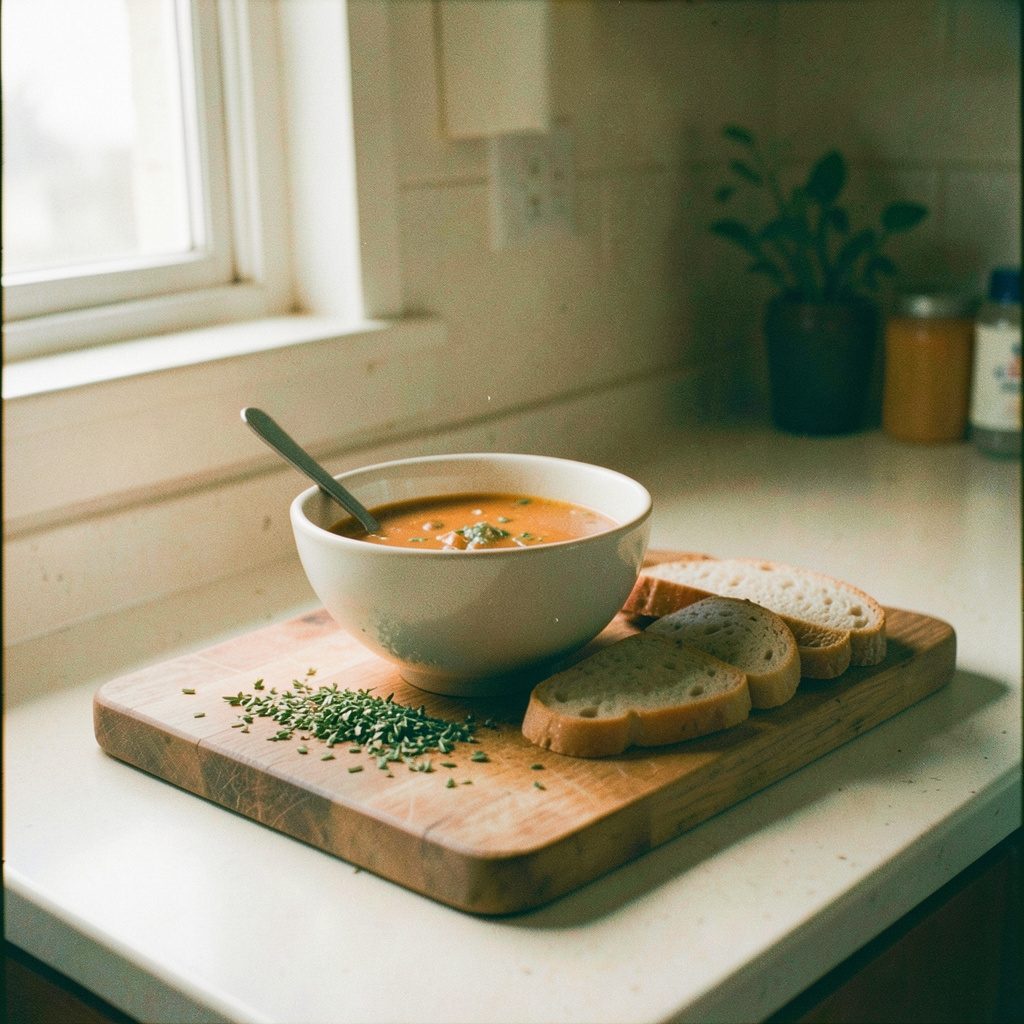
From the kitchen
A few of the meals we've been making lately.
Watch & cook
Short clips from the kitchen.
 ▶
Surf and Turf in a Soup
 ▶
Clarifying Clarified Butter
 ▶
Blueberry Dumplings
Stovetop cinnamon apples for oatmeal or dessert
Stovetop cinnamon apples are a quick, fragrant way to make plain oats feel special and turn a simple dessert into a warm favourite. The fruit softens in a buttery, spiced syrup, turning glossy and tender while you finish the oats or set out bowls. It is a forgiving method for a weekday brekkie, a slow Sunday morning or a dinner-party finale.
The attraction is control. You decide when the apples become soft enough to fold through oats or caramelise at the edges for ice cream. No oven is required, so the recipe suits a small flat or any kitchen where the cooktop is busiest. A heavy skillet gives the best result, but an ordinary nonstick pan works.
Australian kitchens generally use grams, millilitres and Celsius, and gas cooktops are common; “medium-high” should mean a steady bubble, not a roaring flame. At Woolworths and Coles, apples are often sold loose by the kilogram, so mix a tart Granny Smith with a sweeter Fuji or Pink Lady. Call it porridge at brekkie and a warm arvo dessert when you want it to feel local.
Why stovetop apples are so versatile
A pan method gives you the two textures that matter: tender centres and concentrated flavour around the edges. Melting butter with brown sugar creates a light caramel coating, while cinnamon and nutmeg perfume the apple without masking it. A splash of water and a brief cover let steam finish the fruit before the liquid evaporates.
Apple choice changes the result. Firm Granny Smith holds its shape and brings acidity; Fuji and Pink Lady become jammy and mellow. In southern Australia, the main harvest often runs from late summer into autumn, but imported and cold-stored fruit keeps shelves supplied through cooler months. One sharp apple and one sweet apple create balance without much extra sugar.
The method suits different stoves and schedules. If your burner runs hot, begin on medium and let the apples release their juice before the pan dries. For a smooth compote, chop smaller and simmer longer; for firmer slices, keep them thick and avoid crowding the pan. These small changes matter more than a special ingredient.
Choose your apples and pantry basics
For four servings, use four medium apples, peeled for a softer texture or left unpeeled for colour. Core and cut into 1 cm half-moons. Add 20 g butter, two tablespoons light brown sugar, one teaspoon cinnamon, a pinch of nutmeg, one teaspoon vanilla, a pinch of salt and 60 ml water. Lemon juice keeps cut fruit bright, especially if preparing ahead.
For oatmeal, use roughly 200 g rolled oats and 750 ml milk, water or a combination, adjusting until creamy. Your pantry will usually have rolled oats, yoghurt and milk; Australian honey is a local alternative to imported maple syrup. Toasted almonds, walnuts or seeds add crunch and substance.
For a savoury plate, treat the apples as a warm fruit relish beside roast chicken, sausages or a grain salad, then add something sharp. The site's five-minute fresh salsa is a quick condiment that brings acidity and herbs. Its tomato flavour is not traditional with cinnamon apples, but a small spoonful gives the sweet fruit a lively contrast. Keep the portion modest.
Cook the apples in one pan
Start by warming the pan over medium heat. Add the butter and let it foam without browning, then stir in the brown sugar, cinnamon, nutmeg, vanilla and salt. The sugar should dissolve into the butter rather than sit in clumps. Add the apple slices in one layer if possible; if the pan is small, work in two batches so the fruit sears instead of steams.
Cook uncovered for about 8 to 12 minutes, stirring once or twice, until the apples soften and release their juice. Pour in the measured water and scrape the browned sugar from the base of the pan. Cover, lower the heat and cook for another 5 to 7 minutes. Uncover and simmer until the liquid has reduced to a glossy syrup and the apples are tender but still hold their shape. Taste before adding extra sweetener; ripe Fuji apples may need none.
For a deeper finish, transfer the pan to a 180°C fan-forced oven for 10 minutes, or use a conventional 200°C oven. This is optional; the stovetop version is complete, and the oven simply intensifies the caramel edges. Cool leftovers before storing them airtight in the fridge for up to three days. Reheat gently with a splash of water.
Add easy upgrades to breakfast bowls
For breakfast, bring 750 ml milk or water to a gentle simmer. Add the oats gradually, stirring so they do not catch, and cook for 5 to 8 minutes until creamy. Divide between four bowls and spoon over the warm apples. For two textures, cook one grated apple into the oats and reserve the cinnamon fruit for the top.
Balance the sweetness with something creamy, tangy or nutty. Plain Greek yoghurt, Australian honey, toasted almonds and extra cinnamon are easy additions. For a luxurious version, add vanilla ice cream and turn the bowl into dessert. Contrast matters: cool dairy against hot cinnamon apples tastes more complete than either alone. For quick, practical upgrades, try:
- Toast almonds or walnuts in a dry pan until fragrant, then scatter them over the oats for crunch.
- Add plain Greek yoghurt for tang and cream without making the bowl overly sweet.
- Drizzle Australian honey over the warm apples; choose maple syrup for a familiar imported flavour.
- Chop a few slices finely and fold them into the oats, keeping some for the top.
- Save extra apples for yoghurt, pancakes or toast, and warm them with a splash of water when reheating.
A quick breakfast is useful after a hectic morning. If you are trying to recover after a runout, let the pan work while the oats bubble and the fruit perfumes the kitchen. Make a generous batch, because these apples also top yoghurt, pancakes or thick toast.
Balance sweet, savoury, and seasonal flavours
The same apples shift from breakfast to dessert by changing the accompaniment rather than the recipe. Warm them with extra cinnamon and serve with vanilla ice cream, custard or a crunchy crumble. For an autumn afternoon, add caramel sauce or crushed biscuits, but reduce the pan sugar if the fruit is particularly sweet.
They also earn a place on a savoury brunch plate beside grilled pork, roast chicken or a cheeseboard, where their acidity cuts through fat. This is an easy way to let one dish travel from morning to afternoon: serve a small portion with the main meal rather than treating fruit as a separate pudding.
For market-fresh ingredients, look for apples and herbs at growers' stalls rather than relying only on a supermarket. Queen Victoria Market in Melbourne and Adelaide Central Market are good places to compare seasonal fruit, and many stallholders take card. Choose apples that feel heavy for their size and smell floral rather than sour. Add herbs or lemon at home for a brighter finish.
Serve it and share the goodness
Once the apples are cooked, choose the final pairing by occasion. Warm porridge needs cool yoghurt, nuts or honey; dessert benefits from ice cream, custard or a crisp topping. Let the serving dish make the gathering welcoming without extra fuss.
| Serving route | Best additions | Texture and flavour | Occasion |
|---|---|---|---|
| Breakfast porridge | Plain yoghurt, toasted nuts and honey | Creamy, nutty and gently sweet | Quick brekkie or weekend brunch |
| Dessert plate | Vanilla ice cream, custard or crumble | Warm fruit against a cool, rich finish | After dinner or an arvo treat |
| Savoury plate | Roast chicken, pork, cheese or fresh herbs | Sweet, sharp and herbaceous | Shared lunch or casual gathering |
Serve the apples warm rather than refrigerator-cold, and add the crunchy or creamy element just before eating. If making ahead, keep fruit and toppings separate so the contrast stays intact. A small batch feeds four breakfasts, or double it for friends.
Make this stovetop cinnamon apple recipe part of your next meal: choose two contrasting apples, keep the pantry basics on hand and let the pan turn an ordinary breakfast into something fragrant and memorable. Serve it straight from the skillet, or save the leftovers for tomorrow’s brekkie.
Meet the cooks
Two friends, two kitchens, one shared notebook.

Jessica
"I write down what worked, what flopped, and what to try next week."

Kathrin
"Recipes should leave room for the fridge and the season."
Get in touch
We read every message.